Attracting Butterflies – Plants and Tips
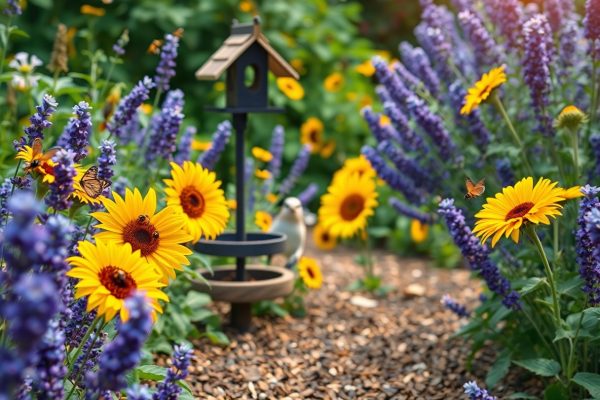
Plants are vital for creating a butterfly-friendly garden that provides the necessary resources for these beautiful creatures. By selecting the right flora and implementing a few simple strategies, you can transform your outdoor space into a vibrant habitat that will attract butterflies throughout the seasons. This guide will equip you with the knowledge of suitable plants and practical tips to enhance your garden’s appeal to these charming pollinators.
Key Takeaways:
- Choose nectar-rich flowers such as buddleia, lavender, and asters to attract a variety of butterfly species.
- Provide a variety of habitats, including sunny spots and sheltered areas, to create an inviting environment.
- Avoid using pesticides to ensure a safe habitat for butterflies and other beneficial insects.
Understanding Butterfly Behavior
Observing butterfly behaviour provides invaluable insights into attracting them to your garden. These creatures are not only drawn to flowers for nectar but also seek specific conditions for mating and laying eggs. Factors such as sunlight, wind protection, and shelter from rain influence their activity patterns. By understanding their daily routine, you can position plants and features in your garden to optimise butterfly visits throughout the day.
Lifecycle of Butterflies
The butterfly lifecycle consists of four distinct stages: egg, larva (caterpillar), pupa (chrysalis), and adult. Each stage plays a critical role in the development of these insects, with caterpillars primarily focused on feeding to gain energy for metamorphosis. Metamorphosis is a transformation that often takes place in a sheltered habitat to protect the delicate chrysalis, ensuring successful emergence as an adult butterfly.
Preferred Habitats
Butterflies favour diverse habitats that provide suitable food sources, sunlight, and water. You’ll often find them in meadows, gardens, and wetlands, where native plants flourish. Certain species, like the Monarch, thrive in open fields, while others prefer wooded areas or coastal zones. By mimicking these natural environments in your garden, you can create an appealing habitat for various butterfly species.
This varied habitat is vital for meeting the specific needs of different butterfly species. For example, having a mix of sunny spots and shaded areas allows you to attract species like the Swallowtail, which prefers sunlit locales, while also accommodating species that enjoy shelter. Additionally, including nectar-rich flowers, host plants for caterpillars, and shallow water sources can create a more inviting space. Consequently, you’ll enhance your chances of observing a greater diversity of butterflies in your garden.
Essential Plants for Attracting Butterflies
Incorporating the right plants into your garden is vital for attracting butterflies. Diverse plant varieties will not only provide necessary food sources but also create a welcoming habitat. Emphasising both nectar and host plants is important for supporting the entire lifecycle of butterflies, from caterpillar to adult. Selecting plants that thrive in your local environment can exponentially increase your chances of enticing these beautiful pollinators.
Nectar Plants
Nectar plants are critical for adult butterflies, offering them the energy needed for foraging and reproduction. Species such as buddleia, echinacea, and verbena provide ample nectar and draw various butterfly species. Plant these in sunny areas with well-draining soil to ensure optimal bloom and a continuous supply of nectar throughout the growing season.
Host Plants
Host plants serve as a food source for butterfly larvae, playing an integral role in their life cycle. Different butterfly species require specific host plants; for example, milkweed is vital for monarchs, while swallowtails prefer plants like parsley and fennel. By creating a diverse selection of host plants, you will enable butterflies to lay their eggs and support caterpillars during their development.
When dicking out host plants, consider local butterfly species and their preferences to ensure you provide the right environment. Many butterflies have evolved to rely on specific flora for their larvae, making it important to research which plants are native to your area. For instance, planting a variety of native milkweed species can attract monarchs, while dill can draw in black swallowtails. Establishing these plants not only supports butterflies but also fosters biodiversity in your garden ecosystem.
Creating a Butterfly-Friendly Garden
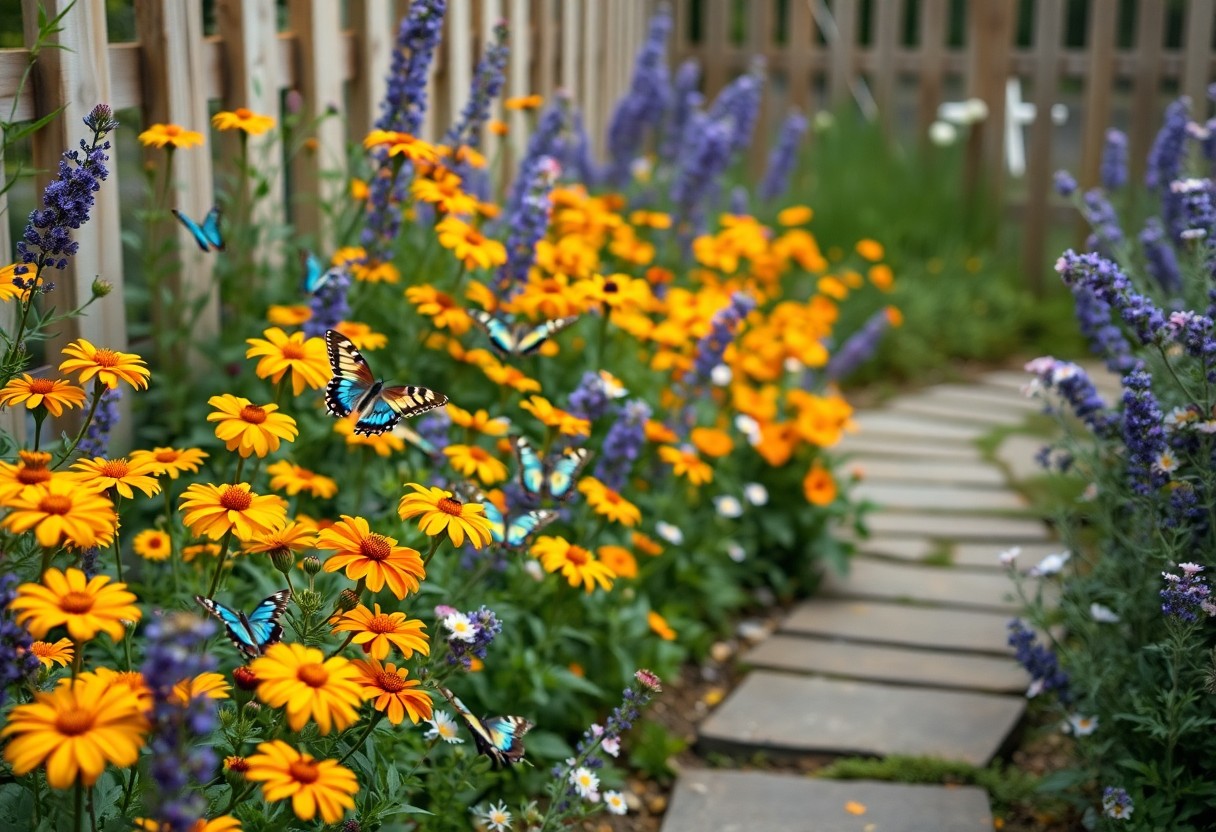
Crafting a butterfly-friendly garden involves understanding the habitats and needs of these delicate creatures. By providing a variety of nectar-rich flowers, host plants, and suitable habitats, your garden can flourish with vibrant butterflies throughout the warmer months. It’s crucial to create sheltered areas and water sources, ensuring an inviting environment for these pollinators.
Garden Design Tips
When designing your garden, aim for diversity in plant species and structure. Incorporate plants of different heights and bloom times to create layers and continuous interest. Include the following elements:
- Native plants that attract local butterfly species
- Open sunny areas for basking
- Sheltered spots to protect from wind
- Water sources such as shallow dishes or ponds
Assume that a well-planned design will significantly increase the chances of inviting butterflies into your outdoor space.
Seasonal Considerations
Seasonal changes can greatly affect butterfly activity, so it’s crucial to tailor your garden accordingly. Early spring blooms provide food sources for emerging butterflies, while late summer flowers support migrating species. Design your garden to ensure continuous blooms throughout the seasons, catering to the various life stages of butterflies.
To further entice butterflies, consider the specific plants and flowering times in your region. For instance, planting Spring Bloomers like Crocus and Dandelions can lure butterflies early in the season while Late Bloomers such as Asters and Sedums provide sustenance as autumn approaches. By strategically selecting and timing your plantings, you not only enhance the beauty of your garden but also sustain butterfly populations year-round.

Maintenance and Care for Butterfly Gardens
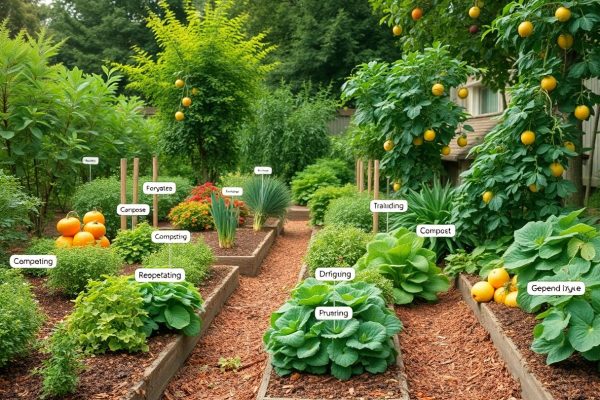
Regular maintenance is vital to ensure your butterfly garden thrives and attracts these beautiful insects consistently. This includes weeding, deadheading, and monitoring plant health. Incorporate a variety of nectar and host plants to encourage diverse butterfly species. Additionally, consider the seasons; some plants may require seasonal pruning or division to promote healthy growth and blooms throughout the year.
Pest Management
Effective pest management is key to protecting your butterfly garden. Use organic methods, such as introducing beneficial insects like ladybirds and lacewings, which prey on harmful pests. You might also apply insecticidal soaps or neem oil at the first signs of infestations, ensuring they are safe for butterflies and other pollinators.
Water Sources and Shelter
Providing adequate water sources and shelter can significantly enhance your butterfly garden’s appeal. Shallow dishes filled with water and stones allow butterflies to perch while drinking, and native plants offer natural shelter. You can also set up a brush pile or rock garden to provide protection from predators and harsh weather conditions.
Water sources can be varied, such as small birdbaths, puddling stations, or even damp soil areas where butterflies gather to sip moisture. These features are not only vital for hydration but also create a microhabitat that encourages visits from various butterfly species. When designing your garden, ensure plants are placed near these water sources to facilitate easy access for butterflies. Additionally, incorporating sheltering elements like shrubs or tall grasses will create a layered effect, providing refuge and encouraging butterflies to linger longer in your garden.
Additional Tips for Enhancing Butterfly Attraction
To further entice butterflies into your garden, consider implementing a few extra strategies. Providing a water source, such as a shallow dish with sand or pebbles, can help maintain moisture for butterflies. Planting in clusters rather than singular plants creates more visible flower patches, attracting these insects more readily. Incorporate various bloom times to ensure that flowers are available throughout the growing season. For more inspiration, check out Butterfly Gardening resources. Knowing that butterflies tend to prefer specific flora can make your garden a true haven for them.
- Group flowering plants together for maximum impact.
- Incorporate native species to boost local butterfly populations.
- Provide shelter with shrubs or rocks for resting.
- Use seasonal flowers to ensure blooms year-round.
Avoiding Pesticides
Steering clear of pesticides is imperative for a thriving butterfly garden. Chemical treatments can harm not only harmful insects but also beneficial ones like butterflies. Opt for organic pest control methods when issues arise, ensuring that your garden remains a safe environment for butterflies to flourish.
Companions for Butterfly Plants
Choosing the right companion plants can enhance the appeal of your butterfly garden. Flowers such as coneflowers, daisies, and lantanas attract butterflies while providing imperative nectar. Additionally, including host plants where butterflies can lay eggs, like milkweed for monarchs, fosters a sustainable environment for future generations. Mixing in various heights and bloom colours can also create an inviting habitat. Understanding plant compatibility is key; for instance, pairing flowering herbs like thyme with your main butterfly plants can offer both aesthetic appeal and valuable resources for nectar-flecked visitors.
Common Butterfly Species to Attract
Identification and Characteristics
Familiarising yourself with common butterfly species enhances your garden’s appeal. The Peacock butterfly, characterised by its vibrant eyespots, is easily recognised by its reddish-brown wings. The Small Tortoiseshell sports a striking orange and black pattern, while the Cabbage White, commonly seen in vegetable gardens, has white wings with black spots. Each species brings unique charm and behaviour to your space, enriching the biodiversity around you.
Regional Variations
Your butterfly visitors can vary significantly based on geographic location. For instance, the Painted Lady butterfly thrives in warmer regions, while the Red Admiral is more widely seen across diverse habitats. The type of plants you choose and the overall climate will influence which species flutter into your garden.
In the UK, these regional variations factor in not just location, but also microclimates created within your garden. Coastal areas may attract different species compared to urban settings, and even altitude can influence diversity. For example, the High Brown Fritillary, once common, has seen declines in certain regions, while rewilding efforts have reintroduced species in others. This means your local butterfly population can differ dramatically, offering a continually evolving spectacle in your quest to cultivate a butterfly-friendly environment.
Final Words
With these considerations in mind, you can create a vibrant garden that attracts a variety of butterflies. Selecting the right plants, providing nectar sources, and ensuring a suitable environment will enhance your chances of inviting these beautiful creatures into your space. For detailed guidance, refer to Butterflies and How to Attract Them | Washington Department … and start enjoying the fleeting beauty of butterflies in your garden.
FAQ
Q: What types of plants are best for attracting butterflies?
A: Native plants such as milkweed, coneflower, and butterfly bush are excellent choices. Additionally, flowering plants that provide nectar, like marigolds and lantanas, are highly attractive to butterflies.
Q: How can I ensure my garden provides shelter for butterflies?
A: Incorporate shrubs and tall grasses into your garden design, as they offer resting spots and protection from predators. Leaving some areas of the garden unkempt can also provide natural habitats.
Q: Is there a specific time of year that is best for planting butterfly-attracting plants?
A: Spring is ideal for planting as it allows the plants to establish before the peak butterfly season in summer. Succession planting can also ensure flowers bloom throughout the season.
Q: Should I use pesticides in my butterfly garden?
A: It is advisable to avoid chemical pesticides, as they can be harmful to butterflies and other beneficial insects. Instead, consider organic methods for pest control to protect your garden ecosystem.
Q: How can I create a water source for butterflies?
A: Provide a shallow dish filled with water, adding stones for perching. Change the water regularly to prevent stagnation, which can attract unwanted pests.
You may also like