Permaculture Basics – Design a Self-Sustaining Garden
Sustainability is at the heart of permaculture, an innovative approach to creating self-sustaining gardens that harmonise with nature. By understanding the principles of permaculture, you can transform your outdoor space into a productive ecosystem that requires minimal maintenance and resources. In this post, you will discover necessary techniques and strategies that will empower you to develop a thriving garden. For further insights, check out What Is Permaculture Gardening? An Intro to ….
Key Takeaways:
- Permaculture principles focus on working with nature to create sustainable and self-sufficient ecosystems.
- Design should incorporate diverse plants and animals to encourage biodiversity and resilience.
- Utilising local resources and observing the natural landscape can enhance efficiency and productivity in gardening.
Understanding Permaculture Principles
At the core of permaculture lies a set of principles guiding sustainable design. These principles encourage a holistic view of systems, promoting the integration of plants, animals, humans, and the environment into harmonious, productive ecosystems. Understanding these foundational concepts enables you to create spaces that work in tandem with nature, rather than against it, ensuring resilience and efficiency in your garden.
The Ethics of Permaculture
The ethics of permaculture revolve around three main tenets: care for the earth, care for people, and fair share. By prioritising ecological stewardship and community well-being, you commit to designing systems that not only meet your needs but also support the planet and society. This ethical framework guides your decisions, ensuring a more sustainable and equitable approach to gardening.
Core Design Principles
Core design principles serve as the backbone of effective permaculture practice. These concepts encourage you to work with natural patterns, maximise energy efficiency, and design for diversity. Concepts such as ‘observe and interact’ and ‘use and value renewable resources’ reinforce your ability to create a garden that thrives on minimal external inputs while enhancing ecosystem health and productivity.
For a deeper understanding of core design principles, consider the principle of ‘zones’. By strategically placing elements based on their frequency of use, you can enhance accessibility while conserving energy. For instance, place your vegetable garden near your kitchen for easy access, while more neglected areas can host plants requiring less attention, like perennial flowers. The emphasis is on thoughtful placement to foster a self-sustaining garden that requires minimal intervention, allowing nature to flourish alongside your cultivation efforts.
Assessing Your Site
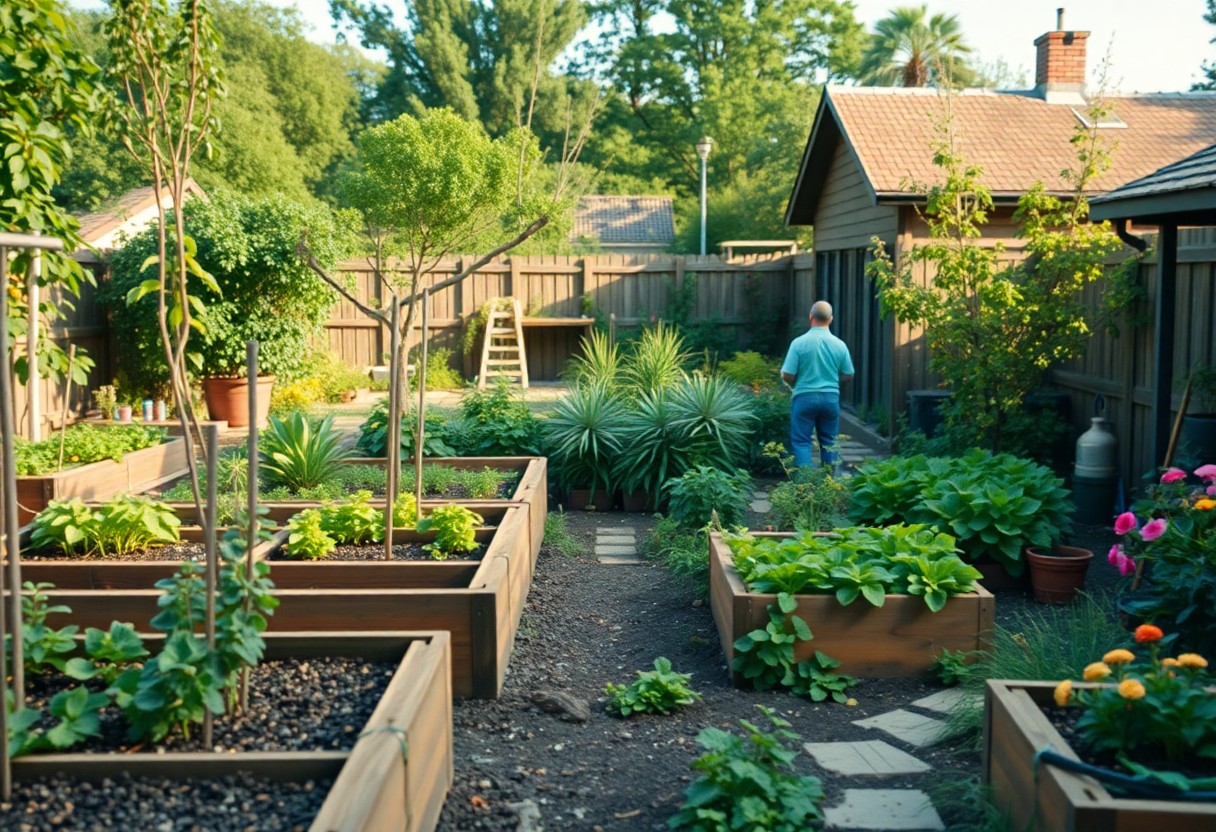
Assessing your site is vital for establishing a successful permaculture garden. You must consider various factors such as the layout, existing vegetation, and the natural wildlife present. Spend time observing your land throughout different seasons to understand microclimates, drainage patterns, and areas of sunlight. Take notes on plant growth and animal activity, which impact the overall ecosystem. This thorough assessment enables you to design a garden that harmonises with its environment, enhancing its self-sustaining potential.
Climate and Environment Considerations
Your local climate plays a significant role in shaping your garden’s design. Understanding seasonal weather patterns, including rainfall, temperature fluctuations, and wind direction, helps you select appropriate plants and adapt growing techniques. For instance, areas with high rainfall might benefit from rain gardens, while drier climates could require drought-resistant species. By tailoring your garden to these environmental conditions, you can maximise resource efficiency and garden sustainability.
Soil Health and Preparation
Soil health is the foundation of a thriving permaculture garden. Assessing your soil’s texture, pH level, and nutrient content is necessary for determining what amendments are needed. Conduct soil tests to identify deficiencies, and based on the results, consider adding organic matter such as compost or mulch to improve structure and fertility. Moreover, practice techniques like crop rotation and cover cropping to enhance soil biodiversity, which in turn supports plant health and yields.
Healthy soil teems with life, including beneficial microorganisms and earthworms that aerate the ground and improve drainage. For example, incorporating green manures, like clover or vetch, not only prevents soil erosion but also enriches the soil with nitrogen when turned under. You can also enhance soil structure by layering organic materials, fostering a diverse ecosystem. By investing time in understanding and preparing your soil, you create a resilient foundation for your garden that supports both plant growth and ecological balance.
Designing Your Garden
When designing your garden, aim to create a harmonious space that optimises resources for maximum productivity. Consider the layout and incorporate various elements like plants, water features, and habitats that support biodiversity. Establish clear pathways for ease of access while ensuring that each component serves a purpose, whether it’s for food production, wildlife attraction, or aesthetic fulfilment.
Zones and Sectors
Utilising zones and sectors is crucial in garden design. Zones refer to the different areas of your garden that vary in accessibility and maintenance needs, ranging from Zone 1 (closest to your home) to Zone 5 (wild, untouched area). Sectors analyse external factors like sunlight, wind, and water flow, helping you position elements wisely to enhance growth and sustainability.
Companion Planting Strategies
Companion planting involves pairing plants that mutually benefit each other’s growth. This strategy enhances nutrient uptake, pest control, and pollination. For example, planting marigolds alongside vegetables can deter pests, while nitrogen-fixing legumes like clover can enrich the soil for surrounding crops.
Companion planting strategies go beyond mere aesthetics; they create a thriving ecosystem within your garden. For instance, the classic trio of corn, beans, and squash—often referred to as the “Three Sisters”—works symbiotically, where the corn provides support for the beans, the beans fix nitrogen into the soil, and the squash spreads across the ground to block weeds. By orchestrating these relationships, you facilitate a self-sustaining environment that boosts yields while reducing the need for chemical interventions. Integrating these strategies not only cultivates healthy plants but also fosters resilience within your garden ecosystem.
Water Management Techniques
Effective water management is important for maintaining a thriving self-sustaining garden. By implementing various techniques, you can optimise water use, minimise waste, and create a resilient ecosystem. Managing water not only supports your plants but also encourages biodiversity, as it attracts beneficial organisms while maintaining soil health.
Rainwater Harvesting
Harvesting rainwater is a sustainable practice that allows you to collect and store water for your garden. By installing rain barrels or tanks beneath your downspouts, you can capture runoff during storms and use it to irrigate your plants. This not only conserves water but also reduces reliance on municipal supply and lowers your water bill.
Irrigation Systems and Mulching
Irrigation systems combined with mulching can maximise water efficiency in your garden. Drip irrigation systems deliver water directly to the plant roots, reducing evaporation and runoff. Meanwhile, mulching with organic materials helps retain soil moisture, suppress weeds, and improve soil fertility. Together, these methods establish a well-maintained, hydrated environment for your plants.
Mulching not only retains moisture but also promotes healthy soil structure. Using materials such as straw, wood chips, or shredded leaves, you encourage beneficial microbial activity and earthworm populations. This organic layer enhances water infiltration, while reducing temperature fluctuations in the soil. Additionally, covering your garden beds with mulch decreases evaporation rates, ensuring your plants have consistent access to moisture throughout the growing season. Consider incorporating both drip irrigation and a suitable mulch to create an efficient and sustainable watering strategy for your garden.
Integrating Animals into Your Garden
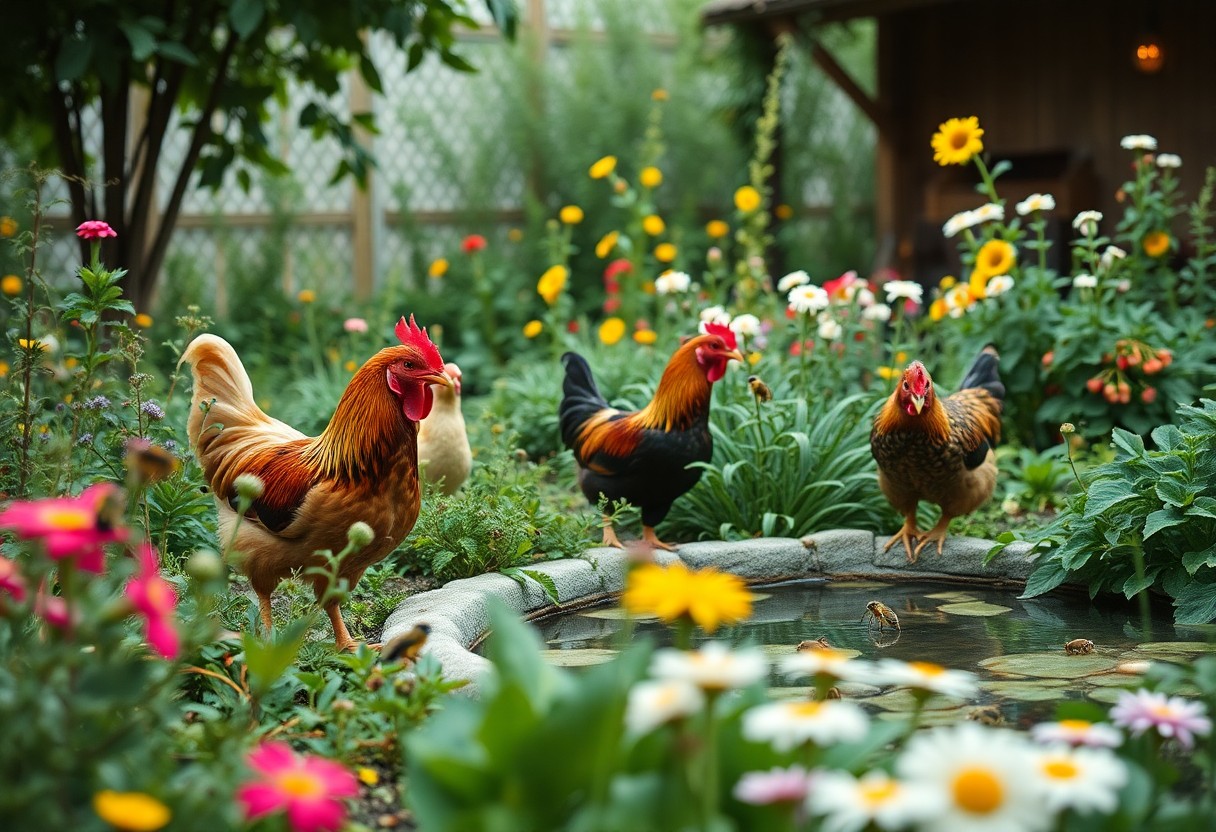
Incorporating animals into your garden enhances biodiversity and promotes a self-sustaining ecosystem. You can utilise chickens for pest control and their manure as a nutrient-rich fertiliser, while goats can assist in managing weeds. Each animal plays a role in nurturing the soil, controlling pests, and enhancing overall garden health, ensuring your space thrives in harmony with nature.
Benefits of Livestock
Having livestock offers numerous advantages, including natural fertilisation, effective pest control, and enhanced soil structure. For instance, chickens not only provide eggs but also aerate the soil and reduce the presence of harmful insects. Additionally, livestock can contribute to your garden’s nutrient cycle, making it less reliant on external resources.
Creating a Balanced Ecosystem
A balanced ecosystem in your garden stems from the diverse interactions between plants and animals. Incorporating various species, such as birds, insects, and small mammals, fosters a synergistic environment where each element contributes to the health of the garden. For example, beneficial insects can control pests, while pollinators support plant reproduction. Encouraging a variety of species nurtures layered relationships that maintain balance and resilience, ensuring your garden thrives naturally.
Maintaining Your Permaculture Garden
To keep your permaculture garden thriving, focus on ongoing maintenance rather than traditional gardening practices. Regular observation of plant health, soil condition, and ecosystem dynamics helps you make informed decisions. Incorporate minimal intervention strategies, allowing natural processes to enhance resilience. This proactive approach not only encourages biodiversity but also reduces the need for external inputs, making your garden genuinely self-sustaining.
Seasonal Care and Management
Each season demands unique attention in your permaculture garden. In spring, focus on planting and soil preparation, while summer requires irrigation management and pest control. Autumn is perfect for harvesting and mulching, and winter allows for planning and reflection. Understanding these seasonal rhythms enables you to adapt your practices and ensure optimal productivity throughout the year.
Techniques for Sustainability
Implementing various techniques enhances the sustainability of your permaculture garden. Companion planting, for instance, helps deter pests and improves yield, while crop rotation maintains soil fertility. Additionally, using local resources, such as compost and rainwater, reduces reliance on external inputs. By integrating these techniques, you foster a balanced ecosystem that thrives naturally.
Utilising techniques for sustainability can significantly bolster the resilience of your garden. Employing strategies like polycultures, where multiple species grow together, promotes healthy soil and reduces disease risk. Incorporate permaculture design principles, such as zone planning, to optimise energy and resource flow. You may also adapt your gardening methods to the unique climate and landscape of your area, ensuring that your efforts align with the local environment. These practices create a more harmonious system, enabling your garden to flourish while minimising labour and inputs.
To wrap up
Considering all points, designing a self-sustaining garden through permaculture principles enables you to create a harmonious ecosystem that thrives on natural processes. By observing your environment and utilising the resources available, you can cultivate a productive space that reduces waste and enhances biodiversity. Integrating plant diversity, efficient water management, and soil health can significantly contribute to the sustainability of your garden. Embrace these foundational concepts, and you will establish a resilient landscape that benefits both you and the environment.
You may also like