How to Attract Pollinators for a Thriving, Eco-Friendly Garden
Just by making a few thoughtful changes to your garden, you can create an inviting habitat for vital pollinators such as bees, butterflies, and birds. These creatures not only enhance the beauty of your space but also play a significant role in maintaining a healthy ecosystem. In this guide, you will discover effective strategies to entice these necessary allies, helping your garden flourish while supporting local wildlife and biodiversity.
Key Takeaways:
- Incorporate a diverse range of native flowering plants to provide food sources throughout the seasons.
- Avoid pesticides and chemical herbicides to create a safer environment for pollinators.
- Provide water sources and nesting habitats such as bee houses or undisturbed soil for pollinator communities.
Understanding Pollinators
Pollinators play a vital role in your garden ecosystem, aiding in the reproduction of flowering plants. By transferring pollen from one flower to another, they facilitate the production of fruits and seeds, ensuring the health and growth of your garden. Many species are involved beyond just bees, contributing to biodiversity and the resilience of plant communities.
Types of Pollinators
Various creatures perform the crucial task of pollination, each contributing uniquely to your garden’s health. Common types include:
- Bees (honeybees and solitary bees)
- Butterflies and moths
- Birds (such as hummingbirds)
- Beetles
- Flies (like hoverflies)
Knowing the types of pollinators that visit your garden can help you create a more inviting environment.
| Pollinator Type | Characteristics |
|---|---|
| Honeybees | Work in colonies, highly efficient in pollination. |
| Solitary Bees | Independent, with many species specialising in specific flowers. |
| Butterflies | Attracted to brightly coloured flowers, enjoy nectar. |
| Hummingbirds | Prefer tubular flowers, crucial for certain plants. |
| Beetles | Visit a variety of flowers, contributing mainly in early spring. |
Importance of Pollinators in the Garden
The presence of pollinators is integral to the productivity of your garden. They not only support the growth of fruit and seed-bearing plants but also enhance the biodiversity that is necessary for a resilient ecosystem. Without these vital species, many plants would struggle to reproduce, resulting in fewer food sources for other wildlife and even for yourself.
Research indicates that about 75% of the world’s flowering plants depend on pollinators to reproduce. This highlights their influence not only on plant reproduction but also on overall food supply and ecological balance. By fostering an environment for pollinators, you enable not only the success of your garden but contribute to the wider environment, ensuring lush growth and vibrant biodiversity that supports countless life forms, including beneficial insects and wildlife.
Key Factors to Attract Pollinators
To successfully attract pollinators, you need to consider several key factors. Providing a variety of blooms, optimal habitat, and diverse food sources plays a significant role in making your garden appealing. Additionally, refraining from using pesticides and maintaining an organic approach will help keep these creatures coming back. Explore more about Creating a Pollinator Friendly Garden through practical tips.
- Choose native plants.
- Plant in clusters for visibility.
- Ensure continuous blooming throughout the seasons.
- Provide water sources and shelter.
Perceiving these factors will enable you to create an environment that thrives with pollinator activity.
Flower Variety and Colours
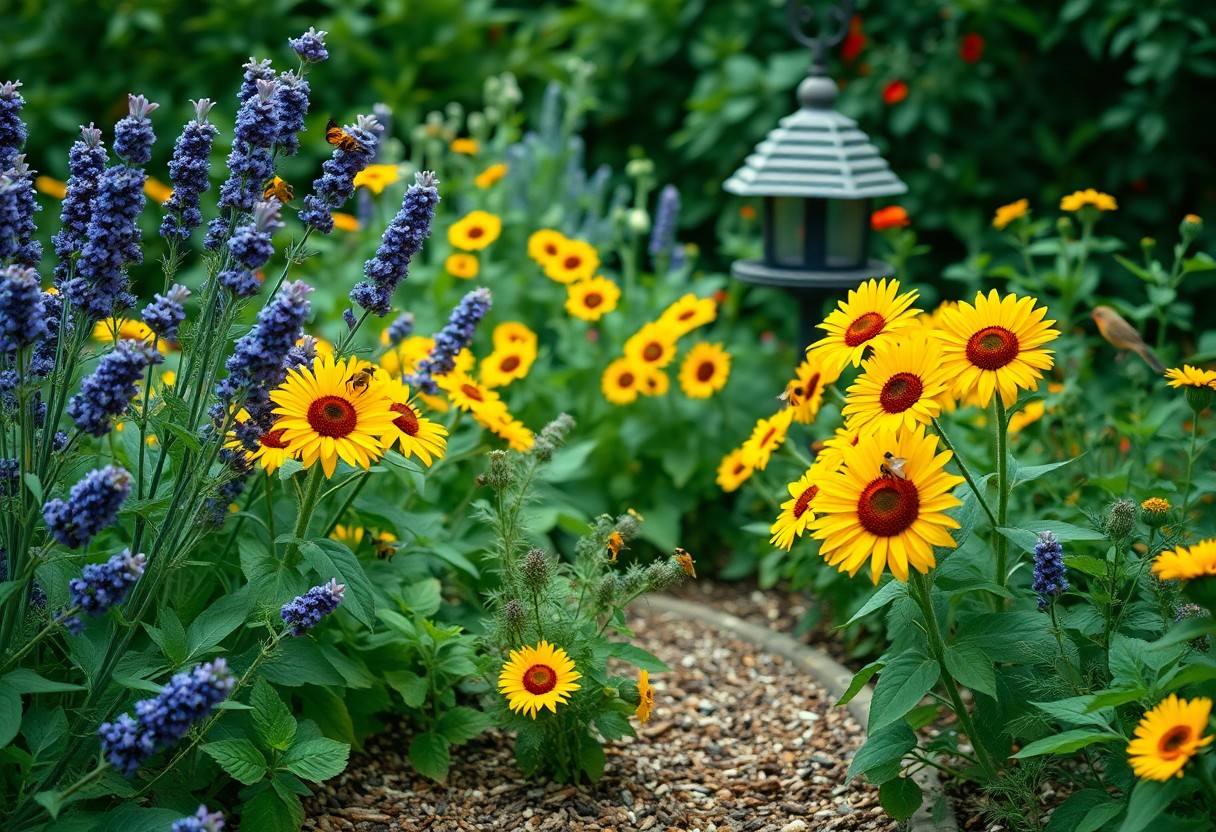
Selecting a diverse range of flowers is fundamental for attracting various pollinators. Opt for species that bloom at different times of the year to create a continuous food source for bees, butterflies, and others. Bright colours, particularly blue, purple, and yellow, are particularly appealing to these creatures, enhancing garden vibrancy and ensuring maximum pollinator engagement.
Native Plants vs. Exotic Plants
Using native plants typically offers greater benefits for pollinators than exotic species. Native plants have evolved alongside local pollinators, creating a mutually beneficial relationship. These plants are well-suited to your local climate and soil and often require less maintenance, making them an ideal choice for a sustainable garden. By focusing on natives, you provide a more effective food source for local pollinators.
Research indicates that native plants support a broader range of pollinator species compared to their exotic counterparts. For example, a study showed that the presence of native wildflowers increases the variety and abundance of pollinators in the garden. By incorporating such plants, you not only enhance biodiversity but also ensure that your garden contributes positively to the local ecosystem, fostering a flourishing environment for all forms of life.
Creating the Ideal Habitat
To foster a flourishing environment for pollinators, it’s vital to create a habitat that meets their needs. This involves integrating diverse plant species, providing water, and offering protection against predators. Pollinators thrive in varied environments with abundant food sources, suitable nesting sites, and adequate moisture. By carefully planning and implementing these elements, you can encourage a vibrant ecosystem that supports bees, butterflies, and other beneficial insects in your garden.
Providing Water Sources
Water is a vital resource for pollinators, so you should include accessible water sources in your garden. Shallow dishes filled with water or small ponds can serve as hydration points. Adding pebbles or floating plants allows bees and butterflies to land safely while drinking, ensuring they do not drown. Regularly refreshing the water will keep it clean and enticing for these vital creatures.
Adding Shelter and Nesting Areas
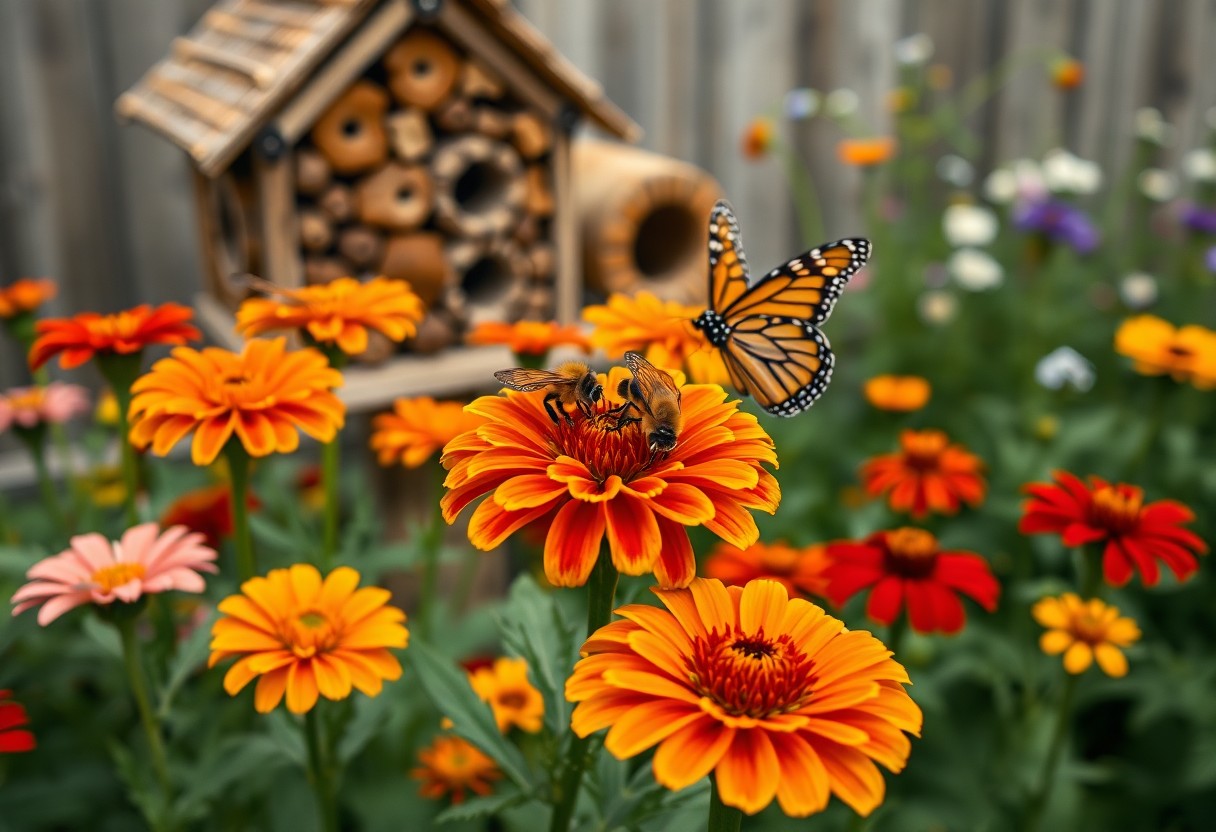
Providing shelter and nesting areas is key to attracting pollinators. You can create diverse habitats by incorporating native plants, brush piles, and insect hotels. These spaces offer not just refuge but also a safe environment for pollinators to reproduce. For example, leaving bare soil patches can attract ground-nesting bees, while hollow stems or wood blocks with drilled holes cater to solitary bees. Consider installing structures like bee hotels made from natural materials, which can significantly enhance nesting opportunities.
Garden Maintenance Tips
Regular maintenance is crucial to keep your garden thriving and attractive to pollinators. Focus on these key tasks to maintain a healthy environment:
- Water plants adequately, especially during dry spells.
- Remove weeds that compete for nutrients.
- Mulch around plants to retain moisture and suppress weeds.
- Deadhead flowers to encourage further blooming.
The consistent upkeep of your garden will create a welcoming haven for these vital creatures.
Pesticide Alternatives
Opt for natural pest control methods, utilising beneficial insects such as ladybirds and lacewings to manage pest populations. Introducing companion planting can also deter harmful pests while promoting biodiversity. Herbs like basil and nasturtiums not only repel pests but also enhance the visual appeal of your garden. Enhance your pest management strategy with organic solutions like neem oil or insecticidal soap, which are less harmful to pollinators.
Seasonal Care for Pollinator-Friendly Plants
Seasonal adjustments to your care routine can significantly benefit pollinator-friendly plants. In spring, focus on planting a diverse array of species that bloom at different times to provide continuous food sources. During summer, ensure consistent watering and monitor for pest activity. In autumn, leave seed heads intact for birds and pollinators, and in winter, consider protecting perennial roots with mulch while avoiding unnecessary pruning.
In spring, you should plan for staggered blooms by selecting hardy plants such as crocuses and snowdrops that emerge early, providing crucial sustenance for emerging pollinators. As summer approaches, integrate a variety of nectar-rich flowers like lavender and echinacea, ensuring to maintain moisture levels. As autumn sets in, allow native grasses and flowering plants to remain standing, offering shelter for bumblebees preparing for hibernation. This proactive approach across seasons will create a supportive ecosystem for pollinators all year round.
Timing and Seasonal Considerations
Understanding the timing of your garden’s activities is crucial for attracting pollinators. Planting flowers at appropriate times ensures that blooms coincide with the active periods of pollinators. By synchronising blooming with local climate patterns, you create a vibrant landscape that appeals to bees, butterflies, and other vital species throughout the growing season.
Flowering Times of Plants
You should select plants that flower at different times across the seasons, providing a continuous source of nectar and pollen. For instance, early blooms like crocuses and snowdrops can feed pollinators emerging from hibernation, while late-season flowers such as asters and sedums sustain them as winter approaches. This staggered blooming supports diverse pollinator species.
Year-Round Support for Pollinators
To effectively support pollinators throughout the year, plant a range of species that provide sustenance in every season. Implementing strategies such as maintaining winter habitats and diverse flower types ensures that your garden remains welcoming for these crucial creatures, no matter the time of year.
Year-round support for pollinators goes beyond planting. Consider including native plants that are inherently adapted to your region’s climate and are more likely to thrive while attracting local pollinators. Providing shelter, such as insect hotels or brush piles, during the colder months will help protect overwintering species. Additionally, leave some perennial plants standing during winter, as their seeds can provide food for birds and other wildlife, further enriching your garden’s ecosystem.
Engaging the Community
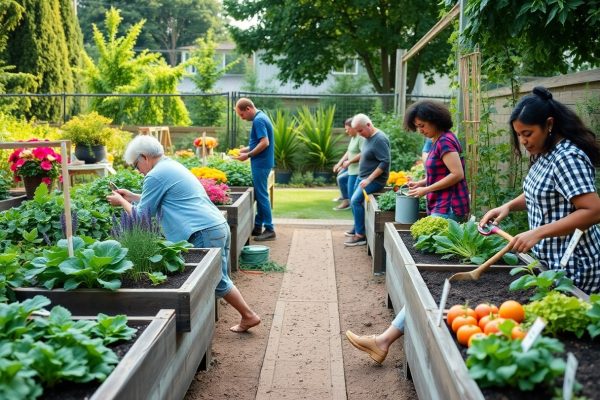
Building a community around pollinator conservation can significantly enhance your gardening efforts and foster a shared sense of responsibility towards the environment. By involving neighbours and local groups, you can create a network that promotes sustainable gardening practices, increases resource sharing, and raises awareness about the importance of pollinators. Engaging the community not only amplifies the impact of your individual garden but also encourages collaboration for broader ecological initiatives that benefit everyone.
Educating Others on Pollinator Conservation
Sharing your knowledge about the vital role that pollinators play in our ecosystems is important for promoting conservation efforts. You can organise workshops or informal gatherings to discuss effective strategies, such as creating diverse plant habitats and reducing pesticide use. Providing resources, such as pamphlets or online guides, will empower others to implement similar changes in their gardens, thus creating a collective effort towards sustaining pollinator populations. Your enthusiasm and insights can inspire others to join the cause.
Participating in Local Pollinator Initiatives
Joining local pollinator initiatives is an excellent way to amplify your impact on conservation efforts. Many communities have organisations dedicated to restoring pollinator habitats, organising clean-up days, or conducting educational events. By collaborating with these groups, you can gain access to valuable resources, receive support for your projects, and engage with like-minded individuals who share your passion for protecting pollinators.
Participating in local initiatives, such as community gardens or pollinator pathways, allows you to directly enhance habitats for pollinators in your area. Many municipalities offer grant programmes for community projects aimed at improving ecological health. These initiatives often provide opportunities for volunteers to get involved in planting days or educational outreach. Engaging with these programmes not only helps pollinators but also strengthens community bonds, as you work alongside your neighbours to create a healthier environment for all. Consider exploring local conservation groups or attending meetings to discover how you can contribute effectively.
Conclusion
Following this guide, you can effectively attract pollinators to your garden, promoting a vibrant ecosystem. By planting native flowering plants, providing diverse habitats, and reducing pesticide use, you create a welcoming environment for bees, butterflies, and other beneficial insects. Your efforts not only enhance the beauty of your garden but also contribute to imperative pollination processes, ensuring a flourishing and sustainable landscape for years to come.
You may also like