How to Design an Edible Landscape for Small Spaces
Many urban dwellers face the challenge of limited outdoor space but still desire to grow their own food. Designing an edible landscape in small areas can transform your garden into a productive and beautiful environment. By selecting the right plants and employing clever design techniques, you can maximise your yield while enhancing the aesthetic appeal of your surroundings. This guide will provide you with practical tips on how to effectively incorporate edibles into your landscape, ensuring that you make the most of your space and enjoy fresh produce at your fingertips.
Key Takeaways:
- Choose a variety of plants that are both edible and suitable for small spaces, such as herbs, salad greens, and dwarf fruit trees.
- Utilise vertical gardening techniques, including hanging planters and wall-mounted systems, to maximise growing space.
- Incorporate companion planting to enhance growth, deter pests, and create a sustainable ecosystem.
Understanding Edible Landscapes
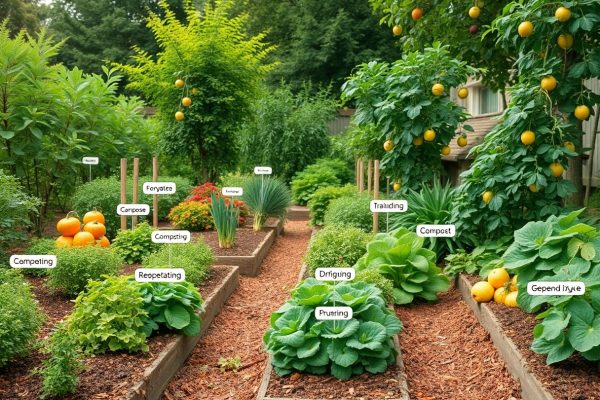
Edible landscapes integrate food-producing plants into aesthetically pleasing environments, blending functionality with beauty. These spaces allow you to cultivate a variety of fruits, vegetables, and herbs while enhancing your outdoor area. With careful planning, your garden can thrive even in small spaces, providing fresh produce and a unique visual appeal. Such designs often include a mix of perennial and annual plants, creating a self-sustaining ecosystem that supports local wildlife.
Benefits of Edible Landscaping
Implementing edible landscaping offers numerous advantages, including improved access to fresh, organic produce and reduced grocery costs. Additionally, it fosters biodiversity and promotes environmentally friendly practices by minimising chemical use in your garden. Edible landscapes also enhance your outdoor aesthetic, transform underutilised spaces, and provide educational opportunities about sustainable living for you and your community.
Key Components of an Edible Landscape
Essential components of an edible landscape encompass plant selection, layout design, and soil health management. Incorporating a variety of plants—such as fruit trees, berry bushes, and perennial vegetables—ensures diversity and year-round production. Strategic placement maximises sunlight exposure and optimises growth while using raised beds or containers can enhance soil quality and drainage.
When deciding on plants, consider your regional climate and soil type, as these play significant roles in the success of your edible landscape. Look for companion plants that can enhance growth and deter pests naturally. Effective layout design should prioritise accessibility for maintenance and harvesting. Raised beds, vertical gardens, and container gardening can all contribute to maximising limited space while improving soil conditions. Regular soil amendments, like compost, will boost nutrient levels, ensuring robust plant health and abundant yields.
Analyzing Small Spaces
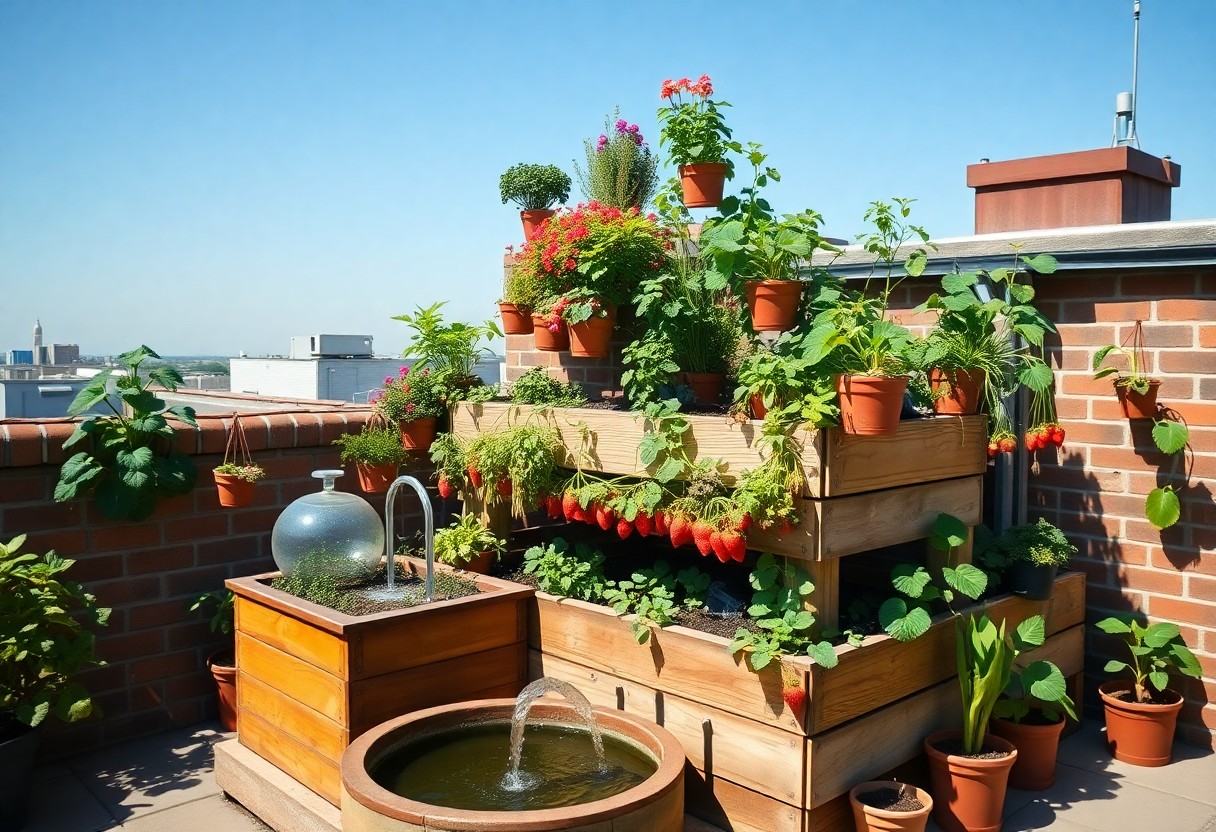
When you assess your available area, consider the dimensions, light exposure, and soil quality. Small spaces can be transformed into productive gardens with thoughtful planning. Identify microclimates and observe where sunlight falls throughout the day. Even if your outdoor space is limited, it can be optimised for growing edibles. For more insights on maximising space effectively, check out Foodscaping | How to Create an Edible Landscape.
Factors to Consider in Limited Areas
In confined gardens, several elements influence your layout and plant choices. You should evaluate:
- Sunlight duration and intensity
- Wind exposure
- Soil conditions and drainage
- Accessibility for maintenance
Any adjustments made based on these factors will improve your overall success in edible gardening.
Maximising Vertical Space
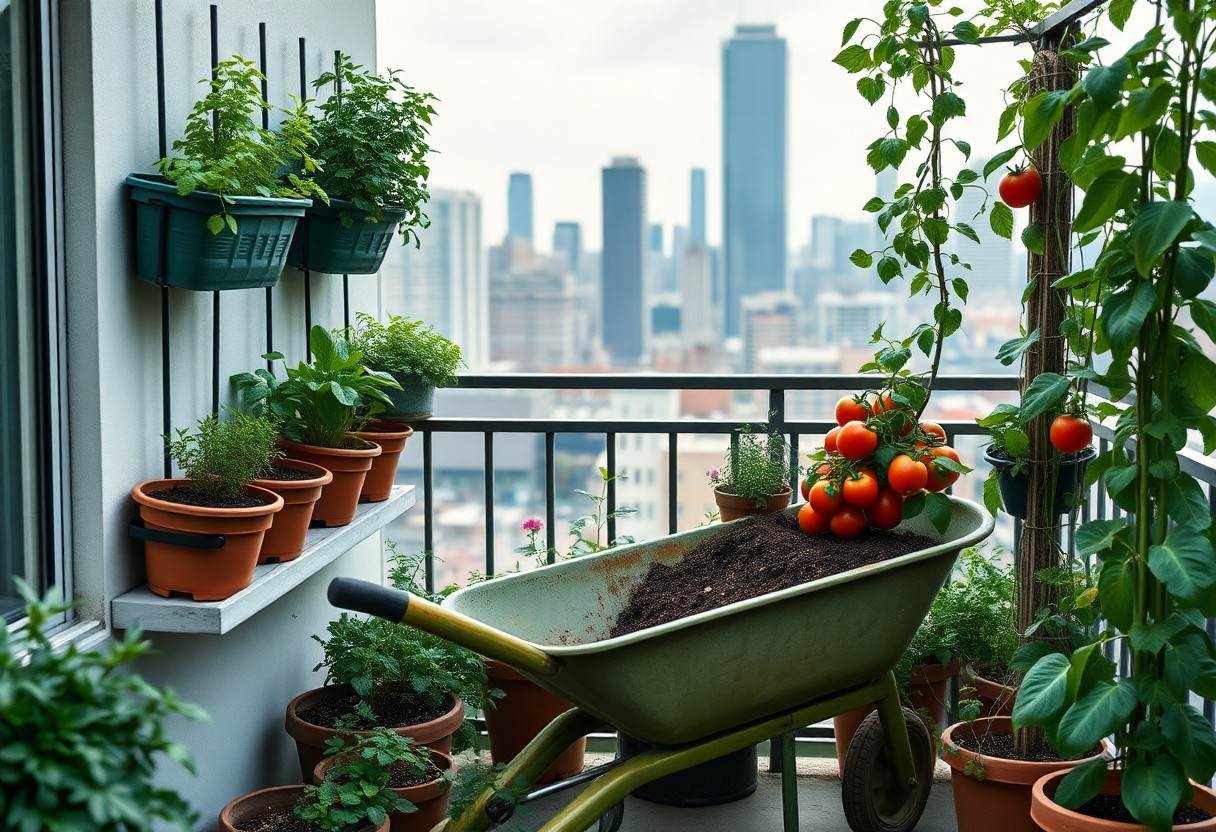
Utilising vertical space is an effective strategy for expanding your edible garden. Consider installing trellises, wall planters, or stacked containers to elevate your plants. Climbing varieties, such as peas or beans, lend themselves well to vertical growth, helping to save ground area while increasing yield. You could also explore hanging baskets for herbs and strawberries, optimising space while creating an attractive display.
Add these vertical features to your design: a vertical garden can yield more harvest per square foot than traditional beds. Use various structures to accommodate different plant heights, ensuring they receive adequate light. Smart placement of these elements can also enhance airflow, reduce disease risks, and create a multi-layered aesthetic. Additionally, incorporating features like repurposed pallets or ladder planters can offer distinct character to your space while maximising gardening potential.
Choosing the Right Plants
Selecting the appropriate plants is vital for maximising productivity and aesthetic appeal in your edible landscape. Consider your climate, the amount of sunlight your space receives, and the types of edible plants that flourish in your region. For professional insights, refer to How to Design Your Edible Landscape Like a Professional.
Tips for Selecting Edible Plants
When choosing edible plants for your garden, you should focus on varieties that suit your lifestyle and cooking preferences. Opt for compact or dwarf varieties to save space while ensuring year-round harvests.
- Choose fast-growing plants for quicker yields.
- Incorporate perennials for sustainable growth.
- Mix herbs and vegetables for versatility.
After selecting your plants, assess their compatibility with your existing garden layout.
Companion Planting for Success
Companion planting helps improve plant health and maximise yield by strategically grouping beneficial plants. By pairing certain species, you can deter pests, enhance growth, and improve flavours. For instance, planting basil near tomatoes can boost their flavour and repel insects.
Effective companion planting involves understanding which plants thrive together and which do not. For example, marigolds can deter nematodes, making them ideal near root crops like carrots. Likewise, legumes enrich soil nitrogen levels, benefiting heavy feeders like corn and squash. Incorporating these techniques can significantly enhance the productivity and resilience of your edible landscape.
Designing Your Layout
Begin by mapping your available space, considering sunlight, soil quality, and existing structures. Establish functional zones, such as a vegetable area, herb garden, and perhaps a seating space. Utilise vertical gardening techniques, like trellises or wall planters, to maximise limited ground space and create a layered landscape. Plan for seasonal changes; ensure that your design allows for succession planting to maintain productivity throughout the year.
How to Create a Functional Design
To achieve a functional design, identify your needs and the types of produce you want to grow. Consider plant height and growth habits, ensuring taller plants are placed at the back or centre, while sprawling varieties can occupy lower areas. Incorporate pathways for easy access and maintenance, and ensure your layout facilitates efficient watering and harvesting, making your gardening efforts more sustainable and manageable.
Incorporating Aesthetics with Practicality
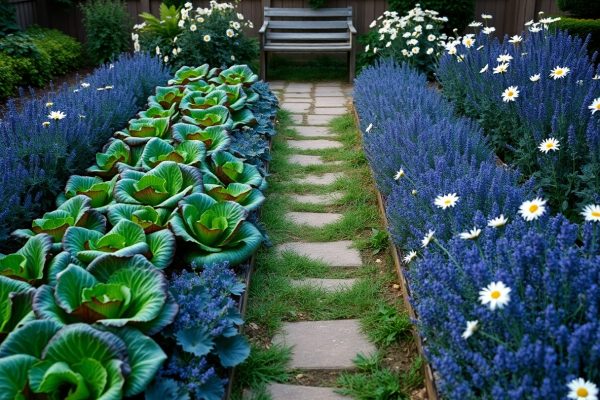
Blend visual appeal with functionality by selecting plants that offer both beauty and utility. Combine vibrant flowers with edible varieties, creating a visually engaging landscape that simultaneously serves your culinary needs. Use colourful containers, striking foliage, and fragrant herbs to create layers of interest, ensuring that every element of your garden is both attractive and productive.
Enhancing aesthetics while maintaining practicality can transform your garden into a welcoming retreat. For example, consider incorporating flowering herbs like lavender and summer savoury or edible perennials, such as rhubarb, which provide visual delight alongside harvestable produce. Use decorative stones or mulch to define pathways while adding texture and colour. This approach not only optimises space but also encourages biodiversity, attracting beneficial insects and pollinators to your garden. By choosing visually appealing, edible plants, you’ll create a dynamic landscape that nourishes both the eye and the palate.
Maintaining Your Edible Landscape
To ensure your edible landscape thrives, consistent maintenance is key. Regularly check for pests, weeds, and diseases while providing adequate water and nutrients. Pruning and harvesting at the right time not only promotes growth but also enhances productivity. Staying attentive will lead to a bountiful yield from your compact space.
Essential Care Tips
Essential care requires a few straightforward practices that can significantly impact plant health. Ensure you:
- Water deeply but infrequently to encourage root growth.
- Monitor the soil for nutrient levels, adding organic compost as needed.
- Rotate your crops yearly to prevent soil depletion.
Knowing these simple steps can dramatically improve your garden’s resilience.
Sustainable Practices for Longevity
Adopting sustainable practices not only enhances the health of your edible landscape but also minimizes environmental impact. Incorporate companion planting to naturally repel pests, while utilising rainwater collection systems to conserve resources. You might also consider mulching to retain moisture and suppress weeds. Sustainable methods foster a balanced ecosystem in your garden.
Implementing practices such as composting can turn kitchen scraps into valuable soil amendments, reducing waste and nurturing your plants effectively. By choosing native plants, you can encourage local wildlife and enhance biodiversity. Research shows that gardens employing these techniques not only yield healthier crops but also contribute positively to the surrounding environment, promoting a flourishing edible landscape for years to come.
Troubleshooting Common Issues
When cultivating an edible landscape in a limited area, you may encounter various challenges. Identifying these issues promptly can help you maintain a healthy garden. Common problems often involve pest infestations, disease outbreaks, and nutrient deficiencies. Regular observation and informed interventions will ensure sustainability and productivity in your space.
Identifying Pests and Diseases
Monitoring your plants closely is crucial for spotting signs of pests and diseases. Look for wilting leaves, discolouration, or the presence of insects. For example, aphids may cluster on new growth, while powdery mildew appears as a white coating on leaves. Keeping a detailed journal of your plant’s health can aid in recognising repeating patterns over time.
Solutions for Common Challenges
Addressing issues in your edible landscape involves a blend of preventive measures and targeted interventions. Implement crop rotation to minimise pest outbreaks and use companion planting to deter unwanted species naturally. Applying organic pesticides or creating homemade remedies, like garlic spray, can effectively manage infestations while safeguarding beneficial insects.
For specific challenges, nurturing a diverse plant community within your small space can drastically improve resilience against pests and diseases. For instance, mixing herbs like basil with tomatoes can deter pests while enhancing flavour. Regularly enriching your soil with compost will minimise nutrient deficiencies, allowing plants to thrive and reducing vulnerability to diseases. Consider planting disease-resistant varieties and routinely inspecting plants for early signs of trouble, ensuring your edible landscape remains vibrant and productive.
Conclusion
Upon reflecting, designing an edible landscape for small spaces requires thoughtful planning and creativity. You should select a combination of vertical and container gardening techniques to maximise your area while ensuring a variety of plants to meet your culinary needs. Incorporate elements such as herbs, fruits, and vegetables, which not only provide sustenance but also enhance the aesthetic appeal of your environment. By considering factors such as sunlight, soil quality, and plant compatibility, you can create a productive and beautiful edible landscape tailored to your unique outdoor space.
You may also like