Container Gardening for Beginners – Getting Started
Gardening in containers offers an accessible and rewarding way to grow plants, even in limited spaces. Whether you have a small balcony, patio, or just a windowsill, you can create your own green oasis with the right knowledge and approach. This guide will help you understand the vitals of container gardening, from selecting the right containers to picking suitable plants, ensuring you can nurture your garden successfully from the start.
Key Takeaways:
- Choose the right containers that provide adequate drainage and size for your plants.
- Select appropriate soil and fertilisers tailored for container gardening to ensure healthy plant growth.
- Consider the sunlight requirements and position your containers accordingly for optimal growth.
Understanding Container Gardening
Container gardening allows you to cultivate a wide variety of plants in versatile environments, enabling gardeners of all skill levels to thrive. With the right techniques, you can manage factors like drainage, light, and soil quality effectively, leading to successful growth regardless of space limitations.
Benefits of Container Gardening
Container gardening provides numerous advantages, including improved control over soil conditions, the ability to move plants according to sunlight needs, and less risk of soil-borne pests. It’s also an excellent way to urban gardening, allowing you to maximise small spaces and even grow vegetables and herbs on balconies or patios.
Types of Containers
The choice of container is vital, as it directly influences plant health. Options range from traditional ceramic pots to modern self-watering models. Consider the materials, size, and drainage options when selecting containers for your plants. Popular choices include terracotta, plastic, and metal, each offering unique benefits and aesthetics.
| Container Type | Features |
| Terracotta Pots | Highly porous, promoting air circulation |
| Plastic Containers | Lightweight, durable, and available in various sizes |
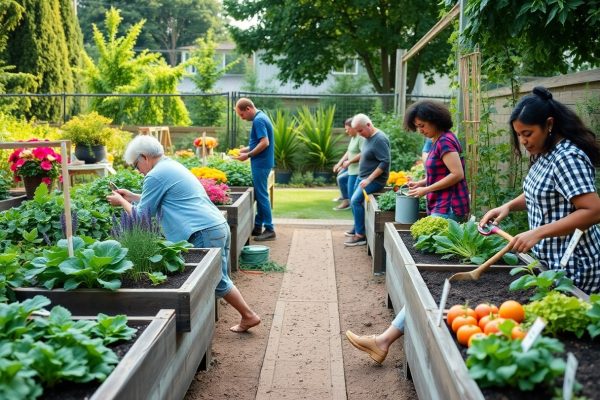
| Raised Beds | Great for larger plants, offers excellent drainage |
| Hanging Baskets | Ideal for trailing plants and saving ground space |
| Self-watering Pots | Reduces the frequency of watering, ideal for busy gardeners |
- Any container can be adapted for your needs, provided it has adequate drainage.
Your selection of containers will impact plant growth significantly. The ideal container should allow for adequate drainage and be large enough to accommodate root systems as they develop. Always consider the environmental factors in your chosen location; for example, darker materials may absorb heat, potentially affecting your plants. Also, ensure that your container’s size aligns with the plants you wish to grow, as this can help prevent issues like root binding.
| Size | Suitable Plants |
| Small (up to 20 cm) | Herbs, succulents |
| Medium (20-30 cm) | Vegetables like radishes, salad greens |
| Large (30-50 cm) | Tomatoes, peppers, small shrubs |
| Extra-large (over 50 cm) | Small trees, larger veggies |
| Vertical Planters | Maximise space with climbing plants |
- Any size can accommodate a variety of plants suited to your gardening aspirations.
Choosing the Right Plants
Selecting the right plants is vital for a successful container garden. Consider your climate, light availability, and available space. You can find inspiration and guidance for your container gardening journey by exploring resources like No yard? No problem. Grow a thriving container garden. Research which plants thrive in containers to ensure a bountiful display.
Best Plants for Beginners
Start with hardy, easy-to-grow plants such as herbs, salad greens, and flowering annuals. Basil, parsley, and mint are excellent herbs that thrive in containers and are useful in kitchen cooking. Additionally, varieties like pansies and marigolds offer colour and require minimal care, making them perfect for beginners.
Seasonal Planting Considerations
Timing is vital when choosing plants for your container garden. Seasonal changes influence plant growth and care, so plan accordingly. Certain plants flourish in spring, while others prefer the warmth of summer or the cooler temperatures of autumn. Aligning your planting with these seasonal rhythms can maximise growth and yield.
For spring, opt for cool-weather crops like lettuce and radishes, which can withstand the chilly nights, while summer welcomes heat-loving varieties such as tomatoes and peppers. In autumn, you might consider planting overwintering flowers or hardy vegetables that can survive frost. Understanding the local climate and seasonal patterns will help you select the best plants that will thrive in your containers.
Soil and Fertilisation
Your choice of soil significantly impacts container gardening success. A high-quality potting mix ensures proper drainage and aeration, promoting healthy root development. Look for soils that retain moisture while allowing excess water to escape, preventing root rot. Additionally, consider blends tailored for specific plants, such as cacti or orchids, for optimal results.
Selecting the Right Soil Mix
Selecting the right soil mix is imperative for thriving container gardens. Opt for a lightweight and well-aerated potting mix, as this provides the necessary drainage and moisture retention required for potted plants. You can also enhance standard mixes with organic materials like compost or perlite, tailored to your plants’ needs for better growth and health.
Fertiliser Options for Container Plants
Fertilisers play a key role in nutrient supply for your container plants. Liquid fertilisers, slow-release granules, and organic options are all viable choices. Applying fertiliser every four to six weeks during the growing season ensures your plants have access to the imperative nutrients they need to flourish.
When choosing fertiliser, consider the specific nutritional requirements of your plants; for instance, flowering plants benefit from a high phosphorus content, while leafy greens thrive with more nitrogen. Liquid fertilisers are quick to absorb, offering immediate results, whereas slow-release options provide a steady stream of nutrition over time. Be cautious not to over-fertilise, as this can lead to salt build-up and damage your plants. Regular testing of soil nutrients can guide your fertilisation routine effectively.
Watering and Maintenance
Effective watering and maintenance are key to thriving container gardens. Regular checks for moisture levels are necessary, as containers dry out faster than garden beds. Keep an eye on your plants, adjusting watering frequency based on the season and the specific needs of each species.
Proper Watering Techniques
Water your containers deeply but infrequently to encourage strong root development. Check the top inch of the soil; if it feels dry, it’s time to water. Aim for consistency, applying water until it drains from the bottom, ensuring thorough saturation without waterlogging.
Common Pests and Diseases
Pests and diseases can undermine your container garden’s health. Watch for common culprits such as aphids, spider mites, and fungal issues. Prompt identification and action can save your plants from significant damage.
Inspect foliage regularly for signs of infestation or disease, including yellowing leaves or unusual spots. Implementing organic solutions like neem oil or introducing beneficial insects can help manage pests. Diseases such as root rot can be mitigated by ensuring proper drainage, while overcrowding may increase disease susceptibility. Rotate crops annually and maintain cleanliness to reduce the risk of outbreaks.

Sunlight and Location
Your plants’ health depends heavily on their access to sunlight and the location you choose for your containers. Most vegetables and flowering plants thrive with at least six hours of direct sunlight daily. Observe your garden throughout the day to identify areas where sunlight is best, ensuring that your plants receive the light they need to flourish.
Assessing Sunlight Needs
Each plant has specific sunlight requirements, so it’s vital to assess these before placement. For instance, while succulents and herbs often thrive in full sun, leafy greens may tolerate partial shade. Use a sunlight meter or a simple observation method to track how many hours different areas of your garden receive sun exposure.
Ideal Locations for Your Containers
Choosing the right location for your containers can enhance plant growth significantly. Look for areas that are sheltered from strong winds and provide adequate drainage. South-facing patios or balconies typically gather the most sunlight, making them ideal spots for sun-loving plants. Conversely, if you’re growing shade-tolerant species, areas beneath larger trees or on the northern side of your home can be perfect.
Locations such as a sunny balcony or a sheltered patio are excellent for container gardening. Ensure that your chosen spot is level to prevent water pooling and provides sufficient airflow around your plants. Avoid placing containers too close to walls, where reflected heat might dry them out. Regularly monitor the sun patterns throughout the season, as these can change, affecting the growth of your plants. Choose wisely, and your plants will thrive in their new environment.
Advanced Container Gardening Tips
Taking your container gardening to the next level involves exploring techniques that enhance growth and maximise space. Consider implementing methods that boost your garden’s efficiency and productivity.
- Layered planting for increased yield
- Use self-watering containers for consistent moisture
- Integrate drip irrigation systems for efficiency
- Utilise companion planting for pest control
- Experiment with different container materials
| Tip | Description |
|---|---|
| Layered Planting | Plant taller species at the back and shorter ones at the front for visual interest and access to light. |
| Self-Watering Containers | These containers supply water directly to the roots, reducing maintenance and ensuring healthy growth. |
| Drip Irrigation | Delivers water directly to the soil, conserving water and promoting healthier plants. |
| Companion Planting | Planting specific plants together to enhance growth and deter pests, benefiting overall yield. |
| Container Materials | Experimenting with various materials can lead to better insulation and aesthetic appeal. |
Vertical Gardening Techniques
Vertical gardening maximises space, making it ideal for smaller gardens or patios. By using trellises, wall planters, or hanging pots, you can grow plants upwards, allowing for increased airflow and sunlight exposure. This method also adds visual interest while optimising your available area.
Companion Planting Strategies
Companion planting involves pairing plants that benefit each other when grown together. This method can enhance growth, deter pests, and make more efficient use of nutrients and space in your containers. For instance, planting basil alongside tomatoes not only improves their flavour but also repels certain insects.
Companion planting strategies can effectively boost your container garden’s health and productivity. For example, marigolds can deter pests and attract beneficial insects, while legumes enhance soil fertility by fixing nitrogen. This synergistic approach enables you to create a more resilient garden ecosystem, ultimately leading to better yields and healthier plants.
Conclusion
Hence, by embracing container gardening, you can transform your outdoor space into a flourishing green area, regardless of its size. Start by selecting the right containers, potting mix, and plants that suit your climate and preferences. As you tend to your garden, you will develop a deeper understanding of plant care and gardening techniques, empowering you to create a thriving environment. With practice, your confidence will grow, allowing you to experiment with various plants and designs, making container gardening a rewarding endeavour.
FAQ
Q: What is container gardening?
A: Container gardening involves growing plants in pots or other containers instead of traditional garden beds. It allows for flexibility in plant placement and is ideal for small spaces.
Q: What types of containers can I use for gardening?
A: You can use a variety of containers including pots, buckets, window boxes, and even recycled materials. Ensure they have drainage holes to prevent waterlogging.
Q: What soil should I use for container gardening?
A: Use a high-quality potting mix designed for containers. This soil retains moisture and provides necessary nutrients for container plants.
Q: How often should I water my container plants?
A: Container plants generally require more frequent watering than those in the ground. Check the soil daily and water when the top inch feels dry.
Q: What plants are best for beginners in container gardening?
A: Beginners should consider easy-to-grow plants such as herbs (basil, parsley), salad greens, tomatoes, and certain flowers like marigolds and petunias.
You may also like