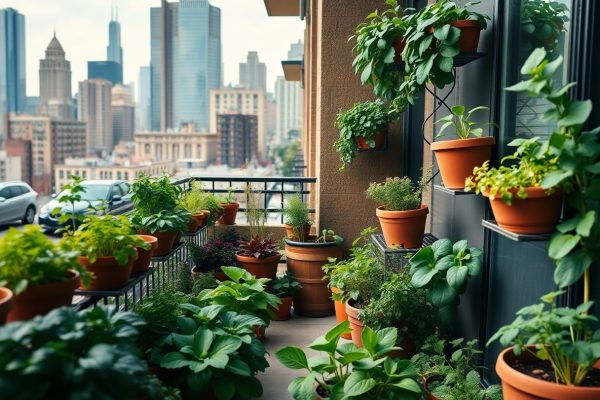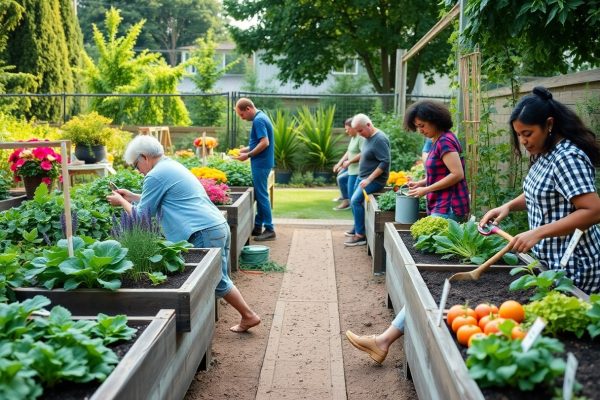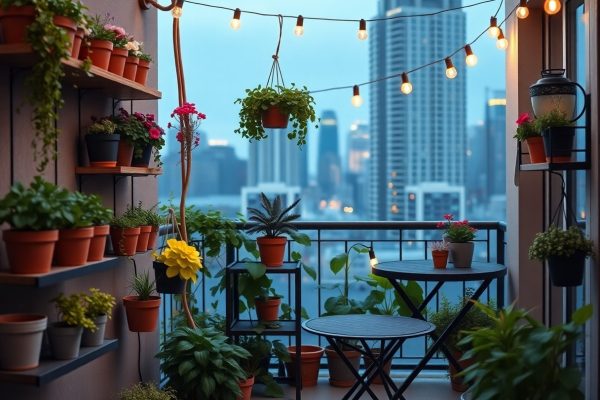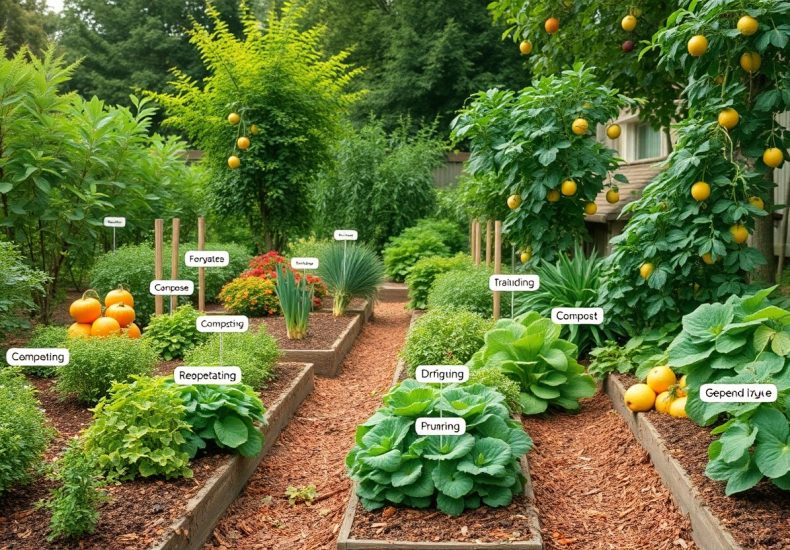
Maintaining an Edible Landscape – Care Tips for Long-Term Success
Most gardeners aspire to create a landscape that is not only beautiful but also productive. To ensure your edible landscape thrives over the long term, you must adopt several care practices that enhance growth and sustainability. From soil management to pest control, these tips will empower you to cultivate a landscape that provides nourishment year after year. For additional insights, explore Edible Landscaping: A Low-Cost, High-Impact Strategy for ….
Key Takeaways:
- Regularly assess soil health and nutrient levels to ensure optimal plant growth.
- Implement a diverse planting strategy to promote ecological balance and resilience.
- Utilise organic pest control methods to maintain a sustainable and healthy landscape.
Understanding Edible Landscapes
Edible landscapes blend aesthetics with functionality, creating beautiful spaces that provide food. By incorporating fruits, vegetables, herbs, and flowers, you transform your garden into a delightful, sustainable environment. These landscapes not only contribute to biodiversity but also enhance your home’s appeal, making them both practical and visually stunning.
Definition and Benefits
An edible landscape is a gardening approach where food-producing plants are intermingled with ornamental ones. This design promotes sustainability, reduces food miles, and enhances the environment. Benefits include access to fresh produce, reduced grocery costs, and the joy of gardening, all contributing to a harmonious living space.
Types of Edible Plants
Your choice of edible plants can vary widely, encompassing a range of categories. Common types include fruits, vegetables, herbs, nuts, and edible flowers. Each category brings unique flavours and textures to your garden, allowing you to cultivate a diverse palette of produce throughout the seasons.
| Type | Examples |
|---|---|
| Fruits | Apples, Strawberries, Blueberries, Raspberries |
| Vegetables | Tomatoes, Carrots, Spinach, Peppers |
| Herbs | Basil, Mint, Thyme, Parsley |
| Nuts | Walnuts, Hazelnuts, Almonds, Chestnuts |
| Edible Flowers | Nasturtiums, Calendula, Pansies, Borage |
When opting for types of edible plants, consider your climate, space, and culinary preferences. You can maximise your garden’s yield by mixing annuals and perennials. For example, combining perennial herbs with seasonal vegetables ensures a constant supply of fresh ingredients. Furthermore, choosing native plants can enhance resilience and reduce maintenance. Knowing the right plants for your garden will lead you to a thriving edible landscape.
- Diversity enhances resilience against pests and diseases.
- Plan for different harvest times to enjoy fresh produce year-round.
- Consider companion planting for improved growth and flavour.
- Incorporate layers in your landscape for efficient use of space.
- Knowing your local ecosystem can optimize plant selection and care.
| Ordinary Growth Factor | Importance |
|---|---|
| Soil Quality | Vital for nutrient availability |
| Sunlight | Direct light promotes growth and fruiting |
| Watering Practices | Essential for plant health and yield |
| Plant Spacing | Prevents overcrowding, allows airflow |
| Seasonal Timing | Aligns planting with local climate patterns |
Focusing on plant selection and care ensures a fruitful and beautiful garden. You can create a flourishing edible landscape with varied plants, enabling continuous harvests throughout the seasons. Prioritising biodiversity will not only benefit your garden but also attract pollinators and beneficial insects, enhancing your ecosystem. Knowing the requirements for each plant type will help you cultivate a successful edible landscape.
- Rotate crops to maintain soil nutrients over time.
- Use organic mulch for moisture retention and weed suppression.
- Incorporate compost for enhanced soil structure.
- Regularly monitor plants for signs of pests or disease.
- Knowing your garden’s microclimates aids in effective planning.
Soil Health and Preparation
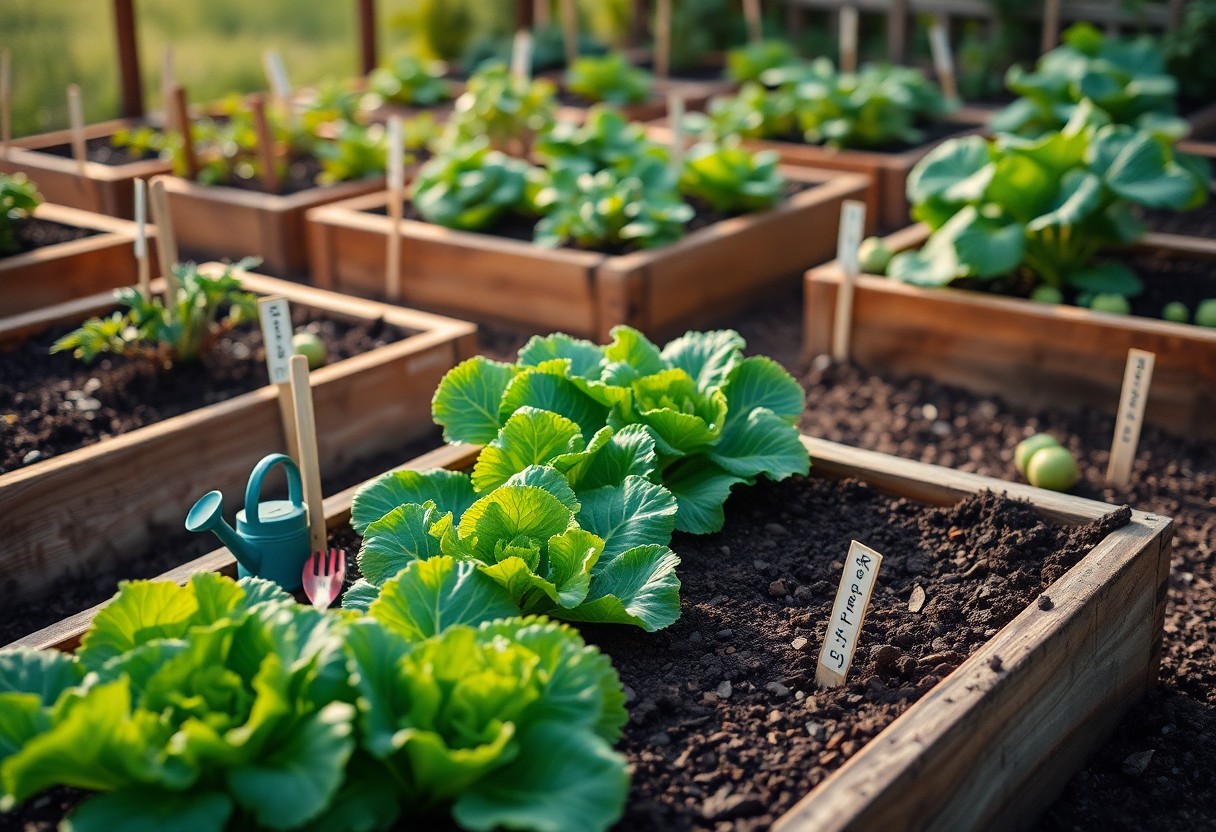
Your soil’s health is the foundation for a thriving edible landscape. To cultivate robust plants, it’s necessary to prepare your soil by enhancing its structure, fertility, and microbial diversity. Start by assessing your soil’s current condition through testing and targeted amendments, ensuring it is well-drained and rich in the necessary nutrients that support healthy growth long-term.
Soil Testing
<p Soil testing is a practical step to understand your soil's composition and nutrient levels. By using a standard soil test kit, you can identify pH levels and nutrient deficiencies, guiding your amendments effectively. Testing should ideally be conducted every few years to keep track of changes and adjust your gardening strategies accordingly, ensuring optimal conditions for your plants.
Amendments and Fertilization
<p To enhance soil fertility, consider incorporating organic amendments such as compost, well-rotted manure, or green manure crops. These materials not only improve nutrient content but also enhance soil structure and water retention. Regular application of balanced fertilisers throughout the growing season will support ongoing plant health and productivity, adapting to the specific needs of your garden.
<p Organic amendments stand out for their long-term benefits, such as improving soil biodiversity and creating a balanced ecosystem. For instance, adding compost can provide necessary nutrients while improving soil aeration and drainage, which is beneficial for root development. When using fertilisers, opt for slow-release options that provide a steady nutrient supply. The timing of application is also key; fertilising in the early spring aligns with the plants' growing cycles, maximising nutrient uptake and boosting overall plant health. Regularly monitoring plant responses will further refine your approach, ensuring a productive landscape cultivated over the seasons.
Water Management
Effective water management is vital for sustaining an edible landscape. Your plants require adequate hydration, not just for growth but also for producing quality yields. Understanding the specific water needs of different species and implementing strategies to ensure consistent moisture can profoundly impact your garden’s productivity and health. You can optimise water usage through techniques geared towards maintaining soil health, reducing evaporation, and capturing rainfall, leading to a resilient and thriving garden.
Irrigation Techniques
In the matter of irrigation, consider methods such as drip irrigation or soaker hoses, as they deliver water directly to the roots, reducing waste and ensuring efficiency. You might also explore moisture sensors to monitor soil conditions, adjusting your watering schedule accordingly. An understanding of your landscape’s microclimates may help you target different areas with tailored irrigation approaches, ultimately leading to healthier plants and improved yields.
Rainwater Harvesting
Collecting rainwater not only conserves a precious resource but also provides your garden with naturally soft water, free from the chemicals often found in tap water. Installing a rain barrel can be a simple yet effective way to capture rainfall from your rooftops, helping you water your garden even during dry spells, thus enhancing the sustainability of your edible landscape.
Rainwater harvesting can significantly reduce your reliance on municipal water supplies while also lowering your water bills. By using barrels with a spigot for easy access or incorporating more sophisticated systems like underground cisterns, you can capture large volumes of rainwater. A well-designed system could yield hundreds of litres during a single rainfall, making it a valuable asset in maintaining your landscape. Additionally, ensure that any collected water is properly filtered to prevent debris build-up, thereby safeguarding your plants from possible contamination.
Pest and Disease Control
Effective pest and disease control is necessary for the longevity of your edible landscape. By recognising potential threats early and adopting proactive measures, you can protect your plants without compromising the health of your ecosystem. A balanced approach that combines observation, prevention, and treatment will safeguard your garden and ensure its productivity over time.
Integrated Pest Management
Integrated Pest Management (IPM) involves a multi-faceted strategy to control pests while minimising the use of harmful chemicals. By monitoring your plants regularly and employing a combination of biological, cultural, and mechanical controls, you can reduce pest populations effectively. This method prioritises natural solutions such as encouraging beneficial insects and adjusting plant placement to create a resilient environment.
Organic Solutions
Organic solutions provide effective pest and disease management without the use of synthetic chemicals. Employing options like neem oil, insecticidal soaps, and companion planting can deter pests and promote plant health. These strategies build an ecosystem that supports beneficial organisms, enhancing your garden’s natural balance and ensuring a sustainable approach to pest control.
One effective organic solution is the use of neem oil, derived from the seeds of the neem tree, which disrupts the life cycle of pests while being safe for beneficial insects. Similarly, planting companion crops can create a welcoming environment for pollinators and predatory insects that naturally manage pest populations. Keeping your garden diverse not only adds aesthetic value but also strengthens its resilience against pests and diseases, leading to healthier plants and better yields.
Seasonal Care
Seasonal care is vital for your edible landscape, ensuring that your plants thrive all year round. Monitor the changing weather, adjusting your watering and feeding schedule accordingly. Embrace companion planting; certain plants benefit each other and can enhance growth and flavour. For comprehensive guidance on optimising your edible landscape, check out Plan An Edible Landscape To Grow Even More Food.
Pruning and Harvesting
Effective pruning and harvesting are vital for encouraging growth and maximising yield. Regularly snip dead or overgrown branches, allowing better air circulation and light penetration. Harvest fruits and vegetables at their peak maturity for the best flavour and nutritional value, ensuring you enjoy the fruits of your labour while encouraging further production.
Crop Rotation
Implementing crop rotation helps maintain soil health and reduces pest infestations. By alternating plant families in your garden each season, you prevent soil depletion and disrupt the lifecycle of pests specific to certain plants.
Crop rotation not only fosters nutrient-rich soil but also diversifies the ecosystem within your edible landscape. For instance, following legumes, which fix nitrogen in the soil, with leafy greens can enhance growth and minimise the need for synthetic fertilisers. Consider a simple rotation plan: tomatoes followed by brassicas, then legumes, and finally root vegetables. This method not only bolsters soil health but also optimises your overall harvest, leading to a more sustainable and productive garden.
Companion Planting Strategies
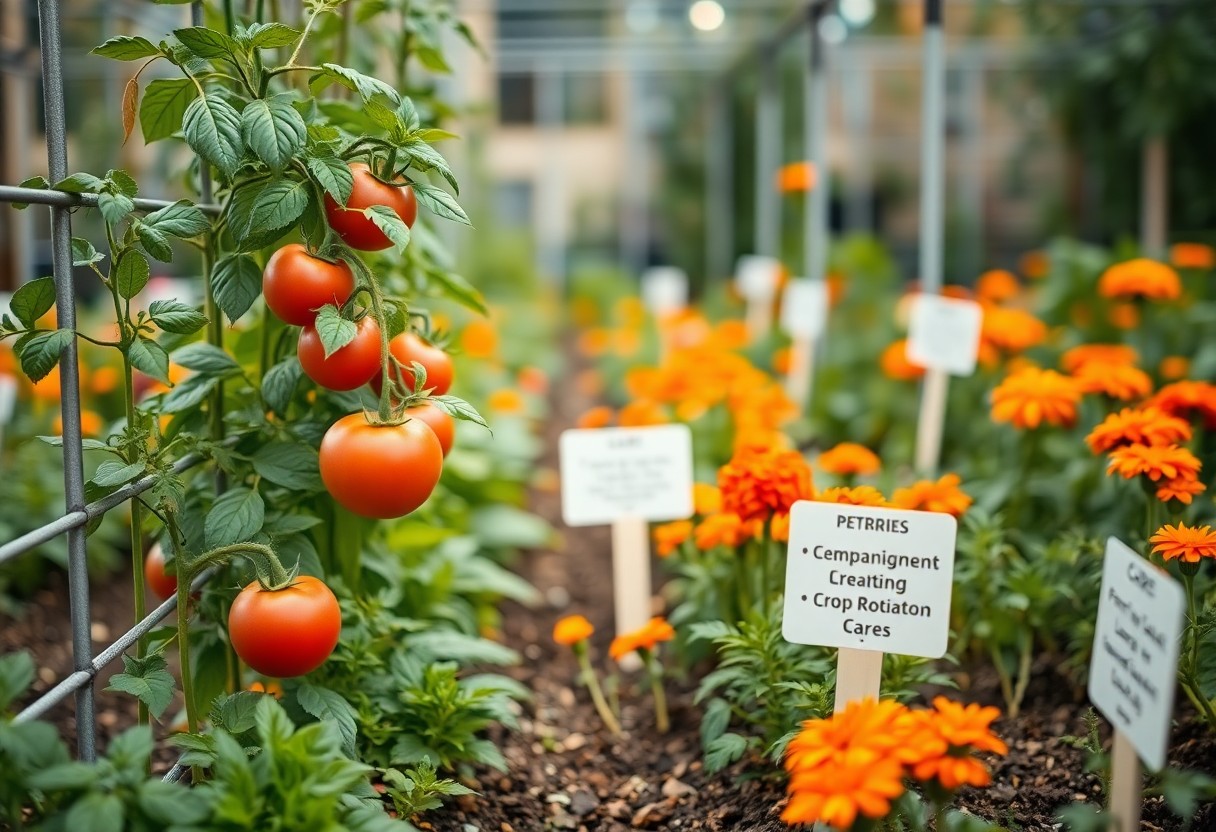
Utilising companion planting strategies can significantly enhance the health and productivity of your edible landscape. By pairing compatible plants, you can naturally repel pests, attract beneficial insects, and optimise growth conditions. Selecting the right combinations will not only improve yields but also create a more resilient ecosystem within your garden.
Beneficial Plant Pairings
Certain plant pairings can lead to remarkable benefits. For instance, marigolds are known to deter nematodes and other pests, making them an ideal companion for tomatoes. Similarly, planting basil alongside your tomato plants can enhance their flavour and improve growth. By strategically combining these plants, you can create a thriving garden environment.
Enhancing Biodiversity
Diversity in your garden promotes a balanced ecosystem. By incorporating a variety of plants, you foster beneficial relationships among them, which can lead to more robust growth and disease resistance. This diversification attracts a broader range of insects, birds, and other organisms that contribute to pollination and pest control.
Increasing biodiversity not only benefits your garden’s health but also contributes to local ecosystems. For example, planting native flowers alongside your edible crops can attract pollinators such as bees and butterflies, crucial for increasing yields. Furthermore, a mixture of plants can help curb pest outbreaks by ensuring that no single species dominates the area, thus maintaining a natural balance. Generating diverse habitats, including varied heights and root structures, nurtures soil health and enhances resilience against environmental stresses, ultimately leading to a flourishing, sustainable landscape.
To wrap up
On the whole, maintaining an edible landscape requires consistent attention and knowledge of your plants’ needs. You should regularly assess soil health, provide adequate water, and manage pests effectively to ensure your garden thrives. Incorporating seasonal planting and diversification will enhance biodiversity while yielding a variety of produce. By following these care tips and being proactive in your approach, you can enjoy a fruitful and sustainable edible landscape for years to come.
You may also like