Creating a Wildlife-Friendly Backyard
Many homeowners desire to transform their gardens into havens for local wildlife. By making simple adjustments, you can create an inviting space that supports biodiversity. Your actions, such as planting native species, providing water sources, and reducing chemical use, can significantly benefit birds, insects, and small mammals. In this guide, you will discover practical tips to encourage wildlife to thrive in your outdoor environment, fostering a deeper connection with nature.
Key Takeaways:
- Incorporate native plants to provide food and habitat for local wildlife.
- Create diverse habitats such as ponds, flower beds, and wild areas to attract various species.
- Avoid pesticides and chemical fertilisers to maintain a safe environment for all creatures.

Understanding Local Wildlife
To effectively encourage wildlife in your backyard, it’s vital to comprehend the species that inhabit your area. Knowledge of local fauna can guide your choices regarding planting and habitat creation, ensuring that you attract the right wildlife. Consider factors such as climate, local flora, and the presence of common animal species, which will all inform how you manage and enhance your garden space.
Identifying Native Species
Understanding which species are native to your region is vital for creating a successful wildlife-friendly environment. Native plants often provide the best resources for local fauna, including food and shelter. You can consult local horticultural societies or online databases to discover which species are naturally adapted to your area.
Assessing Habitat Needs
Evaluating the habitat needs of local wildlife allows you to create spaces that cater to their requirements. Different species thrive in various environments, whether it’s wetland areas for amphibians or shrubs for nesting birds. Take a moment to analyse the existing landscape and consider how you can enhance or diversify it to make it more inviting.
Consider the specific needs of various animal species in your area when assessing habitat requirements. For instance, birds may need dense shrubs for nesting, while bees often favour flowering plants that bloom at different times throughout the year. Water sources, such as bird baths or small ponds, can serve multiple species—encouraging both insects and birds. By tailoring your garden to meet these distinct needs, you promote a thriving ecosystem where a variety of creatures can flourish. Your careful planning can significantly increase biodiversity, allowing you to enjoy and observe the wildlife in your backyard.
Designing a Wildlife-Friendly Landscape
Creating a wildlife-friendly landscape requires thoughtful planning to foster a diverse ecosystem in your backyard. You should consider integrating a variety of habitats, such as ponds, flower beds, and native plants, to attract and support local wildlife. Engaging in community discussions can also provide valuable insights; you can explore ideas on How would you start encouraging more wildlife to my….
Plant Selection
Selecting the right plants is fundamental to fostering wildlife. Choose a mix of native flora that provides food and shelter, such as berry-bearing bushes, nectar-rich flowers, and native grasses. These plants are adapted to your local environment and will thrive, offering food sources for birds, bees, and other pollinators throughout the seasons.
Creating Natural Shelter
Natural shelters are imperative for providing safe spaces where wildlife can nest, breed, and take refuge from predators. You can create these spaces by incorporating features such as dense shrubbery, log piles, and rockeries. These structures not only benefit animals but also enrich the visual landscape of your garden.
For optimal result, consider creating a variety of shelter types. Dense hedgerows can offer protection and nesting sites for smaller birds, while log piles are excellent for insects and small mammals. Additionally, installing birdhouses and bat boxes can encourage these creatures to take up residence in your garden. By ensuring that your backyard includes multiple layers and types of cover, you’ll provide a supportive environment that encourages diverse species to flourish.

Providing Food Sources
To attract and sustain the diverse wildlife in your backyard, you need to offer ample food sources. Planting a variety of flowering plants, trees, and shrubs will ensure there are seasonal blooms, fruits, and seeds available throughout the year. Incorporating native plants is particularly beneficial as they cater to the specific needs of local wildlife. For more detailed guidance, visit Create & Certify Habitats.
Native Plant Benefits
Native plants are well-adapted to the local climate and soil conditions, making them easier to maintain. They provide vital food and shelter for various species, from pollinators like bees and butterflies to larger animals such as birds and mammals. By fostering native biodiversity, you create a more resilient ecosystem in your backyard.
Supplementary Feeding Options
In addition to native plants, consider setting up feeders to attract birds and other wildlife. Seed and nut feeders can attract a variety of avian species, while nectar feeders are ideal for hummingbirds. Ensure that feeding stations are regularly cleaned and filled to encourage consistent visits.
Supplementary feeding options can enhance the diversity of wildlife you attract. Use high-quality birdseed mixes to appeal to a range of birds, providing different feeding styles, such as platform feeders for ground feeders and tube feeders for finches. Moreover, offering seasonal treats like suet in winter can support energy needs during cold months, while fruit can entice various species in warmer seasons. Always place feeders in safe locations, away from predators, to ensure the well-being of visiting wildlife.
Water Features for Wildlife
Water is an vital resource in creating a wildlife-friendly backyard, acting as a vital attractant for various species. Incorporating features such as birdbaths or ponds provides necessary hydration, encourages bathing, and fosters a rich ecosystem. These elements not only support local fauna but can also enhance the aesthetic of your outdoor space, making it a vibrant hub for nature to thrive.
Birdbaths and Ponds
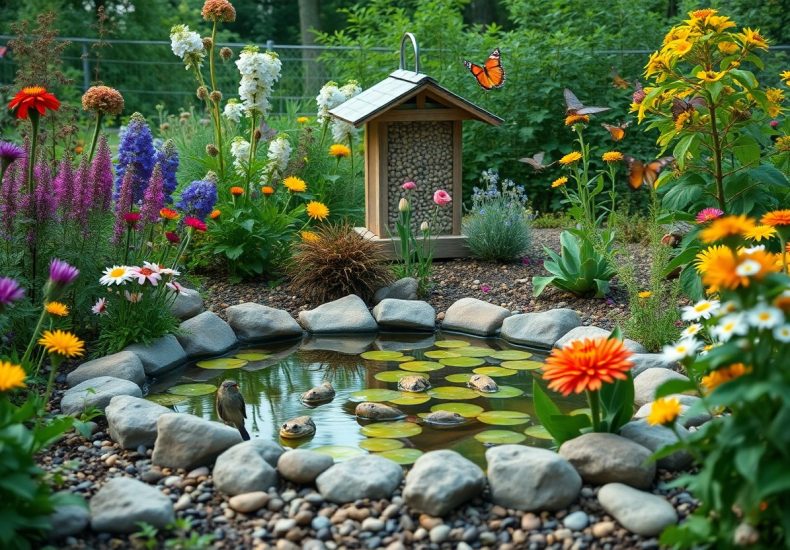
Birdbaths and ponds serve as inviting spots for birds and other wildlife, providing them with a reliable water source. A simple birdbath can attract diverse species, while a well-planted pond supports amphibians and insects as well. Ensure these features are shallow to allow easy access for smaller creatures, and consider adding aquatic plants for shelter and breeding grounds.
Maintaining Clean Water Sources
To keep wildlife safe and healthy, it’s important to maintain clean water sources by regularly changing the water in birdbaths and removing debris from ponds. Clean water not only prevents the spread of disease but also ensures that wildlife is attracted to your backyard consistently. Regular maintenance practices, such as rinsing birdbaths at least once a week and filtering pond water, will keep these habitats thriving.
Consistent maintenance of your water features requires vigilant attention. For birdbaths, replace the water every few days, especially in summer, to discourage algae growth and insect breeding. Using chlorine-free formulations for ponds can help eliminate harmful microbes while nurturing beneficial bacteria. Regularly monitor the water quality; a small test kit can help gauge pH and other parameters, ensuring a healthy ecosystem. Ultimately, a clean and well-maintained water source not only benefits the wildlife but adds to your garden’s overall allure.
Promoting Biodiversity
Promoting biodiversity in your backyard creates a balanced ecosystem that benefits both plants and wildlife. By introducing various species, you enhance food sources and habitats, making your garden a haven for different animals and insects. A rich tapestry of life not only boosts the aesthetic value of your garden but also contributes to environmental health. The more diverse your garden, the more resilient it becomes to pests and diseases, leading to a thriving outdoor space.
Companion Planting
Companion planting involves growing different plants close together to enhance growth and deter pests. By strategically placing plants that support each other, such as basil with tomatoes, you can improve yields and create a more vibrant ecosystem. This practice promotes cooperation among plants, reducing the need for chemical pesticides and fostering a healthier garden environment.
Encouraging Beneficial Insects
Encouraging beneficial insects, such as ladybirds, lacewings, and bees, can significantly improve biodiversity in your backyard. These insects play vital roles in pollination and pest control, hence fostering a more dynamic and self-sustaining ecosystem. By planting a variety of flowering plants, you provide the necessary resources for these insects, helping to create a balanced environment.
To attract beneficial insects effectively, select a range of plants that bloom at different times throughout the growing season. For instance, wildflowers such as yarrow and calendula offer nectar and pollen that draw in pollinators, while herbs like fennel and dill can attract predatory insects that manage pest populations. Establishing a designated ‘insect hotel’ or leaving some areas of your garden wild will provide shelter for these helpful creatures, fostering a thriving community that benefits your entire garden.
Managing Your Backyard Sustainably
After enhancing your garden’s biodiversity, the next step is to manage it sustainably. This involves implementing practices that reduce your environmental footprint while supporting wildlife. Focus on using resources wisely, conserving water, and fostering a healthy ecosystem that thrives without excessive intervention. By doing so, you create a more resilient backyard that benefits both you and the local wildlife.
Reducing Pesticide Use
Minimising pesticide use not only protects beneficial insects but also promotes a healthier environment. You can achieve this by employing integrated pest management techniques, such as encouraging natural predators like ladybirds and lacewings, or using companion planting to deter harmful pests. This approach not only safeguards local wildlife but also contributes to a more balanced ecosystem.
Composting and Organic Practices
Adopting composting and organic gardening practices enriches your soil and reduces waste. Composting kitchen scraps and garden debris transforms organic material into nutrient-rich compost, which improves soil health and supports plant growth naturally. Implementing these practices allows you to create a self-sustaining cycle of nutrients while promoting a wildlife-friendly environment in your backyard.
Utilising composting and organic methods not only nourishes your garden but also diminishes reliance on chemical fertilisers. Aim for a compost bin containing a mix of greens, like vegetable peels and grass clippings, and browns, such as dried leaves and cardboard. Over time, this mixture breaks down into rich compost that nourishes your plants. You can further enhance your organic practices by opting for natural pest deterrents, such as neem oil or insecticidal soap, which are less harmful to pollinators and other beneficial organisms. By prioritising these methods, you foster a thriving, eco-friendly backyard that supports your local wildlife population.
Conclusion
Ultimately, creating a wildlife-friendly backyard enriches both your garden and the local ecosystem. By incorporating native plants, providing clean water sources, and offering shelter, you can attract a diverse range of wildlife. Implementing these practices not only enhances the beauty of your outdoor space but also supports biodiversity. Your conscious efforts in fostering a welcoming environment for various species contribute significantly to their survival, ensuring enjoyable interactions with nature right at your doorstep.
FAQ
Q: How can I attract birds to my backyard?
A: To attract birds, provide a variety of feeders filled with seeds, suet, and nectar. Include native plants that produce berries and seeds, and offer water sources such as bird baths or ponds.
Q: What plants are best for creating a wildlife-friendly garden?
A: Native plants are ideal as they provide food and habitat for local wildlife. Consider including a mix of flowering plants, shrubs, and trees that bloom at different times to ensure a continuous food source.
Q: How can I encourage pollinators in my garden?
A: To encourage pollinators, plant a diverse range of flowering plants that offer nectar and pollen. Avoid pesticides, and include plants that bloom at various times throughout the year to support them all season long.
Q: What features should I add to make my backyard more appealing to wildlife?
A: Incorporate features such as water sources, brush piles, and nesting sites. Leave some areas of your garden wild, and provide different levels of vegetation to create shelter and food sources for diverse species.
Q: How can I reduce pests without harming wildlife?
A: Use organic methods such as introducing beneficial insects, companion planting, and natural repellents. Ensure that any products used are safe for non-target species to protect the local wildlife.
You may also like