Top 10 Flowers for Pollinator Gardens
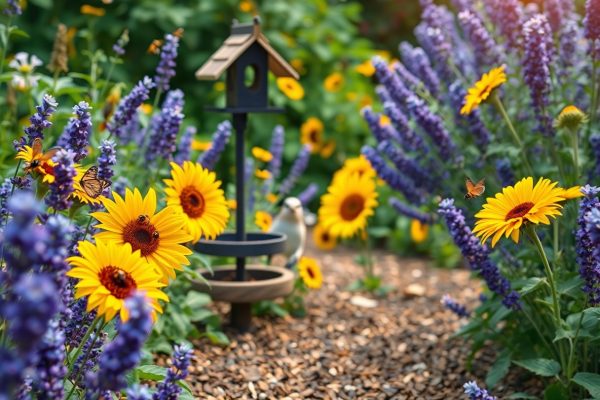
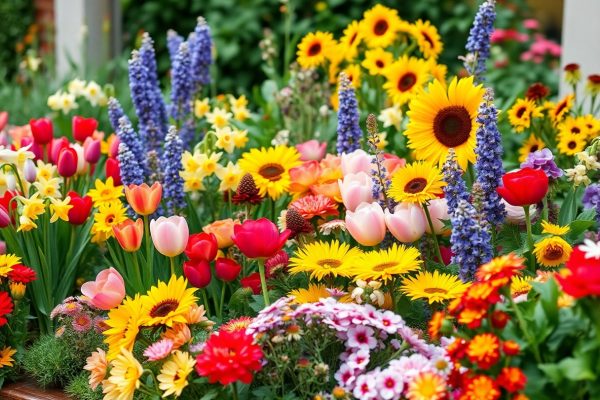
Most gardeners aspire to create vibrant spaces that support local wildlife, and incorporating the right flowers is key to attracting pollinators. In this list, you will discover the top ten flowers that not only enhance your garden’s beauty but also provide imperative nectar and pollen for bees, butterflies, and other beneficial insects. By choosing these plants, you can foster a lively ecosystem that thrives in your outdoor space, ensuring both your garden and its visitors flourish.
Key Takeaways:
- Pollinator gardens benefit from a diverse selection of flowers that attract various species of pollinators.
- Native plants are particularly effective as they are better adapted to local pollinators and ecosystems.
- Providing a continuous blooming season ensures that pollinators have a consistent food source throughout the year.
Coneflower
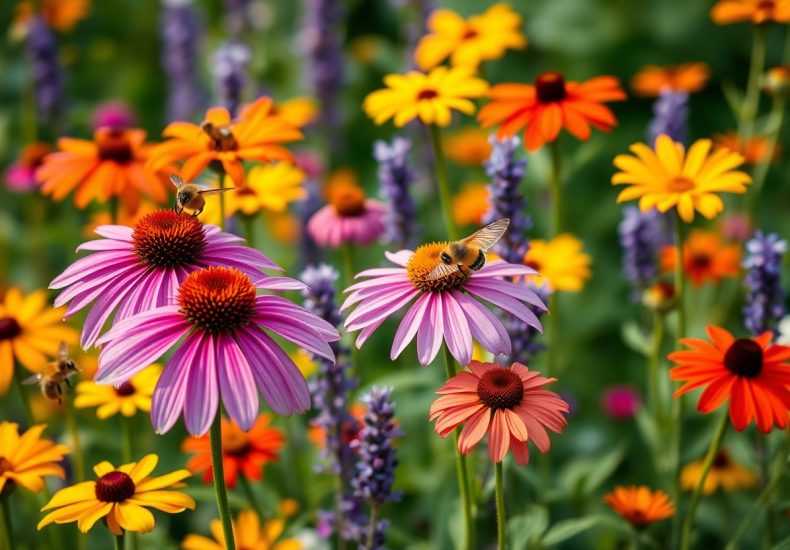
The coneflower, or Echinacea, is a vibrant addition to any pollinator garden, celebrated for its striking purple petals and prominent seed heads. These flowers bloom during the summer, providing a sustained food source for various pollinators, including bees and butterflies. Their hardy nature makes them an excellent choice for both novice and experienced gardeners looking to support local wildlife with minimal maintenance.
Attracts bees
Coneflowers are particularly effective at attracting bees, offering ample nectar and pollen throughout their blooming period. When you plant coneflowers in your garden, you’ll provide necessary resources for these important pollinators, enhancing biodiversity and supporting ecosystem health. Their vibrant colours and robust structure make them a favourite among various bee species.
Drought tolerant
One of the standout features of coneflowers is their drought tolerance. They thrive in well-drained soil and can withstand periods of dry weather, making them an ideal choice for gardens with varying moisture levels. By incorporating these resilient plants, you can cultivate a beautiful garden while conserving water resources.
Coneflowers adapt well to less frequent watering once established, which is especially beneficial in regions facing fluctuating rainfall. Their deep root systems enable them to access moisture reservoirs in the soil, allowing them to flourish even in challenging conditions. This drought-resilient quality not only simplifies your gardening routine but also ensures that your garden remains vibrant and attractive throughout the summer months.
Black-eyed Susan
The Black-eyed Susan (Rudbeckia hirta) is a vibrant addition to your pollinator garden, known for its striking appearance and ability to attract a variety of pollinators. With its cheerful yellow flowers centred around a dark, conical seed head, this hardy plant not only enhances your garden’s aesthetic but also supports crucial wildlife, including bees and butterflies, as they forage for nectar.
Bright yellow petals
The bright yellow petals of the Black-eyed Susan stand out beautifully in any garden setting, providing a stunning contrast against lush green foliage. These vivid blooms are particularly effective at drawing in pollinators, making your garden an inviting space for bees and butterflies to visit. Their cheerful colour adds brightness and positivity to your outdoor environment.
Long blooming season
Your Black-eyed Susans will reward you with a long blooming season, typically from mid-summer to early autumn. This extended period of flowering ensures a continuous food source for pollinators, making your garden a vibrant hub of activity during crucial months. The resilience of these plants allows them to thrive in various conditions, ensuring that your garden remains lively and colourful for an extended time.
During their long blooming season, Black-eyed Susans can produce flowers continuously for weeks. You’ll appreciate how they manage to bloom in waves, offering a consistent supply of nectar. Their ability to self-seed further means that you may enjoy these delightful blooms for years to come, enhancing the stability and attractiveness of your pollinator garden over time.
Lavender
Lavender is an outstanding addition to your pollinator garden, thanks to its vibrant purple blooms and aromatic scent. This hardy perennial thrives in sunny areas and well-drained soil, making it a popular choice among gardeners. By incorporating lavender into your landscape, you not only enhance its beauty but also provide a vital source of nectar for bees and other pollinators.
Fragrant aroma
The delightful fragrance of lavender is not only pleasing to your senses but also attracts various pollinators to your garden. As the scent wafts through the air, it signals to bees and butterflies that a rich source of nectar is nearby, enticing them to visit. This aromatic quality makes lavender a dual benefit in any garden – it enhances your outdoor space while supporting imperative wildlife.
Draws butterflies
Lavender is particularly effective at drawing butterflies, thanks to its vibrant colour and abundant nectar. The flowers bloom from late spring to early summer, providing a continuous food source for these beautiful insects. By planting lavender in your garden, you create an inviting habitat where butterflies can feed and thrive, enhancing both the ecological balance and visual appeal of your space.
When you plant lavender, you’re setting the stage for a butterfly haven. Their delicate wings and enchanting presence will brighten your garden as they flutter from flower to flower. The combination of nectar-rich blooms and a sunny disposition creates an ideal environment for these pollinators. For the best results, consider grouping lavender plants together, which maximises their impact and further attracts butterflies throughout the growing season.
Bee Balm
Bee Balm, also known as Monarda, is a vibrant addition to any pollinator garden. With its striking, tubular flowers ranging from red to purple, it attracts a variety of pollinators, including bees, butterflies, and hummingbirds. This hardy perennial thrives in moist, well-drained soil and can grow in full sun to partial shade, making it a versatile choice for your garden. Planting Bee Balm not only enhances the beauty of your garden but also supports vital pollinator populations.
Minty scent
The leaves of Bee Balm emit a delightful minty scent, adding both aromatic and culinary value to your garden. When you crush the leaves, you unveil a refreshing fragrance that can enrich your outdoor space. This unique aroma comes from their important oils and can naturally deter pests, making it an excellent companion plant for vegetables and herbs in your garden.
Hummingbird favourite
Bee Balm is a renowned favourite among hummingbirds due to its vibrant flowers and abundant nectar. The tubular shape of the blooms is perfectly designed for their long beaks, allowing easy access to the sugary nectar. By planting Bee Balm, you increase your chances of attracting these fascinating birds, bringing even more life and colour to your garden.
Milkweed
Milkweed is an necessary addition to any pollinator garden, providing nourishment for various insects and helping to sustain biodiversity. This vibrant plant attracts numerous pollinators and is particularly admired for its stunning flowers. With its ability to thrive in numerous conditions, milkweed creates a perfect haven for those seeking to attract beneficial wildlife. For more ideas on facilitating a pollinator-friendly environment, check out 14 Great Annuals for Pollinators.
Monarch butterfly host
You will find that milkweed is the primary host plant for Monarch butterflies, serving as a breeding ground for their larvae. The presence of milkweed in your garden not only attracts adult Monarchs looking for nectar but also provides a safe habitat for their eggs. Incorporating this plant into your garden supports the entire life cycle of these remarkable butterflies.
Native to many areas
Milkweed is native to numerous regions across North America, making it well-suited to a diverse range of environments. By incorporating milkweed into your garden, you are enhancing your local ecosystem and contributing to the preservation of native flora and fauna. This hardy plant thrives in various soil types and conditions, allowing you to create a pollinator-friendly space that flourishes in your specific climate and geographic area.
Aster
Asters are vibrant, hardy perennials that add colour to your garden while providing crucial nectar to pollinators. With their daisy-like blooms, they attract a variety of beneficial insects, making them a favourite choice for pollinator gardens. Their diverse species means you can select the perfect type for your landscape, ensuring you support local wildlife while enhancing your garden’s aesthetic appeal.
Late summer bloom
<p blooming late summer, Asters extend the flowering season, providing a vital food source for pollinators as other plants begin to fade. Their cheery blossoms appear in an array of colours, offering sustenance to bees and butterflies when food is scarce. By incorporating Asters into your garden, you ensure that your local pollinator population remains nourished and active even as summer transitions to autumn.
Supports various pollinators
Asters are particularly beneficial for various pollinators, attracting bees, butterflies, and moths alike. The structure of their flowers allows easy access for these insects, promoting effective pollination throughout your garden. By planting Asters, you not only enrich your landscape but also play a role in sustaining the diverse pollinator species that contribute to your local ecosystem.
By incorporating Asters into your garden, you create an inviting environment for numerous species, enhancing biodiversity. The different varieties of Asters cater to a range of pollinators with differing flower preferences, ensuring that your garden can support a vibrant pollinator community. Additionally, the extended blooming period of Asters helps mitigate the decline of pollinator populations by offering continued nourishment. This strategy contributes positively to both your garden’s health and the local ecosystem, making Asters an crucial component of any pollinator-friendly garden.
Zinnia
Zinnias are a favourite among gardeners for their striking appearance and ability to attract pollinators such as butterflies and bees. With a variety of species available, you can find the perfect zinnia to suit your garden, adding a splash of colour while supporting local ecosystems. Their blooms last all summer, making them a vibrant choice for your pollinator garden.
Colourful and Vibrant
Your garden will burst with colour when you plant zinnias, as they come in shades ranging from bright red and orange to soft pastels. These sun-loving flowers bloom profusely throughout the summer, providing abundant nectar for visiting pollinators. Their cheerful presence transforms any outdoor space into a lively sanctuary.
Easy to Grow
Zinnias are an ideal choice for beginners, as they are exceptionally easy to grow in various soil types and conditions. They thrive in full sun and require minimal care, making them suitable for any garden. With just a bit of water and sunlight, you can enjoy a flourishing display of this beloved flower.
You will find zinnias thrive with minimal effort on your part. They can tolerate poor soil but flourish in well-drained conditions, making them forgiving for novice gardeners. Direct seeding in spring or starting plants indoors will yield quick results, leading to a vibrant garden without the hassle. Regular deadheading encourages continuous blooming, ensuring your pollinator garden remains an inviting space for wildlife throughout the summer months.
Marigold
Marigolds are vibrant, hardy flowers that attract a multitude of pollinators to your garden. Their bright hues, ranging from orange to yellow, can elevate the aesthetics of your outdoor space while providing vital nectar for bees and butterflies. By incorporating marigolds, you not only enhance the beauty of your garden but also support the local ecosystem, making them an excellent choice for your pollinator garden.
Pest repellent
Marigolds have natural pest-repelling properties, making them valuable allies in your garden. The strong scent of marigolds deters common pests like aphids and nematodes, which can harm your plants. By planting marigolds alongside your vegetables and flowers, you can reduce the need for chemical pesticides, promoting a healthier garden environment.
Versatile garden flower
As a versatile garden flower, marigolds grow well in various conditions, thriving in both full sun and partial shade. Their resilience makes them an ideal choice for novice gardeners and seasoned horticulturists alike. You can plant them in borders, containers, or as companions to vegetables, enhancing both the visual appeal and ecological balance of your garden.
Marigolds, with their diverse colours and manageable growth habits, adapt well to different garden styles. You can choose to plant them as annuals or perennials, depending on your climate and preferences. Their ability to bloom throughout the season ensures continuous colour and interest, while their low-maintenance requirements make them perfect for any gardener seeking ease and beauty in their outdoor space.
Sunflower
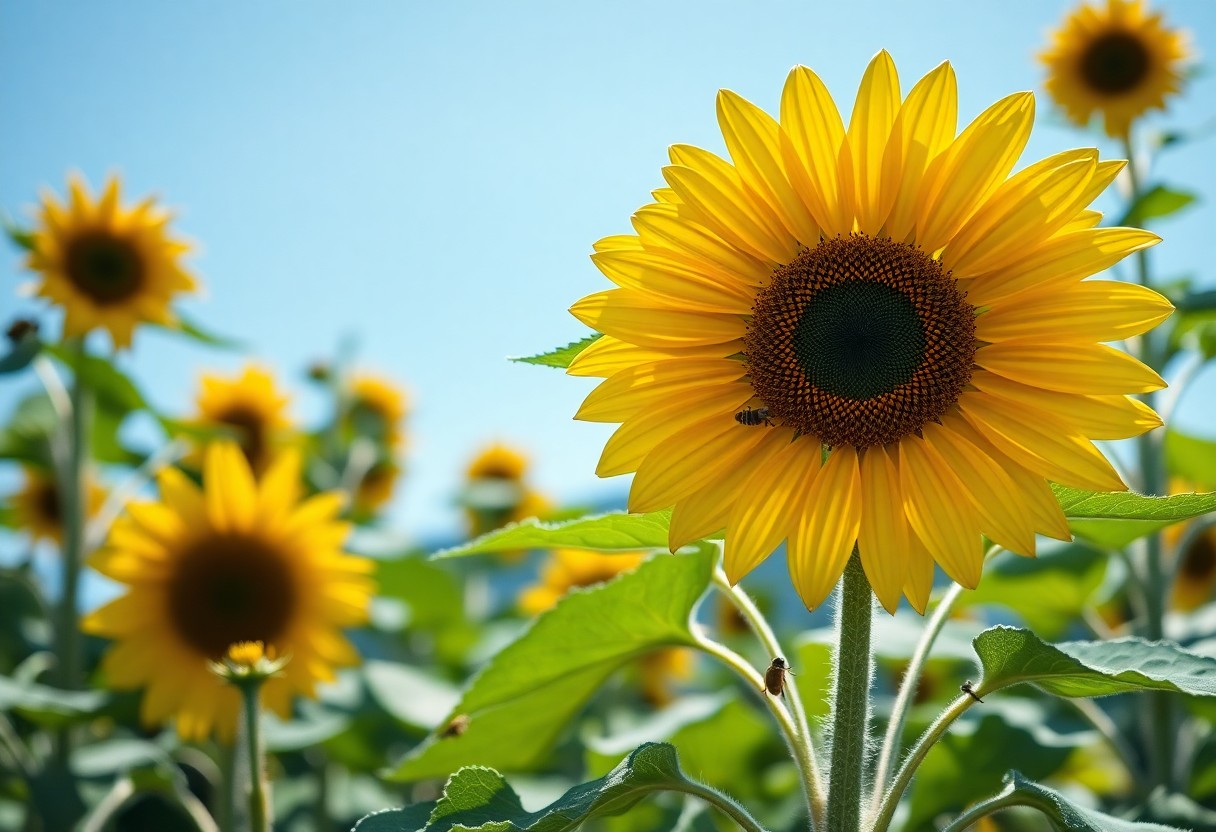
Sunflowers are a vibrant addition to any pollinator garden, renowned for their striking appearance and charm. Their large, radiant heads not only evoke joy but also offer abundant food for a variety of pollinators, making them a must-have for your outdoor space. These hardy flowers are easy to grow and thrive in sunny locations, ensuring they attract bees, butterflies, and other beneficial creatures all season long.
Tall and majestic
Towering above other plants, sunflowers can reach impressive heights, creating a dramatic focal point in your garden. Their sturdy stems support large blossoms that turn towards the sun, enhancing your garden’s aesthetic while drawing in a multitude of pollinators. This vertical growth not only adds dimension but also serves as a natural scaffold for climbing plants.
Rich in nectar
Sunflowers are particularly prized for their rich nectar, which serves as a vital food source for pollinators. You’ll find that bees, butterflies, and hummingbirds are especially attracted to these vibrant blooms, eager for a taste of their sweet offerings. The abundance of nectar ensures that these creatures frequent your garden, thereby promoting healthy ecosystems.
The nectar produced by sunflowers is not just plentiful; it contains important sugars that fuel the energy needs of pollinators. When you plant sunflowers in your garden, you enhance the biodiversity around you as they attract a range of beneficial insects. This increase in pollinator activity can significantly improve the productivity of neighbouring plants, creating a thriving, self-sustaining environment. By incorporating sunflowers into your pollinator garden, you contribute positively to the broader ecological balance while enjoying their beauty.
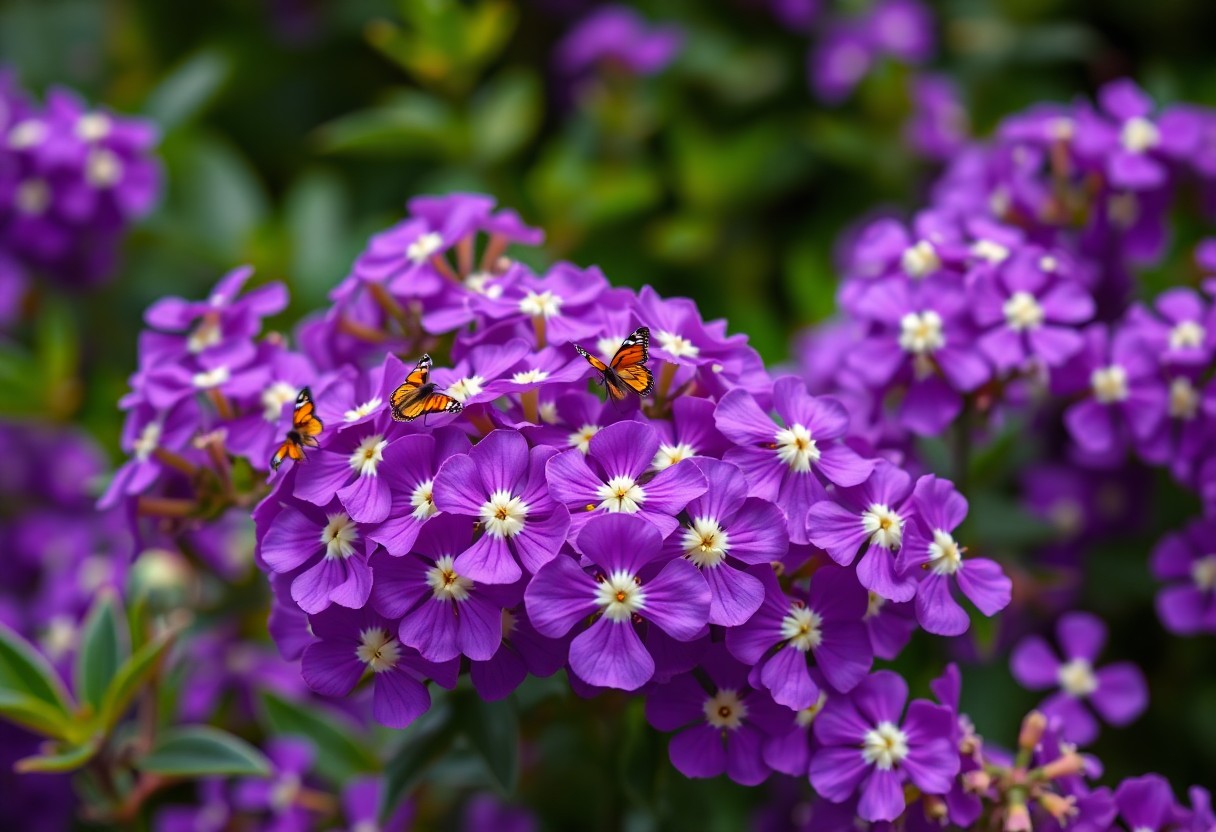
Phlox
Phlox is a vibrant addition to your pollinator garden, offering a stunning array of colours and fragrances that beckon various pollinators. This adaptable plant thrives in numerous conditions and provides nectar for butterflies, bees, and hummingbirds. For more information about choosing suitable plants, refer to the Pollinator-Friendly Native Plant Lists.
Wide Variety
You will find a wide variety of Phlox species, each varying in height, colour, and bloom time, which enables you to create a dynamic garden throughout the seasons. This diversity attracts a multitude of pollinators that contribute to a thriving ecosystem.
Attracts Moths
Phlox, particularly varieties that bloom in the evening, is known for attracting moths. The sweet aroma and open flowers create an ideal environment for these nocturnal pollinators.
By introducing evening-blooming Phlox to your garden, you invite moths like the sphinx moth, which are necessary for pollination. Their activity during the night helps diversify the pollinator presence in your garden. You enhance your garden’s ecological value and support nocturnal biodiversity by providing a reliable nectar source for these moths.
To wrap up
Ultimately, selecting the right flowers for your pollinator garden can significantly enhance biodiversity and support local ecosystems. By incorporating a variety of plants such as cone flowers, bee balm, and lavender, you can create a vibrant environment that attracts imperative pollinators like bees, butterflies, and hummingbirds. This not only benefits your garden’s health but also contributes to the broader ecological balance. Embrace the beauty and functionality of these top 10 flowers to ensure a thriving haven for wildlife in your garden.
FAQ
Q: What are the benefits of having a pollinator garden?
A: A pollinator garden supports biodiversity, provides vital habitats for bees, butterflies, and other pollinators, and enhances the overall health of the local ecosystem. Additionally, it can improve crop yields in nearby gardens and contribute to the well-being of wildlife.
Q: Which flowers are best for attracting bees?
A: Flowers such as Lavender, Sunflower, and Bee Balm are excellent for attracting bees. These plants offer a rich source of nectar and pollen, making them favourites among various bee species.
Q: How can I maintain a pollinator garden effectively?
A: To maintain a pollinator garden, ensure a mix of flowering plants that bloom at different times, avoid chemical pesticides, and provide sources of water. Regularly deadheading spent blooms encourages further flowering and keeps the garden healthy.
Q: Can I include non-native plants in my pollinator garden?
A: While native plants are recommended for supporting local pollinators, non-native plants can also be included. However, it’s important to choose non-invasive varieties that do not outcompete native plants or disrupt local ecosystems.
Q: What are some tips for creating a diverse pollinator garden?
A: To create a diverse pollinator garden, select a variety of plant species that offer different shapes, colours, and sizes of flowers. Incorporate plants that provide nectar and pollen throughout the growing season, and include host plants for caterpillars to support butterflies.
You may also like