Water Conservation Tips for Gardeners
Most gardeners understand the importance of water for plant health, yet conserving this precious resource can often be overlooked. In your quest to maintain a flourishing garden, implementing effective water conservation strategies not only helps the environment but also benefits your garden’s sustainability. By adopting simple techniques tailored to your specific gardening needs, you can enhance your gardening practices while ensuring that water is used efficiently. This post will explore practical tips that allow you to nurture your plants without wasting water.
Key Takeaways:
- Implement drip irrigation systems to minimise water wastage and ensure targeted hydration.
- Use mulch to retain soil moisture and reduce evaporation during hot weather.
- Select drought-resistant plants that require less water to thrive in your garden.
Understanding Water Needs of Plants
Assessing the water needs of your plants is vital for optimal growth. Different species have varying requirements based on factors like soil type, climate, and growth stage. Understanding your plants’ specific needs can lead to improved health and reduced water consumption. For practical Water Saving Tips, focus on consistency in watering schedules and the appropriate amounts based on observations.
Factors Influencing Water Requirements
Several factors dictate how much water your plants need. Soil texture, plant type, and environmental conditions all play a role. Consider the following:
- Soil drainage capability
- Plant species and growth stage
- Seasonal weather patterns
- Sunlight exposure
Any variation in these elements must be monitored to ensure proper hydration.
Identifying Drought-Resistant Plants
Choosing drought-resistant plants can significantly minimise water usage in your garden. Look for natives or cultivars known for their ability to thrive in low-water conditions. These plants typically have adaptations like deeper root systems and thicker leaves, allowing them to conserve moisture effectively. Incorporating them may reduce the overall need for irrigation.
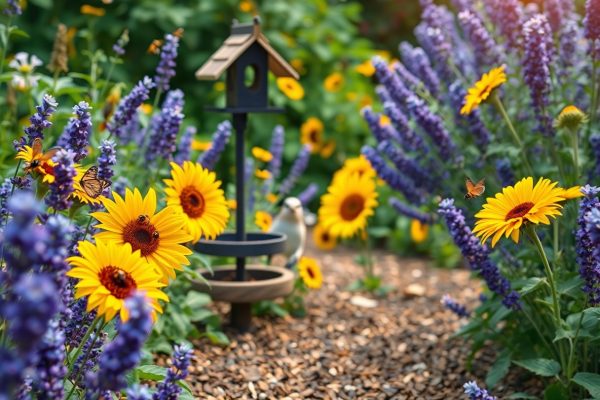
For example, plants such as lavender, echinacea, and succulents are renowned for their drought resistance. They not only withstand dry spells but also flourish with less maintenance. Cultivating a garden with these species can lead to a vibrant, sustainable landscape while reducing your reliance on water resources. Explore local nurseries for options suited to your region’s climate and soil. Prioritising these plants fosters an eco-friendly approach to gardening and encourages biodiversity.
Efficient Watering Techniques
Adopting efficient watering techniques is crucial for maximising water usage in your garden. Focus on methods that deliver water directly to the root zone, reducing evaporation and runoff. Techniques such as drip irrigation, timing your watering sessions, and using rainwater can significantly enhance water efficiency. By integrating these practices, you can cultivate a healthier garden while conserving this precious resource.
Drip Irrigation Systems
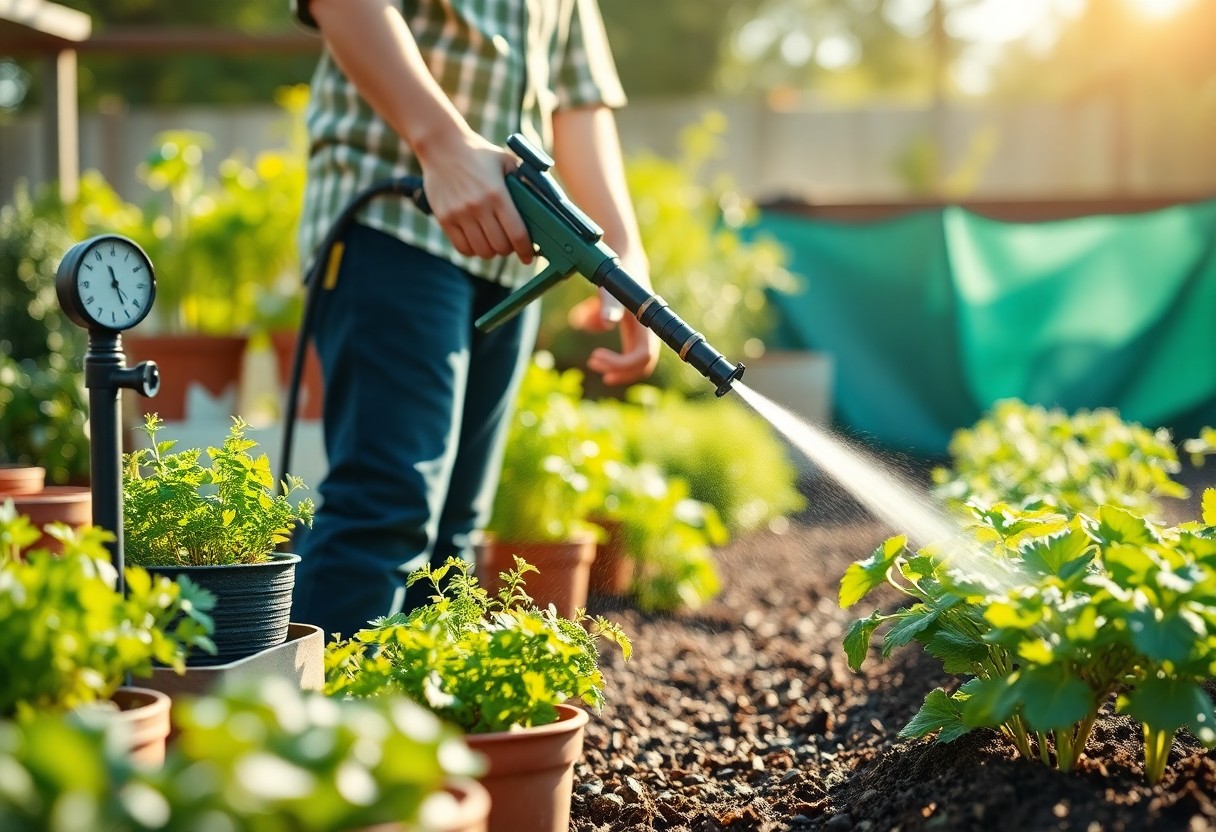
Drip irrigation systems provide a precise and efficient way to water your plants. By delivering water directly to the base of each plant, these systems minimise evaporation and ensure that moisture reaches the root zone where it is needed most. You can set up a simple system with tubing and emitters or invest in a more automated solution, both of which can greatly reduce overall water consumption.
Timing and Frequency of Watering
Proper timing and frequency of watering are key to optimising water usage in your garden. Water during the cooler parts of the day, such as early morning or late evening, to reduce evaporation losses. Adjusting the frequency based on weather conditions and your plants’ specific needs ensures you provide adequate moisture without overwatering, promoting healthier growth and conserving water.
Aim to water deeply yet infrequently to encourage deep root growth. Plants generally require about 25-30 millimetres of water per week, but this can vary with species and climate. Monitoring rainfall can help you adjust your schedule accordingly. Using a moisture meter can also provide insights into when your garden truly needs watering, allowing you to tailor your approach effectively and sustainably.
Soil Management for Water Retention
Effective soil management significantly enhances your garden’s ability to retain moisture, reducing the need for frequent watering. By improving soil structure, you can increase its capacity to hold water, which is necessary during dry spells. Techniques such as mulching, composting, and adding organic matter can greatly improve water retention in your soil, helping your plants thrive with less irrigation.
The Role of Mulching
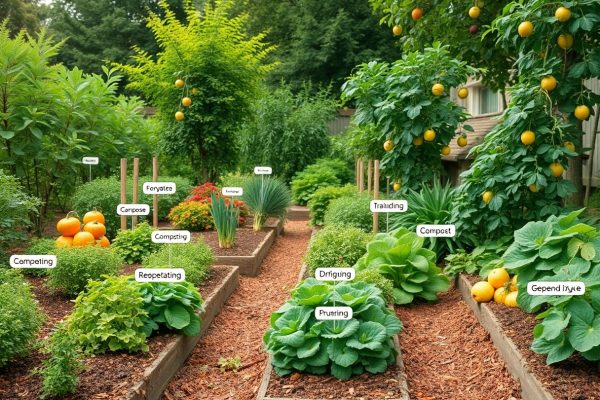
Applying a layer of mulch around your plants serves as a barrier, helping to keep the soil cool and moist. Organic materials, such as straw, wood chips, or shredded leaves, will decompose over time, enriching the soil while preventing evaporation. Aim for a 5-10 cm layer of mulch to maximise its benefits and suppress weed growth.
Composting for Improved Soil Structure
Incorporating compost into your soil significantly enhances its structure, facilitating better moisture retention. Compost not only adds nutrients but also improves aeration and drainage, allowing water to penetrate more effectively. Regularly adding compost keeps your soil healthy and optimally balanced, supporting a sustainable garden.
Composting introduces beneficial microorganisms and organic matter into your soil, which aids in breaking up heavy clay or compacted soils. This promotes healthier root development and enables your plants to access moisture more efficiently. For best results, mix 25-30% compost into your existing soil or use it as a top dressing. This simple practice can transform your garden’s water retention capabilities, ultimately leading to a more productive and resilient landscape.

Capturing and Reusing Rainwater
By capturing and reusing rainwater, you not only conserve a valuable resource but also reduce your water bills. Collecting rainwater allows you to irrigate your garden with water that is naturally soft and free from chemicals found in tap water. Implementing a rainwater harvesting system can significantly enhance the sustainability of your gardening practices. Simple measures, such as installing rain barrels, can make a notable difference in your water consumption and overall gardening success.
Installing Rain Barrels
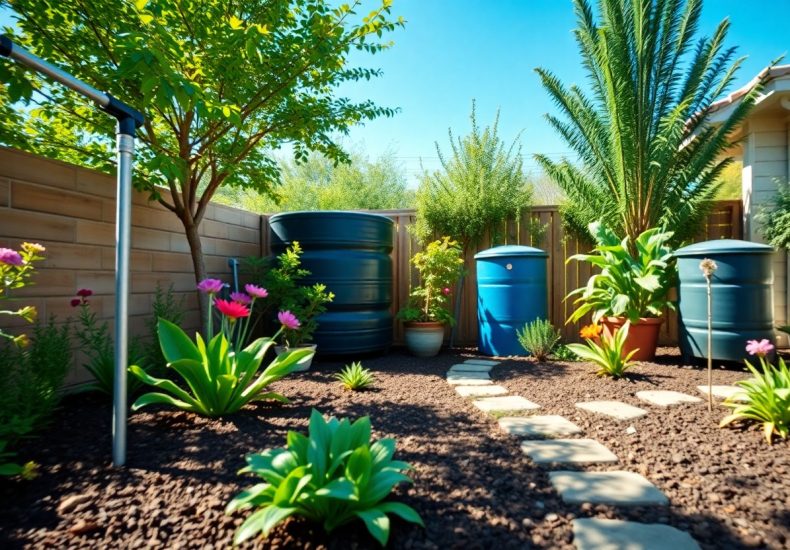
Installing rain barrels is an excellent way to collect rainwater from your roof. Position your barrels beneath downspouts, ensuring that they are made from food-grade materials to prevent contamination. A typical barrel can hold up to 200 litres of water, providing you with ample supply during dry spells. Easy to connect and maintain, rain barrels deliver a practical solution for those looking to optimise water usage in their gardens.
Benefits of Rainwater Harvesting
Harvesting rainwater offers numerous benefits for both your garden and the environment. It reduces reliance on municipal water systems, decreases stormwater runoff, and helps to mitigate local flooding. Additionally, using collected rainwater provides plants with a natural source of hydration free from additives, promoting healthier growth. Ultimately, you can cultivate a sustainable garden while contributing positively to your community’s water management efforts.
Implementing rainwater harvesting can lead to significant environmental, economic, and horticultural advantages. For instance, reducing your reliance on mains water not only conserves this necessary resource but also lessens the burden on your local water supply during peak seasons. The average household can save approximately 50% of their water usage by utilising harvested rainwater for irrigation. Furthermore, as rainwater is typically devoid of chlorine and other chemicals, it nurtures your plants in a natural manner, creating a healthier ecosystem in your garden. Embracing these practices enhances not only your gardening success but also aligns with broader sustainability goals.
Scheduling and Automation
Incorporating a consistent watering schedule is crucial for efficient water use in the garden. By leveraging Effective Water Conservation Techniques, you can optimise watering times based on the weather and your plants’ needs. Automation through smart systems can further enhance this approach, ensuring your plants receive the right amount of water at the right times without overuse.
Smart Irrigation Controllers
Smart irrigation controllers adjust watering schedules based on real-time weather data and soil moisture levels, promoting efficient water usage. By connecting to local weather stations, these systems prevent unnecessary watering during rainfall or cooler periods, allowing you to conserve resources while maintaining healthy plants. This technology can reduce your water consumption by up to 50% compared to traditional timers.
Watering Reminders and Strategies
Implementing watering reminders can help you stay on track with your garden’s hydration needs. Using apps or setting alarms can keep you informed on when to water, especially during hot spells. Additionally, grouping plants with similar water needs aids in efficient watering, ensuring that you don’t oversaturate or neglect certain areas.
Utilising reminders and strategic watering techniques ensures that your garden thrives without unnecessary waste. You can establish a routine by choosing specific days for watering, which can also be adjusted based on seasonal changes. Pairing this with plant groupings optimises water application; for instance, clustering drought-resistant plants together allows you to cater to their lower hydration needs without compromising other plants’ health. With these strategies, you’ll create a water-efficient garden that flourishes sustainably.
Community Initiatives and Resources
Engaging with community initiatives can significantly enhance your garden’s water conservation efforts. Many local councils and environmental organisations run programmes aimed at promoting sustainable gardening practices. These may include native plant sales, bulk purchase discounts for water-efficient systems, or grants for rainwater harvesting installations. Connecting with these initiatives can provide you not only with resources but also with a network of fellow gardeners who share your commitment to sustainability.
Local Gardening Groups
Joining local gardening groups can be a valuable asset in your conservation journey. These communities often share techniques and tips tailored to your area’s climate and soil conditions. Participating in group activities, such as seed swaps or communal gardening days, fosters collaboration and provides access to shared resources, enabling you to learn practical water-saving strategies directly from experienced gardeners.
Educational Workshops and Support
Educational workshops offer hands-on experience and expert advice on water-efficient gardening. Local horticultural societies or gardening stores frequently host sessions focusing on methods such as drip irrigation, soil moisture management, and drought-resistant plant selection. Attending these workshops empowers you with knowledge that translates directly into your gardening practice, helping you maximise water efficiency while nurturing a thriving garden.
Many educational workshops also provide opportunities to discuss challenges you face in your gardening efforts. You can benefit from expert insights and personalised advice, helping to troubleshoot specific water-related problems. Engaging in these workshops often leads to a deeper understanding of eco-gardening principles and fosters a sense of community among participants, ensuring you are supported in your quest for sustainable practices.
Final Words
So, by implementing these water conservation tips in your gardening practices, you can significantly reduce water usage while nurturing a thriving garden. Make use of rainwater harvesting, apply mulch to retain soil moisture, and select drought-resistant plants to optimise your water efficiency. Regularly check for leaks in your irrigation systems and consider drip irrigation for targeted watering. With these strategies, you not only benefit your plants but also contribute to a more sustainable environment.
FAQ
Q: What are the best methods for watering plants effectively?
A: Use a soaker hose or drip irrigation system to minimise water waste. Water early in the morning or late in the evening to reduce evaporation. Aim to water deeply but infrequently to encourage strong root growth.
Q: How can I improve soil moisture retention in my garden?
A: Incorporate organic matter such as compost or well-rotted manure into the soil. Apply a layer of mulch around plants to reduce evaporation and help maintain consistent soil moisture levels.
Q: Are there specific plants that require less water?
A: Yes, drought-resistant plants such as succulents, lavender, and many native species thrive in low-water conditions. Selecting these types of plants can conserve water while maintaining a beautiful garden.
Q: What role does rainwater harvesting play in water conservation?
A: Installing a rainwater collection system allows you to gather and store rain for garden use. This method reduces reliance on mains water and is an eco-friendly way to provide irrigation.
Q: How can I encourage deep root growth in my garden plants?
A: Water less frequently but ensure a deep soak when you do, allowing the moisture to penetrate the soil further. Aerating the soil can also encourage roots to grow deeper in search of water.
You may also like