Year-Round Gardening Tips for Every Season
Over the course of the year, your garden can transform into a vibrant space filled with life, colour, and abundance. By understanding the specific needs of your plants in each season, you can optimise your gardening efforts and ensure bountiful harvests. This guide provides practical tips to enhance your gardening experience throughout the year, empowering you to make the most of every gardening opportunity, regardless of the weather or season.
Key Takeaways:
- Plan seasonal crops to ensure a continuous harvest throughout the year.
- Utilise season-specific techniques such as cold frames in winter and shade cloths in summer.
- Enhance soil health year-round through composting and rotating plant families.
Spring Gardening Tips
Spring is a time of renewal, making it the perfect opportunity to rejuvenate your garden. Embrace the mild weather by getting your hands dirty and preparing for a bountiful season. Key tasks during spring include:
- Planting early vegetables like peas and radishes.
- Starting seeds indoors for later transplanting.
- Weeding to prevent competition for your plants.
- Applying organic fertilisers to enrich the soil.
Any proactive steps you take now will pay off in abundant growth throughout the season.
Preparing the Soil
Before planting, assess your soil’s condition by checking its texture and nutrient levels. Loosen compacted soil using a fork or tiller, ensuring better aeration and drainage. Incorporating organic matter such as compost will enhance soil fertility, providing your plants with vital nutrients for healthy growth. Testing pH levels can guide you on any amendments needed for optimal crop production.
Choosing the Right Plants
Selecting suitable plants for your spring garden is vital for successful growth. You should choose varieties that thrive in your climate and soil conditions. Opt for hardy options like kale, spinach, and various herbs, which flourish in cooler temperatures, or consider starting tomatoes and peppers indoors for later transplanting. This strategic selection will provide a vibrant and productive garden throughout the growing season.
Not only does selecting the right plants contribute to your garden’s aesthetics, but it also influences yield and resistance to pests and disease. For instance, growing companion plants—like basil alongside tomatoes—can naturally deter certain pests and enhance flavour. Additionally, understanding your local hardiness zone will guide you in selecting the most resilient varieties, ensuring robust growth and a rewarding harvest come summer.
Summer Gardening Strategies
Summer presents both challenges and opportunities for your garden. Focus on effective sun management, ensuring plants receive adequate light while preventing sunburn. Mulching helps retain moisture and regulate soil temperature, while planting drought-resistant species can conserve water. Regular pruning of flowering plants encourages growth and enhances air circulation, providing a healthier environment for your flora.
Watering Techniques
During summer, deep watering is vital to promote strong root systems. Aim to water early in the morning or late in the evening to minimise evaporation, allowing plants to effectively absorb moisture. Drip irrigation systems or soaker hoses can efficiently target root zones, reducing water waste while keeping your garden hydrated.
Pest Management
Effective pest management in summer relies on early detection and prevention. Regularly inspect your plants for signs of pests like aphids or whiteflies. Additionally, introducing beneficial insects such as ladybirds can help control pest populations naturally. Consider organic pesticides as a last resort to protect your plants while minimising harm to the ecosystem.
Integrating companion planting can further enhance your pest management strategy. For instance, marigolds repel nematodes, while basil can deter flies. Implementing barriers like row covers also proves beneficial, safeguarding vulnerable crops from unwanted insects. Monitoring your plants will enable you to act swiftly at the first sign of infestation, ensuring a healthy garden throughout the summer months.
Fall Gardening Recommendations
As autumn arrives, it’s time to prepare your garden for the colder months. Focus on sowing hardy crops like kale and spinach that thrive in cooler temperatures. Add a layer of mulch to protect your soil and retain moisture as you transition into winter. Take the time to clear away debris and dead plants to prevent pests and diseases, while considering new techniques to extend your growing season. For detailed tips, explore this Seasonal Gardening Tips: A Guide to Year-Round Splendor.
Harvesting Techniques
During fall, your harvesting methods should adjust to suit the changes in temperature. Gently uproot root vegetables like carrots and beetroots using a fork, ensuring minimal damage. For fruits, such as apples and pears, pick them when they mature to prevent overripening. You’ll want to harvest before frost to retain flavour and preserve your crops.
Preparing for Winter
Preparing your garden for winter involves several steps. It’s prudent to tidy up by removing any spent plants, cutting back perennials, and topping up mulch to protect the roots of your plants. Incorporating organic matter into your soil will further enhance its structure and fertility for spring planting.
Additionally, consider planting cover crops, such as clover or vetch, which help prevent soil erosion and enhance fertility. Stored vegetable crops should be kept in a cool, dark place to prolong freshness. Investing time in this preparation sets a solid foundation for an abundant garden come spring. Be proactive in combating pests by ensuring your garden beds are clean and applying necessary treatments if needed, setting the stage for a healthy growing environment ahead.
Winter Gardening Approaches
Winter gardening requires adaptability and preparation to ensure your plants survive the harsh conditions. You can utilise cold frames and greenhouses to extend your growing season, allowing you to cultivate hardy vegetables such as carrots and Brussels sprouts. Additionally, selecting winter crops that thrive in low temperatures will help maintain productivity despite the cold, ensuring your garden is not entirely dormant during the winter months.
Indoor Gardening Ideas
If outdoor gardening becomes impractical, consider indoor gardening as a rewarding alternative. You can grow herbs like basil, rosemary, and mint in pots on your windowsill, which not only enhances your meals but also adds greenery to your home. Use grow lights to supplement natural light during shorter days, and moisture control is key to preventing root rot while nurturing your indoor plants.
Protecting Outdoor Plants
To safeguard your outdoor plants during winter, implement protective measures against frost and harsh weather. First, consider mulching around your plants to insulate the roots and retain moisture. You might also wrap tender plants with burlap or fleece, shielding them from icy winds and snow. Consider using cloches or row covers for seedlings; these can trap warmth and facilitate growth, giving your plants a fighting chance against winter’s chill.
Using mulch made from organic material can also provide nutrients as it decomposes while keeping the soil temperature stable. For particularly sensitive plants, consider building a temporary shelter or using floating row covers, which allow light and moisture in while offering imperative protection against frost. Pay attention to your specific plant varieties, as some may require more extensive protection than others, ensuring their survival through the winter months.
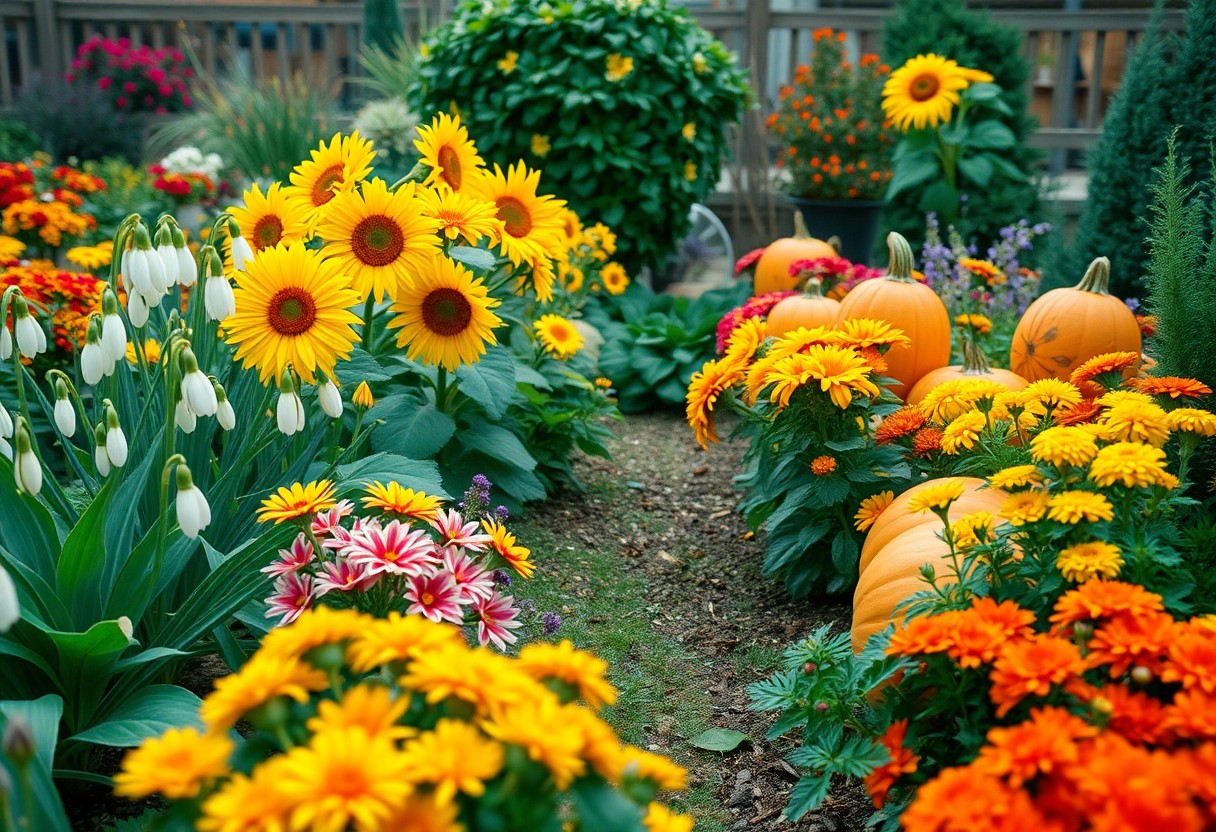
Seasonal Plant Selection
Selecting the right plants for each season enhances your garden’s productivity and aesthetics. For effective Year-Round Gardening: It’s Easier Than You Think, consider your climate and the specific requirements of each crop. Cool-season crops thrive in early spring and autumn, while warm-season crops flourish in the summer months. By planning your selections wisely, you can enjoy a diverse harvest throughout the year.
Cool-Season Crops
Your cool-season crops, such as spinach, kale, and peas, flourish in the chillier months. These plants appreciate the cooler temperatures of spring and autumn, enabling you to harvest before the sweltering heat sets in. Plant them in early spring or late summer for optimal growth and flavour.
Warm-Season Crops
On the other hand, warm-season crops like tomatoes, peppers, and cucumbers thrive under longer days and higher temperatures. Plant these once the threat of frost has passed, typically in late spring, ensuring ample warmth for a bountiful summer harvest.
For success with warm-season crops, ensure your soil is well-drained and rich in organic matter. Start seeds indoors, if possible, to get a head start, or buy robust seedlings from a nursery. Consider using black plastic mulch to retain soil moisture and warmth. As these crops grow, regular watering and feeding will ensure vibrant, healthy plants. By mid-summer, you’ll be reaping the rewards of your careful selections and efforts, making your garden a source of fresh produce.
Gardening Tools and Maintenance
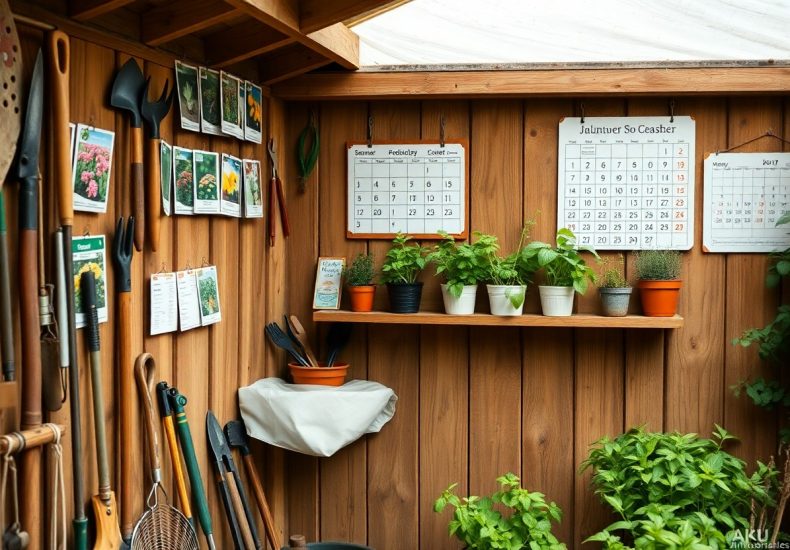
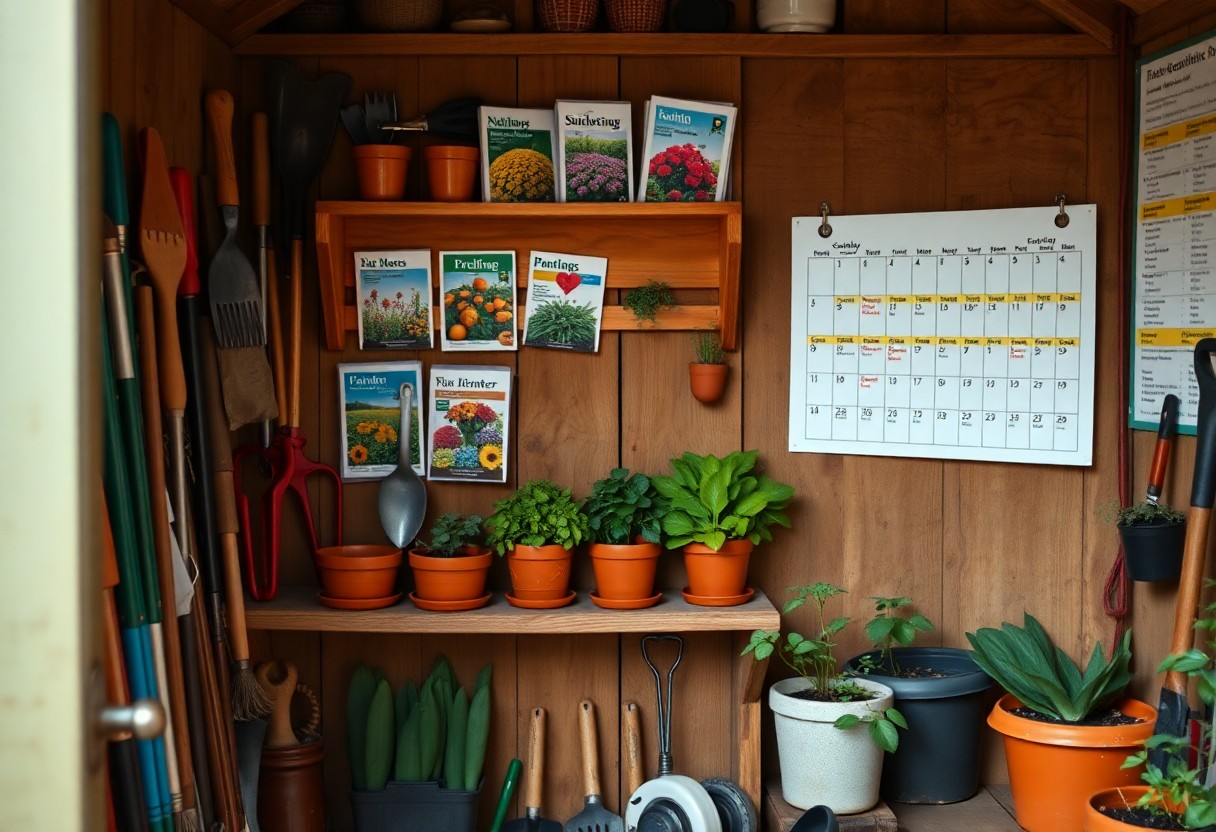
Maintaining an effective gardening toolkit is crucial for success throughout the year. Investing in quality tools not only enhances your gardening experience but also increases efficiency and productivity. Regular maintenance of these tools ensures they last longer, allowing you to focus more on your garden and less on replacements.
Essential Tools
Every gardener should possess a basic set of tools to tackle varied tasks. Key items include a robust spade for digging, a hoe for weeding, pruning shears for cutting back plants, and a hand trowel for smaller jobs. Additionally, a sturdy pair of gloves can protect your hands and enhance comfort while working.
Seasonal Maintenance Tips
Throughout the year, your garden tools require specific upkeep to ensure they remain in peak condition. Regular cleaning after each use prevents rust and build-up. Additionally, sharpening blades keeps them effective, while oiling parts can prevent wear. Each season presents unique challenges, and attending to your tools is vital to meet them effectively.
- Clean tools after each use to prevent rust.
- Sharpen cutting edges regularly for efficiency.
- Oil metal parts to reduce friction and wear.
- Store tools in a dry, protected area to prevent damage.
After taking these steps, investing some time in maintenance helps ensure your tools serve you well year-round.
In the spring, inspect your tools for any signs of damage or wear from winter storage. Summer calls for more frequent cleaning due to increased use in the growing season. As autumn arrives, take time to give your tools a thorough cleaning and prepare them for the colder months. Finally, before winter, ensure your tools are properly stored to prevent deterioration during extreme weather conditions.
- Inspect tools for damage and repairs in spring.
- Perform thorough cleanings in summer after heavy use.
- Prepare tools for storage in autumn, checking for rust.
- Store tools in a waterproof area during winter.
After following these guidelines, you’ll find your tools not only last longer but perform better throughout their lifespan.
Conclusion
So, by embracing year-round gardening practices tailored to each season, you can optimise your garden’s potential and enjoy a varied harvest throughout the year. Understanding the unique requirements of each season enables you to choose the right plants, enhance soil quality, and manage pests effectively. With the right techniques, you can create a flourishing garden that not only beautifies your space but also provides fresh produce for your table, no matter the time of year.
FAQ
Q: What are the best crops to plant in spring?
A: Spring is ideal for planting peas, lettuce, radishes, and carrots. These crops thrive in cooler temperatures and can be sown as soon as the soil is workable.
Q: How can I protect my garden from summer pests?
A: Implement regular inspections and use organic pest control methods such as neem oil, insecticidal soap, or companion planting with herbs like basil and marigold to deter pests.
Q: What are effective ways to conserve water in the garden during hot months?
A: Employ techniques such as mulching, using drip irrigation, and watering early in the morning or late in the evening to minimise evaporation and maximise water efficiency.
Q: When is the best time to harvest autumn crops?
A: Autumn crops like squash, potatoes, and pumpkins should be harvested when they have reached full size and their skins are firm. Checking the specific crop’s guidelines will ensure optimal timing.
Q: How can I prepare my garden for winter?
A: Clean up plant debris, apply a layer of mulch to protect soil, and consider planting cover crops to improve soil health. Additionally, ensure tools are clean and stored properly to extend their life.
You may also like