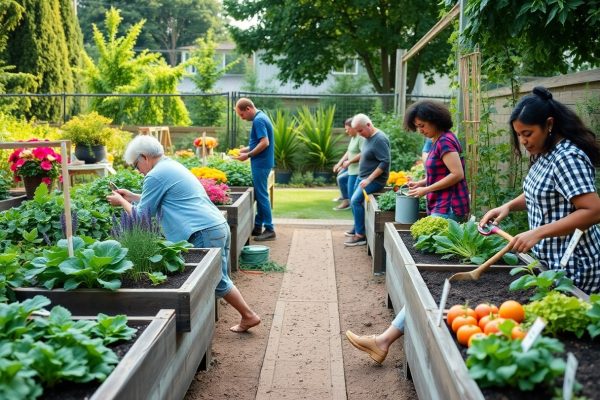
DIY Vertical Gardening Projects
There’s a growing interest in vertical gardening as a practical and aesthetically pleasing solution for maximising space in your home or garden. By embracing various DIY vertical gardening projects, you can transform walls, fences, and balcony spaces into lush, green displays. Whether you’re a seasoned gardener or a novice, you’ll find that these projects offer an opportunity to cultivate your favourite plants while adding a unique touch to your environment.

Key Takeaways:
- Vertical gardening maximises space, making it ideal for urban environments.
- Utilising different containers and structures can enhance aesthetics and plant health.
- Regular maintenance, including watering and pruning, is crucial for successful vertical gardens.
Benefits of Vertical Gardening
Utilising vertical gardening techniques provides numerous advantages, particularly for those in urban settings. It not only optimises limited space but also brings aesthetic enhancements to your environment. Furthermore, an abundance of greenery can improve air quality, making your living space healthier and more enjoyable. These benefits make vertical gardening an attractive option for both novice and experienced gardeners alike.
Space Efficiency
Vertical gardening allows you to make the most of your available space by utilising walls, fences, and other vertical surfaces. This method is particularly advantageous in urban areas where square footage is limited. By growing upwards rather than outwards, you can fit more plants into small areas, creating a lush garden even in compact locations.
Aesthetic Appeal
Your vertical garden can serve not only as a practical solution but also as a stunning visual feature in your home. Layered plants add depth and interest, transforming dull walls into vibrant living canvases. With careful selection of colours, textures, and plant types, you can create a dynamic environment that enhances your overall décor.
Incorporating elements like cascading vines, colourful flowers, or fragrant herbs allows you to personalise your vertical garden, reflecting your style and personality. This creative approach can become a focal point, drawing the eye and sparking conversation. Seasonal changes in foliage can also keep your garden looking fresh and engaging throughout the year.
Improved Air Quality
Vertical gardens significantly enhance air quality by increasing oxygen levels and absorbing harmful pollutants. Plants naturally filter the air, which can be especially beneficial in densely populated areas where pollution levels tend to be higher. Incorporating various species into your vertical garden can maximise these effects, creating a healthier atmosphere in your home.
The presence of plants in your living space can lead to a notable reduction in carbon dioxide levels, while also offering natural humidity control. Studies show that incorporating greenery indoors can lead to increased concentration and decreased stress levels, making it an excellent addition for both residential and office environments. Through this method, you contribute not only to your own well-being but also to the wider ecological health of your community.
Choosing the Right Plants
Selecting the appropriate plants for your vertical garden is crucial to ensure a thriving display. Consider factors such as sunlight, space, and climate when making your choices. For inspiration, check out this DIY Vertical Garden: Dollar Tree Edition to see how versatile plant selections can transform your space.
Best Plants for Vertical Gardens
Some of the most suitable plants for vertical gardens include herbs like basil and mint, leafy greens such as lettuce and spinach, and flowering plants like nasturtiums. Their compact growth habits make them ideal for vertical arrangements, ensuring your garden remains lush and vibrant without becoming overcrowded.
Seasonal Considerations
Seasonal changes significantly impact your vertical garden’s success, affecting plant selection and care routines. Understanding which plants thrive during specific seasons maximises growth and productivity.
In the spring and summer, opt for heat-loving plants like tomatoes and peppers that flourish in warmer temperatures. Transitioning into autumn, consider cold-hardy varieties like kale and winter herbs, which can withstand cooler conditions. Additionally, be mindful of sunlight exposure as the seasons shift; adjust your garden’s positioning to ensure optimal light during shorter days. Regularly check for pests and maintain watering routines, as these variables can vary with changing weather patterns, ensuring your vertical garden remains a flourishing focal point.

Vertical Gardening Structures
Vertical gardening structures play a vital role in maximising your garden’s potential, allowing you to create stunning displays in small spaces. From trellises to wall planters, incorporating different structures can elevate your gardening experience, making it both functional and aesthetically pleasing. Consider your available space, the amount of sunlight, and the types of plants you wish to grow to select the right structures for your vertical garden.
Trellises
Trellises are versatile structures that support climbing plants, creating an ideal environment for growth. You can build your own from wood, metal, or even repurposed materials to suit your garden aesthetic. They not only help plants reach upward, but they can also enhance your garden’s visual appeal, providing a stunning backdrop throughout the growing season.
Wall Planters
Wall planters utilise vertical space efficiently, allowing you to create a mini garden on your walls. These can be made from various materials, including wood, plastic, or fabric, providing an excellent way to display herbs, flowers, or even succulents in a stylish manner.
When identifying wall planters, opt for those with drainage holes to prevent overwatering. You can modular systems that connect to create larger displays or individual planters that cater to specific plants. Arranging planters at different heights can create an eye-catching, layered effect while ensuring all plants receive adequate sunlight.
Hanging Systems
Hanging systems offer a creative way to incorporate vertical gardening into spaces where floor area is limited. You can use pots, baskets, or repurposed containers suspended from hooks or brackets to maximise your growing area, bringing a unique flair to your garden.
There are various types of hanging systems available, such as macramé hangers or tiered plant stands, which allow you to showcase multiple plants in one location. Consider using lightweight materials to simplify installation and ensure that your plants can thrive without excessive weight on the attached structures. These systems not only facilitate air circulation but also provide ample sunlight to each plant, fostering healthy growth.
DIY Vertical Gardening Projects
Engaging in DIY vertical gardening projects allows you to transform limited spaces into lush green areas. With creativity and a few materials, you can build stunning vertical gardens that not only enhance aesthetics but also maximise growing space for vegetables, herbs, and flowers.
Pallet Garden
A pallet garden offers a rustic and eco-friendly solution for vertical gardening. You can repurpose old wooden pallets as multi-tiered planters, allowing you to create a vibrant display of plants while saving space and resources.
Shoe Organizer Planter
A shoe organiser makes an excellent vertical planter by utilising its pockets effectively. Each compartment can house individual plants, creating an organised and vibrant display that is perfect for herbs, small flowers, or trailing plants.
To create a shoe organiser planter, simply hang the organiser against a wall or fence and fill each pocket with potting soil and your chosen plants. This approach not only repurposes an otherwise unused item but also provides easy access to herbs right from your kitchen door, making it both a practical and stylish addition to your home.
Vertical Hydroponics
Vertical hydroponics allows you to grow plants in a soilless environment, maximising vertical space while ensuring efficient nutrient delivery. This method is particularly beneficial for growing leafy greens and herbs indoors or in small outdoor areas.
Implementing vertical hydroponics systems often involves stacking plant containers filled with a nutrient-rich solution, allowing roots to absorb water and nutrients directly. You can create vertical structures using pipes or shelving units, enabling an organised and high-yield setup. This method reduces water usage by up to 90% compared to traditional gardening, proving ideal for eco-conscious gardeners and those looking to produce fresh food within urban confines.
Maintenance Tips for Vertical Gardens
Keeping your vertical garden thriving requires consistent attention and care. Regular maintenance ensures your plants flourish and remain healthy throughout their growth cycle. Follow these tips for successful upkeep:
- Inspect for pests and diseases regularly.
- Ensure adequate sunlight reaches plants.
- Use appropriate fertilisers for specific plants.
- Check the structural integrity of your vertical setup.
- Adjust watering based on seasonal needs.
This will help in cultivating a vibrant vertical garden.
Watering Techniques
Effective watering techniques are vital for the health of your vertical garden. Aim to water your plants early in the morning or late in the evening to minimise evaporation. Ensure water reaches the roots by using a drip irrigation system or self-watering containers, which maintain consistent moisture levels without over-saturation. Check the soil’s moisture daily, particularly during dry spells, as vertical gardens can dry out quickly compared to traditional gardens.
Pruning and Harvesting
Regular pruning and harvesting are imperative for the growth of your vertical garden. Removing dead or yellowing leaves encourages new growth and helps prevent pests. Additionally, frequent harvesting of fruits and vegetables promotes further production. Timing your pruning according to the plant type maximises yield and ensures your vertical garden remains productive throughout its growing season.
When considering pruning, knowing the right time is key. For instance, herbs like basil benefit from regular trimming to encourage bushy growth, while tomatoes should be pruned to enhance airflow and focus energy on fruit production. Always use clean, sharp tools to prevent disease spread and ensure smooth cuts. This creates healthier plants and increases the overall yield of your vertical gardening project.
Common Challenges and Solutions
Vertical gardening presents unique challenges that require specific solutions. Managing factors like water drainage, plant selection, and pest control is important for success. By addressing these issues head-on, you can maintain a healthy and vibrant garden in minimal space. Understanding the common pitfalls and their remedies will help you cultivate a flourishing vertical garden that thrives in any environment.
Pest Management
Pests can be a significant threat to your vertical garden. Regularly inspect your plants for signs of infestation, such as discolouration or wilting leaves. Natural remedies, like neem oil or insecticidal soap, can effectively deter pests without harming your plants. Additionally, introducing beneficial insects like ladybirds can further mitigate pest issues.
Managing Plant Growth
Controlling plant growth is vital for an orderly vertical garden. You should regularly prune and thin your plants to prevent overcrowding, ensuring each plant receives sufficient light and nutrients. Choose fast-growing varieties that suit your vertical system and adjust your watering and feeding routines to accommodate rapid growth.
To effectively manage plant growth, take into account the specific light and water requirements of your chosen plants. Regular monitoring will allow you to adjust your fertilisation schedule, providing optimum nutrients to support healthy growth. You can also utilise trellises and supports to guide plants upwards, maximising your vertical space while maintaining a tidy appearance. This proactive approach fosters an environment where your plants can flourish. With the right care, vertical gardens can exhibit remarkable growth and vitality, enriching your space with lush greenery.
Final Words
Ultimately, DIY vertical gardening projects offer you a creative and efficient way to maximise your space while enjoying the benefits of gardening. By selecting the right materials and designs tailored to your available area, you can cultivate a thriving garden that enhances your environment. For comprehensive guidance on setting up your vertical garden, you can refer to A Complete Guide to Vertical Gardening (On … and transform your gardening experience today.
FAQ
Q: What materials are best for DIY vertical gardening projects?
A: Common materials include wood pallets, metal grids, plastic bottles, old ladders, and fabric pockets. Each material offers different aesthetics and functionalities, so choose based on the desired look and structure.
Q: What types of plants are suitable for vertical gardens?
A: Ideal plants include herbs like basil and mint, flowering plants such as petunias and lobelias, and foliage plants like ferns and ivy. Generally, choose plants that thrive in small spaces and can tolerate the vertical orientation.
Q: How do I ensure proper drainage in a vertical garden?
A: To ensure adequate drainage, use pots with holes at the bottom or create a slatted base for soil to fall through. Adding a layer of gravel at the base can further assist in preventing water buildup.
Q: Can vertical gardens be maintained in small spaces?
A: Yes, vertical gardens are ideal for small spaces. They maximise limited areas by utilising vertical space, making them suitable for balconies, patios, and even indoors.
Q: What is the best way to water a vertical garden?
A: Water vertically by using a drip irrigation system or watering from the top down. Ensure that water reaches all plants evenly, and consider using self-watering pots for optimal moisture control.
You may also like