Beginner’s Guide to Planting Fruit Trees
Planting fruit trees can be a rewarding endeavour, giving you fresh produce and enhancing your garden’s beauty. This guide provides you with vital tips and techniques tailored for beginners, ensuring you set your trees up for success from the start. You will learn about selecting the right varieties for your climate, preparing the soil, and understanding proper planting techniques. With this knowledge, you can cultivate healthy trees that thrive and produce delicious fruit for years to come.
Key Takeaways:
- Select the right fruit tree variety suitable for your climate and space.
- Ensure proper planting depth and spacing for healthy growth.
- Provide adequate care through watering, mulching, and pruning practices.
Types of Fruit Trees
When considering the types of fruit trees you might plant, it is important to understand the main categories available. Each type has unique characteristics that affect growth habits, climate suitability, and maintenance needs. Familiarising yourself with these varieties will help you make informed choices for your garden.
- Deciduous Fruit Trees
- Evergreen Fruit Trees
- Stone Fruit Trees
- Bearing Age
- Rootstock Variations
After evaluating your options, you can proceed with selecting the right type for your specific needs and garden conditions.
| Type | Key Characteristics |
| Deciduous | Lose leaves in winter; dormant season |
| Evergreen | Retain leaves year-round; continuous growth |
| Stone Fruit | Fruit with a large pit; example: cherries |
| Bearing Age | Aged till they produce fruit; varies by species |
| Rootstock | Affects growth vigour; influences final tree size |
Deciduous Fruit Trees
Deciduous fruit trees are known for shedding their leaves in autumn, entering a dormant phase through winter. They typically require a cold winter period to produce buds for subsequent growth. Common examples include apple, pear, and plum trees. You should plan for their specific requirements, such as chill hours, to ensure fruitful yields in your garden.
Evergreen Fruit Trees
Evergreen fruit trees retain their leaves throughout the year, providing a continuous source of greenery and fruit. They can thrive in a variety of climates and are particularly popular in warmer regions. Examples include citrus trees, such as oranges and lemons, which can flourish in pots or in the ground. Understanding their unique needs for sunlight and water will maximise your success with these trees.
Evergreen fruit trees are advantageous not only for their aesthetic appeal but also for their ability to provide fruit across multiple seasons. With proper care, such as regular pruning and adequate feeding, you can enjoy year-round produce. Their resilience makes them a favourable option for gardeners in milder climates, where winter conditions do not significantly affect their growth cycle. As you cultivate these trees, consider their spacing and sunlight exposure to optimise growth and yield.
Factors to Consider Before Planting
Before you start planting fruit trees, several factors can impact your success. Assess your local conditions and tree requirements thoroughly to ensure optimal growth. Consider the following:
- Climate suitability
- Soil type and condition
- Available space
- Pest and disease management
- Maintenance needs
Any misalignment in these factors can lead to poor tree health and reduced fruit yield.
Climate and Hardiness Zones
Your local climate largely dictates the types of fruit trees that can thrive in your area. Different trees have specific hardiness zones indicating their temperature tolerance. For instance, apple trees flourish in cooler northern regions, while citrus trees prefer warmer, subtropical climates. Familiarise yourself with your hardiness zone and select varieties suited to it to ensure a fruitful harvest.
Soil Quality and Drainage
The quality of your soil and its ability to drain are fundamental to the health of your fruit trees. Poor soil structure can lead to waterlogging or nutrient deficiencies, compromising tree vitality and fruit production. Conduct soil tests to determine pH levels and nutrient content, and amend as necessary to create an ideal growing environment.
Proper drainage is vital; fruit trees often suffer in overly saturated soil. Incorporate organic matter such as compost to improve soil structure, allowing for better aeration and moisture retention. If you identify heavy clay or compacted soils, consider raised beds or mounds to promote drainage. Ultimately, investing time in assessing and improving your soil will set the foundation for healthy trees and abundant fruit.
Step-by-Step Guide to Planting
| Step | Description |
|---|---|
| 1 | Selecting the Right Location |
| 2 | Preparing the Soil and Planting |
Selecting the Right Location
You should choose a location that receives at least six hours of direct sunlight daily. Ensure the area has good air circulation and is sheltered from strong winds. Avoid low-lying spots where frost might settle and consider proximity to water sources for irrigation purposes.
Preparing the Soil and Planting
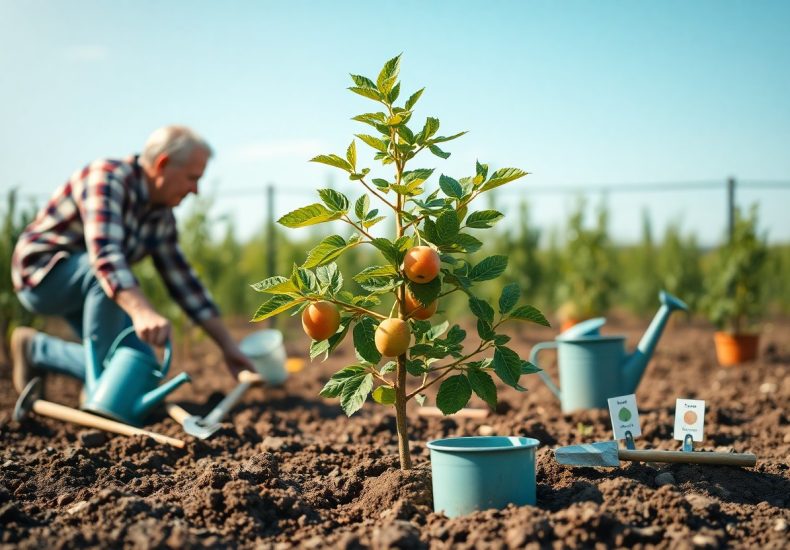
Begin by testing the soil pH, aiming for a reading between 6.0 and 7.0; this is ideal for most fruit trees. Amend any deficiencies with compost or organic matter to enhance soil fertility. Dig a hole twice the width of the root ball, ensuring the tree sits at the same depth it was in its nursery container. Backfill with the amended soil, firming gently around the roots.
When preparing the soil, it’s advisable to clear the area of weeds and debris to give your fruit tree an optimal start. After amending the soil, allow it to settle for a few days before planting. This ensures proper drainage and a stable environment for the roots. Water the tree thoroughly after planting to eliminate air pockets and promote immediate root contact with the soil. Mulching around the base can help retain moisture and regulate soil temperature.

Tips for Successful Growth
To ensure your fruit trees thrive, adhere to the following key practices:
- Choose the right variety for your climate.
- Provide adequate sunlight and space for growth.
- Monitor for pests and diseases regularly.
- Mulch around the base to retain moisture and suppress weeds.
- Be patient; trees take time to establish and bear fruit.
Recognising the signs of stress early can greatly enhance your chances of successful growth.
Watering and Fertilisation
Water your fruit trees consistently, particularly during dry spells, ensuring the soil remains moist but not waterlogged. Incorporate a balanced fertiliser in early spring to promote healthy growth, using approximately 100 grams for younger trees. Regular feeding supports fruit production and overall vitality, while it’s advisable to reduce fertilisation in the early years as the roots establish themselves.
Pruning and Maintenance
Regular pruning is vital for maintaining the shape and productivity of your fruit trees. Aim to prune during the dormant winter months to promote new growth in spring. Focus on removing dead or overcrowded branches to improve air circulation and sunlight penetration, which enhances fruit quality.
Proper pruning involves cutting back around one-third of the previous year’s growth while ensuring the central leader is dominant. This practice encourages a robust structure capable of supporting the weight of future fruit. Additionally, regularly inspect your trees for signs of pests or diseases, addressing issues promptly to maintain tree health. Well-timed pruning leads to more vigorous growth and a higher yield in subsequent seasons, ensuring a fruitful harvest.
Pros and Cons of Planting Fruit Trees
| Pros | Cons |
|---|---|
| Provides fresh, organic fruit | Initial cost of planting |
| Enhances property value | Requires ongoing maintenance |
| Offers environmental benefits | Takes time to mature |
| Encourages biodiversity | Vulnerability to pests |
| Creates a beautiful landscape | Requires specific climate conditions |
| Saves money on grocery bills | Possible fruit loss from weather events |
| Provides educational opportunities for children | Limited fruit variety in some regions |
| Promotes self-sufficiency | Potential disputes with neighbours over space |
| Encourages outdoor activity | Time investment for care and harvesting |
For more detailed insights, check out the resource on Grow Fruit Trees Successfully | Susan Poizner.
Advantages of Homegrown Fruit
Growing your own fruit means achieving an unrivalled taste and quality that store-bought varieties often lack. You can enjoy the satisfaction of picking ripe fruit straight from the tree, which can be more nutritious since it can be consumed at peak ripeness. Moreover, having a variety of fruits on demand can enhance your diet, adding variety and freshness, ultimately fostering a healthier lifestyle.
Challenges and Considerations
Planting fruit trees involves several challenges that require careful consideration. You’re tasked with ensuring the appropriate variety thrives in your specific climate while also accommodating sufficient space for growth. Pests and diseases can pose significant threats, necessitating consistent vigilance and management. Additionally, the time commitment to cultivate and prune these trees cannot be underestimated, especially as they establish themselves. These factors all contribute to the complexities of successful fruit tree gardening.
Moreover, varieties that flourish in one region may not fare well in another, compelling you to research and select wisely. The initial financial investment can be daunting, but consider it a long-term gain. Timing is also important; knowing when to plant and how to shield your trees from harsh weather will influence your success. Balancing the effort and rewards is key, as you navigate the journey of nurturing your fruit trees to fruition.
Common Mistakes to Avoid
Avoiding common pitfalls is vital for successfully planting and nurturing your fruit trees. Many beginners inadvertently make mistakes that can hinder growth, reduce yield, or even lead to tree death. Understanding these errors and knowing how to avoid them will set you on the right path towards a fruitful harvest.
Overwatering and Nutrient Imbalance
Overwatering can suffocate roots, leading to rot, while also leaching vital nutrients from the soil. Aim for a balance that keeps the soil moist but not waterlogged. Regularly check soil moisture and consider using mulch to maintain hydration and prevent nutrient loss.
Incorrect Pruning Techniques
Using improper pruning techniques can severely damage your fruit trees. For example, cutting too much at once can result in shock, while failing to remove dead or diseased branches can promote problems. You should focus on shaping the tree to encourage air circulation and sunlight penetration, aiming to create an open centre for optimal growth.
Pruning should generally occur in late winter or early spring before new growth begins. When pruning, always use clean, sharp tools to make clean cuts that promote healing. Aim to remove up to 20% of the tree’s canopy to foster strong growth. Additionally, take care to prune branches that grow inward or cross each other, as this can restrict air flow and lead to disease. Your attention to proper techniques can greatly impact your fruit tree’s health and productivity.
Conclusion
From above, you can see that planting fruit trees is an enriching endeavour that offers both beauty and bountiful harvests. By selecting the right species, understanding your soil and climate, and following proper planting techniques, you can ensure your trees thrive. Regular care and attention will yield rewarding results, allowing you to enjoy fresh fruit for years to come. Embrace the process and take pride in nurturing your garden, enhancing both your landscape and your culinary delights.
FAQ
Q: What is the best time to plant fruit trees?
A: The ideal time to plant fruit trees is during the dormant season, typically in late autumn or early spring. This allows the trees to establish roots before the growing season begins.
Q: How do I choose the right fruit tree for my garden?
A: Consider your climate, soil type, and space availability. Research fruit tree varieties that thrive in your local conditions and select those that fit your garden’s size and sunlight exposure.
Q: How far apart should I plant fruit trees?
A: The spacing depends on the type of fruit tree. Generally, standard trees require about 5 to 8 metres apart, whereas dwarf varieties can be planted closer, around 2 to 3 metres apart.
Q: What type of soil do fruit trees prefer?
A: Fruit trees prefer well-drained, loamy soil rich in organic matter. Ensure the soil pH is between 6.0 and 7.0 for optimal growth.
Q: How often should I water newly planted fruit trees?
A: Newly planted fruit trees should be watered regularly, about once a week, ensuring the soil remains moist but not waterlogged, especially during dry spells.
You may also like