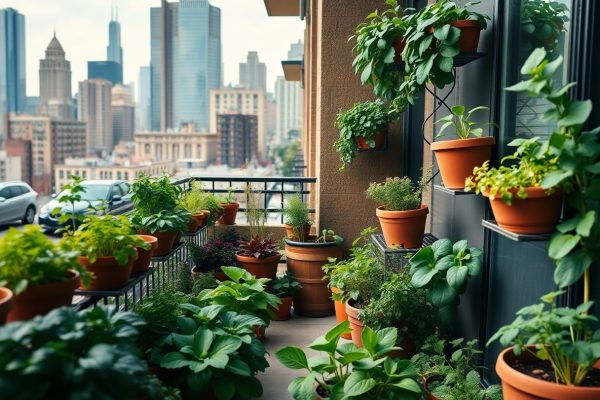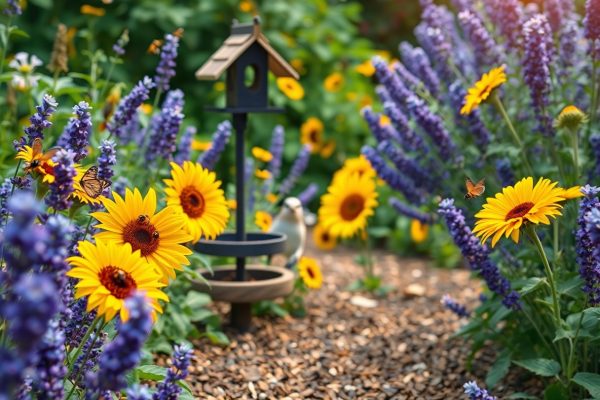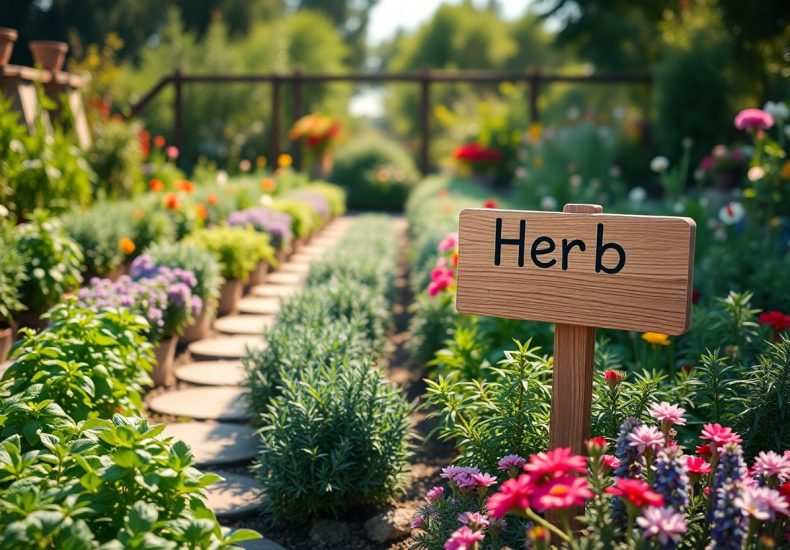
Growing Herbs in Your Landscape – Flavor at Your Fingertips
Over the years, enhancing your garden with herbs has become a delightful way to enjoy fresh flavours right at your fingertips. By incorporating herbs into your landscape, you not only elevate your meals but also nurture a vibrant, aromatic environment. This guide will explore practical tips and techniques to successfully cultivate a variety of herbs that will thrive in your garden, offering you both culinary delights and an inviting outdoor space.
Key Takeaways:
- Incorporating herbs into your landscape can enhance both aesthetics and functionality, providing fresh flavours and aromas.
- Choosing the right herb varieties for your climate and soil type is imperative for successful growth and harvest.
- Herbs can be grown in various spaces, including containers, gardens, and even as part of ornamental landscaping.
Benefits of Growing Herbs
Growing herbs brings numerous advantages that enhance your landscape and your daily life. By incorporating these plants, you gain access to fresh flavours, cost savings, improved health, and an appealing aesthetic. The versatility of herbs allows you to integrate them seamlessly into your garden, providing a rich sensory experience and practical benefits right at your fingertips.
Culinary Advantages
Herbs elevate your cooking, infusing dishes with fresh, vibrant flavours. Unique varieties like basil, thyme, and rosemary can transform simple meals into gourmet experiences. Using herbs straight from your garden not only enhances taste but also reduces reliance on processed seasonings, promoting healthier eating habits.
Health Benefits
Incorporating fresh herbs into your diet offers a range of health benefits. Many herbs are rich in antioxidants, vitamins, and minerals, contributing to overall well-being. For instance, parsley is abundant in vitamin K, while mint can aid digestion. Regularly consuming herbs may also support the immune system and help combat inflammation.
For example, studies have shown that basil contains eugenol, which has anti-inflammatory properties, potentially lowering blood pressure and stress levels. Rosemary, on the other hand, is noted for its cognitive benefits, supporting memory and concentration. With herbs like these in your diet, you’re not just seasoning your food; you’re actively improving your health while enjoying the flavours they provide.
Choosing the Right Herbs
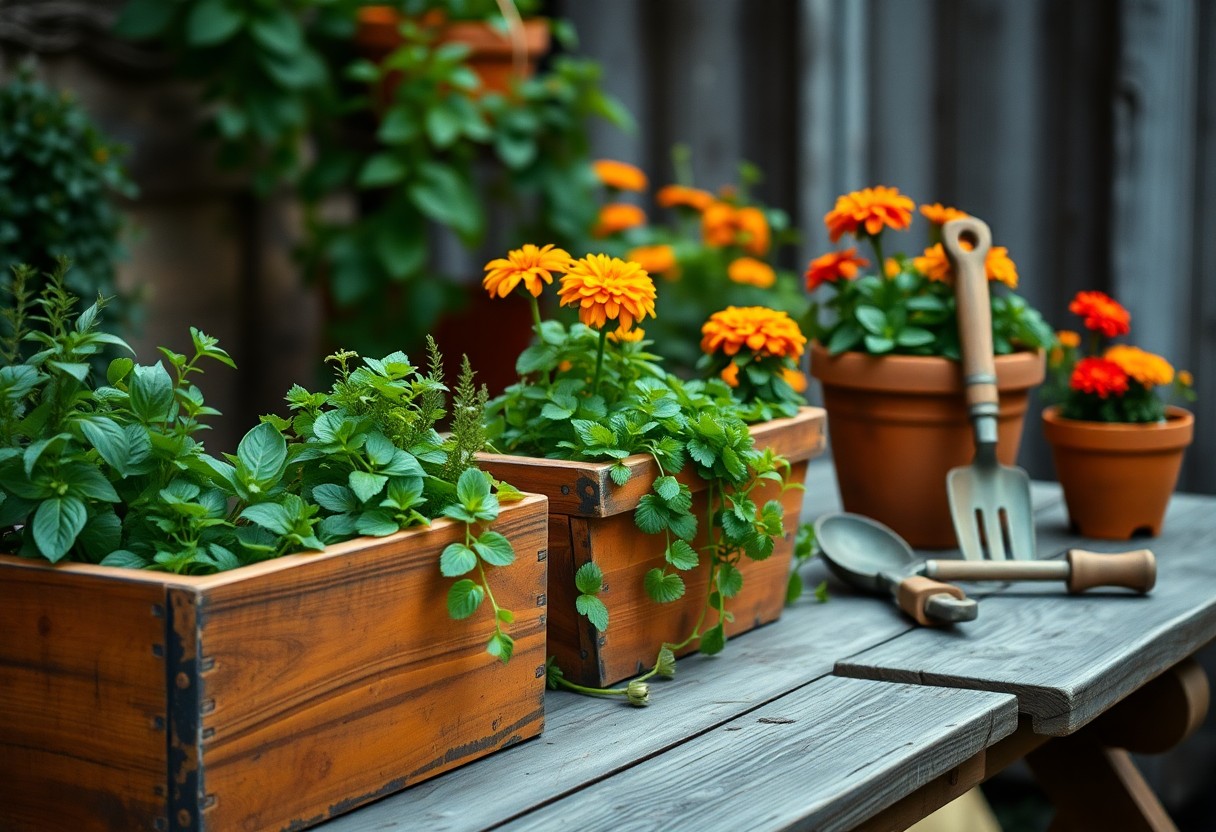
Selecting the right herbs for your garden involves considering your culinary needs, local climate, and maintenance preferences. It’s beneficial to start with herbs that you frequently use in cooking, ensuring that they will be readily accessible for flavouring your dishes. Additionally, taking into account how much sunlight and water each herb variety requires will help you create a thriving herb garden that suits your lifestyle.
Popular Culinary Herbs
Some of the most popular culinary herbs include basil, rosemary, thyme, and parsley. Basil is a staple in Mediterranean dishes, while rosemary’s aromatic needles enhance roasted meats and vegetables. Thyme is versatile, ideal for soups and stews, and parsley adds freshness to salads and garnishes. These herbs not only elevate your meals but are also relatively easy to grow.
Herb Varieties for Different Climates
Your local climate greatly influences which herbs will thrive in your garden. For warmer regions, Mediterranean herbs like oregano and lavender flourish, while cooler climates are better suited to hardy varieties such as chives and mint. Understanding the specific temperature and moisture requirements of each herb will help you select varieties that can withstand the conditions and maximise your culinary harvest.
For example, in warmer climates, plants like thyme and rosemary are drought-resistant and perform well in full sun, while in colder regions, you might consider growing herbs in containers that can be moved indoors during frost. It’s worth noting that some herbs, like basil, are sensitive to cold and should be planted after the last frost date, whereas others, such as sage, can tolerate chillier temperatures. By tailoring your selection to your specific climate and conditions, you can enjoy a lush herb garden year-round.
Planting and Care
Successful herb gardening hinges on proper planting and ongoing care. To ensure your herbs flourish, choose quality seedlings or seeds, and consider their specific growth needs. Position your herbs where they can receive ample sunlight, typically at least six hours daily, to encourage robust health and flavour.
Soil Preparation and Planting Techniques
Begin with well-drained soil enriched with organic matter such as compost. Aim for a pH level between 6.0 and 7.0, which is ideal for most herbs. When planting, space your herbs adequately to allow for airflow; dense planting can lead to fungal diseases. Depending on the herb, consider broadcasting seeds or transplanting seedlings directly into the prepared soil.
Watering, Fertilizing, and Maintenance
Herbs generally prefer a moderately moist environment; over-watering can lead to root rot. Fertilise sparingly with a balanced organic fertiliser every few weeks during the growing season to promote vigorous growth. Regularly check your herbs for pests and disease, and remove any dead or yellowing leaves to enhance air circulation and overall plant health.
When watering, it’s best to do so early in the morning or late in the afternoon to minimise evaporation. Keep an eye on the soil moisture, aiming for consistency without saturation. Fertilizing twice a month with an organic feed helps sustain nutrient levels throughout the growing season, while maintenance tasks like pruning stimulate growth and keep your herbs bushy. Monitor for pests, using neem oil or insecticidal soap when necessary, ensuring you harvest lavishly as this encourages further growth.
Designing Your Herb Garden
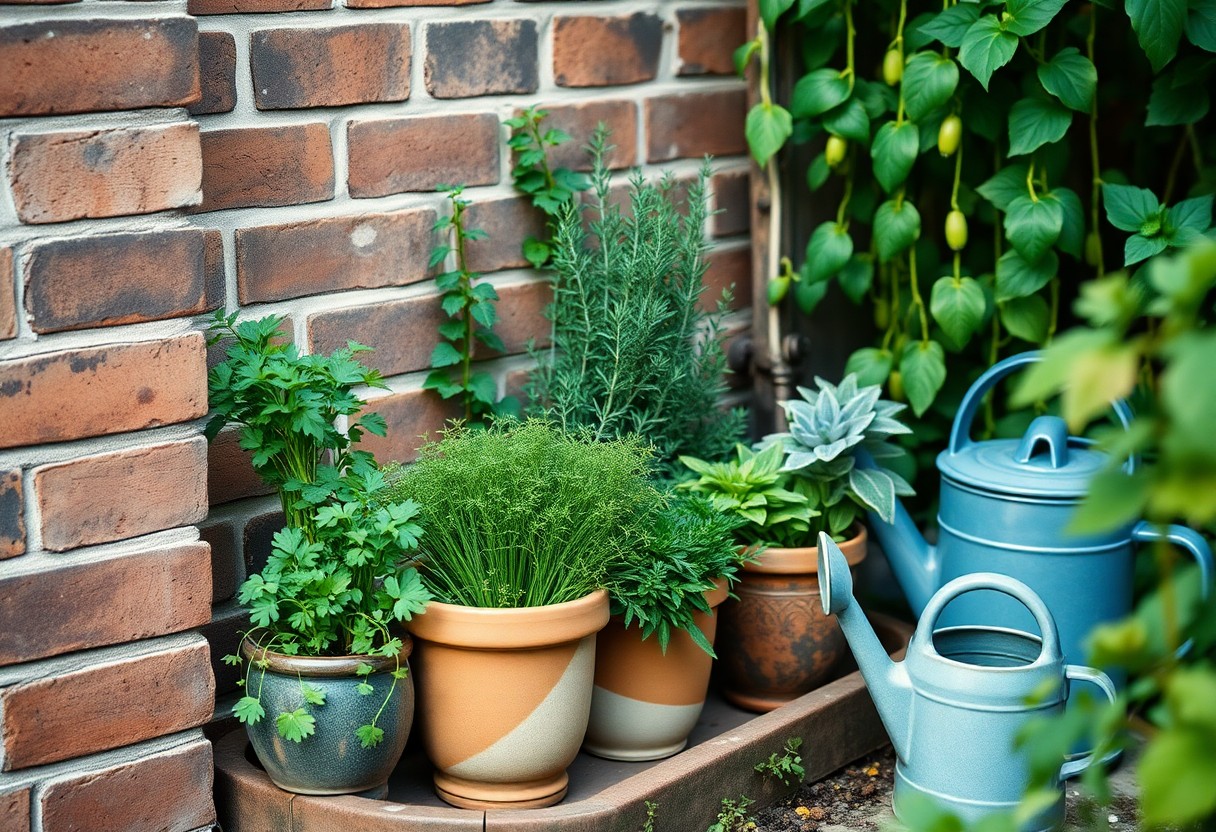
Crafting an effective herb garden involves thoughtful design that enhances both aesthetics and function. Start by considering the layout, ensuring your herbs are easily accessible for harvesting while providing an inviting look. Choose a dedicated area, whether in pots or garden beds, where herbs can thrive without competition from other plants. A well-planned herb garden not only enriches your cooking but can also become a beautiful focal point in your landscape.
Placement and Arrangement
Position your herbs in a spot that receives at least six hours of sunlight each day, aligning them with your cooking habits. Arrange taller herbs, like basil and dill, towards the back of garden beds or pots, with smaller varieties, such as chives and thyme, at the front. This strategy ensures that each plant is adequately illuminated and accessible for snipping, promoting a healthy and bountiful harvest.
Companion Planting
Integrating companion planting in your herb garden can significantly improve plant health and yield. Certain herbs thrive alongside specific vegetables, deterring pests and attracting beneficial insects. For instance, basil planted near tomatoes can enhance their growth while repelling harmful insects, showcasing the synergy in your garden’s ecosystem.
Companion planting is not merely a technique; it’s a strategic approach to maximise your garden’s potential. By pairing herbs like rosemary or mint with vegetables such as carrots or cabbage, you can deter pests and enhance flavours. For example, planting sage near cabbage can help ward off cabbage moths, while dill attracts pollinators that benefit both your herbs and vegetables. Such strategic combinations can lead to healthier plants and increased productivity in your garden, creating a harmonious environment for flourishing herbs and vegetables alike.
Harvesting and Preserving
Timely harvesting and effective preservation are key to enjoying the full flavour of your herbs. Whether you’re snipping sprigs for a meal or storing them for future use, understanding the right techniques will help you maintain their vibrant taste and aroma. Start by assessing the quality of your herbs, ensuring they are healthy and at peak flavour, before moving on to preservation methods that suit your culinary needs.
When and How to Harvest
Harvest your herbs in the morning when necessary oils are most concentrated. For leafy herbs, cut just above a leaf node to encourage new growth, whilst woody herbs can be trimmed more drastically. Aim to take no more than one-third of the plant at a time to keep it thriving, and regularly check for pests or diseases after harvesting.
Methods of Preservation
Preservation methods vary, with options including drying, freezing, and oil infusions. Choose the technique that aligns with how you plan to use your herbs in the future. Drying, for instance, maintains most flavours and is ideal for long-term storage, while freezing locks in freshness for those who prefer herbs in their original state.
For drying, use a well-ventilated area away from direct sunlight. Hang bunches of herbs upside down or lay them flat on a screen. Once thoroughly dried, store herbs in airtight containers in a cool, dark place. Freezing involves rinsing herbs, chopping them, and placing them in ice cube trays with water or oil. This method preserves more of their natural oils and flavours, allowing easy addition to dishes later on. Oil infusions can also enhance flavours; simply steep your herbs in high-quality oil for several weeks before straining and bottling. Each method has its benefits, providing you with versatile options to suit your culinary adventures. Craft your preservation strategy based on how frequently you cook with herbs and your long-term flavour preferences.
Troubleshooting Common Issues
Even the most careful gardeners may face challenges when growing herbs. To mitigate problems, keep an eye on plant health and check for signs of distress. Regular observation can help you catch issues early, allowing timely salvage or removal of affected plants. If you’re unsure about the best options to grow, consider reviewing the 10 Best Herbs To Grow and Why You Should Plant Them … for guidance.
Pests and Diseases
Pests and diseases are common challenges in herb gardening. Aphids, spider mites, and whiteflies can infest your herbs, leading to stunted growth and reduced flavour. Regular inspection and the use of organic treatments, such as neem oil, help manage infestations effectively. Ensuring good air circulation and healthy soil can also minimise disease occurrences.
Environmental Challenges
Environmental factors significantly influence herb growth. Extreme temperatures, whether excessive heat or unexpected frost, can stress plants. Additionally, inconsistent watering can lead to wilting or root rot, hampering optimal growth. Understanding your local climate will help you adapt your gardening techniques for better outcomes.
Consider the specific needs of your chosen herbs in relation to your local weather conditions. For instance, basil thrives in warm temperatures, while mint prefers cooler spots. Providing shade during hot spells or using row covers during cooler months can safeguard your herbs from temperature extremes. Adjusting watering schedules according to rainfall and soil moisture can further enhance your herbs’ resilience against environmental challenges.
Summing up
Presently, growing herbs in your landscape provides not only flavour at your fingertips but also enhances the beauty of your garden. By incorporating various herbs, you can elevate your culinary creations while enjoying the myriad benefits these plants offer. Whether you have a spacious garden or a small balcony, there’s always a way to include fresh herbs in your space. For practical guidance, you can explore Building a DIY Herb Garden: Fresh Flavours at Your Fingertips.
You may also like