Seasonal Planning for a Year-Round Edible Landscape
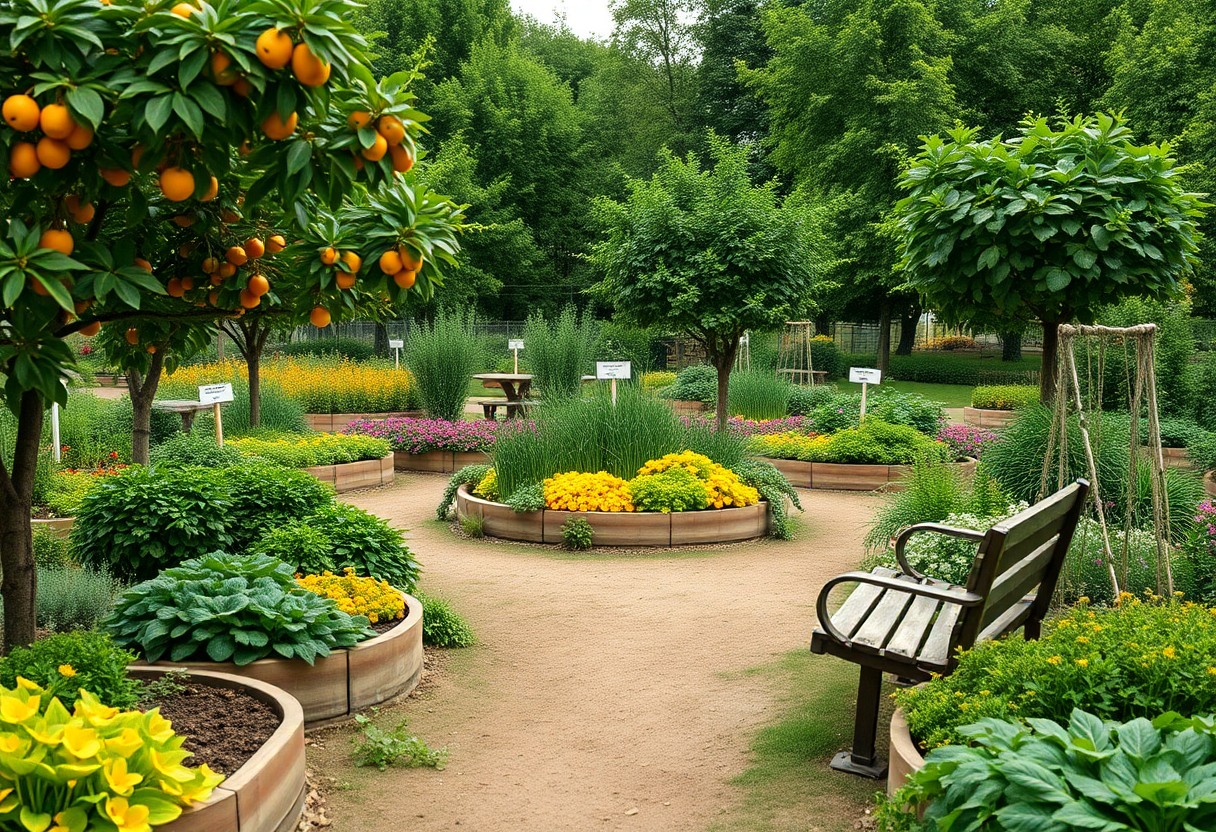
Planning your landscape with seasonal insights allows you to cultivate a thriving edible garden throughout the year. By understanding the specific needs of various plants during different seasons, you can create an environment that continuously provides fresh, nutritious produce. This guide will equip you with the vital strategies to maximise your garden’s potential, ensuring that every season offers new flavours and harvests for your enjoyment.
Key Takeaways:
- Incorporate a variety of plants that yield produce across different seasons to ensure a continuous harvest.
- Plan for seasonal changes in climate and soil conditions to optimise plant growth and productivity.
- Utilise companion planting to enhance biodiversity and improve pest management in your edible landscape.
Understanding Seasonal Cycles
Embracing the natural rhythms of the seasons is vital in creating a thriving edible landscape. Each season offers distinct opportunities for planting, harvesting, and maintenance. By recognising these cycles, you can optimise your garden’s productivity and ensure a diverse yield throughout the year. Adapting your gardening practices to seasonal changes enhances soil health, pest management, and plant vitality, making your landscape not only more fruitful but also more resilient.
The Importance of Seasons in Edible Landscaping
Seasons dictate the types of crops that thrive in your edible landscape. Each plant species has specific requirements for temperature, sunlight, and water, all influenced by seasonal changes. By understanding these requirements, you can strategically plan your planting schedule, ensuring that your garden remains productive and provides fresh produce in every season. Adapting your garden to seasonal variances allows for a dynamic and sustainable landscape.
Plant Hardiness Zones and Their Impact
Plant hardiness zones play a significant role in determining what crops will flourish in your garden. These zones, defined by the average minimum winter temperature, help you select species that can survive and thrive in your local climate. Knowing your hardiness zone allows you to make informed choices about the types of vegetables, fruits, and herbs that can be successfully cultivated throughout the year.
There are 13 designated hardiness zones, ranging from extremely cold (Zone 1, with winter temperatures below -50°F) to extremely warm (Zone 13, with winter temperatures above 60°F). For instance, if you reside in Zone 8, you could successfully grow temperate crops such as tomatoes and peppers in the warmer months, while planting cold-hardy varieties like kale and garlic as winter approaches. By aligning your planting selections with hardiness zones, you ensure that your edible landscape flourishes in harmony with your local climate, maximising yield and flavour throughout the seasons.
Choosing Edible Plants for All Seasons
For a thriving edible landscape, selecting plants that produce at various times ensures a steady supply of fresh food throughout the year. Focus on incorporating a mix of perennials and annuals, such as strawberries and kale, which can thrive in different weather conditions. Consider your local climate and the growing seasons to tailor your choices, ensuring you have something to harvest in every season from spring’s first greens to winter’s hearty root vegetables.
Year-Round Crop Selection
Selecting a diverse range of crops is necessary for year-round productivity. Opt for early-season crops like peas and radishes, mid-season options such as tomatoes and peppers, and late-season hardy vegetables like Brussels sprouts and parsnips. Incorporating perennial herbs like rosemary and thyme will provide flavour and greenery throughout the year whilst requiring less maintenance as they establish.
Companion Planting for Success
Companion planting enhances growth and protects your crops. Pairing plants like tomatoes with basil not only improves flavour but deters pests, while marigolds can ward off harmful insects when placed near strawberries. This strategy optimises space and fosters a balanced ecosystem in your garden.
Implementing companion planting requires thoughtful combinations to maximise benefits. For example, planting onions with carrots helps deter pests that might otherwise compromise your carrot harvest, while providing mutual benefits in nutrient uptake. Additionally, intercropping taller plants with shorter ones, such as sweet corn with beans, harnesses vertical space effectively, leading to improved yields in limited areas. An established companion planting system cultivates a healthier garden environment, allowing for a more bountiful harvest across all seasons. Note that there’s a wealth of resources available to help guide your choices; researching compatible plants is a worthwhile investment in your edible landscape’s success.
Soil Preparation and Maintenance
Effective soil preparation and maintenance form the foundation of a productive edible landscape. Begin by loosening the soil to improve aeration and drainage, allowing roots to thrive. Regularly incorporating organic matter, such as compost, enriches the soil, enhancing both its texture and nutrient profile. This continuous care ensures your plants receive the necessary support throughout the growing season, ultimately yielding a bountiful harvest.
Soil Testing and Amendments
Soil testing serves as the first step in understanding your garden’s needs. By analysing pH levels and nutrient content, you can determine the necessary amendments, such as lime for acidity or specific fertilisers to bolster nutrient deficiencies. Adjustments based on these tests help create an optimal environment for your plants, promoting healthier growth and improved yields.
Seasonal Fertilization Techniques
Seasonal fertilisation is important for maintaining soil fertility throughout the year. Applying a balanced fertiliser in early spring encourages robust growth, while timed offerings of slow-release or organic options during the growing season sustain plant health. Tailoring your fertilisation schedule based on plant needs and seasonal changes enhances nutrient availability and cultivates a thriving edible landscape.
In spring, use a nitrogen-rich fertiliser to promote leafy growth of vegetables and herbs. As summer progresses, switch to a balanced formula that includes phosphorus and potassium, supporting fruit and flower development. In autumn, consider adding a slow-release organic fertiliser to enrich the soil and prepare for winter dormancy. Regularly observing plant response to these applications allows you to adjust fertilisation based on specific garden requirements.
Water Management Strategies
Effective water management is necessary for sustaining your edible landscape throughout the seasons. By implementing thoughtful strategies tailored to your landscape’s needs, you can maximise yields while conserving resources. A combination of irrigation methods and sustainable practices can alleviate pressure on water supplies while ensuring your plants thrive, even during drier months.
Irrigation Systems for Edible Landscapes
Investing in efficient irrigation systems can significantly enhance water distribution in your edible landscape. Drip irrigation is particularly effective, delivering water directly to the roots of your plants, reducing evaporation and runoff. This targeted approach not only conserves water but also encourages healthy growth by providing consistent moisture levels tailored to the specific needs of your plants.
Rainwater Harvesting Practices
Implementing rainwater harvesting practices allows you to collect and store rainwater for later use, creating a sustainable water source for your garden. By installing rain barrels or a more complex system of tanks and filters, you can capture runoff from roofs and surfaces, subsequently using this resource to irrigate your edible plants during drier periods.
Integrating rainwater harvesting is a smart decision for your edible landscape. For instance, a simple rain barrel can hold up to 208 litres, providing ample water for a small garden. Consider positioning barrels under downspouts to efficiently capture runoff. If you have space, a larger storage tank connected to gutters can help collect substantial amounts of water, which can be gravity-fed to your plants, thus ensuring you have an eco-friendly supply during dry spells, all while significantly reducing your reliance on mains water.
Pest and Disease Management
Effective pest and disease management is important for the success of your edible landscape. Implementing a proactive approach can significantly reduce crop losses and maintain plant health. Familiarise yourself with Growing Edibles in the Landscape resources to identify common issues specific to your region and learn integrated pest management strategies that suit your needs.
Seasonal Pests and Prevention
Seasonal pests emerge in cycles, necessitating vigilance throughout the year. During early spring, watch for aphids and caterpillars, while summer brings spider mites and whiteflies. Implementing companion planting can thwart infestations; for instance, marigolds deter nematodes and aphids, promoting a healthier ecosystem in your garden.
Organic Solutions for Pest Control
Opting for organic solutions enhances the sustainability of your edible landscape. Use neem oil or insecticidal soap to manage pests without harming beneficial insects. Additionally, encourage natural predators such as ladybirds and lacewings by providing habitats like diverse flowering plants that attract them.
For further organic pest control, consider employing barriers, such as row covers, to protect young plants from insect attacks while allowing sunlight and moisture to penetrate. Introducing beneficial insects can also dramatically improve pest management. For example, releasing parasitic wasps can help control caterpillar populations effectively. Regularly inspecting your plants for signs of trouble ensures you can act promptly, maintaining a vibrant and productive garden.
Harvesting Techniques and Storage
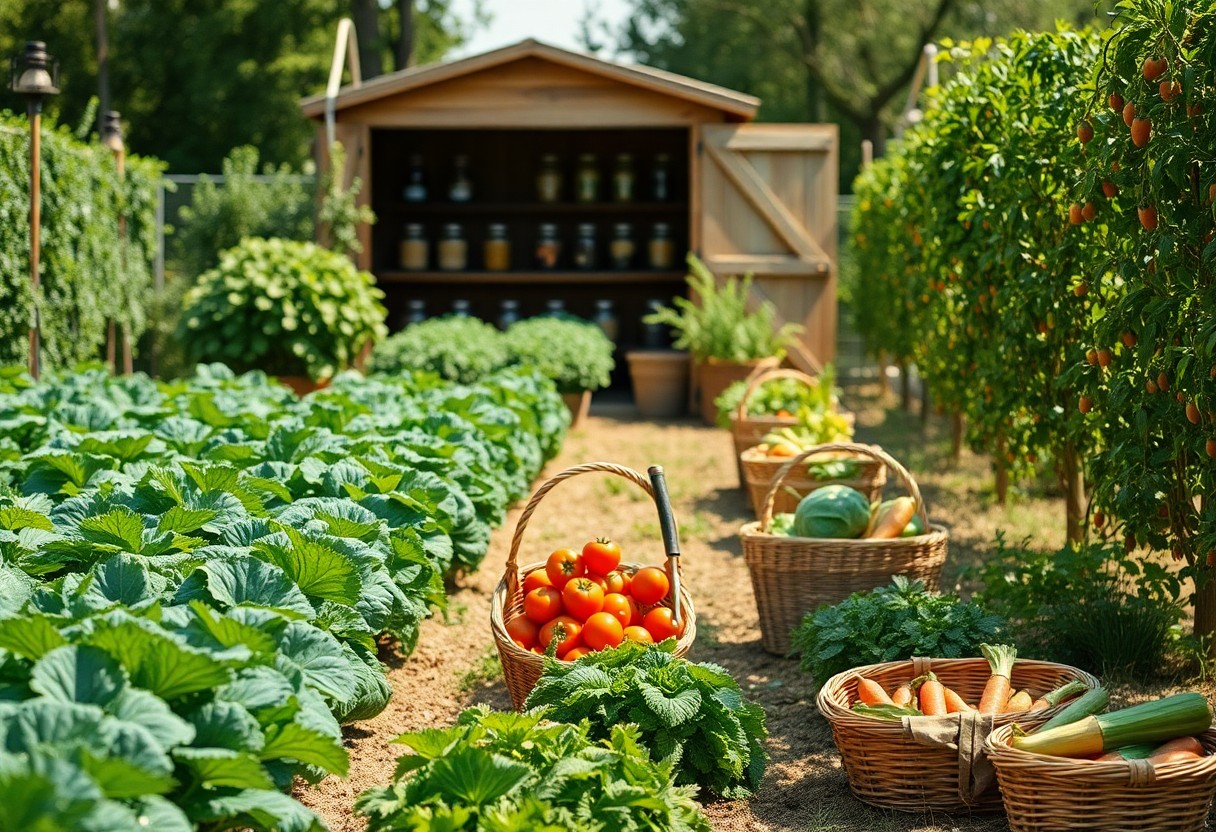
Effectively harvesting and storing your crops is vital for maximising their flavour, nutrition, and longevity. Employing the right techniques based on the specific needs of each plant ensures high-quality yields. Focus on timing your harvest to achieve peak ripeness and utilise appropriate methods for each type of produce, from hand-picking to using tools, to maintain the integrity of the crops.
Seasonal Harvesting Guidelines
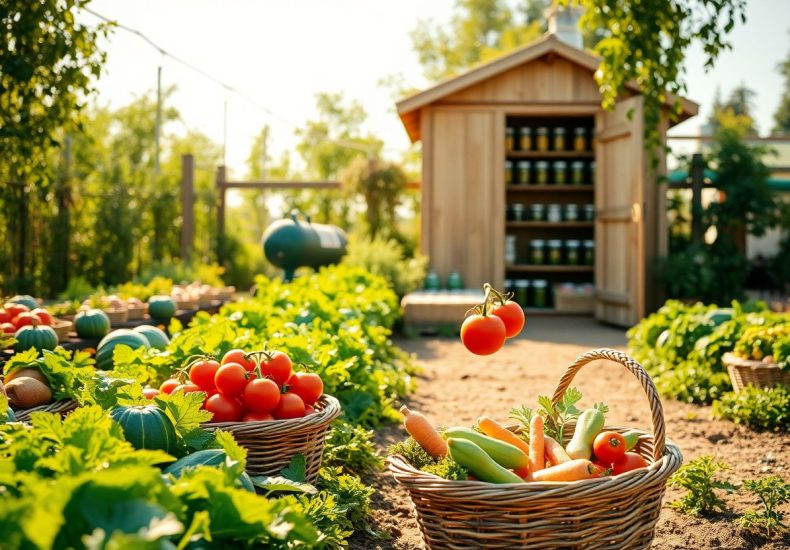
Harvesting schedules vary based on the season and crop type. For instance, spring yields tender greens, while summer brings tomatoes and courgettes to fruition. In autumn, you’ll gather pumpkins and root vegetables, and winter can offer hardy brassicas. Regular checking of your plants will help you determine the right time for harvesting, ensuring peak flavour and nutrition.
Storing and Preserving Edible Crops
Effective storage and preservation methods extend the life of your harvest. Whether through refrigeration, freezing, canning, or drying, choosing the right technique depends on the crop you have. Understanding the specific storage requirements of your produce—like keeping apples in a cool, dark place or blanching beans before freezing—will significantly reduce waste.
For long-term preservation, consider methods such as pickling or fermenting to enhance the flavours of your crops while ensuring they remain edible for months. For example, preserving tomatoes as sauces or dried fruits can maintain their nutrients and taste, providing healthy options for off-season meals. Vacuum sealing can further extend shelf life by reducing air exposure, so investing in proper storage equipment becomes beneficial for every gardener. Regularly assessing the stored produce will also help identify any items that may spoil early, allowing you to utilise them promptly.
To wrap up
Presently, effective seasonal planning is crucial for creating a year-round edible landscape that thrives. By understanding your local climate and selecting a variety of plants that flourish in different seasons, you can ensure continuous harvests. You should consider factors such as soil health, crop rotation, and companion planting to optimise the yield. This proactive approach not only enhances biodiversity in your garden but also supports sustainable practices while meeting your culinary needs throughout the year.
You may also like