Beginner’s Guide to Flower Gardening – Start with These Easy Blooms
There’s a wonderful world awaiting you in flower gardening, where vibrant blooms can transform your outdoor space. This guide will introduce you to easy-to-grow flowers that are perfect for beginners. From choosing the right varieties to understanding basic care, you’ll gain the confidence needed to cultivate your own beautiful garden. Get ready to dig your hands into the soil and enjoy the satisfaction that comes with nurturing your very own flowers.
Key Takeaways:
- Choose easy-to-grow flowers such as marigolds, petunias, and sunflowers for a successful start.
- Ensure proper soil preparation and drainage to promote healthy growth.
- Regular watering and deadheading will enhance flowering and extend blooming periods.
Types of Easy Blooms
In flower gardening, choosing the right blooms can significantly enhance your garden’s appeal. Easy blooms are typically classified into two main categories: annuals and perennials. Each type has distinct characteristics that can complement your gardening efforts and suit your preferences. Understanding the differences will help you create a vibrant garden space that thrives throughout the seasons.
- Annuals complete their life cycle in one growing season.
- Perennials return year after year, requiring less replanting.
- Annuals often provide rapid colour and variety.
- Perennials can develop deep root systems for resilience.
- Knowing how each type behaves will aid in your planting strategy.
| Annuals | Examples include petunias, marigolds, and zinnias. |
| Perennials | Examples include daisies, daylilies, and peonies. |
| Bloom Time | Annuals bloom continuously until frost. |
| Care Level | Annuals may need more frequent watering. |
| Longevity | Perennials can last several years in your garden. |
Annuals
Annuals are perfect for beginners as they bloom profusely in a single growing season. Varieties such as petunias and marigolds can add vibrant colours to your garden with minimal effort. Since they complete their life cycle in one year, you can experiment with various colours and styles each season, allowing for creativity in your gardening space.
Perennials
Perennials are a fantastic long-term investment for your garden. Unlike annuals, these plants return year after year, often growing larger with time. Varieties such as hostas and peonies not only save you the hassle of replanting but also establish a richer garden atmosphere as they mature. Their ability to come back season after season allows you to enjoy consistent blooms with less maintenance.
Perennials often require an initial commitment in terms of planting, but their longevity and seasonal return make them worthwhile. They have the advantage of developing more extensive root systems, which can improve drought resistance and overall hardiness. Incorporating a mix of perennials in various bloom times can create a dynamic garden that offers colour from spring through to autumn. They are often more environmentally friendly, as they provide habitats for local wildlife and support biodiversity within your garden ecosystem.
Essential Tips for Successful Flower Gardening
Achieving a flourishing flower garden requires attention to a few key practices. Start by selecting the right blooms for your climate and soil type, ensuring they complement each other visually and structurally. Keep an eye on pest control, and incorporate organic methods whenever possible to maintain a healthy ecosystem. Regular maintenance, including deadheading and pruning, will promote growth and flowering. Lastly, stay observant to changes in your plants’ health for early detection of issues. This will lead to a vibrant and thriving garden.
- Choose suitable flowers for your environment.
- Implement organic pest control measures.
- Practice regular maintenance and observation.
- Ensure adequate sunlight for your plants.
- Fertilise appropriately as growth demands.
Soil Preparation
Preparing your soil is foundational to any successful flower garden. Start by testing the pH and nutrient levels, allowing you to adjust your mix with amendments like compost or fertiliser. Loosen the soil with a garden fork to improve drainage and aeration. Ideal soil should be rich and well-draining, ensuring that flowers establish healthy root systems. This preparation creates an environment conducive to robust growth.
Watering Techniques
Proper watering is vital for promoting healthy blooms. Aim to water early in the morning or late in the evening to minimise evaporation loss. Ensure you soak the soil thoroughly, encouraging roots to grow deeper, rather than shallow watering which can lead to weak plants. Drip irrigation systems or soaker hoses are excellent choices, reducing water usage while providing consistent moisture. This helps to create a resilient and vibrant garden.
For optimum results, consider the specific needs of your flowers; some may prefer dry conditions while others thrive in moisture-rich environments. Observe weather patterns, adjusting your watering schedule according to rain and heat factors. Lightweight mulch can also retain soil moisture and reduce the frequency of watering. This combination will ensure that your plants flourish throughout their growing season.
Step-by-Step Guide to Planting Flowers
| Choose the Right Location | Evaluate your garden space for sunlight, wind protection, and soil quality. Select a spot that receives adequate sunlight, ideally 6-8 hours a day, to promote healthy growth and vibrant blooms. |
| Planting and Spacing | Follow specific guidelines for each flower type, ensuring proper spacing for airflow and growth. Plan for taller plants at the back and shorter ones at the front to optimise aesthetics and access to sunlight. |
Choosing the Right Location
Look for a sunny area in your garden, as most flowering plants thrive in direct light. Assess your soil quality, opting for well-drained, nutrient-rich conditions. Avoid overly shaded or wind-exposed spots that could hamper growth and flowering potential.
Planting and Spacing
When planting, adhere to the recommended spacing for each flower variety, as this affects their development and overall health. Crowding can lead to competition for nutrients and water, resulting in weak plants with fewer blooms. Ensure you’ve planted at the correct depth for the specific flower type.
For example, if you’re planting marigolds, space them approximately 20-30 cm apart. Alternatively, if you’re considering petunias, 25-30 cm is ideal. Always check the seed packet or plant label for specific recommendations, as following these guidelines is key to achieving a thriving flower bed. Consistent care, alongside adequate spacing, will help prevent disease and encourage lush growth and abundant flowering throughout the season.
Factors to Consider in Flower Gardening
Before plunging into flower gardening, it’s crucial to consider various factors that can influence the success of your blooms. These considerations can significantly affect growth, health, and overall aesthetics:
- Soil type and drainage
- Choosing the right plants for your environment
- Watering needs
- Pest management
The efficacy of your gardening efforts can improve dramatically when these factors are taken into account.
Climate Requirements
Your local climate directly impacts which flowers will thrive in your garden. Some plants prefer warmer temperatures, while others can bear frost. For instance, marigolds flourish in warmer climates but tend to struggle in cooler regions. Assess the USDA Plant Hardiness Zone for your area to select suitable blooms that will grow well in your specific conditions.
Sunlight and Shade
Sunlight and shade play a pivotal role in flower gardening. Different plants have varied needs for light exposure. A full sun spot typically requires at least six hours of direct sunlight, ideal for species like petunias and geraniums. On the other hand, shade-loving plants, such as hostas or fuchsias, prefer dimmer conditions and can wilt under harsh sunlight. Ensuring you’ve understood the light requirements of your chosen flowering plants will lead to a vibrant and healthy garden.
Assessing your garden’s sunlight exposure accurately can make a remarkable difference. Positioning plants according to their light preference not only encourages robust flowering but also helps in managing water usage effectively. Over-exposure can cause wilting, while insufficient light may lead to stunted growth. For optimal results, observe how sunlight moves across your garden throughout the day before planting, allowing you to pair blooms perfectly with their ideal light conditions.

Pros and Cons of Popular Flower Varieties
Understanding the advantages and disadvantages of popular flower varieties can help you make informed decisions for your garden. Below is a table outlining the pros and cons of some commonly grown flowers, guiding you in selecting the right blooms for your space. For more insights, you can refer to Planting Flowers For Beginners.
| Flower Variety | Pros & Cons |
|---|---|
| Roses | Pros: Classic beauty; wide variety. Cons: High maintenance; susceptible to pests. |
| Daisies | Pros: Easy to grow; bright and cheerful. Cons: Can become invasive. |
| Tulips | Pros: Vibrant colours; suitable for borders. Cons: Short bloom period; rodents may eat bulbs. |
| Marigolds | Pros: Pest repellant; low maintenance. Cons: May not survive frost. |
| Pansies | Pros: Early bloomers; colourful variety. Cons: Requires some shade in hot climates. |
| Lavender | Pros: Fragrant; drought-resistant. Cons: Needs well-drained soil. |
| Sunflowers | Pros: Attracts pollinators; easy to grow. Cons: Requires full sunlight; needs space. |
| Peonies | Pros: Long-lived; large blooms. Cons: Slow to establish; can be heavy for stems. |
| Snapdragons | Pros: Unique shape; hardy. Cons: Susceptible to wilting in heat. |
| Zinnias | Pros: Colourful; attract butterflies. Cons: Require regular pruning. |
Easy-to-Grow Species
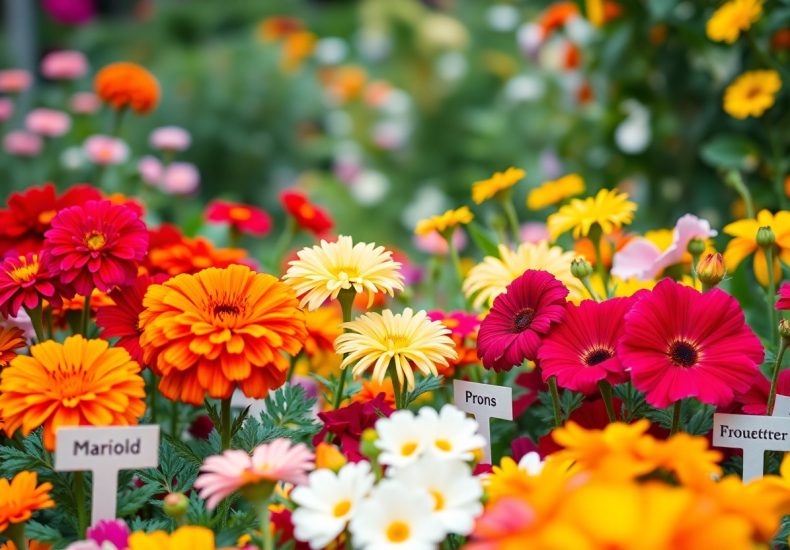
When starting your flower garden, consider species that require minimal care and are known for their resilience. Varieties like marigolds and zinnias thrive in various conditions and bloom abundantly, making them ideal for beginners. These flowers not only add colour but are also hearty, adapting well to a range of environments.
Maintenance Requirements
Maintenance requirements vary significantly among flower varieties. Some species, such as lavender and daisies, need minimal grooming, while others may require regular pruning and pest management. Be aware of the specific needs of each type you choose to ensure a healthy, flourishing garden.
For high-maintenance varieties like roses, regular deadheading and specific fertilisation schedules are necessary to promote blooming. It’s beneficial to research the specific needs of each flower, as well as to observe how your local climate affects their growth. Proper watering and sunlight exposure are also vital aspects of maintaining healthy blooms, transforming your garden into a vibrant display over time.
Troubleshooting Common Flower Gardening Issues
While flower gardening can be a rewarding endeavour, it’s not without its challenges. Issues such as pests, diseases, and environmental factors can arise, impacting the health of your blooms. By identifying and addressing these common problems quickly, you can ensure a thriving garden. For more insights, check out Flower Gardening for Beginners.
Pest Control
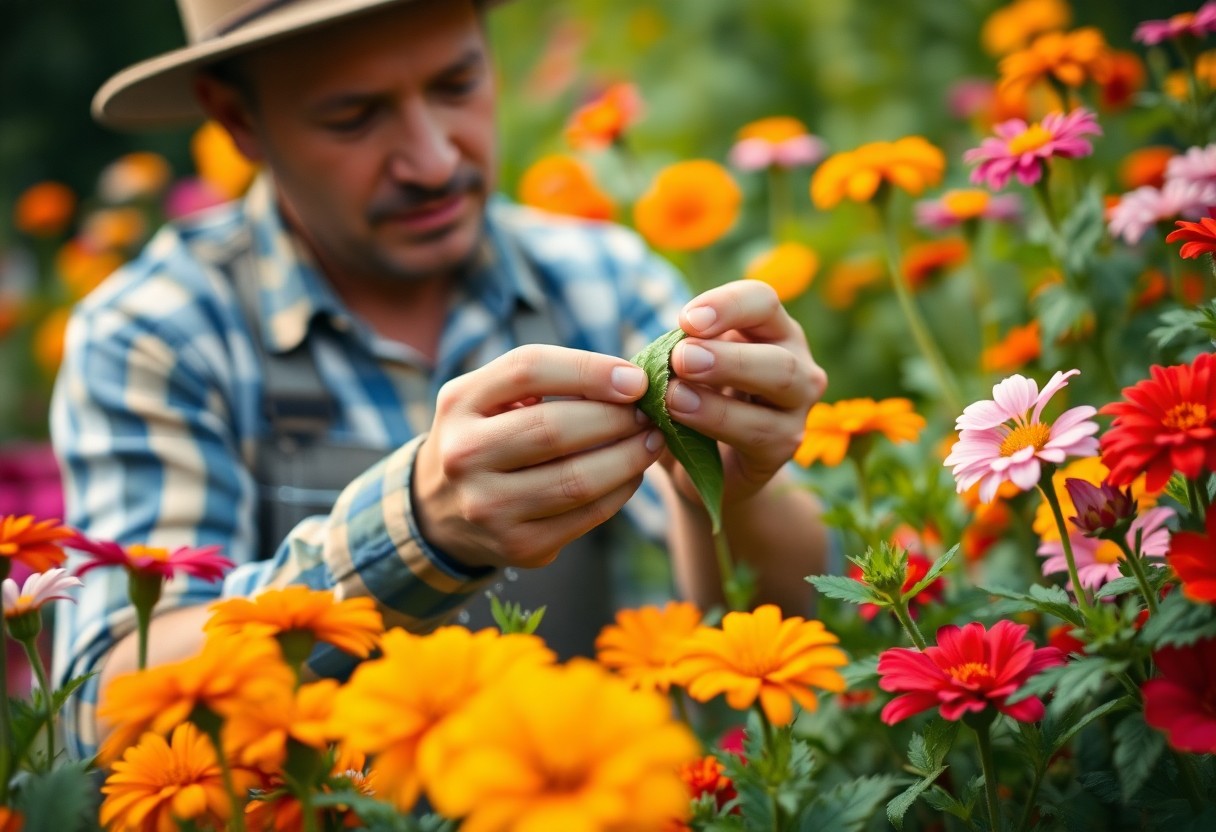
Pests can wreak havoc on your flower garden, with aphids, slugs, and spider mites being some of the most common offenders. Regularly inspect your plants for any signs of infestation, such as discolouration or wilting. Employing natural remedies like neem oil or introducing beneficial insects such as ladybugs can help manage pest populations effectively.
Disease Management
Flower gardens are susceptible to various diseases, including powdery mildew and root rot, which can decimate your blooms. Keeping your plants adequately spaced for air circulation and ensuring proper watering techniques can mitigate many disease issues. When a plant appears infected, it’s important to remove it promptly to prevent spread.
For instance, powdery mildew thrives in humid conditions and can be treated with a mix of water and baking soda. Regularly checking the underside of leaves is vital, as many diseases manifest there first. Additionally, practising crop rotation and using disease-resistant varieties can provide long-term solutions to common floral challenges. Monitoring your garden proactively will allow you to catch problems early and maintain healthy, vibrant flowers.
Conclusion
As a reminder, beginning your flower gardening journey with easy blooms sets you up for success and enjoyment. By selecting user-friendly flowers, you can cultivate your confidence and skills while creating a vibrant space that reflects your personal style. Embrace the process, observe your plants, and adapt as you learn, ensuring that your garden flourishes beautifully throughout the seasons. With dedication and enthusiasm, your flowering haven will thrive, bringing you joy and satisfaction in your gardening pursuits.
You may also like