Designing a Flower Garden – Tips for Color and Texture
Most garden enthusiasts seek to create visually stunning spaces that captivate the eye and soothe the soul. By carefully considering colour combinations and textural contrasts, you can enhance the aesthetic appeal of your flower garden. This guide offers practical tips on selecting plants that not only complement each other but also thrive together, ensuring that your garden flourishes beautifully throughout the seasons.
It’s crucial to consider both colour and texture when designing your flower garden to create a captivating space. By thoughtfully selecting a variety of plants, you can achieve a harmonious balance that enhances the visual appeal of your garden. Focus on combining vibrant blooms with differing foliage textures to ensure year-round interest. This guide will provide you with practical tips to inspire your creativity and transform your outdoor area into a stunning floral display.
Key Takeaways:
- Choose a colour palette that harmonises with your home and surrounding landscape to create a cohesive look.
- Incorporate various textures by mixing different plant types and sizes for visual interest.
- Plan for seasonal changes by selecting a range of plants that bloom at different times throughout the year.
Key Takeaways:
- Choose a harmonious colour scheme by selecting complementary shades to create a cohesive look.
- Incorporate a variety of textures through different foliage types and flower shapes for visual interest.
- Layer plants by height and form to add depth and structure to the garden design.
Understanding Color Theory
Exploring colour theory is vital for enhancing your flower garden’s aesthetic appeal. By understanding how colours interact, you can create a harmonious space that draws the eye and evokes specific emotions. This knowledge allows you to make informed decisions about plant selection and arrangement, ensuring that your garden flourishes not only in life but in visual impact as well.
Color Wheel Basics
The colour wheel serves as a foundational tool in understanding how colours relate to one another. Comprising primary, secondary, and tertiary colours, it illustrates relationships that can guide your choices when designing your garden. For instance, complementary colours—those opposite each other on the wheel—create striking contrasts, while analogous colours—those adjacent—provide a more harmonious effect.
The Emotional Impact of Colors
Colors in your garden can significantly influence emotions and moods. For instance, warm hues like red and yellow can generate feelings of warmth and cheerfulness, while cool shades such as blue and green promote tranquillity and relaxation. This understanding allows you to cultivate a garden that aligns with the atmosphere you wish to create in your space.
Delving deeper, the emotional impact of colours extends beyond mere aesthetics. A study published in the ‘Journal of Environmental Psychology’ found that gardens featuring bright colours tend to evoke excitement and happiness, making them ideal for communal spaces. Conversely, softer colours, prevalent in serene settings, are linked to calmness and peacefulness, promoting mindfulness. By strategically selecting colours based on their emotional associations, you can craft an environment that not only beautifies your surroundings but also nurtures your well-being and that of visitors.
Understanding Color Theory
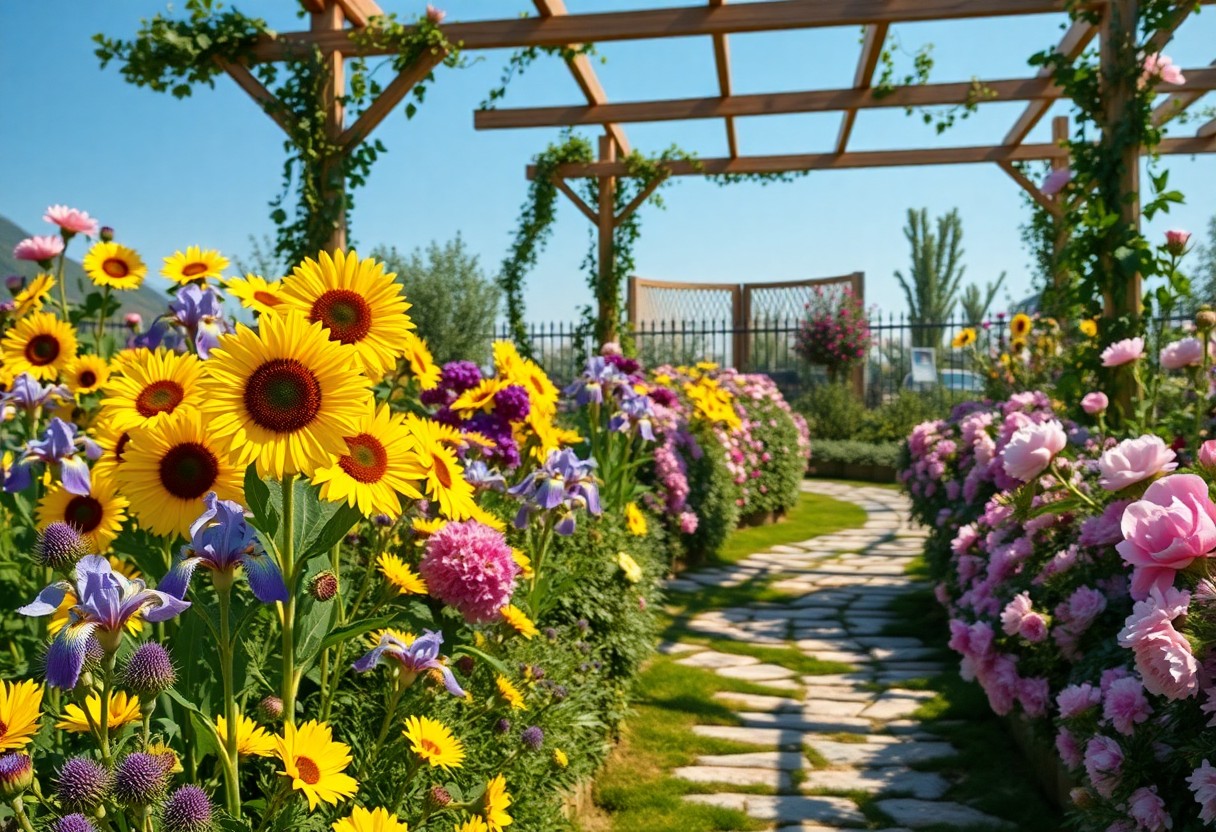
Incorporating colour theory into your garden design enhances both its beauty and emotional impact. By grasping how colours interact, you can create a harmonious space that reflects your style. For extensive insights, explore DESIGNING A GARDEN FOR NON-STOP COLOR.
Color Wheel Basics
The colour wheel is an vital tool for selecting plant combinations. It comprises primary colours (red, blue, yellow), secondary colours (green, orange, purple), and tertiary colours. Understanding this wheel helps you visualise how colours can either clash or blend seamlessly in your garden, guiding your choices for a visually appealing display.
Complementary and Analogous Colors
Complementary colours are opposite each other on the colour wheel, like blue and orange, creating a striking contrast. In contrast, analogous colours sit next to each other, such as blue, blue-green, and green, offering a serene palette. Each approach brings a distinct mood to your garden, allowing for personalised expression.
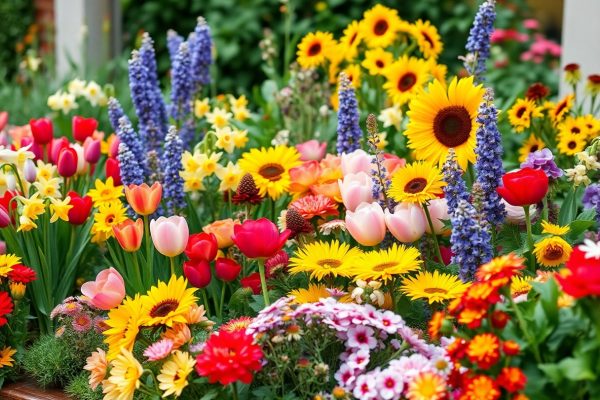
Using complementary colours creates vibrant energy and visual interest, making key features pop. For example, pairing orange marigolds with purple asters can energise your garden space. Conversely, an analogous scheme, like lavender next to soft pinks, invokes tranquillity, perfect for restful nooks. Balancing these techniques allows you to engage different senses and moods in various garden areas, enhancing your overall design strategy.
Selecting Plants for Texture
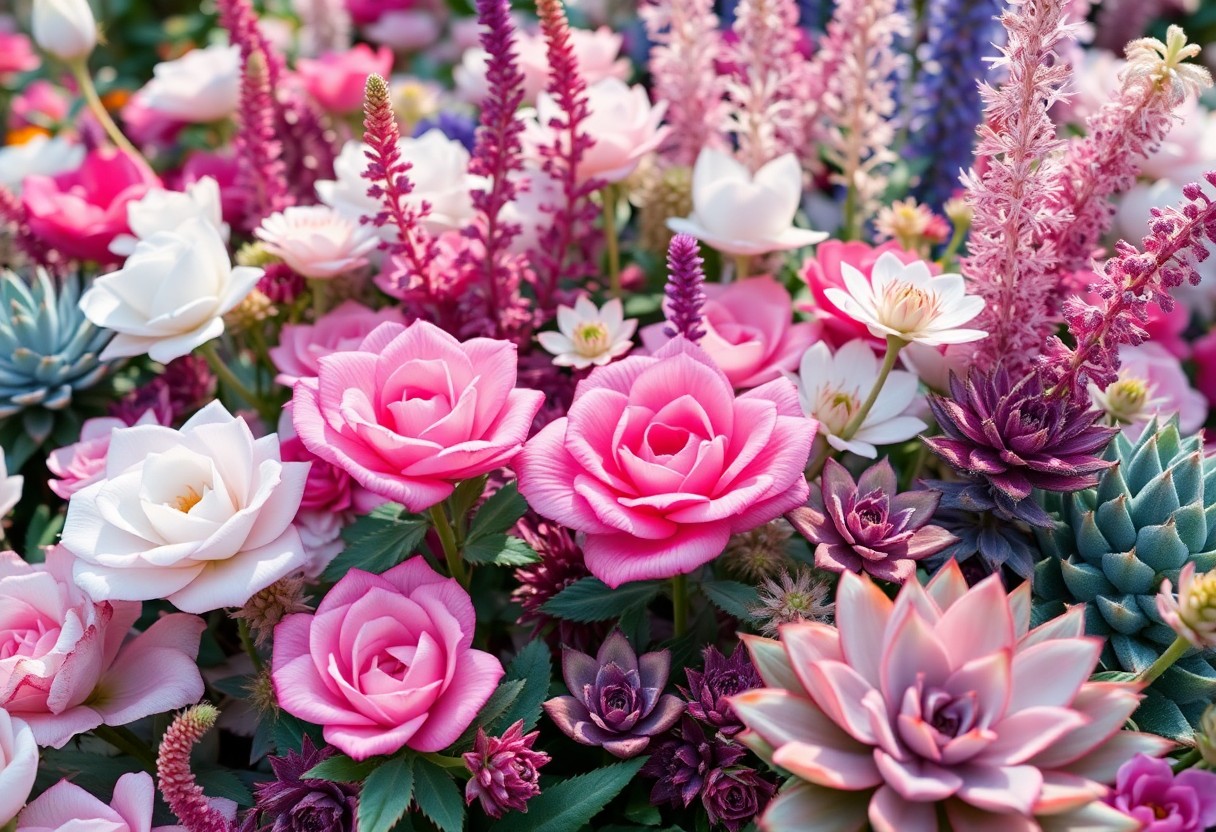
Incorporating texture into your flower garden not only enhances visual appeal but also adds depth and interest. Choosing plants with varying textural qualities allows you to create a garden that captivates both the eyes and the senses. Focus on the distinctive characteristics of leaves and flowers to establish a rich tapestry of colours and textures that will evolve throughout the seasons.
Leaf Shapes and Sizes
Leaf shapes and sizes serve as a primary source of texture in your garden. From the broad, flat leaves of gunnera to the delicate, feathery fronds of astilbe, varying leaf forms create contrasts that can enhance depth. Consider combining large-leaved plants with those that bear slender, whorled, or finely cut foliage to achieve a dynamic effect.
Flower Petal Textures
Flower petals offer an exciting range of textures, from velvety to waxy and smooth to frilled. Selecting flowers such as peonies with their lush, ruffled petals alongside the sleek blooms of dahlias can create a striking interplay. This textural diversity can elevate your garden design and encourage exploration, making it a sensory experience.
Choosing the Right Plants
Selecting the appropriate plants is crucial for a vibrant flower garden. Consider your local climate, soil type, and the amount of sunlight different areas receive. Researching native species can enhance the garden’s health and reduce maintenance while providing food and habitat for local wildlife. Balance your choices between bloom time, colour, and texture to create a visually appealing arrangement throughout the seasons.
Seasonal Blooms
Incorporating seasonal blooms ensures your garden has a continual display of colour. Choose early spring crocuses and tulips, followed by summer favourites like roses and dahlias, transitioning into autumn hues with asters and chrysanthemums. This strategy keeps your garden lively and offers varied experiences throughout the year.
Perennials vs. Annuals
Understanding the difference between perennials and annuals can significantly affect your garden’s design. Perennials return year after year, providing a stable foundation, while annuals offer vibrant bursts of colour that can change seasonally. Your choices can define not just the look but also the maintenance level of your garden.
Perennials, such as peonies and lavender, require less routine planting and tend to thrive in your garden with minimal effort once established. They are often hardier, adapting to changing conditions year on year. In contrast, annuals, like petunias and marigolds, need replanting each season, providing you the freedom to experiment with different colours and combinations. This choice impacts not only aesthetics but also your time commitment, allowing you to create a dynamic yet manageable flower garden that reflects your evolving preferences throughout the seasons.
Creating Color Schemes
Pertaining to creating a stunning flower garden, colour schemes play a pivotal role in determining the overall aesthetic. By understanding how to blend different hues, you can evoke emotions, highlight specific areas, and ensure a harmonious visual flow throughout your garden. Explore various techniques to select the right combinations that resonate with your style and enhance your outdoor space.
Monochromatic Designs
Monochromatic designs utilise varying shades and tints of a single colour to create a cohesive and sophisticated look. This approach allows you to play with intensity and texture, emphasising the intricate details of each flower. For example, incorporating light pinks alongside deep magentas can offer a striking and serene atmosphere, making your garden inviting and visually interesting.
Complementary Color Pairings
Complementary colour pairings involve using colours opposite each other on the colour wheel. This technique creates vibrant contrasts that can energise your space, making certain plants pop. For instance, pairing yellow blooms with purple foliage not only highlights the beauty of each colour but also draws attention to individual flower forms, creating a stunning focal point.
Utilising complementary colour pairings effectively involves careful consideration of bloom times and plant heights. For example, planting bright orange marigolds alongside deep blue lobelias can create a striking effect, especially when both flower types bloom simultaneously. Ensure the heights of your plants balance each other out, allowing for visibility and impact without overwhelming the garden’s design. By strategically placing these colours, you can enhance your garden’s vibrancy and create an engaging visual experience throughout the seasons.
Textures in the Garden
Incorporating diverse textures in your garden enhances its visual appeal and creates a multi-dimensional landscape. From the coarse bark of trees to the delicate petals of flowers, each element contributes to a tactile experience. Mixing smooth, glossy leaves with rough, fibrous plants adds depth and interest. To optimise this effect, consider planning your plant combinations deliberately, allowing contrasting textures to complement one another throughout the seasons.
Leaf Shape and Size
Leaf shape and size play a pivotal role in defining the overall texture of your garden. Broad, flat leaves create a lush, vibrant feel, while slender, elongated leaves introduce a sense of elegance. By selecting plants with varied leaf forms, you can create striking contrasts that draw the eye. For instance, pairing the large, round leaves of hostas with the fine, needle-like foliage of certain conifers can yield impressive visual results.
Using Foliage for Interest
Foliage is not merely a backdrop to your flowers; it can be vibrant and engaging in its own right. Consider varieties with unique colouration, such as the deep purple leaves of ‘Black Pearl’ ornamental pepper or the bright variegation of caladiums. This seasonal vibrancy not only enhances the aesthetic but can carry your garden through periods when blooms may be scarce, ensuring continuous visual interest throughout the year.
Focus on incorporating a mix of evergreen and deciduous foliage, which offers a variety of textures and colours across seasons. Plants like the silvery leaves of lamb’s ears can contrast beautifully with the darker greens of ferns. You might also experiment with textures by adding ornamental grasses that sway gently in the breeze, adding movement and life. Consider the stunning impact of plant combinations where foliage takes centre stage, and utilise the natural palette of textures in plants to create a narrative in your garden space.
Seasonal Considerations
To create a vibrant flower garden, you must consider the seasonal variations that affect plant growth and appearance. It’s important to understand which flowers thrive in each season, allowing you to plan your garden for year-round beauty. Consulting resources like 12 Tips for Designing a Beautiful Flower Garden can provide additional insights on how to achieve this.
Year-Round Color
Incorporating plants that bloom at different times ensures your garden enjoys colour throughout the year. Choose spring-flowering bulbs like daffodils and tulips, followed by summer stalwarts such as echinacea and daylilies. For autumn, consider asters and chrysanthemums, while evergreens like holly provide structure and interest during winter.
Seasonal Blooms and Foliage
Understanding the specific bloom times of your chosen plants allows for strategic layering, ensuring your garden remains dynamic. The combination of early, mid, and late-season bloomers creates a seamless transition between seasons, while foliage variations—like variegated leaves or vibrant autumn colours—further enrich the aesthetic.
For a comprehensive display, intertwine seasonal blooms with varied foliage. For instance, pairing the bold blooms of peonies in late spring with the texture of ornamental grasses can create an engaging visual transition. Consider incorporating plants like hellebores for early colour and positioning them alongside summer sensations like hydrangeas to maintain a flow of colour. Additionally, specific plants, such as autumn-hued maples or evergreens, can provide a strong backdrop, ensuring your garden remains captivating even in winter’s dormancy.

Planning Your Garden Layout
Effective garden layout is vital for creating a harmonious space that maximises colour and texture. Consider the overall shape and size of your garden, alongside pathways and seating areas, to achieve a balanced design. Use a garden plan to sketch out various zones, ensuring that taller plants are positioned to the back and shorter ones at the front, which allows for easy visibility and access. Rotating spaces for functionality, such as edible plants or leisure spots, can further enhance your garden’s usability and aesthetic.
Creating Focal Points
Focal points draw the eye and anchor your garden design. Incorporate striking features such as a single, bold plant, a sculpture, or a water feature to establish interest. Position these elements strategically, ensuring they complement your colour scheme and textures, while also serving as a visual guide throughout your garden spaces.
Layering Plants for Depth
Layering plants enhances depth and complexity in your garden. By arranging plants in varying heights, you create visual intrigue, while also ensuring that all flowers receive adequate sunlight. Consider using a mix of perennials and annuals; for example, taller hollyhocks can stand at the back, with mid-height daisies and short lavender lined in front, establishing a tiered effect.
Utilising layering effectively involves grouping plants in threes or fives to create a natural flow. This arrangement provides not only depth but also visual continuity, leading your eye through the garden. Incorporating architectural plants, such as ornamental grasses or leafy foliage, amidst flowering plants can enhance this effect. The combination of different heights, shapes, and textures—like the soft fronds of ferns contrasted with robust daisies—will add richness to your space, creating a garden that feels both vibrant and serene. Consider seasonal blooming patterns as well, to ensure that your layered design offers continual interest throughout the year.
Layering for Depth
To enhance the visual appeal of your flower garden, layering provides vital depth and structure. By arranging plants at various heights, you create an engaging and dynamic landscape. This technique not only showcases your blooms but also ensures that smaller plants aren’t overshadowed by taller ones, contributing to a more cohesive and balanced garden design.
Vertical Layering Techniques
Utilising vertical layering techniques can elevate your garden’s aesthetic significantly. Position taller plants like sunflowers or hollyhocks at the back or centre, ensuring they provide a backdrop for mid-height plants such as coneflowers. Edging with shorter varieties, such as pansies or alyssum, creates an appealing, tiered effect that draws the eye and adds dimension.
Ground Cover Options
Incorporating ground cover plants is vital for filling empty spaces and preventing weeds. Options like creeping thyme or ajuga not only suppress weeds but also add lush greenery and texture under taller plants. Selecting ground covers that bloom in different seasons can provide continuous interest and colour throughout the year.
Ground cover plants also serve practical purposes, such as improving soil moisture retention and reducing erosion. For instance, the low-growing sedum varieties thrive in poor soil, making them perfect for rocky areas or dry spots. Mixing textures, with plants like moss or low fescue, alongside flowering ground covers enriches your garden’s visual tapestry and offers diverse habitats for beneficial wildlife.
Seasonal Considerations
When designing your flower garden, taking into account the changing seasons is fundamental to ensuring year-round beauty and interest. Each season brings its own palette and texture, which you can harness to create a dynamic landscape. Varieties that bloom at different times will help maintain vibrancy, while foliage changes in autumn enrich the overall aesthetic. Choosing appropriate plants for each season can transform your garden from a blossoming spring retreat to a warm autumn retreat.
Spring and Summer Color Schemes
In spring and summer, opt for bright, lively colour schemes featuring flowers like tulips, dahlias, and petunias. These blooms provide a burst of energy, drawing the eye with their vivid hues. Incorporating contrasting shades such as deep blues alongside bright pinks can create striking visual interest, while pastel tones offer a softer aesthetic. Grouping plants of similar colours will amplify the overall impact, ensuring your garden radiates warmth and vibrancy during the sunnier months.
Autumn Textures and Colors
As autumn approaches, the focus shifts to warm, earthy tones and varied textures. Plants like asters or chrysanthemums bring rich hues of burgundy, mustard, and burnt orange, creating a cosy atmosphere. Additionally, the fading foliage of perennials can offer interesting shapes and textures, adding depth to your garden’s appearance.
To further enhance the autumn display, consider incorporating ornamental grasses and seed heads, which provide movement and contrast against the colourful backdrop. For instance, the feathery plumes of Miscanthus or the striking seed heads of Echinacea can add height and a tactile dimension. Layering plants with distinct textures, like the smooth leaves of sedums juxtaposed with the spiky forms of thistles, will enrich the visual complexity. Paying attention to these details helps your garden remain captivating as it transitions through the season.
Maintenance and Care
To keep your flower garden thriving, regular maintenance is crucial. This involves watering, weeding, and checking for pests or diseases. It’s beneficial to set a routine schedule, ensuring you attend to your plants at least once a week. Proper care not only prolongs the life of your blooms but also enhances their overall appearance, making your garden a vibrant and inviting space.
Pruning for Aesthetics
Pruning is vital for maintaining the shape and health of your plants. By removing dead or excess growth, you promote better air circulation and light penetration, which can lead to more vigorous blooms. Focus on pruning after flowering, when plants are ready to rejuvenate, thereby ensuring your garden retains its aesthetic appeal throughout the seasons.
Fertilization and Soil Health
Healthy soil sets the foundation for a flourishing flower garden. Regularly testing your soil helps you understand its nutrient levels, allowing you to choose the right fertiliser. Organic options, like compost or well-rotted manure, provide crucial nutrients while improving soil structure. Aim to fertilise during the growing season to give your plants the boost they need.
Testing your soil can reveal deficiencies in nitrogen, phosphorus, or potassium, which are critical for flower growth. You should consider using a slow-release fertiliser, which provides steady nutrient access over time. Incorporating organic matter enriches the soil and helps retain moisture, promoting robust root development. Adjust your fertilisation strategy based on the specific needs of the flowers you’ve planted, ensuring they receive the right balance for optimal growth and vitality.

Maintenance and Care
Regular maintenance and care are vital for a thriving flower garden. Invest time in your plants by ensuring they receive adequate nutrients, water, and attention. This will enhance their health and longevity. Consider consulting 12 Tips on How To Use Color Effectively In The Garden for valuable insights on maintaining the aesthetic appeal of your garden throughout the seasons.
Watering and Soil Requirements
Your flower garden’s success significantly depends on proper watering and soil quality. Ensure that your chosen plants have the appropriate moisture level; too much or too little can lead to stress or disease. Aim for well-draining soil rich in organic matter, as this will promote healthy root systems and vibrant blooms.
Pruning and Deadheading
Pruning and deadheading are vital practices to encourage new growth and prolong flowering. Regularly remove spent blooms to redirect energy into developing fresh flowers, which results in a more vibrant display. Additionally, prune back any overgrown or damaged stems to maintain the overall shape and health of your plants.
Effective pruning requires understanding the specific needs of each plant type. For instance, certain perennials thrive on being cut back in late winter, while others benefit from summer pruning to boost new growth. Employ sharp, clean tools to avoid causing harm, and consider timing your efforts to coincide with the plant’s natural growth cycles for optimal results.
Summing up
Ultimately, creating a harmonious flower garden involves careful consideration of both colour and texture. By selecting a varied palette and contrasting textures, you can achieve visual interest and dynamic beauty. Aim for a combination of bold and subtle hues alongside different leaf shapes and flower structures to enhance your garden’s appeal. Pay attention to seasonal changes and plan for continuous blooms to maintain interest throughout the year. With these tips, you can design a flower garden that reflects your personal style and thrives in your environment.
Conclusion
Presently, as you design your flower garden, focus on the interplay of colour and texture to create a captivating space. By selecting a harmonious palette and incorporating varied foliage, you can enhance visual interest and depth in your garden. Consider the seasonal changes and how different plants will complement each other throughout the year, ensuring a vibrant display. Ultimately, your thoughtful choices will result in a beautiful garden that reflects your personal style and invites enjoyment.
You may also like