Perennials vs Annuals – What’s Best for Your Garden?
Most gardeners find themselves choosing between perennials and annuals when planning their gardens. Understanding the differences between these two types of plants can greatly influence your gardening success. Perennials return year after year, providing long-term beauty, while annuals offer vibrant colour for a single season. This post will guide you through the benefits and considerations of each, helping you make informed decisions that suit your garden’s needs and your personal style.
Key Takeaways:
- Perennials offer long-term growth and return year after year, whereas annuals require replanting each season.
- Annuals typically provide vibrant, immediate colour, while perennials may take time to establish but can contribute to garden structure.
- Consider your garden’s climate and maintenance preferences when deciding between perennials and annuals for optimal results.
Understanding Perennials
Perennials are plants that live for more than two years, often flowering multiple times throughout their lifespan. They typically enter a dormant phase in winter and regrow in spring, providing ongoing beauty and diversity to your garden. With an extensive range of species, perennials can thrive in various climates and soil types, making them a versatile choice for gardeners.
Definition and Characteristics
Perennials are defined as plants that return each year without the need for replanting. Their life cycles can span from a few years to several decades, with characteristics such as deep root systems allowing them to withstand drought conditions. Many perennials, such as peonies and daylilies, exhibit unique foliage and vibrant blooms, enhancing the aesthetic appeal of your garden.
Benefits of Perennials
Choosing perennials for your garden offers several benefits, including lower long-term costs and reduced maintenance. Once established, they require less water, fertiliser, and care than annuals, as their roots dig deeper into the soil. This resilience contributes to the sustainability of your gardening efforts as perennials can improve soil health and provide habitat for wildlife.
Furthermore, perennials create a stable planting structure in your garden. For instance, many species bloom at different times throughout the growing season, ensuring continuous colour and interest. This longstanding presence allows you to spend less time planting each year and more time enjoying the floral displays and the accompanying wildlife, such as pollinators, that they attract. You’ll often find them thriving in a range of conditions, adapting beautifully to the seasonal changes in your garden while enhancing overall biodiversity.
Understanding Annuals
Definition and Characteristics
Annuals are plants that complete their life cycle within a single growing season, germinating, flowering, and dying within a year. These plants typically bloom profusely, offering vibrant colours and varied textures until the first frost interrupts their life. Examples include petunias, marigolds, and zinnias, all celebrated for their ability to fill your garden with instant impact and seasonal beauty.
Benefits of Annuals
Annuals bring numerous advantages to your garden, including vibrant colour and extended blooming periods. They allow you to experiment with a wide variety of plants each year, giving you the flexibility to change your garden’s aesthetics and themes as you see fit. This adaptability makes them ideal for gardeners who enjoy seasonal variety and innovation.
Beyond aesthetic appeal, annuals are often easier to nurture than perennials, as they typically require less maintenance once established. You can plant them at intervals throughout the season to ensure consistent colour and interest. Additionally, since annuals only last one season, you can decide to change them up each year, which permits ongoing experimentation with different combinations and arrangements in your garden. This aspect is particularly beneficial for you if you enjoy trying new gardening trends or colour schemes without committing to longer-term plants.

Key Differences Between Perennials and Annuals
Understanding the distinctions between perennials and annuals is crucial for successful gardening. Perennials tend to establish lengthy lifespans, returning year after year, whereas annuals complete their life cycle within a single growing season, demanding replanting annually. This fundamental difference influences your garden’s sustainability, appearance, and maintenance requirements, making it vital to consider your gardening goals when choosing the right plants.
Lifespan and Growth Patterns
Perennials typically live for several years, often blooming in various seasons, while annuals thrive for a single growing season before dying back. This growth pattern means perennials establish roots and foliage over time, yielding a more robust garden structure, whereas annuals deliver quick bursts of colour and vitality but require consistent replacement.
Maintenance and Care Needs
With respect to maintenance, perennials generally demand less frequent attention after their initial establishment; however, they might need division every few years to thrive. In contrast, annuals necessitate regular planting, watering, and fertilising to ensure continual blooms throughout their short lifespan. Understanding these care needs will guide you in choosing the right plants that fit your gardening style and availability.
Perennials require a bit more initial investment in terms of planning and soil preparation, often benefiting from mulching and periodic fertilisation to encourage optimal growth each spring. They may need dividing every three to five years to maintain their vigour and enhance blooming. On the other hand, annuals flourish with consistent care throughout the growing season, demanding regular deadheading to prolong their flowering and monitoring for pests due to their susceptibility. Balancing these needs against your gardening schedule will lead to a thriving and lively garden space.
Choosing the Right Plants for Your Garden
When deciding on plants for your garden, consider both your local climate and the specific conditions of your soil. Knowing your hardiness zone can guide you in choosing perennials or annuals that thrive in your environment, while testing your soil can reveal its pH and nutrient levels, ensuring optimal plant health. Take time to assess the sunlight exposure and moisture availability in your garden, as these factors significantly influence plant growth and survival.
Climate and Soil Considerations
Your local climate and soil type play vital roles in plant selection. For instance, dry or sandy soils may benefit from drought-resistant species, whereas heavy clay might necessitate plants that adapt well to poor drainage. Additionally, if you live in a region with severe winters, selecting hardy perennials or annuals that can withstand frost will enhance your garden’s longevity.
Design and Aesthetic Factors
Designing your garden involves more than just plant selection; aesthetics are just as important. Consider the colour schemes, flowering times, and textures of plants to create visual harmony. Combining perennials with annuals can provide year-round interest and colour. Think about the height and spread of plants, ensuring taller varieties are placed at the back and shorter ones at the front for optimal visibility and balance.
- Variety is your ally, incorporating plants with varying bloom times.
- Use contrasting foliage for added dimension.
- Aim for a natural flow to guide the eye through your garden.
- Consider the seasonal changes in design to maintain interest year-round.
- The arrangement of these elements will enhance the overall appeal of your garden.
A thoughtful design approach can elevate your garden, allowing you to enjoy its beauty through every season. By mixing textures and colours, you create a living canvas that changes throughout the year. For example, pairing the fine foliage of ferns with the bold leaves of hostas provides striking contrast. Layering plants with diverse heights and shapes also contributes to a more dynamic landscape. The careful selection of both form and colour will ensure your garden remains visually stunning.
- Choose plants that bloom at different times to maintain visual interest.
- Incorporate pathways or focal points for structure and navigation.
- Mix evergreen and deciduous plants for year-round appeal.
- Style your garden according to your personal taste and local aesthetics.
- The thoughtful arrangement of these elements will create cohesive designs that delight throughout the seasons.

Combining Perennials and Annuals
Integrating both perennials and annuals in your garden can create a vibrant and diverse landscape. Combining these plant types allows you to enjoy the longevity of perennials alongside the seasonal highlights from annuals. This mixture helps fill gaps and ensures that your garden remains visually appealing throughout the year. For more insights on the differences between these plant categories, explore Annual vs Perennial Flowers: What’s the Difference?.
Creating a Balanced Garden
A balanced garden plan includes a mix of both perennials and annuals. Consider selecting a variety of plants that bloom at different times, ensuring flowers grace your garden from spring through autumn. Choosing a blend not only enhances visual appeal but also supports biodiversity, providing habitats for beneficial insects and wildlife.
Seasonal Color and Interest
Seasonal colour and interest are vital in keeping your garden lively. Annuals typically provide vibrant displays with their bold colours and diverse forms, while perennials contribute structure and foliage throughout the seasons. This combination means you can enjoy an ever-changing panorama in your outdoor space.
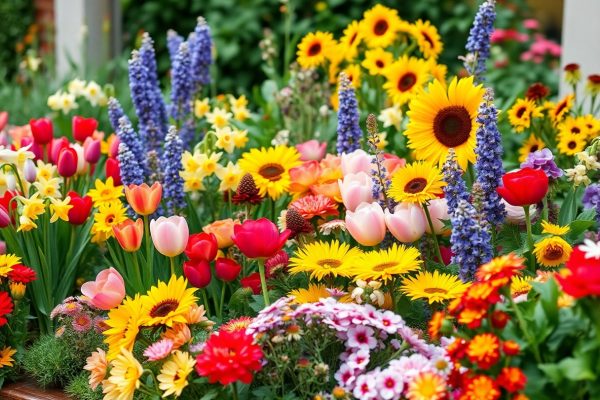
For instance, pairing early-spring-blooming perennials like tulips or daffodils with summer-flowering annuals such as petunias or marigolds will ensure your garden is never dull. As perennials establish their roots and grow, you can introduce new annuals each year for variety and seasonal flair. This strategy not only maximises your garden’s potential but also allows for creative expression as you experiment with different colour schemes and plant combinations.
Common Misconceptions
Numerous misconceptions surround the differences between perennials and annuals that can mislead gardeners. Many assume that perennials require less effort, while others believe annuals provide a lack of longevity. However, both plant types bring unique challenges and rewards. You can explore more about these differences in this resource: Annual vs. Perennial – A Harmony of Differences Make …
Myths About Perennials
A common myth about perennials is that they are maintenance-free once established. While perennials can survive for years, they often require regular care, including pruning, dividing, and monitoring for pests and diseases to thrive in your garden.
Myths About Annuals
There’s a belief that annuals are less valuable than perennials because they die after one season. In reality, annuals can provide vibrant blooms and a diverse palette for your garden, contributing to a dynamic landscape each year. Their ability to establish quickly allows them to be used for seasonal impact, filling gaps as perennials mature.
Conclusion
Upon reflecting, the choice between perennials and annuals for your garden ultimately hinges on your specific needs and gardening style. Perennials provide longevity and established beauty, returning year after year with minimal effort on your part. Conversely, annuals offer vibrant bursts of colour and flexibility, allowing you to experiment with your plantings each season. Consider your garden’s environment, your commitment to maintenance, and the aesthetic you wish to achieve, as these factors will guide you in selecting the most suitable options for a flourishing garden.
FAQ
Q: What are the main differences between perennials and annuals?
A: Perennials are plants that live for more than two years, returning each growing season, while annuals complete their life cycle in one year and must be replanted each season. Perennials typically have deeper root systems, making them more resilient to drought.
Q: Which type of plant is easier to maintain in a garden?
A: Annuals often require more maintenance as they need to be replanted every year. In contrast, perennials may need less frequent care once established, as they re-emerge each season without replanting.
Q: Can perennials and annuals be planted together in the same garden?
A: Yes, they can be effectively combined to create a vibrant garden. Perennials provide structure and long-lasting beauty, while annuals add seasonal colour and variety.
Q: When is the best time to plant perennials and annuals?
A: Perennials are typically best planted in spring or autumn, aligning with their growing seasons. Annuals can be sown in spring after the last frost for optimal growth throughout the summer.
Q: What are the advantages of choosing perennials over annuals?
A: Perennials often require less effort in the long term, as they do not need to be replaced each year. They are also generally hardier and can provide consistent colour and interest in the garden throughout the seasons.
You may also like