

Mastering the Art of Espalier
You can transform your garden into a striking display by mastering the art of espalier. This technique of training plants to grow flat against a structure offers both aesthetic appeal and maximises limited space. You’ll learn the important methods for selecting the right plants, creating your framework, and maintaining your espaliers for optimal growth and elegance. With careful planning and a bit of patience, you can create a captivating focal point that enhances your outdoor area while yielding delicious fruits or beautiful blooms.
Key Takeaways:
- Espalier allows for effective space utilisation and creative garden design.
- Regular pruning is vital for maintaining shape and encouraging fruit production.
- Choose the right fruit varieties and training methods for optimal results.
The History of Espalier
The practice of espalier has a rich history, dating back to ancient civilisations where it served both aesthetic and practical purposes. Initially employed by the Romans for fruit production, it allowed for greater sunlight exposure and ease of maintenance. Over time, this technique spread across Europe, becoming particularly popular in French and Italian gardens during the Renaissance, symbolising sophistication and control over nature.
Origins and Historical Significance
Your journey into espalier begins in ancient Rome, where this technique was not merely a gardening style but a testament to civilisation’s relationship with nature. Romans utilised espalier to maximise land usage, showcasing their agricultural prowess. Over centuries, it evolved into an art form, reflecting cultural values of beauty and order in gardens, particularly during the Renaissance when it became synonymous with aristocratic gardens.
Evolution of Techniques
As you engage with espalier, it’s important to understand how techniques have progressed over time. Initially simple in design, methods have evolved with horticultural knowledge, allowing for greater complexity in shape and form. Contemporary gardeners often adopt methods that were refined through centuries of practice, integrating modern tools and materials that enhance both functionality and aesthetics.
Historically, espalier designs began with basic horizontal and vertical patterns before evolving into the more intricate fan, cordon, and lattice forms popular in modern gardens. Techniques from the Renaissance period, such as using horizontal branches to maximise sun exposure, are now combined with contemporary practices like grafting and utilising trellises. You benefit from centuries of refinement, as today’s methods enable more diverse plant selections, cultivate a variety of fruits, and create stunning visual effects in your garden space.

Tools and Materials
Having the right tools and materials is vital for successful espalier. You will need specific equipment to ensure your plants grow effectively along your chosen framework. Quality tools not only ease the process but also help maintain the health and shape of your plants. Selecting the appropriate materials for support will enhance both the aesthetics and longevity of your espalier design.
Essential Tools for Espalier
You’ll find a few key tools indispensable for espalier. Pruning shears are vital for shaping and maintaining your plants, while garden twine or soft ties will secure branches to supports without damaging them. A sturdy trellis, made from wood or metal, provides the necessary structure for your plants to grow against, and hand saws or loppers will be needed for larger branches. Investing in these tools will facilitate a smooth and efficient espalier experience.
Selecting the Right Plants
Your choice of plants plays a significant role in the success of your espalier project. Opt for varieties that are naturally inclined to grow flat, such as apple or pear trees, as they respond well to shaping. Flowering shrubs like clematis or climbing roses can also enhance your design, adding vivid colours and texture. Consider the climate in your area, ensuring that the plants you select are hardy and suited for your garden’s environment.
When dicking out plants for your espalier, think about the growth habits and vigour. For example, standard apple trees can be trained effectively due to their robust branches, while more delicate plants may require additional support as they grow. Look for cultivars that are specifically bred for espalier, as these will often have a more adaptable growth pattern. Additionally, consider the eventual size of your plants to ensure they will fit the intended space without overcrowding. Knowledge of local microclimates and soil conditions will further inform your selection, ensuring a thriving espalier display.
Design Principles
Effective design principles underpin the success of espalier techniques, guiding you in the creation of a visually pleasing structure that integrates harmoniously into your garden. Understanding how to balance form and function ensures that your plants will not only thrive but also become focal points of your landscape. Utilising established design concepts such as symmetry, proportion, and rhythm will enhance the aesthetic appeal and help in achieving a perfect espalier masterpiece.
Understanding Shape and Space
In espalier, the manipulation of shape and space forms the foundation of your design. You can define the architecture of your garden by selecting appropriate framework shapes like fans, espaliers, or candelabras. The careful consideration of vertical and horizontal spaces allows you to create not only visual interest but also to optimise sunlight exposure and air circulation for your plants.
Layout Planning and Patterns
When planning your espalier layout, you must consider patterns that complement your garden’s overall style. Geometric designs, such as squares or triangles, can provide a structured appearance, while more organic lines can imbue a sense of flow. Utilising climbing plants or fruit trees requires you to map out the plant locations meticulously, ensuring they align with designated supports and highlight desirable features.
For effective layout planning and patterns in espalier, start by sketching your space on graph paper, identifying key focal points and existing structures. Aim to create a harmonious balance between plants and garden elements, using a repeated pattern to tie different areas together. Consider the growth habits of each plant, spacing them according to their mature size and ensuring they can easily be maintained. By incorporating varying heights and layered arrangements, you will not only enhance the beauty of your garden but also increase its functionality.
Training Techniques
Initial Planting and Setup
To successfully begin your espalier journey, select healthy, young plants suited to your climate and location. Position them against a solid structure, ensuring adequate sunlight and soil drainage. Create a sturdy frame using wires or wooden trellises positioned at intervals, typically between 30 to 60 centimetres apart, to guide your plants as they grow. Plant at a depth that supports strong root development, allowing the stems to be trained onto the framework immediately after planting.
Ongoing Maintenance and Pruning
Regular maintenance and proper pruning are crucial for the long-term success of your espalier. Aim to prune your plants in late winter or early spring to promote new growth and maintain shape. Regularly check for any unwanted shoots or clutter that could hinder airflow and light penetration, addressing these through selective cutting. Annual pruning not only shapes but also invigorates your plants, ensuring a healthy and aesthetically pleasing form.
Effective ongoing maintenance involves a balance of training and pruning for optimal growth. As new shoots develop, guide them along the designated framework, adjusting ties as needed to prevent girdling. Use sharp, clean tools when pruning to ensure precise cuts that heal quickly. During the growing season, assess your plants regularly for signs of disease or pests, and adjust your care to keep them vigorous and well-structured. By investing time each season, you will achieve a stunning espalier display that enhances your garden’s aesthetic appeal.
Common Challenges
Espalier gardening presents various challenges that can hinder your success. A keen understanding of typical issues, such as pests, diseases, and environmental factors, can significantly enhance your efforts. You can learn more about overcoming these hurdles by exploring Learning the Art of Espalier Gardening.
Pests and Diseases
Pests like aphids and diseases such as powdery mildew can threaten your espaliers. Vigilance in monitoring your plants and early intervention using organic pesticides and fungicides is necessary for maintaining their health.
Environmental Factors
Your espaliers are highly susceptible to environmental conditions, which can impact their growth. Factors such as temperature fluctuations, wind exposure, and sunlight availability play significant roles in their success. Adjusting your care routine based on the weather and the specific needs of your plants ensures better results.
- Planting in well-drained soil improves root health.
- Providing adequate sunlight aids photosynthesis, enhancing growth.
- Utilising windbreaks can protect your trees from damage.
- Ensuring consistent watering helps combat environmental stress.
- Knowing how to adapt to seasonal changes enhances sustainability.
A thorough understanding of your local climate can further aid the successful management of your espaliers. Consideration of hardiness zones and microclimates in your garden allows you to select suitable species for your conditions. You may want to conduct regular soil tests to assess nutrient levels and adjust fertilisation routines accordingly.
- Identifying shade patterns assists in optimal placement.
- Monitoring humidity levels informs watering practices.
- Utilising mulch helps retain soil moisture, reducing stress.
- Adapting your training techniques with the seasons ensures ongoing growth.
- Knowing the signs of environmental stress leads to timely intervention.
Innovative Espalier Designs
Exploring innovative designs allows you to push the boundaries of traditional espalier. Unique patterns, such as geometric shapes or free-form sculptures, create an eye-catching focal point in your garden. Consider incorporating elements like lighting or mixed materials for added depth. For inspiration, check out The Art of Espalier.
Traditional vs. Modern Styles
Traditional espalier often follows strict frameworks with symmetrical patterns, typically training fruit trees apart from decorative ones. In contrast, modern styles may embrace asymmetry and creativity, allowing for a more organic approach. You can choose to merge these styles, enhancing your garden’s charm with a blend of old and new aesthetics.
Creative Uses in Landscaping
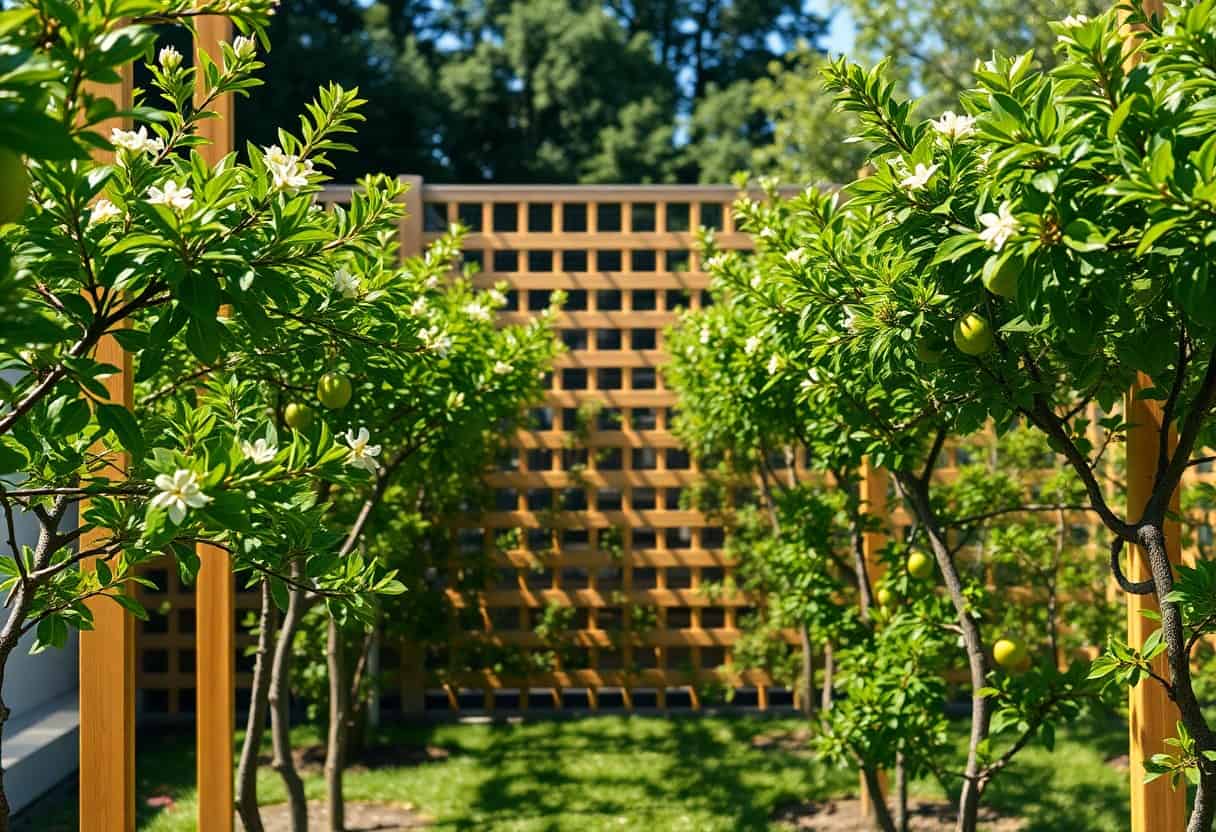
You can integrate espalier techniques into your landscaping design by using trained trees as living walls or privacy screens. These vertical gardens save space while providing a stunning backdrop for your outdoor spaces. Moreover, they can frame pathways or highlight architectural features, enhancing visual interest.
In practice, using espalier in landscaping can transform mundane areas into distinctive segments of your garden. For instance, a row of apple trees trained against a fence not only produces fruit but also serves as an attractive boundary. This technique is particularly beneficial in smaller gardens, where space is at a premium, allowing you to maximise utility without sacrificing style. Consider adding contrasting foliage or seasonal flowers at the base to create an even more dynamic landscape.
To wrap up
Upon reflecting, mastering the art of espalier offers you not only an aesthetic enhancement to your garden but also maximises your growing space. By carefully selecting suitable plants, understanding their growth habits, and consistently training them along designated structures, you can create stunning living sculptures. Your dedication to this technique will yield both beauty and a rewarding harvest, making your garden a unique and productive sanctuary.
FAQ
Q: What is espalier?
A: Espalier is a gardening technique that involves training trees or shrubs to grow flat against a structure or support. This method enhances fruit production, conserves space, and provides an aesthetically pleasing garden feature.
Q: What types of plants are suitable for espalier?
A: Common plants used for espalier include fruit trees like apple, pear, and plum, as well as ornamental species such as jasmine and ivy. Selecting varieties that respond well to pruning and training is vital for success.
Q: How do I start an espalier project?
A: To begin an espalier project, choose a suitable location that receives ample sunlight. Obtain a young tree or plant, prepare a sturdy support structure, and start training the branches by tying them to the framework using soft materials like twine.
Q: What maintenance does espalier require?
A: Espalier requires regular pruning to maintain the desired shape, as well as periodic tying and adjusting of branches as they grow. Additionally, watch for pests and diseases and provide adequate water and nutrients to support healthy growth.
Q: Can espalier be done on walls or fences?
A: Yes, espalier can be effectively done on walls or fences, which serve as excellent support for the plants. Ensure the chosen surface allows for proper drainage and that the chosen plants can thrive in that environment.
You may also like


