How to Prevent Common Flower Garden Pests and Diseases
You have the power to safeguard your flower garden from pests and diseases that threaten its beauty and health. With the right practices, you can create an environment where your blooms thrive, free from unwanted intruders. This guide provides you with vital strategies to maintain the vitality of your flowers, ensuring they remain vibrant and flourishing throughout the season. By implementing these preventative measures, you can enjoy a more resilient and delightful garden landscape.

Key Takeaways:
- Maintain healthy soil through regular composting and appropriate fertilisation to support plant resilience.
- Implement crop rotation and companion planting to deter pests and reduce disease spread.
- Regularly inspect plants for early signs of pests or diseases and act promptly with organic treatments.

Understanding Common Flower Garden Pests
Identifying the various pests that can infiltrate your flower garden is fundamental to maintaining its health. From aphids and slugs to thrips and whiteflies, each pest presents unique challenges. Familiarising yourself with these common threats allows you to adopt targeted control strategies. Investing time in learning about the habits and life cycles of these pests can make all the difference in keeping your blooms vibrant.
Identifying Common Pests
Common flower garden pests can easily be recognised by specific characteristics. Aphids are small, green or black insects often found in clusters on new growth, while slugs leave a trail of slimy mucus and chew irregular holes in leaves. Examine the underside of leaves for spider mites, which produce fine webs, or check for the presence of whiteflies that flutter up when disturbed. Knowing what to look for is key to early intervention.
Signs of Infestation
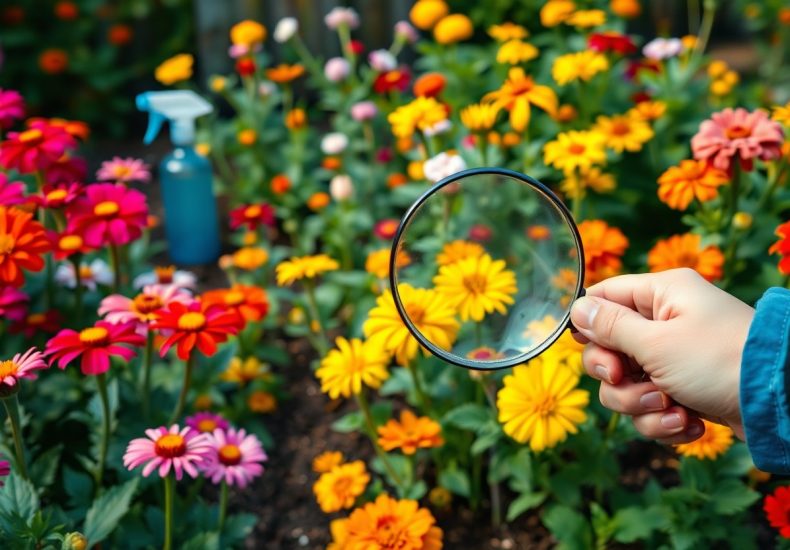
Detecting signs of infestation early can save your garden from severe damage. Yellowing leaves and stunted growth are indicative of pest presence, while wilting flowers may suggest root damage. Additionally, look for visible excrement or honeydew, sticky residues left by pests like aphids, which can attract ants and lead to sooty mould. Don’t overlook the deteriorating plant health—these symptoms often signal the need for immediate action to protect your flowers.
Besides changes in colour and growth, observing your plants for physical damage should raise alarm bells. Leaf curling is a tell-tale sign of infestation, especially when combined with visible pests. The presence of webs or discoloured patches can indicate spider mites or fungal issues linked to pests. Even a subtle decline in flowering can point to pest or disease stress. Hence, it’s necessary to inspect your garden regularly, enabling you to catch these signs early and implement remedial measures promptly.
Common Flower Diseases
Flower gardens often face threats from a variety of diseases which can significantly diminish plant health and beauty. Common ailments include powdery mildew, black spot, and root rot. Identifying these diseases early is key to mitigating their impact. For more information, visit Pests and Diseases – Home Gardening.
Symptoms of Flower Diseases
You may notice various symptoms indicating your flowers are unwell, such as wilting, discolouration, or unusual spots on leaves. Leaf drop and unusual growth patterns can also signal a disease. If you observe any of these signs, it’s vital to act swiftly to diagnose the issue.
Prevention Methods
Preventing flower diseases involves a combination of good gardening practices, including ensuring proper air circulation, avoiding overcrowding plants, and maintaining healthy soil. Regular inspection of your plants allows for early detection of any issues.
To effectively prevent flower diseases, practise crop rotation to avoid planting susceptible species in the same area consecutively. Ensuring that you do not wet the foliage during watering can also reduce fungal risks. Introducing disease-resistant varieties is another strategy, as some plants are bred to withstand specific ailments. Consistent maintenance, including removing dead leaves and debris, further enhances your garden’s resilience against diseases.
Preventive Measures for Pests
Implementing preventive measures significantly reduces the risk of pest infestations. Practising diversity in your garden by mixing different plant species can confuse pests and disrupt their life cycles. Regularly checking your plants for early signs of trouble, maintaining a clean garden space, and promptly removing dead or diseased plant matter are effective strategies to control pest populations before they escalate. Additionally, providing adequate space between plants enhances air circulation, contributing to healthier growth and discouraging pest establishment.
Cultural Practices
Cultural practices play a vital role in pest management. You should adopt techniques such as proper watering, ensuring that plants are not over or underwatered, which can weaken plants and make them more susceptible to pests. Implementing companion planting, where beneficial plants are placed near vulnerable species, can naturally deter pests while promoting a balanced ecosystem in your garden.
Natural Remedies
Utilising natural remedies can be an effective way to combat common garden pests without resorting to harmful chemicals. You might consider using neem oil, which disrupts the life cycle of pests, or introducing beneficial insects like ladybirds that prey on aphids. Other options include garlic spray, which repels a range of insects, and diatomaceous earth, which can deter crawling pests by damaging their exoskeletons.
Natural remedies not only protect your plants but also promote a healthier garden environment. For instance, neem oil is derived from the seeds of the neem tree and acts as a repellent, insect growth regulator, and fungicide. This multi-functionality makes it a favourite among organic gardeners. Garlic, with its strong scent, is effective against aphids and spider mites when mixed with water and sprayed onto infested areas. Combining these remedies with good horticultural practices ensures that your garden remains vibrant while keeping pests at bay.
Disease Management Strategies
Effective disease management strategies are crucial for maintaining a vibrant flower garden. Start by monitoring your plants regularly for early signs of disease, such as wilting leaves or unusual spots. Practising crop rotation can disrupt disease cycles, while removing infected plants promptly helps prevent spread. Employing resistant varieties offers an additional safeguarding measure, and integrating biological controls, such as beneficial fungi and bacteria, can further bolster your plants’ defences against diseases.
Proper Watering Techniques
Proper watering techniques significantly influence plant health and disease prevention. Watering in the early morning reduces moisture on leaves overnight, minimising the risk of fungal infections. Aim to water deeply but infrequently, encouraging roots to grow deeper and improving drought resistance. Utilizing a drip irrigation system can also help deliver water directly to the soil, thus reducing leaf wetness and associated disease risks.
Soil Health and Fertility
Soil health and fertility are foundational to a thriving flower garden. Healthy soil supports robust plant growth, making them less susceptible to diseases. Regularly adding organic matter, such as compost or well-rotted manure, enhances soil structure and nutrient availability, while earthworms and beneficial microbes promote a balanced ecosystem.
Soil health is not just about nutrients; it’s about creating a living ecosystem. Testing your soil for pH, nutrient levels, and microbial activity can provide invaluable insights into what your plants need. Adjusting the soil based on these tests, such as adding lime to increase pH or sulphur to lower it, optimises growing conditions. Incorporating cover crops in the off-season not only prevents erosion but also improves soil structure and nutrient cycling, ensuring your plants flourish year after year.
Environmental Factors Affecting Pests and Diseases
Environmental factors play a significant role in the prevalence of pests and diseases within your flower garden. Changes in temperature, humidity, and soil conditions can directly impact plant health and susceptibility. Be mindful of the following:
- Temperature fluctuations can weaken plants.
- High humidity encourages fungal diseases.
- Soil quality affects nutrient availability.
- Wind patterns can spread pests and diseases.
The interplay of these factors dictates the overall resilience of your plants.
Climate Considerations
Climate directly influences pest behaviour and disease spread in your garden. Warmer temperatures may extend the growing season, but they also create favourable conditions for pests like aphids and whiteflies. Consider local climate patterns and adjust your planting schedules and pest management strategies accordingly to maintain an optimal environment for your flowers.
Plant Selection
Your choice of plants significantly impacts the likelihood of pest and disease issues. Opting for native and disease-resistant varieties can greatly enhance your garden’s resilience. Native plants are adapted to local conditions and less prone to pests. Moreover, selecting a mix of species helps to create a balanced ecosystem that can naturally manage pest populations.
When identifying plants, research their pest and disease resistance within your specific climate zone. For example, marigolds are known to deter nematodes and aphids, making them excellent companions for other flowering plants. By choosing a diverse range of hardy varieties, you can boost your garden’s overall health, making it less appealing to pests and resilient to diseases. This strategic selection arms you with a solid defence against potential issues.
Additional Tips for a Healthy Flower Garden
To enhance the vitality of your flower garden, consider implementing several straightforward strategies. These tips can foster a thriving environment and mitigate issues with pests and diseases.
- Use organic mulch to retain moisture and suppress weeds.
- Encourage beneficial insects by planting a variety of flowers.
- Ensure proper spacing between plants to improve air circulation.
- Monitor your garden regularly for early signs of trouble.
The combination of these practices will keep your garden flourishing throughout the growing season.
Companion Planting
Companion planting involves growing different plants in proximity for mutual benefits, such as pest deterrence and growth enhancement. For example, marigolds can repel harmful nematodes when planted alongside your flowers, while basil can improve the flavour and health of nearby flowering crops. Research which flowers pair well with your existing plants to maximise these benefits in your garden.
Regular Maintenance
Routine upkeep is key to maintaining a healthy garden. This includes watering, deadheading spent blooms, and checking for weeds or signs of disease. Regularly inspecting your plants allows you to identify issues before they escalate, ensuring your flowers remain vibrant and healthy.
Perform maintenance tasks weekly to keep your garden in top condition. Water early in the morning or late in the afternoon to reduce evaporation. Removing dead foliage encourages new growth and prevents the spread of diseases. Additionally, pruning overgrown plants can enhance air circulation, diminishing the likelihood of fungal infections. By dedicating time to regular maintenance, you create an environment where flowers can thrive and develop robustly.
Conclusion
So, to effectively prevent common flower garden pests and diseases, you should maintain good garden hygiene, ensure proper plant spacing for air circulation, and regularly inspect your plants for signs of trouble. Incorporating companion planting can also deter harmful insects, while natural remedies and organic treatments provide safe options for treatment. By remaining proactive and attentive to your garden’s needs, you can create a thriving environment for your flowers, minimising the risk of infestations and illnesses.
You may also like