Comparing Manual vs. Electric Garden Tools – Which Suits Your Needs?
Electric garden tools can significantly enhance your gardening experience, but choosing between manual and electric options depends on your specific requirements. In this post, we will explore the advantages and drawbacks of each type, helping you decide which tools best align with your gardening style, physical capabilities, and budget. Understanding your needs will ensure you make an informed choice that optimises your gardening efforts.
Key Takeaways:
- Manual tools generally offer greater control and are more environmentally friendly.
- Electric tools can save time and effort, making them ideal for larger gardens or heavy-duty tasks.
- Consider your gardening habits, physical strength, and the size of your garden when choosing between manual and electric options.
Overview of Garden Tools
Garden tools are crucial for effective horticulture, enabling you to maintain your outdoor spaces efficiently. These tools range from hand-held implements to powered machinery, each serving specific purposes. Selecting the right tools can greatly influence the ease and success of your gardening efforts.
Definition and Types
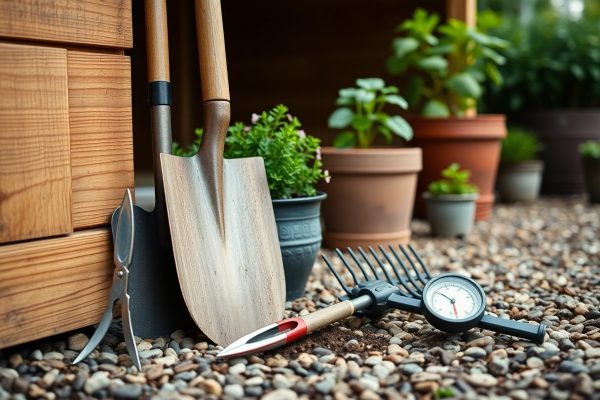
Garden tools are implements used for gardening tasks, aiding in planting, cultivating, and maintaining plants. Common types include hand tools, such as trowels and shears, and larger equipment like lawnmowers and hedge trimmers.
- Hand Tools: Trowels, spades, and pruners.
- Power Tools: Electric shears, chainsaws, and lawnmowers.
- Soil Tools: Rakes, hoes, and cultivators.
- Specialty Tools: Weeders and plant hoes.
- Garden Wheelbarrows: For transporting materials.
Any garden can benefit from the right combination of these tools to suit your specific tasks.
| Type of Tool | Example |
| Hand Tools | Trowel |
| Power Tools | Lawnmower |
| Soil Tools | Rake |
| Specialty Tools | Weeder |
Historical Context
The evolution of garden tools reflects societal changes and advancements in technology. Traditionally, gardening relied on simple hand tools made from wood and metal, which date back thousands of years. Over time, the rise of the industrial revolution introduced powered equipment, significantly transforming gardening practices.
By the late 19th century, tools such as the rotary lawnmower became popular, allowing for quicker maintenance of large lawns. The introduction of electric tools in the 20th century further revolutionised gardening, providing gardeners with increased efficiency and reduced physical labour. This historical context demonstrates how the progress in garden tools has continuously shaped gardening techniques and practices, adapting to the needs of a growing population and advancing technology.
Manual Garden Tools
Manual garden tools are the traditional choice for many gardening enthusiasts. They encompass a range of implements such as hand forks, trowels, hoes, and shears, all requiring physical effort and skill. These tools are often lightweight, easy to maintain, and can be used in tight spaces where electric options may struggle. Many gardeners find that the tactile connection with the soil enhances their gardening experience, making it not just a task but a fulfilling hobby.
Benefits of Manual Tools
Manual tools offer numerous benefits, including affordability, portability, and ease of use. They require no batteries or fuel, reducing your ongoing costs. Additionally, they promote physical activity, which can be beneficial for your health while allowing for precise control, making them ideal for delicate tasks such as planting or weeding.
Limitations of Manual Tools
Despite their advantages, manual tools do present certain limitations, particularly for larger gardens. The physical effort required can lead to fatigue, and tasks may take significantly longer to complete compared to electric alternatives. This can be a deterrent for individuals with physical limitations or those who seek efficiency in their gardening activities.
Working with manual tools can be taxing, especially during extensive gardening sessions. For example, using a manual tiller may be feasible for small flower beds but becomes incredibly laborious when tackling larger plots or densely packed soil. The potential for repetitive strain injuries also increases as you engage in continuous digging or shearing motions. Therefore, while manual tools may suit some gardeners perfectly, others may find that the physical demands do not match their gardening ambitions.
Electric Garden Tools
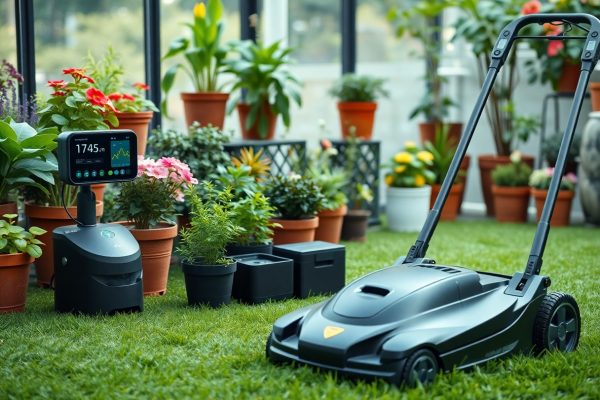
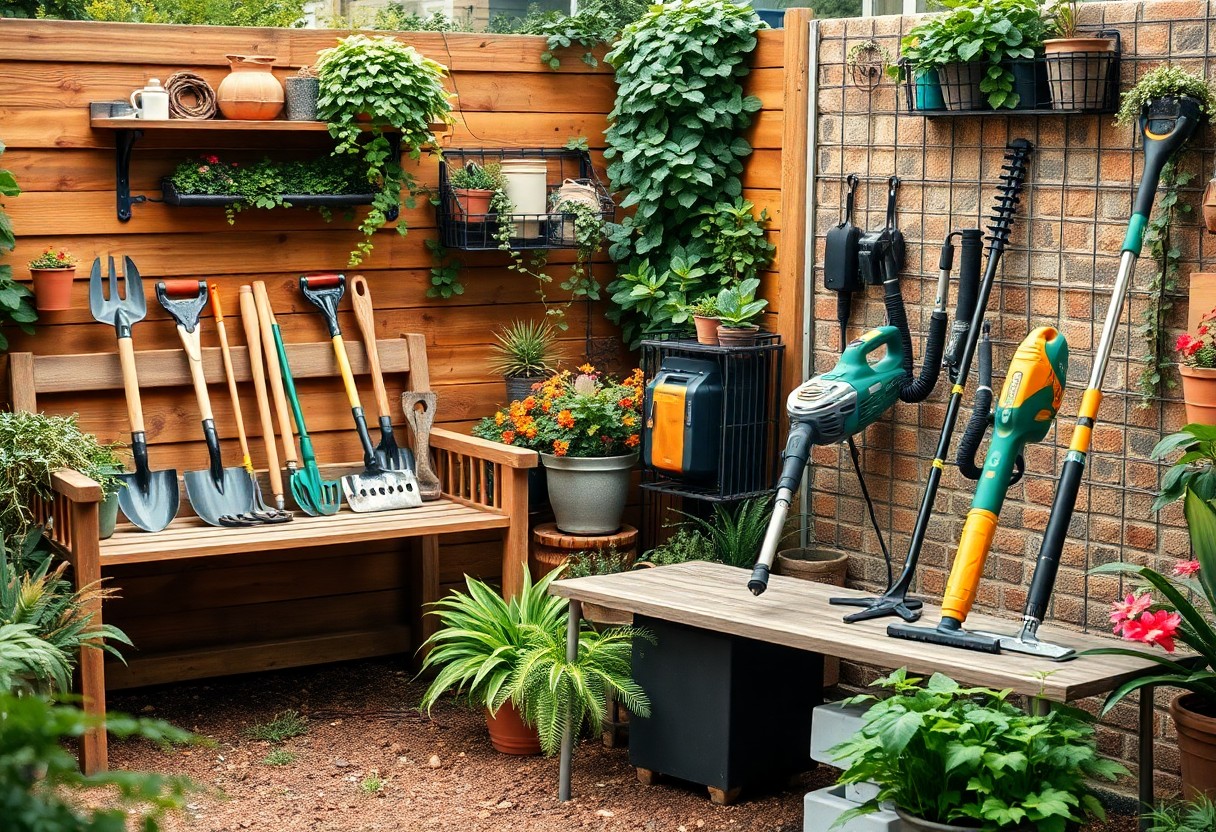
Electric garden tools have transformed gardening by offering efficiency and convenience. They range from electric pruners and hedge trimmers to lawn mowers and tillers, facilitating quicker completion of tasks that might take significantly longer with manual tools. The power these tools provide allows you to handle larger areas and tougher materials with ease, making them particularly appealing to those with substantial gardening needs.
Benefits of Electric Tools
One of the primary benefits of electric tools is their ability to reduce physical strain, allowing you to complete tasks with less effort and time. You can enjoy features like adjustable speed settings and ergonomic designs, which contribute to a more comfortable gardening experience. Additionally, electric tools often provide consistent performance, enhancing overall efficiency.
Limitations of Electric Tools
Despite their advantages, electric tools have limitations, such as dependence on power sources and potential restrictions in mobility due to cords. Battery-operated models can run out of charge, and charging times can interrupt your work flow.
Moreover, electric tools may require more maintenance and repairs compared to their manual counterparts. Issues such as battery degradation or motor failures can be costly and inconvenient. If you frequently work in remote areas or have a preference for traditional gardening methods, relying on electric tools might not align with your needs and lifestyle. Additionally, the initial investment is typically higher, which could be a consideration if you’re on a budget.
Comparing Performance
| Feature | Manual Tools | Electric Tools |
|---|---|---|
| Efficiency | Dependent on user effort and can be slower | Fast operations with consistent power |
| Speed | Variable based on personal strength | High-speed performance |
Efficiency and Speed
Electric tools generally outperform manual options in terms of speed and efficiency. Their motors allow for swift cutting and trimming, reducing labour time significantly. For example, while a manual hedge trimmer may take several hours to shape a medium-sized bush, an electric version could complete the same task in under an hour, optimising your gardening time.
Precision and Control
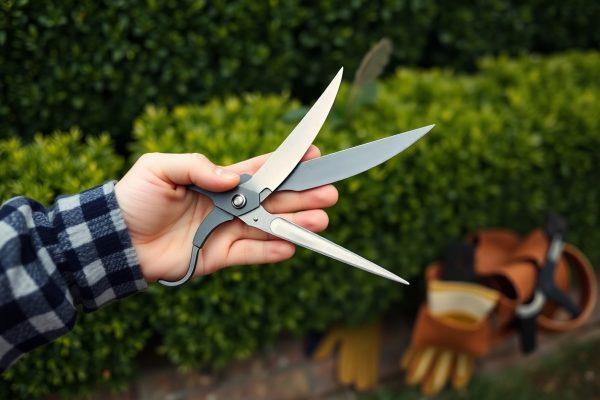
In the context of precision and control, manual tools often provide a tactile experience that many gardeners prefer. They allow for finer manoeuvrability, enabling you to navigate tight spots and intricate designs with ease, something that larger electric tools may struggle with. Manual implements, such as hand shears, enable a level of intimacy with the plant, giving you direct feedback and control over your cuts.
For instance, when trimming delicate plants, you may find that using traditional hand shears permits a more careful approach, allowing for nuanced adjustments that electric trimmers may hinder. You can engage more fully with your plants, assessing each cut as you go, which can be particularly beneficial for shaping or maintaining intricate topiaries. This direct interaction with manual tools can enhance your gardening experience, making it feel personalised and rewarding.
Cost Analysis
When choosing between manual and electric garden tools, understanding the financial implications is necessary. Both the initial investment and long-term maintenance costs will influence your decision, especially if you’re working within a budget or planning for extensive gardening over the years.
Initial Investment
The upfront cost of manual tools is typically lower, with basic hand tools like trowels or pruners usually priced between £10 to £30 each. In contrast, electric tools can command higher prices; for example, electric hedge trimmers may start at £40 and can go up significantly depending on the brand and features you choose.
Long-term Maintenance Costs
Long-term maintenance costs vary significantly between manual and electric tools. While manual tools may require occasional sharpening or replacement, electric tools necessitate battery replacement and potential repairs or servicing, which can accumulate over time.
Specifically, electric tools often require batteries that need replacing every few years, typically costing between £30 to £100. Additionally, if the motor fails, repairs could range from £50 to £150, depending on the issue. In contrast, manual tools, if properly cared for, can last for decades with just minor maintenance costs, making them a financially prudent choice in the long run. Evaluating these ongoing expenses is vital for understanding your overall investment in gardening tools.
Environmental Impact
When considering garden tools, environmental impact plays a significant role. Manual tools often emit no emissions, making them a carbon-neutral choice. Conversely, electric tools tend to consume energy, contributing to a carbon footprint based on your electricity source. You can explore the nuanced differences further in this article on Electric vs Manual Pruners: We Tested Them on ….
Energy Consumption
Electric tools require power, which usually translates into greater energy consumption compared to their manual counterparts. A typical electric lawn mower consumes around 1.2 kWh per hour, while manual mowers rely solely on your physical effort, thus eliminating energy use altogether. This aspect can heavily influence your choice, especially if you prioritise energy efficiency in your gardening practices.
Sustainability Considerations
Sustainability in gardening equipment involves analysing the lifecycle of tools, how they are produced, and their end-of-life disposal. Manual tools typically feature simpler designs with fewer parts, making them easier to repair and recycle. In contrast, electric tools often contain batteries and components that can be challenging to dispose of environmentally. Therefore, your choice should factor in not just the immediate effects but the long-term sustainable impact of your tool selection.
In-depth analysis reveals that many electric tools, particularly those that utilise lithium-ion batteries, can create waste concerns once they reach the end of their life cycle. Conversely, opting for manual tools promotes a sustainable approach, where you can invest in high-quality materials that endure longer, reducing the need for replacement. For those prioritising eco-friendliness, focusing on tools that come from reputable manufacturers with a commitment to sustainable practices can enhance your overall gardening experience while minimising your environmental footprint.
Conclusion
As a reminder, when choosing between manual and electric garden tools, consider your specific gardening needs, preferences, and physical capabilities. Manual tools offer greater control and are often lighter, making them ideal for smaller tasks or gardeners seeking exercise. Conversely, electric tools can significantly reduce effort and time for larger areas, perfect for those with mobility concerns or extensive gardens. Ultimately, evaluating your gardening style and requirements will help you select the most suitable option for your outdoor activities.
You may also like