Gardening 101 – Complete Guide for First-Time Gardeners
Many aspiring gardeners find themselves at a loss when starting their green journey. This comprehensive guide is designed specifically for you, providing important tips and insights to cultivate your garden successfully. From selecting the right plants to understanding soil and sunlight requirements, you’ll gain the confidence needed to nurture your green space. For further detailed exploration, check out this resource on How To Start A Garden: 101.
Key Takeaways:
- Choose the right plants for your climate and soil type.
- Understand the importance of watering, sunlight, and soil health.
- Learn about pest management and ways to promote plant growth naturally.
Types of Gardens
Understanding the various types of gardens can help you determine what suits your space and preferences. Each type offers unique benefits and aesthetic qualities.
- Vegetable Gardens
- Flower Gardens
- Herb Gardens
- Container Gardens
- Rock Gardens
This variety allows you to customise your gardening experience to fit your lifestyle and available space.
| Type of Garden | Description |
| Vegetable Gardens | A space for growing edible plants. |
| Flower Gardens | Areas dedicated to ornamental flowers. |
| Herb Gardens | Gardens focused on culinary and medicinal herbs. |
| Container Gardens | Using pots for plants on patios or balconies. |
| Rock Gardens | Featuring rock formations with alpine plants. |
Vegetable Gardens
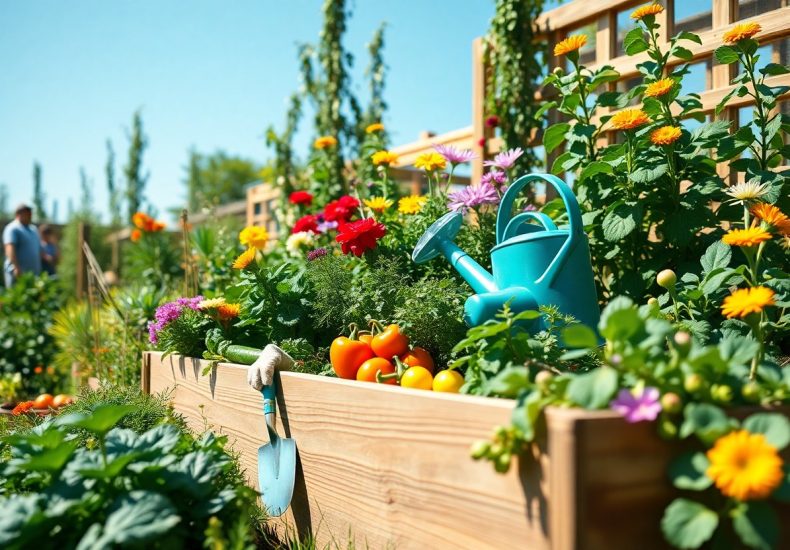
Creating a vegetable garden enables you to cultivate fresh produce right at home. You can grow a variety of vegetables, such as tomatoes, carrots, and spinach, tailored to your local climate. Consider raised beds for easier maintenance and better drainage, which can enhance your yields significantly.
Flower Gardens
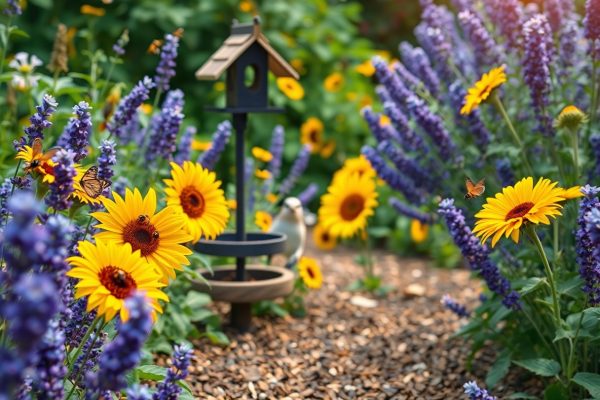
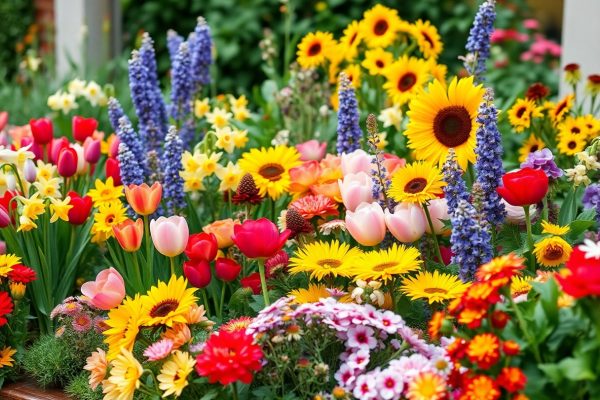
Flower gardens offer a vibrant display of colours and scents, providing joy and beauty to your outdoor space. You have the opportunity to choose flowers that bloom at different times, creating year-round interest. Selecting perennials allows for sustainable gardening, as they come back season after season with minimal maintenance.
Types of flowers you might consider include roses, daisies, and lavender. Additionally, planning garden layouts with companion planting can enhance the health of your plants while attracting beneficial pollinators. Mixing heights and colours can result in striking visual impact, making your flower garden a focal point within your landscape.
Herb Gardens
An herb garden is a fantastic addition to any gardening space, offering fresh ingredients for your culinary creations. Herbs such as basil, thyme, and mint are not only easy to grow but also thrive in various conditions, making them ideal for beginners. You can opt for a dedicated herb patch or integrate them into your vegetable garden for added convenience.
Growing herbs provides a sensory experience through their varied fragrances and flavours. Regular harvesting encourages healthy growth, with many herbs being perennial, so you can enjoy them year after year. Consider using pots if space is limited, as most herbs flourish in containers and allow for flexibility in placement.
Essential Gardening Tips
To enhance your gardening experience, there are fundamental tips that every first-time gardener should embrace. These practices ensure a successful start and long-term growth of your plants:
- Choose the right plants for your climate.
- Use quality tools to make the work easier.
- Rotate your crops annually to improve soil health.
- Keep a garden journal to track your progress.
- Learn about your garden’s specific needs for sunlight and shade.
After establishing a routine, you’ll find gardening can be both rewarding and relaxing.
Soil Preparation
Proper soil preparation is vital for your garden’s success. Start by testing your soil to ascertain pH levels and nutrient content, which will guide you on any amendments needed. Incorporate organic matter such as compost to improve soil structure, drainage, and fertility. Your plants will thrive in nutrient-rich soil, making a healthy foundation crucial for their growth.
Watering Techniques
Effective watering techniques are key to maintaining healthy plants. Water in the early morning or late afternoon to reduce evaporation, and always aim to soak the soil deeply while avoiding shallow surface watering. Consider using a soaker hose or drip irrigation for efficient water delivery directly to the roots. This method conserves water and encourages deeper root growth.
Utilising watering techniques such as mulching can further enhance your garden’s moisture retention. Applying a layer of mulch helps to regulate soil temperature and prevents rapid evaporation. Be attentive to your garden’s specific water requirements, especially during dry spells when increased attention may be needed. Tailoring your approach will lead to more resilient and flourishing plants over time.
Step-by-Step Gardening Guide
| Step | Description |
| 1. Planning Your Garden | Decide on a layout, considering sunlight, wind, and accessibility. |
| 2. Soil Preparation | Test your soil and amend it with compost for nutrients. |
| 3. Choosing Plants | Select plants suited to your climate and garden type. |
| 4. Planting | Follow guidelines for spacing and depth for each species. |
| 5. Maintenance | Regularly water, weed, and monitor for pests and diseases. |
Planning Your Garden
Begin by assessing your available space and its specific conditions. Consider factors such as sunlight, shade, wind protection, and water access. Sketch a rough layout to organise where you’d like to place various elements based on their growth requirements, ensuring taller plants don’t overshadow shorter ones. This thoughtful approach sets the foundation for a thriving garden.
Planting and Maintenance
Once your garden is planned, it’s time to plant, ensuring you follow specific guidelines for spacing and depth for optimal growth. Regular maintenance is key to your garden’s health. This includes watering consistently, weeding to reduce competition for nutrients, and keeping an eye out for pests. Adopting a routine will help you identify issues early, allowing you to enjoy your garden’s progress while learning from the process.
Planting and maintenance are interconnected aspects of successful gardening. You’ll benefit from knowing the right time to plant, as seasonal timing affects growth. For instance, spring is ideal for many vegetables while autumn suits certain flowers. Additionally, utilizing mulch aids in moisture retention and weed suppression. Regularly checking the health of your plants through pruning and nurturing helps adapt your care to any challenges, ultimately leading to a flourishing garden.

Factors to Consider Before Gardening
Before plunging into gardening, several factors can significantly influence your experience and success. Assess your space, resources, and goals to establish a foundation for your gardening journey. Consider the following:
- Climate and location
- Time commitment
- Budget and resources
- Gardening space and layout
Knowing these elements will help you make informed decisions and maximise your gardening potential.
Climate and Location
Your garden’s climate and location will dictate what plants thrive. Different regions experience varied weather patterns, soil types, and sunlight exposure. For example, if you live in a cooler climate, you might favour robust, hardy plants that can withstand frost, whereas in warmer areas, you can explore a wider range of seasonal plants. Understanding your growing zone will guide your choices.
Time Commitment
Your available time is a significant aspect to consider. Gardening can be time-consuming, from planting and watering to weeding and harvesting. Assess how much time you can realistically dedicate each week to maintain your garden. Whether you can spare a few hours or a full day will inform your choice of plants and the scale of your gardening efforts.
For first-time gardeners, it’s advisable to start small, gradually expanding as you become more comfortable. You may initially allocate a few hours each week for planting and maintenance, balancing gardening with other life commitments. Opt for low-maintenance plants and establish routines to make your gardening experience enjoyable rather than overwhelming. As you develop your skills and confidence, you can increase your time investment and explore more complex projects or a diverse array of plants.
Pros and Cons of Gardening
| Pros | Cons |
|---|---|
| Promotes physical health through exercise. | Requires time and commitment. |
| Provides fresh produce. | Can be affected by pests and diseases. |
| Enhances mental well-being and reduces stress. | Initial costs for tools and seeds. |
| Encourages creativity and self-expression. | Seasonal weather challenges. |
| Supports local biodiversity. | Possible frustration from failed attempts. |
| Can create a beautiful and relaxing space. | Maintenance can be labor intensive. |
Benefits of Gardening
Engaging in gardening offers numerous advantages that extend beyond mere aesthetics. You’ll reap the rewards of fresh fruits and vegetables, contributing to a healthier diet. The physical activity associated with gardening can improve your fitness levels while also providing a fantastic outlet for stress relief. Furthermore, cultivating plants fosters a sense of achievement and connection to nature, enhancing your overall quality of life.
Challenges You May Face
Gardening is not without its hurdles, and being aware of potential issues can prepare you better. Weather unpredictability often poses a significant challenge, affecting your plans for planting and maintenance. Additionally, pests and diseases may invade your garden, requiring vigilance and knowledge to manage effectively. Recognising these challenges ahead of time will enable you to approach gardening with realistic expectations.
For example, a late frost can decimate tender seedlings, while drought conditions may lead to wilting plants. You might find yourself grappling with pests like aphids or snails, which can damage your hard work. Developing strategies to deal with these issues, such as using row covers or organic pest control methods, will greatly influence your gardening success and satisfaction.
Common Gardening Mistakes to Avoid
Avoiding common gardening pitfalls can significantly boost your chances of success and enjoyment. Many novice gardeners make easily avoidable mistakes that hinder plant growth and garden aesthetics. Paying attention to watering habits, spacing, and soil condition can make all the difference in your gardening journey. Identify these missteps early, and you will cultivate a thriving garden with minimal frustration.
Overwatering and Underwatering
Overwatering and underwatering are among the most frequent mistakes new gardeners make. It’s vital to understand that different plants have varying water requirements. Overwatering can lead to root rot and fungal diseases, while underwatering can cause stress and wilting. Checking the topsoil moisture before watering helps you strike the right balance, ensuring your plants receive just the right amount of hydration.
Planting Too Close Together
Planting too close together often results in competition for nutrients and sunlight, stunting growth and reducing yields. You might be tempted to fill every available space, but giving each plant adequate room allows for proper air circulation and healthier growth. As a guideline, refer to seed packet instructions or plant tags that specify the appropriate spacing for each variety. Adequate spacing is vital not only for the individual health of your plants but also for the overall aesthetic of your garden.
When plants are crammed together, they tend to compete for resources, which can lead to one or more plants underperforming. For example, a common issue occurs when growing tomatoes too close together; limited airflow increases the likelihood of diseases like blight. Ensure each plant has the space it needs by investing time in planning your layout before planting. This helps create a visually appealing garden while promoting healthy, robust plants that flourish in their environment.
To wrap up
Drawing together the principles of gardening, this guide empowers you to cultivate your green space confidently. You have explored vital techniques, from soil preparation to plant selection, ensuring your success as a first-time gardener. By understanding your environment and nurturing your plants, you can create a flourishing garden that reflects your personal touch. Embrace the journey of gardening, and enjoy the satisfaction that comes with your efforts in nurturing life and beauty in your outdoor space.
FAQ
Q: What are the best plants for beginners?
A: Some ideal plants for first-time gardeners include tomatoes, radishes, sunflowers, and herbs like basil and mint. These plants are generally easy to grow and require minimal care.
Q: How much sunlight do my plants need?
A: Most vegetables and flowers require at least six hours of direct sunlight per day. It’s important to assess your garden’s light conditions to choose appropriate plants.
Q: How often should I water my garden?
A: Watering frequency depends on the plant species and weather conditions, but generally, deep watering once or twice a week is sufficient. It’s better to water early in the morning or late in the afternoon to reduce evaporation.
Q: What is the importance of soil quality in gardening?
A: Soil quality affects plant health significantly. Good soil provides crucial nutrients, retains moisture, and allows proper drainage. Regularly testing and amending your soil can enhance plant growth.
Q: How can I control pests in my garden naturally?
A: Natural pest control methods include introducing beneficial insects like ladybirds, using neem oil, and planting companion plants that repel harmful pests. These methods can help maintain a healthy garden ecosystem.
You may also like