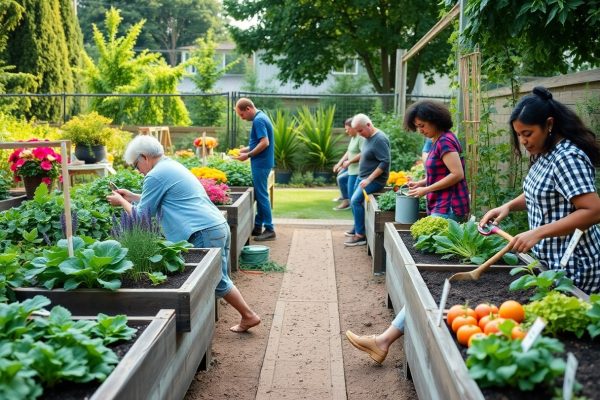
Growing Microgreens at Home
You can easily cultivate microgreens at home, providing fresh and nutritious greens for your meals. These tiny plants pack a flavourful punch and are packed with vitamins, making them an excellent addition to your culinary repertoire. With minimal space and time commitment, you can create your own indoor garden. For comprehensive guidance, check out this resource on How to Grow Microgreens at Home – Barebones.
Key Takeaways:
- Microgreens require minimal space and can be grown indoors or outdoors.
- Use quality seeds and a suitable growing medium for optimal growth.
- Regular watering and adequate light are crucial for healthy microgreens.
Benefits of Growing Microgreens
Growing microgreens offers a multitude of benefits, from enhancing your meals with vibrant flavours to boosting your overall health. These tiny greens pack a punch, being rich in vitamins, minerals, and antioxidants. Additionally, cultivating them at home allows you to enjoy fresh produce right at your fingertips, saving you money and time on grocery trips. You’ll also find that microgreens are adaptable, thriving in small spaces, making them perfect for anyone looking to incorporate gardening into their lifestyle, regardless of available room.
Nutritional Value
Microgreens are incredibly dense in nutrients, often containing up to 40 times more vitamins and minerals than their mature counterparts. For instance, varieties like broccoli and kale boast high levels of vitamins C, E, and K, alongside important minerals such as iron and calcium. By incorporating these tiny greens into your diet, you can significantly enhance your nutritional intake with minimal effort. Their concentrated nutrient profile makes them a powerhouse addition to salads, sandwiches, and smoothies.
Environmental Impact
Growing microgreens at home can have a positive environmental impact by reducing your carbon footprint. By sourcing your own greens, you decrease reliance on store-bought produce, which often involves significant transportation emissions. Additionally, microgreens require minimal water and space, making them one of the most sustainable food sources. They can be grown indoors year-round, circumventing seasonal restrictions and reducing food waste while promoting a more sustainable way of eating.
Expanding on the environmental impact, the compact nature of microgreens also means that they contribute to less agricultural land usage compared to traditional farming methods. For instance, a small tray of microgreens can yield several servings, minimising the need for extensive farmland and decreasing the environmental strain associated with large-scale farming practices. Furthermore, many microgreens can thrive without the use of pesticides or herbicides, promoting healthier ecosystems and supporting biodiversity. Thus, your choice to grow microgreens not only benefits your kitchen but also encourages more sustainable living practices.

Choosing the Right Microgreens
Choosing the right microgreens is important to optimise your growing experience and culinary use. Consider factors such as flavour, nutrient density, and growth time. Each variety has distinct characteristics and growing requirements, so it’s beneficial to understand your preferences and the conditions of your growing space. Research or sample a few varieties to discover what aligns with your taste and how they complement your cooking style.
Popular Varieties
Some of the most popular microgreen varieties include radish, mustard, sunflower, and pea shoots. Radish microgreens are known for their peppery bite, while sunflower offers a mild nuttiness. If you seek a refreshing taste, green pea shoots are excellent, and mustard microgreens add a spicy kick to salads and sandwiches. Each variety not only enhances your dishes but also brings unique nutrition to your diet.
Flavor Profiles
The flavour profiles of microgreens vary significantly, offering a spectrum from mild to robust. For instance, beet microgreens have an earthy sweetness, while arugula microgreens provide a distinctive peppery flavour. Herb microgreens like basil can also contribute aromatic freshness. Understanding these profiles helps you select the right microgreens that will elevate your meals to the next level.
Exploring flavour profiles can transform your cooking. For example, pairing the sharpness of mustard microgreens with creamy avocado creates a delightful contrast. Similarly, combining the sweet earthiness of beet microgreens with citrusy dressings can enhance your salad’s complexity. Experimenting with different varieties allows you to uncover unique combinations that suit your taste preferences and enhance the overall dining experience.
Essential Supplies for Growing Microgreens
To successfully grow microgreens at home, you will need a few necessary supplies. High-quality seeds specifically suited for microgreen cultivation, appropriate containers, and a suitable growing medium are all vital. Additionally, consider investing in effective lighting and a reliable watering system to ensure your microgreens thrive throughout their growth cycle.
Containers and Soil
Selecting the right containers is key, as they should have good drainage to prevent waterlogging. Shallow trays or recycled containers work well, but ensure they are clean. For soil, a nutrient-rich seed starting mix or coconut coir is ideal as it provides ample aeration and moisture retention, promoting healthy root development.
Lighting and Watering Needs
Microgreens require plenty of light for optimal growth, with around 12 to 16 hours of light per day recommended. If natural sunlight is insufficient, consider using grow lights, positioned about 2-4 inches above the plants. Watering should be done carefully; the soil must remain moist but not soaked. A spray bottle is effective for this purpose, ensuring you avoid disturbing the delicate seedlings.
Regarding lighting, using full-spectrum LED grow lights can significantly enhance your microgreens’ growth, providing light wavelengths that mimic natural sunlight. Adjust the height of your lights as the plants grow to maintain the recommended distance. For watering, it’s best to test the soil moisture with your fingers; if it feels dry a centimetre down, it’s time to water. This mindful approach to lighting and watering will promote robust growth and vibrant flavours in your microgreens.
Step-by-Step Growing Process
| Step | Description |
| Sowing Seeds | Choose a suitable container and fill it with the growing medium. Evenly sprinkle your seeds over the surface, ensuring adequate spacing, and lightly cover with a thin layer of soil. |
| Care and Maintenance | Water your microgreens gently and place them in a well-lit area, ensuring consistent moisture without waterlogging the soil. |
Sowing Seeds
To start your microgreen journey, select quality seeds and an appropriate container. Fill the container with a growing medium, then scatter the seeds across the surface. It’s important to achieve even distribution for uniform growth; a light layer of soil on top will help secure the seeds and maintain moisture levels.
Care and Maintenance
Providing the right care is vital for the successful growth of your microgreens. Ensure they receive sufficient light, ideally from a windowsill or grow light, and keep the soil slightly moist but not soggy. A spray bottle can be useful for gentle watering, avoiding disruption of the seedlings.
As your microgreens begin to sprout, monitor them closely for any signs of wilting or drying out. Adjusting water levels is necessary, and consider rotating the container if you’re using natural light to ensure even exposure. Depending on the variety, you should begin to see growth within a week, making ongoing care and attention to their environment key for a successful harvest.
Harvesting Microgreens
Harvest time is when your efforts really pay off. Microgreens are typically ready to be harvested between 7 to 21 days after sowing, depending on the variety. Aim to harvest once your seedlings have developed their first true leaves, which is when they will have the best flavour and tenderness. Monitor their growth closely, as the right timing can significantly influence the taste and nutrient density of your microgreens.
When to Harvest
You’ll know it’s time to harvest when your microgreens have reached a height of 5 to 10 centimetres and showcase vibrant colours and true leaves. For instance, basil and radish microgreens often thrive with a rapid growth rate, while others may take a bit longer. Harvesting just before they start to flower ensures the best taste and nutrient profile.
Proper Harvesting Techniques
Using the right harvesting techniques preserves the quality of your microgreens. Employ sharp, clean scissors or shears to cut the stems just above the soil line. This technique minimises damage to the roots, allowing the soil to maintain its nutrients and encourage potential regrowth. Additionally, harvest in the morning when moisture levels are highest, as this helps retain freshness and flavour in your microgreens.
Ensuring cleanliness while harvesting is equally important; clean your cutting tools beforehand to avoid introducing contaminants. You can gather microgreens gently by holding the pot or tray securely, then cutting in clusters to create a neat bunch. It’s advisable to wash or rinse them slightly after cutting to remove any soil residue. Employing these techniques not only helps in maximising the yield but also adds a professional touch to your home gardening. Aim to enjoy your freshly cut microgreens the same day for optimal flavour and nutrition.

Tips for Successful Microgreen Growth
To optimise your microgreens’ growth, pay close attention to these important tips. Ensure you choose quality seeds specifically suited for microgreens, maintain consistent moisture without waterlogging, and provide adequate light, ideally 12 to 16 hours a day. Keeping the ambient temperature between 18 to 22 degrees Celsius aids germination. Practise air circulation to avoid mould and disease issues.
- Use sterile soil mixes to prevent pests
- Don’t overcrowd seeds in the container
- Monitor moisture levels regularly
- Rotate your crops to maximise space
- Perceiving plant health early can prevent larger issues.
Common Mistakes to Avoid
Avoid oversaturating your soil; it can lead to root rot and other fungal issues. Skimping on light is another common mistake, as insufficient light can cause leggy, weak plants. Additionally, neglecting ventilation can result in stagnant air, promoting mould growth. Lastly, constantly changing the growing environment can stress your microgreens and hinder growth.
Troubleshooting Growth Issues
If you encounter growth issues, first assess your light levels, as insufficient light can inhibit growth. Check moisture levels and make sure there’s proper drainage; overwatering can manifest as yellowing leaves. If plants seem leggy, increase the light intensity or duration. Pest infestations can be managed with organic pesticides, but ensure to act promptly to avoid destruction.
Identifying and addressing growth issues promptly can significantly improve the success of your microgreen crops. Keep a gardening journal to track conditions and results; this can help you learn patterns in your microgreens’ growth behaviours. Over time, you’ll become more familiar with what adjustments work best, enhancing your gardening experience. Explore different varieties to see which thrive, and gradually, you’ll master the artistry of microgreen cultivation.
Final Words
Conclusively, growing microgreens at home allows you to enjoy fresh, nutritious greens right from your kitchen. With minimal space and simple supplies, you can cultivate a variety of flavours to enhance your culinary creations. By following the guidelines provided, you can develop your skills and knowledge in this rewarding activity. Consider exploring more about Growing Microgreens At Home in Containers to maximise your home gardening experience.
FAQ
Q: What are microgreens?
A: Microgreens are young, edible plants that are harvested at an early stage of growth, typically when they are about 1-3 inches tall. They are packed with flavour and nutrients, making them a popular choice for salads, sandwiches, and garnishes.
Q: How do I start growing microgreens at home?
A: To start growing microgreens, you will need seeds, a growing medium (like soil or coconut coir), a shallow container with drainage, and adequate light. Simply fill the container with the growing medium, sprinkle the seeds evenly, cover lightly with more medium, water gently, and place in a well-lit area.
Q: What varieties of microgreens are best for beginners?
A: Some of the best microgreens for beginners include radish, mustard, peas, and basil. These varieties are easy to grow, have a quick turnaround time, and yield a generous harvest.
Q: How long does it take for microgreens to grow?
A: Microgreens typically take between 7 to 21 days to grow, depending on the variety. Most commonly, they are ready for harvest within 10 to 14 days after sowing.
Q: How should I care for my microgreens during growth?
A: During growth, ensure your microgreens receive adequate light (ideally 12-16 hours of light daily), keep the growing medium moist but not waterlogged, and provide good air circulation. Avoid overcrowding the seeds, which can lead to mould or disease.
You may also like