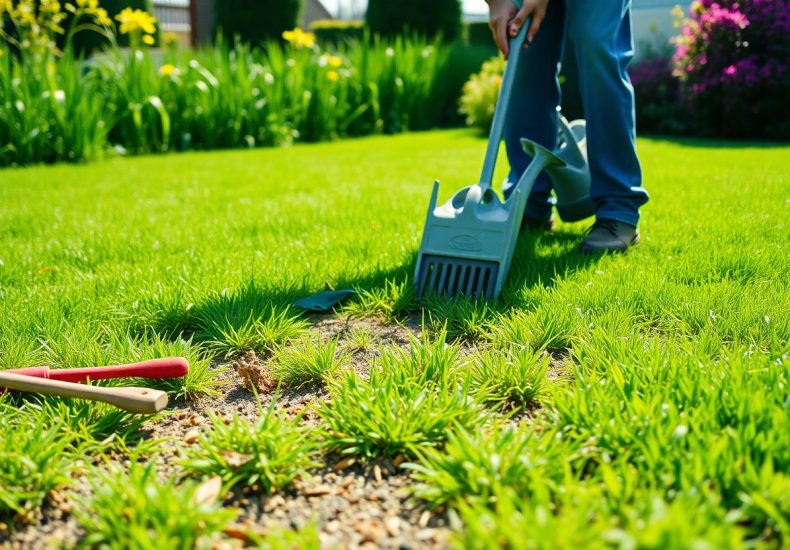
How to Fix Patchy Lawns – Step-by-Step Repair Tips
You can transform your patchy lawn into a lush, green carpet with the right techniques. Start by assessing the underlying causes of the patches and follow our step-by-step guide to revitalise your garden. From selecting the right seed to sowing and nurturing, each step is vital for achieving a healthy lawn. For more detailed information, check out this guide on How to Fix Thin, Patchy Lawns in Minnesota.
Key Takeaways:
- Assess the lawn’s condition to identify the causes of patchiness.
- Prepare the area by removing debris and loosening the soil before reseeding or laying turf.
- Maintain consistent watering and fertilisation to promote healthy growth in repaired areas.
Understanding Patchy Lawns
Patchy lawns can be frustrating, often leaving your garden looking unkempt. To effectively address these issues, it’s vital to comprehend the underlying factors contributing to the patchiness. Identifying the problem areas not only aids in implementing proper repair methods but also helps establish a healthier lawn overall. Understanding why certain sections struggle gives you the power to create a well-maintained, even surface.
Common Causes of Patchiness
Several factors can lead to patchy lawns, including poor soil health, inadequate watering, pest infestations, and lawn diseases. Often, environmental stressors like excessive shade or extreme temperatures exacerbate these issues. Regularly assessing your lawn’s condition can help pinpoint the specific cause, ensuring a more targeted approach to repairs.
Assessing Lawn Health
Assessing your lawn’s health involves examining the soil, grass type, and overall condition. Start by checking for dry patches, discoloured grass, or an abundance of weeds, as these can indicate underlying problems. Digging up a small sample can reveal soil compaction, drainage issues, or pest activity. Additionally, evaluating the presence of desirable grass varieties versus weeds can help clarify the extent of the problem.
During assessments, pay attention to soil moisture levels, as dry soil can hinder grass growth while overly wet conditions may promote disease. Look for areas of green, healthy grass as indicators of good soil health, contrasting with patches that appear lifeless or struggling. Taking note of these observations will direct you to specific areas needing attention, paving the way for tailored solutions to restore your lawn’s vibrancy.

Preparation for Repair
Before addressing the patchy areas of your lawn, ensure you prepare adequately. This involves assessing the damaged spots and deciding on the best approach for repair. You can significantly enhance your chances of success by properly cleaning the area, removing any debris, and potentially conducting a soil test. For detailed guidance, check out How to Repair a Lawn & Seed Bare Patches.
Tools and Materials Needed
Gather the vital tools and materials before starting your lawn repair. You will need a rake, a hoe, and possibly a shovel for soil preparation. Additionally, having quality grass seed that matches your existing lawn, fertiliser, mulch, and a watering can or hose will make the process more efficient. Make sure everything is ready at hand to execute a smooth repair.
Timing Your Repair Efforts
Timing is vital for effective lawn repairs. Ideally, you should aim to undertake this work during the growing season, which varies depending on your grass type. For cool-season grasses, early autumn is preferable, while warm-season grasses benefit from repairs in late spring or early summer. Conducting repairs at these optimal times allows grass seeds to germinate and establish adequately.
Consider local climate conditions when planning your repairs. For instance, if your area experiences heavy rainfall or extreme heat, these factors can significantly impact the success of your repairs. It’s best to select a few dry, temperate days for sowing seeds and ensure you have consistent watering scheduled in the weeks following your repairs to promote healthy growth.
Repair Techniques
Repair techniques for patchy lawns generally focus on three main methods: reseeding, sodding, and turf repair. Each technique has its advantages and is suited to different situations. When determining the best method, consider factors such as time, budget, and the extent of the damage. Implementing the right approach can lead to a lush, even lawn that enhances your outdoor space.
Reseeding Methods
Reseeding involves spreading grass seed over the damaged areas of your lawn to promote regrowth. To effectively reseed, prepare the soil by loosening it with a rake, then apply a high-quality seed mix suitable for your climate and soil type. Water the area lightly after sowing and maintain consistent moisture until the seeds germinate, typically within 7 to 14 days, depending on the species of grass used.
Sodding vs. Seeding
Sodding entails laying down pre-grown grass squares, providing instant coverage, while seeding requires time and patience for seeds to sprout. If you need immediate results, sod is the way to go. However, seeding is often more cost-effective, allows for a wider variety of grass selection, and can lead to a denser lawn if done correctly.
Choosing between sodding and seeding hinges on your specific needs. Sodding offers immediate greenery and protects the soil from erosion, making it ideal for high-traffic areas or quick repairs. On the other hand, seeding is a more sustainable option, as it allows for deeper root penetration and helps improve soil health over time. It’s also more affordable, particularly for larger areas. Evaluate your lawn’s condition, your budget, and how quickly you want results before deciding on the best method for your repair project.
Maintenance After Repair
Follow-up maintenance is necessary for ensuring your lawn thrives after repair. Regular care routines, including appropriate watering, feeding, and mowing practices, will help your new grass establish and flourish. A diligent maintenance schedule not only enhances the appearance of your lawn but also fortifies it against future issues like weed invasion and deterioration.
Watering and Fertilising
After your repair, watering is key to helping newly sown seeds or fresh sod root and establish. Aim to keep the soil consistently moist without over-saturating it. Once the grass is established, apply a balanced fertiliser to provide necessary nutrients, promoting healthy growth. Adjust watering frequency based on weather conditions—more often during hot spells, less during cooler, damp periods. This will set your lawn up for long-term success.
Mowing and Care Tips
Once your repaired lawn starts growing, adopt a suitable mowing regime. Mow regularly to encourage even growth and prevent weeds from taking root. Set your mower blade high initially, removing only a third of the grass height at once. Gradually lower the blade as your lawn matures, maintaining a height of approximately 2.5 to 4 inches. This promotes deeper root systems and overall health. This care will ensure your lawn remains dense and lush.
- Maintain a sharp mower blade to prevent tearing your grass.
- Avoid mowing when the grass is wet to avoid clumping and uneven cuts.
- Keep your wheels off the grass by mowing in straight lines.
- Consider varying your mowing pattern each week to prevent soil compaction.
- This will help establish a uniform lawn.
Mowing also plays a crucial role in pest control and disease prevention. By regularly removing clippings, you reduce thatch build-up and discourage unwanted bugs. Furthermore, mowing in different directions can stimulate grass growth and enhance its overall appearance. This simple practice fosters a vibrant and resilient lawn.
- You may wish to collect clippings initially to maintain a tidy appearance.
- Rest your lawn by allowing it to grow longer between cuts for established patches.
- Watch for signs of stress, such as wilting or browning edges, indicating possible issues.
- Adjust mowing frequency based on the season—mow less in autumn and winter.
- This will promote a healthier lawn overall.
Troubleshooting Common Issues
Once you’ve implemented your repair strategies, keeping an eye out for common issues is vital. You may encounter problems like uneven growth, stunted patches, or persistent bald spots. These can often signify underlying issues such as pests, diseases, or poor soil quality. Addressing these problems promptly can mean the difference between a lush, vibrant lawn and ongoing frustration.
Identifying Pests and Diseases
Pests and diseases can wreak havoc on your lawn without you noticing until significant damage occurs. Look for signs such as wilting blades, unusual patches, or visible insects. Common culprits include grubs, aphids, and fungal infections like brown patch or rust. Early identification enables you to implement targeted treatments, ensuring that your lawn remains healthy and resilient.
Soil Quality Concerns
Poor soil quality often contributes to the health of your lawn. Testing your soil reveals its pH, nutrient levels, and organic matter content, allowing you to tailor your amendments. A balanced soil promotes better root growth and moisture retention, imperative for a thriving lawn. Consider aeration, organic compost, or specific fertilisers depending on the test results.
Soil quality plays a pivotal role in the overall health of your lawn. Compacted or nutrient-deficient soil restricts root development and water drainage. For instance, heavy clay soils retain moisture, leading to sogginess, while sandy soils drain quickly, causing dryness. Incorporating organic matter can improve soil structure and fertility, enhancing water retention and nutrient availability, ultimately fostering a greener, more vibrant lawn.

Tips for Long-Term Lawn Health
To achieve a lush, vibrant lawn over time, you must commit to consistent care practices. Healthy soil, proper watering, and appropriate fertilisation play vital roles in maintaining your lawn’s vitality. Additionally, routine mowing, aeration, and weed control contribute to overall health. Consider the following key actions for sustaining your lawn:
- Conduct soil tests regularly to monitor nutrient levels.
- Use mulch to retain moisture and suppress weeds.
- Apply organic fertilisers to nourish the grass sustainably.
- Rotate mowing patterns to prevent grass from leaning in one direction.
- Establish a consistent watering schedule, especially in dry seasons.
Any effort you invest in your lawn will pay off with healthier grass.
Regular Lawn Care Practices
Your lawn’s longevity stems from consistent care. Establish a weekly mowing schedule to maintain an optimal height of around 5cm, promoting thicker grass and discouraging weeds. Water early in the morning for better absorption and to prevent disease. Regularly check for pests and treat infestations promptly to prevent damage to your lawn.
Seasonal Lawn Tips
Adjusting your lawn care routine with the seasons ensures ongoing health. In spring, focus on reseeding and fertilisation as the grass begins to grow. Summer requires more frequent watering, while autumn is ideal for overseeding and aeration. Winter, however, demands minimal interference, allowing the lawn to rest.
- In spring, apply pre-emergent herbicides to combat weeds.
- In summer, increase watering frequency during dry spells.
- In autumn, rake leaves to prevent smothering the grass.
- In winter, avoid excessive foot traffic on dormant grass.
Knowing seasonal requirements will enhance your lawn’s resilience against environmental stressors.
For instance, in spring, the combination of fertilisation and reseeding can yield rapid results. Likewise, aeration in autumn promotes better root growth and nutrient uptake before winter. Tailoring your care routine to these seasonal changes allows for robust growth cycles, setting the foundation for a lush lawn year-round.
- Plan fertilisation schedules according to peak growth times.
- Monitor temperatures to adjust watering practices as needed.
- Encourage deep root growth with proper mowing height.
- Evaluate weather patterns to inform lawn care decisions.
Knowing these seasonal strategies will help you maintain a vibrant and healthy lawn throughout the year.
Conclusion
To wrap up, restoring your patchy lawn involves several straightforward steps. Start by identifying the underlying issues, whether they be poor soil, lack of nutrients, or pests. Prepare the affected areas by clearing debris and loosening the soil, then reseed or lay new turf as necessary. Ensure consistent watering and consider applying fertiliser to promote growth. Regular maintenance, including mowing and aerating, will help maintain your lawn’s health. By following these steps diligently, you can achieve a lush, even lawn that enhances your outdoor space.
You may also like