Beginner’s Guide to Organic Gardening
Organic gardening is an excellent way for you to grow your own food while promoting sustainability and biodiversity. With the right techniques, you can cultivate a thriving garden that’s free from synthetic chemicals. This guide will provide you with crucial insights and practical tips to help you get started on your organic gardening journey. For more foundational advice, check out Organic Vegetable Gardening For Beginners – 7 Tips.

Key Takeaways:
- Choose the right location with adequate sunlight and good drainage for your garden.
- Utilise compost and organic materials to enrich soil fertility naturally.
- Incorporate companion planting to enhance growth and deter pests effectively.
Understanding Organic Gardening
Organic gardening focuses on cultivating plants without synthetic chemicals, prioritising natural processes and biodiversity. This method enhances soil health, protects ecosystems, and produces vegetables and fruits that are free from harmful residues. Emphasising sustainability, organic gardening encourages practices that nurture the environment while providing quality produce for your table.
Types of Organic Gardening
There are various types of organic gardening, each suited to different environments and preferences:
- Home gardens
- Container gardens
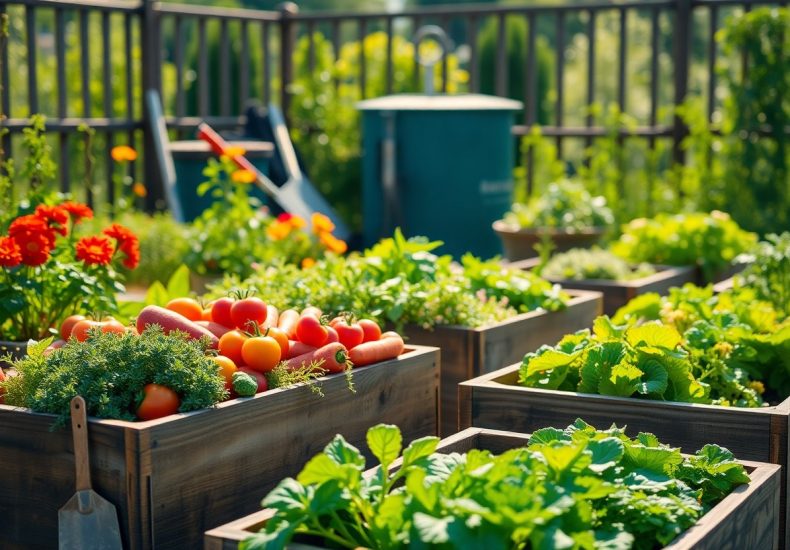
- Raised beds
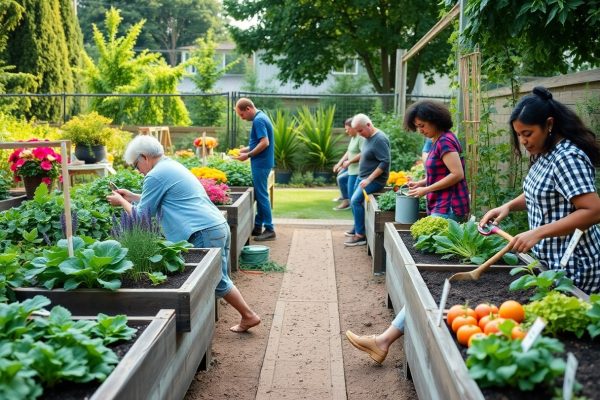
- Community gardens
- Permaculture systems
Recognising the type that aligns with your lifestyle and space can enhance your gardening experience.
| Type | Description |
|---|---|
| Home gardens | Personal plots that cater to family needs. |
| Container gardens | Utilises pots or other containers for versatility. |
| Raised beds | Elevated plots that improve drainage and access. |
| Community gardens | Shared plots where residents can grow food together. |
| Permaculture systems | Designs that mimic natural ecosystems for diverse yields. |
Key Factors for Successful Organic Gardening
Several key factors contribute to effective organic gardening, ensuring a fruitful yield while maintaining environmental integrity:
- Soil health
- Diversity of plants
- Natural pest control
- Water management
- Crop rotation
Thou should monitor these elements regularly to cultivate a thriving garden.
Focusing on soil health is paramount. Enriching your soil with compost boosts nutrient availability and promotes beneficial microorganisms. Incorporating plant diversity attracts pollinators and minimizes pest problems, while water management techniques, such as drip irrigation, conserve resources. Crop rotation prevents soil depletion and disruption of pest cycles, ensuring that your garden remains vibrant and productive.
- Regular monitoring and adjustment of practices
- Education on organic methods
- Use of organic seeds and seedlings
- Embrace companion planting
- Stay patient and adaptive
Thou must adapt your approach based on experience and observation to achieve longevity in your organic gardening journey.
Step-by-Step Guide to Starting Your Garden
| Preparing the Soil |
Start by testing your soil’s pH and nutrient content, ensuring it’s suitable for plant growth. Amend it with organic matter, such as compost or well-rotted manure, to improve texture, fertility, and drainage. Turn the soil, breaking up clumps to create a fine tilth. Aim for a depth of at least 15-30 cm for optimal root development. |
| Selecting Suitable Plants |
Choose plants that thrive in your climate, soil type, and available sunlight. Opt for native species and heirlooms that are well-adapted to the local conditions. Research companion planting to maximise growth and pest resistance in your garden. |
Selecting Suitable Plants
Assessing your local climate is necessary when selecting plants for your garden. Consider factors like temperature, humidity, and rainfall patterns. Consult local gardening resources or cooperative extensions for tailored advice. Additionally, think about the seasonal growing patterns; for instance, root vegetables can be planted in early spring, while tomatoes may need warmer conditions. Incorporate a mix of annuals and perennials to ensure vibrant harvests throughout the year.
Essential Tips for Maintenance
To keep your organic garden thriving, regular maintenance is key. Focus on tasks like weeding, pruning, and mulching to promote healthy plant growth. Establish a schedule that incorporates these activities to create a balanced ecosystem. Consider the following tips:
- Regularly monitor plant health.
- Rotate crops to maintain soil fertility.
- Use organic mulches to suppress weeds.
- Prune plants to enhance airflow.
This ongoing attention will ensure your garden flourishes.
Watering and Fertilization Techniques
Watering should be done deeply and infrequently, allowing the soil to dry between sessions, which encourages healthy root development. In terms of fertilisation, utilise organic options such as compost, worm castings, or natural plant-based fertilisers. Apply these products during the growing season for optimal nutrient availability.
Pest Management Strategies
Integrating natural pest control methods can significantly reduce damage to your plants. Use companion planting to deter pests or introduce beneficial insects like ladybirds and lacewings that naturally consume aphids. Practising crop rotation also interrupts pest life cycles and reduces infestation risks.
For example, planting marigolds alongside vegetables can repel nematodes, while rotating your crops yearly can drastically cut down on pest populations that favour specific plants. Regularly inspecting your garden and removing infected plants at the first sign of trouble is important. Alongside physical barriers such as nets or row covers, these strategies will help maintain a healthy, eco-friendly environment for your plants. This holistic approach ensures sustainable pest management, minimising chemical interventions while promoting biodiversity in your garden.
Pros and Cons of Organic Gardening
When considering organic gardening, it’s vital to weigh the benefits against the drawbacks. Each approach offers unique challenges that can significantly impact your gardening experience.
| Pros | Cons |
|---|---|
| Healthier produce free of pesticides | Higher initial costs for seeds and materials |
| Better for the environment | Requires more time and effort |
| Improved soil quality | Potentially lower yields |
| Encourages biodiversity | More susceptible to pests and diseases |
| Promotes sustainable practices | Knowledge gap for beginners |
| Can be more flavourful produce | Seasonal limitations |
| Supports local ecosystems | Limited availability of organic products |
| Reduced chemical runoff | Requires more frequent watering |
| Increases community involvement | Longer wait for results |
| Encourages personal satisfaction | May need specialised knowledge for certain plants |
For more insights, check out Starting an Organic Garden: 10 Keys for Beginners.
Benefits of Going Organic
Organic gardening offers numerous advantages, starting with the ability to grow food free from harmful chemicals. You enhance soil health, promote biodiversity, and create a sustainable ecosystem. Moreover, many gardeners report a richer taste in organic fruits and vegetables. Engaging in this practice also nurtures a fundamental connection to nature, fostering a sense of accomplishment and community.
Challenges You May Face
Organic gardening is not without its difficulties. One primary challenge is the management of pests without the use of synthetic pesticides, which can often require more hands-on approaches and intricate knowledge of beneficial insects. Additionally, organic gardeners may experience lower crop yields, especially during initial phases, as the plants take time to adjust to natural growing conditions. Seasonal changes can also affect your harvest, making planning vital.
Managing pests organically can be a steep learning curve, requiring you to differentiate between harmful insects and beneficial ones. You might need to experiment with various natural deterrents, such as neem oil or companion planting. Furthermore, fluctuations in weather can impact plant growth and productivity more significantly than in conventional gardening, necessitating adaptive strategies. Planning and patience will serve you well as you navigate these challenges.
Common Mistakes to Avoid
Overwatering
Overwatering is a frequent pitfall that can lead to root rot and other diseases. Instead of following a rigid schedule, assess your soil’s moisture level by sticking your finger about an inch deep; if it feels dry, it’s time to water. Too much water can suffocate plants, stripping them of necessary oxygen.
Neglecting Soil Quality
Ignoring soil quality can severely impact your garden’s productivity. Make it a habit to enrich your soil with compost and organic matter, ensuring it retains nutrients and encourages beneficial microorganisms. Regular testing can reveal pH levels and nutrient deficiencies that may need addressing.
Planting at the Wrong Time
Timing is paramount when it comes to planting. Each crop has specific seasons for optimal growth; for instance, tomatoes thrive in warm weather, while carrots can be sown early in spring. Familiarise yourself with local frost dates and seasonal variations to maximise your yield.
Resources for Further Learning
Books and Guides
Explore titles such as “The Organic Gardener’s Bible” by Edward C. Smith for comprehensive techniques tailored to various climates. Another excellent resource is “Gaia’s Garden” by Toby Hemenway, focusing on permaculture principles that enhance your garden’s productivity and resilience.
Online Courses and Websites
Platforms like Coursera and Udemy offer courses on organic gardening to deepen your understanding. Additionally, websites such as the RHS (Royal Horticultural Society) provide articles, forums, and expert advice tailored for beginners like you.
Local Workshops and Community Groups
Connecting with local gardening clubs can offer hands-on experience and valuable tips. Many communities hold workshops or events where you can learn from experienced gardeners and exchange insights.
Conclusion
Upon reflecting, as you commence on your organic gardening journey, it is important to apply the principles of sustainability and natural growing practices. By choosing organic methods, you enhance your garden’s health while contributing positively to the environment. Your commitment to nurturing plants without synthetic chemicals will not only yield fresh produce but also promote biodiversity. Embrace the learning process, as each step you take enriches your connection to nature and fosters a flourishing garden that reflects your values and dedication.
FAQ
Q: What is organic gardening?
A: Organic gardening is a method of growing plants without the use of synthetic fertilizers, pesticides, or genetically modified organisms. It focuses on maintaining healthy soil and biodiversity while promoting sustainable practices.
Q: How can I start an organic garden?
A: To start an organic garden, choose a suitable location with enough sunlight, prepare the soil by enriching it with organic matter, select organic seeds or plants, and implement natural pest control methods. Regular maintenance and observation are key.
Q: What types of plants are best for beginners?
A: Easy-to-grow plants for beginners include herbs like basil and mint, vegetables such as radishes and lettuce, and flowers like marigolds. These plants require relatively low maintenance and provide quick results.
Q: How do I manage pests organically?
A: To manage pests organically, use methods such as companion planting, introducing beneficial insects, using natural repellents (like neem oil), and maintaining plant health to prevent infestations. Regularly inspecting plants can help identify issues early.
Q: Is organic gardening more expensive than conventional gardening?
A: While organic gardening may initially seem more expensive due to the cost of organic seeds and soil amendments, it can be more cost-effective in the long run. By growing your own produce and reducing dependency on chemical inputs, overall expenses may decrease.
You may also like