How to Start an Organic Garden at Home
You can create a thriving organic garden at home with some careful planning and dedication. Begin by selecting a suitable location that receives ample sunlight and has good soil drainage. Choose organic seeds or seedlings, ensuring they are suited to your climate and growing conditions. Maintain your garden by using natural fertilisers and pest control methods, which will enhance soil health and support biodiversity. With a bit of patience and regular care, you will be rewarded with fresh produce right from your own garden.
Key Takeaways:
- Choose an appropriate location with adequate sunlight and access to water.
- Select organic seeds or seedlings suited to your climate and soil type.
- Implement sustainable practices, such as composting and crop rotation, to enhance soil health.
Understanding Organic Gardening
Organic gardening emphasises growing plants without synthetic pesticides or fertilisers, focusing on natural processes to promote healthy soil and biodiversity. It allows you to cultivate a sustainable backyard ecosystem, fostering resilience against pests and diseases while enhancing the nutritional value of your produce. By avoiding harmful chemicals, you not only protect your garden but also contribute to a cleaner environment.
What is Organic Gardening?
Organic gardening is the practice of cultivating plants in a way that maintains ecological balance and health. This involves using natural methods for soil nutrition, pest management, and plant care. You’ll rely on compost, crop rotation, and companion planting instead of chemical fertilisers or pesticides, creating a more environmentally friendly garden space.
Benefits of Organic Gardening
Engaging in organic gardening offers numerous advantages, including improved soil health, increased biodiversity, and better crop resilience. By nurturing your garden organically, you create a habitat for beneficial insects and microorganisms, enhancing growth and yield while avoiding the adverse effects of chemical run-off. Furthermore, the absence of synthetic chemicals means that your home-grown produce is safer for consumption, contributing to a healthier lifestyle.
Organic gardening significantly impacts soil health by promoting the activity of beneficial microbes and worms. This natural fertilisation process results in richer soil, which yields better crops. You might find that organically grown vegetables often taste better, as they can develop more complex flavours. Additionally, studies show that organic produce contains higher levels of antioxidants, which are vital for maintaining overall health. By focusing on organic methods, not only do you ensure a nutritious diet, but you also play a part in preserving the environment for future generations.
Choosing the Right Location
Your garden’s success hinges significantly on its location. Selecting the right spot not only influences plant growth but also impacts your gardening experience. Pay attention to factors such as sunlight, accessibility, and proximity to water sources when determining where to position your garden.
Factors to Consider
Several key elements can affect your garden’s productivity. Consider the following:
- Sunlight availability.
- Soil quality and drainage.
- Protection from wind and pests.
- Accessibility for maintenance and harvesting.
Knowing these factors can help you create a thriving organic garden.
Assessing Sunlight and Soil
Evaluating the sunlight and soil is vital for selecting the perfect garden site. Most vegetables and herbs require at least 6-8 hours of direct sunlight daily. Observe your chosen area throughout the day to determine sunlight patterns. Additionally, soil type plays a significant role in growth; rich, loamy soil with good drainage is ideal for most garden plants. Conduct a simple soil test to check pH levels and nutrient content, guiding your choices in amendments and plant selections.
Selecting Plants for Your Organic Garden
Choosing the right plants is imperative for a thriving organic garden. Consider your climate, soil type, and the amount of sunlight your garden receives. Opt for organic seeds or seedlings that are known to flourish in your area. Focus on a mix of vegetables, fruits, and herbs to ensure biodiversity, which can improve plant health and yield. Your selections should cater to your culinary preferences while also being easy to maintain.
Best Plants for Beginners
If you are new to gardening, start with plants that are low maintenance and robust. Vegetables such as radishes, lettuce, and courgettes are quick to grow and yield a bountiful harvest without demanding excessive care. Herbs like basil and chives are also forgiving and particularly useful in the kitchen. These choices can help build your confidence as you gain experience.
Companion Planting Tips
Companion planting is a strategy where certain plants are grown together to enhance growth, deter pests, and improve overall garden health. For instance, marigolds can repel nematodes, while beans can provide nitrogen to the soil for corn. Utilising this technique can create a more balanced ecosystem within your garden. The key is to research which plants benefit one another and apply this wisdom to your layout.
- Choose plants with complementary needs, such as light and water.
- Incorporate a variety of plants to attract beneficial insects.
- Rotate companions to avoid depleting soil nutrients.
- The goal is to create a harmonious environment that supports diverse growth.
Companion planting not only increases productivity but also supports ecological balance in your garden. For example, the classic trio of corn, beans, and squash work together seamlessly—corn provides structure, beans add nitrogen, and squash covers the ground to deter weeds. Experimenting with different combinations can lead to healthier plants and fewer pests, making your gardening experience more enjoyable. The secrets of companion planting can significantly transform your organic garden’s success.
- Prioritise diversity for maximum pest control efficiency.
- Track your success with a gardening journal to refine your methods.
- Consult local gardening resources for region-specific advice.
- The art of companion planting can yield delightful results.
Preparing Your Garden Bed
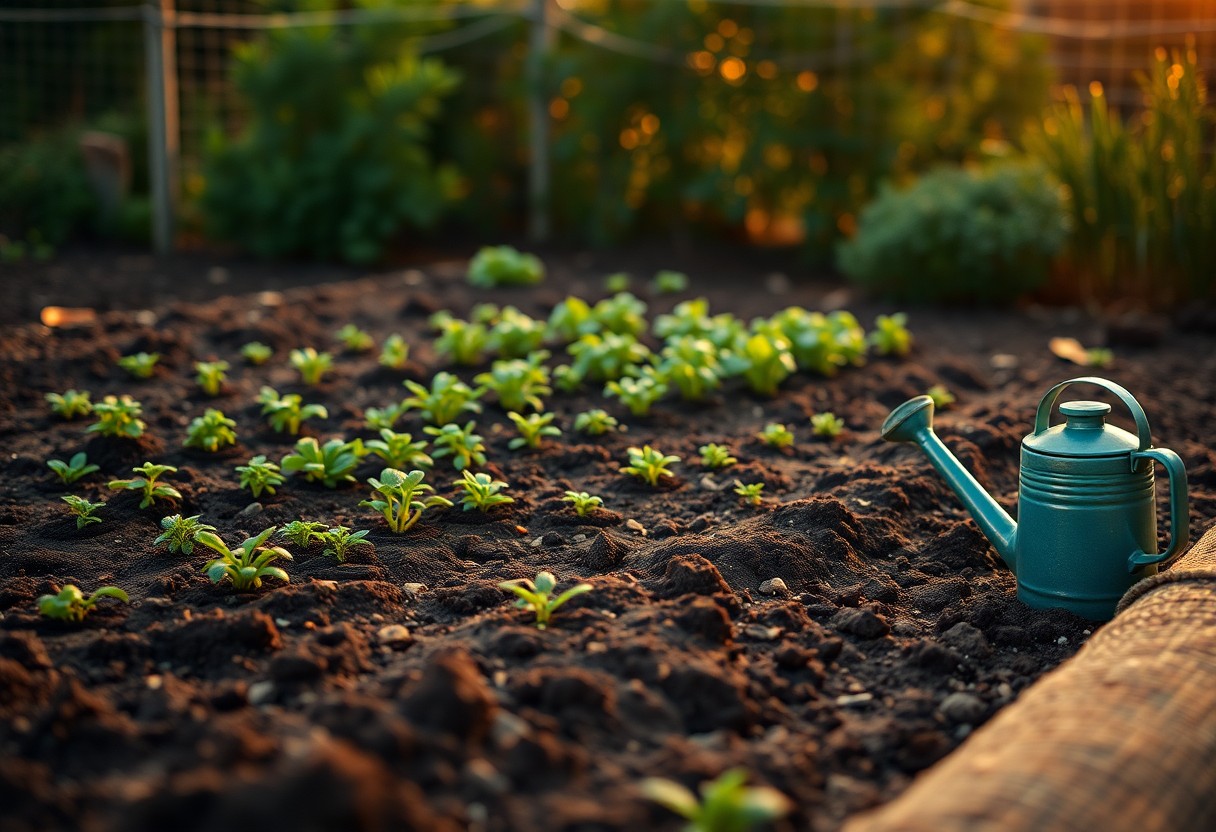
Once you’ve selected your plants and chosen the right location, preparing your garden bed is the next step. This process ensures optimal conditions for your plants. Start by clearing the area of weeds and debris, followed by loosening the soil to improve aeration and drainage. You may have to build raised beds if the existing soil remains heavy or compacted. Aim for a depth of at least 30 cm to accommodate root growth, ensuring the healthiest start possible for your garden.
Soil Preparation Techniques
Effective soil preparation involves various techniques to enhance structure and fertility. You can incorporate methods such as tilling or double digging to break up compacted layers, while adding organic matter, like compost, ensures improved nutrient availability and soil health. Testing your soil pH can also guide you in making necessary adjustments for optimal plant growth.
Organic Fertilizers and Amendments
Adding organic fertilizers and amendments enriches the soil with important nutrients. Products like well-rotted manure, bone meal, and fish emulsion provide a slow release of nutrition, aiding in healthy plant development. Using these amendments promotes microbial activity, supporting a balanced ecosystem in your garden bed.
Incorporating organic fertilizers significantly boosts your garden’s health. For instance, composting kitchen scraps and garden waste creates a nutrient-rich soil additive that improves texture and fertility over time. Seaweed extract can also be a beneficial addition, offering trace minerals and promoting plant resilience. Rotating your amendments each season can further ensure a well-rounded nutrient supply, catering to the diverse needs of your chosen plants. By maintaining this approach, you create a sustainable garden environment, fostering robust growth and yielding a bountiful harvest.
Planting Your Organic Garden
Once you have selected the ideal plants for your organic garden, the next step involves planting. Prepare your garden bed by loosening the soil and removing any weeds. You can plant seeds directly into the ground or start seedlings indoors, ensuring you follow the recommended planting depth for each variety. Space your plants adequately to allow for healthy growth and air circulation, maximizing sunlight capture and reducing disease risk.
How to Plant Seeds and Seedlings
For planting seeds, create furrows in the soil and sow them at recommended depths, covering them lightly with soil. When planting seedlings, dig a hole slightly larger than the root ball, gently place the seedling in, and backfill, ensuring there are no air pockets. Water lightly to settle the soil around the roots, establishing a good foundation for growth.
Watering Techniques and Scheduling
Effective watering is vital for your organic garden’s success. Water deeply and less frequently to encourage strong root development. Aim to water early in the morning or late in the afternoon to minimise evaporation. Monitoring rainfall is necessary; if the soil is consistently dry up to an inch below the surface, it’s time to irrigate. Adjust your schedule according to the needs of your plants and local climate conditions to ensure they receive adequate moisture.
Maintaining an appropriate watering schedule involves assessing both weather conditions and the moisture level of your soil. During particularly hot or dry spells, increase your watering frequency, while in cooler, wetter periods, reduce it. Drip irrigation or soaker hoses can be effective for delivering water directly to the soil, minimising waste and targeting root zones. It’s beneficial to check your plants regularly for wilting or dryness, and adjust your watering routine accordingly to promote healthy growth and yield in your organic garden.
Maintaining Your Organic Garden
Regular maintenance is important for the health and productivity of your organic garden. You need to monitor your plants daily, ensuring they receive sufficient water and nutrients. Frequent inspection allows you to identify any issues early, from pest infestations to nutrient deficiencies. Establishing a consistent care routine leads to bountiful harvests and a vibrant garden.
Pest Control Strategies
Implementing effective pest control strategies is vital for protecting your organic garden. Techniques such as introducing beneficial insects like ladybirds and lacewings can naturally keep pests at bay. Companion planting, where you grow certain plants together to repel pests, is also a valuable method. You can use organic pesticides made from ingredients like neem oil to manage severe infestations, ensuring your plants remain healthy.
Weeding and Mulching Tips
Weeding and mulching are fundamental to maintaining a thriving organic garden. You should regularly check for weeds, as they compete with your plants for nutrients and water. Employ natural mulches, such as straw or wood chips, which not only suppress weeds but also retain moisture in the soil. This creates a healthier environment for your plants and enhances soil structure.
- Check weekly for emerging weeds, especially after rainfall.
- Apply a 5-10 cm layer of mulch around your plants to conserve moisture.
- Consider using landscape fabric under mulch for extra weed suppression.
- This keeps your garden both tidy and productive.
Weeding can be particularly labour-intensive but is necessary for a flourishing garden. Regularly remove weeds by hand or with a hoe, ensuring you do this when the soil is moist for easier extraction. Additionally, layering a good mulch helps retain soil moisture, while at the same time reducing the chances of weeds taking root. Mulching solutions, such as dry leaves or cardboard, can also improve soil health as they decompose.
- Use a hoe or spade, especially for larger areas with perennial weeds.
- Cover bare soil in your garden to prevent weeds from sprouting.
- This prevents competition for nutrients with your crops.
Conclusion
To wrap up, starting your own organic garden at home involves selecting the right location, preparing your soil, choosing suitable plants, and employing organic methods for pest control. By following these steps, you can create a thriving garden that yields fresh produce. For more guidance, check out this resource on Organic Gardening for Beginners | How to Start a Garden.
FAQ
Q: What is the best location for an organic garden at home?
A: The best location for an organic garden should receive at least 6-8 hours of direct sunlight daily. Choose a spot with good drainage, protection from strong winds, and easy access to water.
Q: How do I choose the right soil for my organic garden?
A: Select high-quality, organic soil that is rich in nutrients and has a good balance of sand, silt, and clay. You can improve your soil by adding organic matter such as compost or well-rotted manure.
Q: What vegetables are easiest to grow in an organic garden?
A: Some of the easiest vegetables to grow organically include radishes, lettuce, courgettes, and tomatoes. These crops typically thrive in a variety of conditions and have shorter growing seasons.
Q: How can I manage pests organically in my garden?
A: To manage pests organically, use methods such as companion planting, introducing beneficial insects, and applying organic insecticidal soaps or neem oil. Regular monitoring and manual removal of pests can also be effective.
Q: When is the best time to start planting in an organic garden?
A: The best time to start planting depends on your local climate and the vegetables you wish to grow. Typically, spring is ideal for most crops, but some, like peas and onions, can be sown as early as late winter.
You may also like