Energy-Saving Tools and Practices for Green Gardening
Gardening sustainably is not only beneficial for the environment but can also enhance your gardening experience. By adopting energy-saving tools and practices, you can reduce your carbon footprint while promoting healthy plant growth. This guide will provide you with crucial tips and tools that allow you to garden effectively and efficiently, helping you cultivate a greener space in your home while conserving valuable resources.
Key Takeaways:
- Utilising rainwater harvesting systems can reduce water consumption for irrigation.
- Implementing mulching techniques can minimise the need for watering and suppress weeds.
- Choosing native plants promotes biodiversity and requires less maintenance and resources.
Understanding Green Gardening
Green gardening encompasses sustainable practices that aim to minimise environmental impact while enhancing the health of your garden. This approach integrates methods that conserve resources, promote biodiversity, and maintain ecosystem balance, all while providing you with a beautiful and productive outdoor space.
Definition of Green Gardening
Green gardening is the practice of cultivating gardens in an environmentally responsible manner, which includes using organic methods, conserving water, and choosing native plants. This holistic approach not only nurtures your garden but also supports local wildlife and reduces your overall carbon footprint.
Benefits of Energy-Saving Practices
Embracing energy-saving practices in gardening leads to multiple benefits, including reduced resource consumption, lower garden maintenance costs, and enhanced environmental health. By adopting sustainable techniques, you can cultivate a thriving garden that positively contributes to the ecosystem.
Implementing energy-saving practices, such as optimising your garden layout or utilising solar-powered garden tools, can significantly decrease your carbon emissions and energy costs. For instance, installing a drip irrigation system can reduce water use by up to 50% compared to traditional methods, allowing you to save both water and energy while maintaining optimal plant health. Additionally, utilising compost enriches soil while reducing waste, creating a closed-loop system that benefits your garden and the planet. By taking these steps, your garden not only flourishes but also becomes a model of sustainable living, demonstrating the powerful impact of thoughtful practices.

Energy-Saving Tools for Gardening
Utilising energy-saving tools not only conserves resources but also enhances your gardening experience. Opt for innovative equipment designed to minimise energy use, such as solar-powered garden lights and automated irrigation systems. For more insights on energy reduction techniques, you can explore Reducing Energy | UC Marin Master Gardeners.
Solar-Powered Equipment
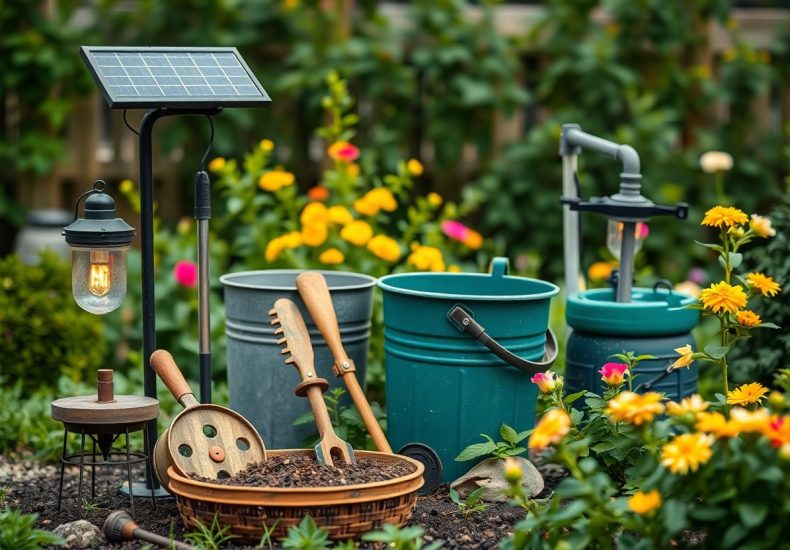
Solar-powered equipment, like garden lights and water features, harness sunlight to operate efficiently, reducing your reliance on traditional energy sources. These tools are not only eco-friendly but also cost-effective in the long run, as they require minimal maintenance and eliminate energy bills associated with outdoor lighting.
Hand Tools vs. Electric Tools
Choosing between hand tools and electric tools can significantly impact energy consumption and your gardening routine. Hand tools, such as shovels and pruners, require no energy and provide excellent exercise, while electric tools offer convenience and speed for larger tasks.
When weighing your options, consider the scale of your gardening projects. For smaller tasks, hand tools can be more environmentally friendly, as they’re quieter and promote a closer connection with nature. Conversely, for extensive tasks like lawn mowing or hedge trimming, electric tools may save you time but typically draw on power. Striking a balance between efficiency and sustainability based on your gardening needs is crucial for an eco-conscious approach.

Water Conservation Techniques
Implementing effective water conservation techniques is vital for sustainable gardening. These practices not only help reduce your water usage but also promote healthier plant growth. By focusing on innovative methods to collect and utilise water efficiently, you can significantly enhance your garden’s eco-friendliness and resilience against drought conditions.
Drip Irrigation Systems
Drip irrigation systems deliver water directly to the roots of your plants, minimising evaporation and runoff. You can adjust the flow rate to suit different plant needs, dramatically reducing your water consumption by up to 50%. This system is ideal for vegetable gardens or flower beds, ensuring that every drop counts towards healthier growth and reduced wastage.
Rainwater Harvesting
Rainwater harvesting allows you to collect and store rainwater for later use, significantly easing the demand on municipal water supplies. By setting up a simple collection system from your roof into barrels or storage tanks, you can gather thousands of litres of water each year. This harvested rainwater is perfect for irrigation, particularly during dry spells, making your gardening efforts more sustainable.
For instance, a well-designed rainwater harvesting system can gather 20,000 litres of water annually from a typical house roof. Installing a guttering system with downspouts leading into a rain barrel not only provides an alternative water source but also reduces surface runoff and flooding in your garden. This eco-friendly practice not only lowers your water bills but also helps in maintaining a healthy, vibrant garden ecosystem during dry periods.
Sustainable Soil Management
Effective sustainable soil management enhances the health of your garden, promoting biodiversity and soil fertility. By adopting practices that focus on nutrient retention and erosion minimisation, you can cultivate a thriving ecosystem in your garden. Implementing crop rotation and cover cropping not only enriches the soil but also prevents pest build-up, ensuring long-term productivity.
Composting Practices
Composting transforms kitchen scraps and garden waste into nutrient-rich humus, which can significantly improve your soil structure and fertility. By creating a compost pile or using a worm bin, you can recycle organic matter, reduce landfill waste, and foster a healthy microbial community in your soil, resulting in more robust plants.
Organic Fertilizers
Organic fertilisers are derived from natural sources, offering a sustainable alternative to synthetic options. They improve soil health by enhancing microbial activity and providing imperative nutrients without the negative environmental impact associated with chemical fertilisers. Utilising materials such as compost, manure, and bone meal can significantly boost your plants’ growth and resilience.
Organic fertilisers not only feed your plants but also improve the soil’s overall structure and health. For example, compost enhances soil aeration and water retention while supplying a broad spectrum of nutrients. In contrast, manure provides a slow-release nutrient source, enriching the soil over time. Indeed, using organic fertilisers can lead to improved crop yields – studies show that organic farming can produce yields of 80% to 90% of conventional agricultural methods, all while promoting ecological balance and sustainability in your garden.
Native Plant Selection
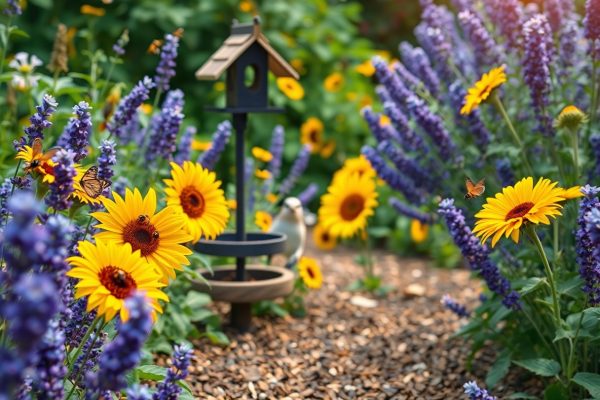
Native plant selection is an imperative strategy for enhancing biodiversity in your garden. By choosing flora that naturally occurs in your region, you create a habitat that supports local wildlife, particularly pollinators such as bees and butterflies. These plants are adapted to your local climate, soil, and conditions, leading to increased resilience and lower maintenance needs. Incorporating native species can transform your garden into a thriving ecosystem that requires less water and fewer chemical inputs while showcasing the beauty of your local landscape.
Benefits of Native Plants
Utilising native plants provides numerous advantages for your garden and the environment. They typically require less water and are more resistant to pests and diseases, resulting in lower maintenance costs. Native species offer food and habitat for local fauna, fostering biodiversity. Furthermore, these plants are already adapted to your soil and climate conditions, allowing them to thrive without the need for excessive fertilisation or irrigation. By incorporating natives, you contribute to the conservation of your local ecosystem while enjoying a more sustainable garden.
Landscaping with Low-Maintenance Flora
Landscaping with low-maintenance flora is an effective approach to creating a beautiful garden that conserves resources. By selecting plants known for their hardy nature and adaptability, you can minimise the time spent on upkeep. Perennials, ornamental grasses, and drought-tolerant shrubs can flourish with minimal intervention, turning your garden into a stunning, self-sustaining landscape.
To successfully landscape with low-maintenance flora, you might consider options such as sedums, echinacea, or ornamental grasses, which thrive with minimal care. Incorporating mulch can reduce weeds and moisture loss, further easing your workload. Designing your garden layout with successional blooming in mind ensures continuous colour throughout the seasons while reducing the need for replanting each year. You can create a vibrant, sustainable outdoor space that not only attracts wildlife but also allows you to enjoy your garden without constant maintenance demands.
Energy-Efficient Garden Design
Your garden’s design plays a pivotal role in energy efficiency, blending aesthetics with sustainability. Incorporating native plants, optimising space, and creating multifunctional areas can reduce the need for energy-intensive inputs. For instance, strategic plant placement can offer shade to cool your home in summer, while deciduous trees can allow sunlight in winter. By considering natural elements in your design, you not only enhance beauty but also foster an eco-friendly environment.
Maximising Natural Light
Maximising natural light in your garden design optimises the growth conditions for your plants. By orienting your garden to capture sunlight effectively, you can enhance photosynthesis, leading to healthier plants. Consider the placement of tall structures and hedges to avoid shading your crops while meticulously selecting reflective surfaces that can direct light into shaded areas, thus ensuring your garden thrives.
Planning for Windbreaks
Planning for windbreaks is crucial in protecting your plants from harsh winds, which can inhibit growth and reduce yields. Strategically positioned trees or shrubs can reduce wind speed by up to 30%, creating a more controlled microclimate. This not only shields your garden but also conserves moisture, reducing the need for additional watering and providing a more stable environment for your plants.
To effectively plan windbreaks, consider the type of wind in your area and the unique characteristics of your garden. Tall evergreen plants work well as year-round barriers, while deciduous varieties can provide summer shade. It’s advisable to position windbreaks at an angle to prevailing winds to maximise effectiveness. Furthermore, incorporating layers of vegetation can enhance wind resistance, creating a biodiverse habitat that encourages wildlife. By implementing these strategies, you’ll cultivate a healthier, more resilient garden.
Summing up
So, as you adopt energy-saving tools and practices in your green gardening efforts, you not only conserve resources but also enhance the sustainability of your outdoor space. By utilising efficient irrigation systems, solar-powered devices, and organic gardening methods, you can significantly reduce your environmental impact while promoting healthier growth. These practices not only benefit the planet but also result in cost savings over time, making your gardening pursuits more rewarding and responsible.
You may also like