Reducing Your Garden’s Carbon Footprint – Simple Steps to Start
There’s a growing awareness of the impact our gardens have on the environment, and you can play a vital role in mitigating this. By adopting a few simple sustainable practices, you can significantly reduce your garden’s carbon footprint while enhancing its beauty and productivity. From choosing the right plants to implementing water-saving techniques, your efforts can contribute to a healthier ecosystem. This guide will provide you with practical steps to transform your garden into an eco-friendly haven.
Key Takeaways:
- Choose native plants that require less water and maintenance, promoting biodiversity.
- Implement composting to reduce waste and enrich soil naturally.
- Consider reducing lawn areas and replacing them with wildflower patches or perennials to enhance carbon absorption.
Understanding Carbon Footprint in Gardening
Your garden’s carbon footprint encompasses all the greenhouse gas emissions associated with its maintenance and production. Factors such as the use of fossil fuels for machinery, transportation of materials, and chemical fertilisers contribute significantly. To minimise your impact, explore practical strategies, as discussed in 10 Smart Ways to Take Action to Reduce Your Home.
What is a Carbon Footprint?
A carbon footprint measures the total emissions of carbon dioxide and other greenhouse gases produced by your garden activities. It includes emissions from energy consumption, including water usage and maintenance tools. By understanding your footprint, you can take informed steps to reduce it.
Importance of Reducing Carbon Emissions in Gardens
Minimising carbon emissions in your garden is vital for several reasons, including combating climate change and promoting biodiversity. When you adopt sustainable practices, you not only decrease greenhouse gas emissions but also enhance the resilience of your garden against climate-related stresses. This approach can lead to healthier ecosystems, which support a variety of wildlife. Moreover, reducing your garden’s carbon footprint can also mean lower operational costs, as sustainable practices often lead to more efficient resource use.

Sustainable Gardening Practices
Adopting sustainable gardening practices not only benefits the environment but also enhances plant health and productivity. You can start by reducing chemical inputs and focusing on natural alternatives. For more insights, visit Assess & Reduce Your Carbon Footprint with Gardening. Simple changes, such as using organic fertilisers and avoiding single-use plastics, create a healthier ecosystem while lowering your garden’s carbon emissions.
Organic Gardening Techniques
Organic gardening techniques emphasise the use of natural methods to cultivate plants without synthetic chemicals. You can enrich your soil with compost and organic matter, supporting beneficial microorganisms that improve plant growth. By rotating crops and selecting disease-resistant varieties, you minimise the need for chemical interventions and promote a more resilient garden.
Companion Planting and Biodiversity
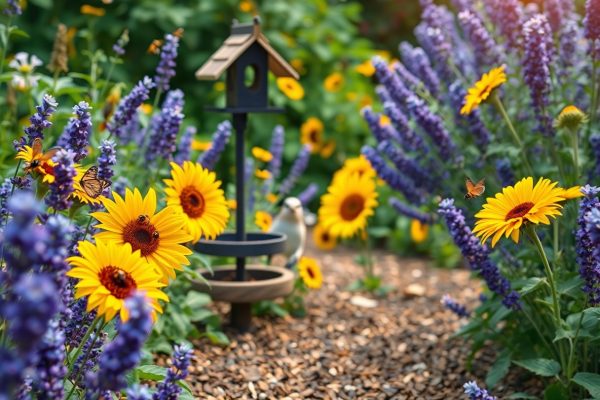
Companion planting enhances biodiversity in your garden, allowing you to create a supportive environment for plants, pests, and beneficial insects. Planting specific crops together can deter pests, improve yields, and boost plant health. For example, marigolds can repel nematodes, while beans fix nitrogen in the soil, benefiting neighbouring plants. By diversifying your plant selection, you foster a vibrant ecosystem that contributes to sustainable gardening.
Emphasising relationships between plants can significantly increase your garden’s resilience and productivity. Integrating herbs, flowers, and vegetables not only optimises space but also creates a habitat for pollinators like bees and butterflies. Studies have shown that gardens with a variety of species are less susceptible to pests and diseases, reducing the need for chemical treatments. Moreover, you’ll enjoy a richer harvest while contributing positively to your local environment.

Water Conservation Strategies
Implementing water conservation strategies in your garden not only reduces your carbon footprint but also supports sustainability. By adopting simple practices, you can significantly minimise water waste while keeping your plants healthy and thriving. Consider methods such as rainwater harvesting and efficient irrigation to make each drop count while enhancing your garden’s resilience against climate fluctuations.
Rainwater Harvesting
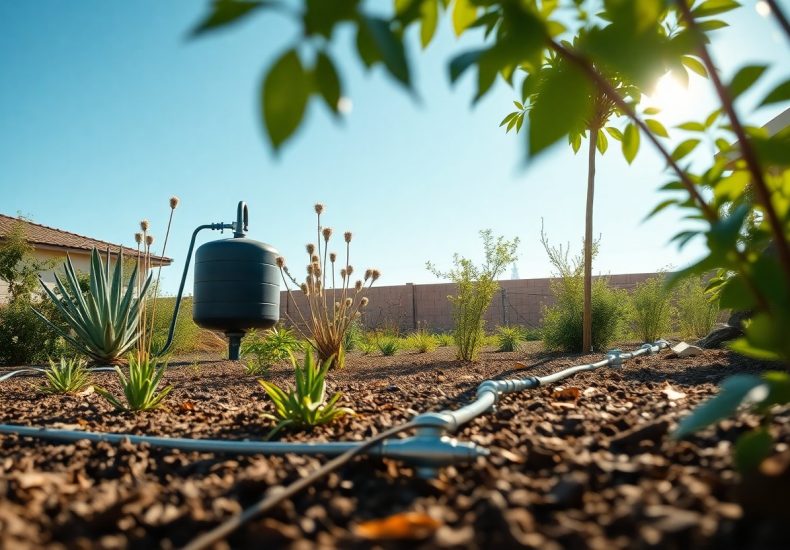
Rainwater harvesting is an excellent way to collect and utilise natural rainfall for your gardening needs. Installing a rain barrel or a larger cistern can capture runoff from your roof, allowing you to water your plants with free, untreated water. This simple system can reduce the demand on municipal water supplies and save you money on your water bill, all while helping the environment.
Efficient Irrigation Methods
Efficient irrigation methods can vastly decrease water usage while ensuring your plants receive adequate hydration. Incorporating techniques like drip irrigation and soaker hoses allows water to penetrate deeply into the soil, targeting the roots directly. These methods reduce evaporation and runoff, enabling you to maintain soil moisture effectively even during drier spells.
For instance, drip irrigation systems deliver water directly to the plant’s roots through a network of tubing and emitters. This targeted delivery can cut water use by up to 50% compared to traditional spray systems. Additionally, using a timer with your irrigation setup ensures optimal watering times based on your plants’ specific needs. By investing in technologies like soil moisture sensors, you can gauge when your garden truly requires water, further enhancing efficiency and sustainability.
Soil Health and Carbon Sequestration
Healthy soil is fundamental for carbon sequestration, as it stores more carbon than the atmosphere and vegetation combined. By enhancing soil health, you not only foster biodiversity but also create a more resilient ecosystem. Practices such as minimising soil disturbance, maintaining organic matter, and promoting microbial activity significantly increase carbon retention in the soil. Therefore, your approach to soil management can play a pivotal role in reducing your garden’s overall carbon emissions.
Composting and Soil Enrichment
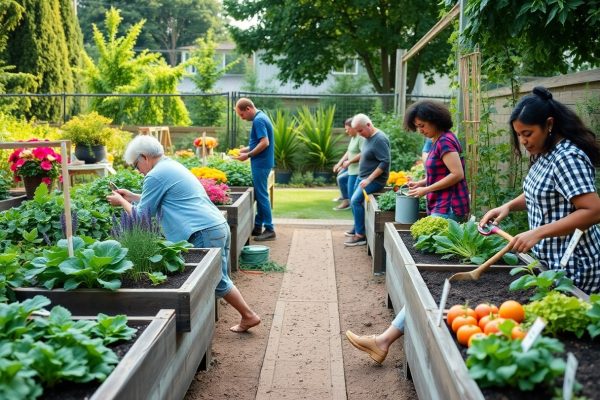
Composting transforms kitchen scraps and garden waste into nutrient-rich organic matter that bolsters soil health. By recycling these materials, you not only divert waste from landfills but also enhance your soil’s ability to store carbon. Regularly adding compost improves soil structure, enriches nutrient content, and fosters beneficial microbial communities, ensuring a thriving garden ecosystem.
Cover Crops and Mulching
Utilising cover crops and mulching techniques enhances soil structure while preventing erosion and suppressing weeds. Planting cover crops, such as clover or rye, during the off-season helps capture carbon and fix nitrogen in the soil, while mulching with organic materials like straw or bark creates a protective layer that maintains moisture and nutrients.
Cover crops like legumes not only draw down carbon from the atmosphere but also enrich the soil with imperative nutrients. They prevent leaching during heavy rains and are typically turned under before planting, contributing to improved soil structure and fertility. Mulching, on the other hand, regulates soil temperature, reduces water evaporation, and suppresses weed growth, creating an optimal environment for plants to thrive. This dual approach effectively enhances your garden’s carbon sequestration capabilities, making it both sustainable and productive.
Energy Efficiency in Garden Maintenance
Improving energy efficiency in your garden maintenance practices can significantly lower your carbon footprint. By adopting smarter techniques and utilising energy-saving tools, you can perform necessary tasks while minimising energy consumption. This approach not only helps the environment but also reduces your gardening costs, allowing you to enjoy a beautiful and sustainable space with less impact on the planet.
Reducing Lawn Mowing Emissions
Lawn mowing often generates substantial carbon emissions, primarily due to petrol lawn mowers. To reduce these emissions, consider alternatives like electric mowers, which emit less pollution, or even manual reel mowers that require no fuel and provide excellent exercise. Mowing less frequently and allowing your grass to grow longer can also lower your mowing duration and emissions.
Eco-Friendly Tools and Equipment
Investing in eco-friendly tools and equipment can substantially enhance energy efficiency in your garden. Options such as battery-powered or manual tools are not only quieter but also contribute to lower emissions. By prioritising sustainable choices, you’ll be better equipped to maintain your garden while supporting the environment.
Battery-powered tools, such as strimmers and hedge trimmers, have advanced significantly and now offer performance comparable to their petrol counterparts while drastically reducing air pollution and noise. Furthermore, solar-powered lights can enhance your garden’s aesthetics without increasing your carbon emission footprint. By choosing tools made from sustainable materials and considering second-hand options, you contribute to a circular economy, effectively lessening the environmental impact while maintaining a well-kept garden.
Local Sourcing and Seasonal Planting
Local sourcing and seasonal planting significantly lower your garden’s carbon footprint by reducing transportation emissions and promoting biodiversity. Choosing plants that thrive in your region not only supports local ecosystems but also enhances your garden’s resilience to pests and diseases. Embracing the natural growing seasons helps ensure your plants receive the optimal conditions for growth while minimising resource use, making your garden both eco-friendly and sustainable.
Benefits of Native Plant Selection
Selecting native plants for your garden offers numerous benefits, including lower water and maintenance requirements. These plants are well-adapted to local soil and climate conditions, which means they thrive without extensive human intervention. Additionally, native species provide vital habitats for local wildlife, supporting biodiversity and ecological balance.
Understanding Seasonal Gardening
Understanding seasonal gardening empowers you to effectively plan your planting schedule, ensuring that your garden produces at its peak while conserving resources. By recognising the optimal planting times for various species, you can maximise growth potential, minimise pest issues, and reduce reliance on artificial fertilizers and irrigation.
For instance, cool-season crops like lettuce and spinach thrive in early spring and fall, while warm-season varieties such as tomatoes and peppers flourish in summer. By strategically aligning your planting and harvesting with the changing seasons, your garden can yield bountiful produce with enhanced flavour and nutritional value. Moreover, seasonal gardening allows you to enjoy fresh produce throughout the year, reducing the need for store-bought goods that often have a higher carbon footprint due to shipping and packaging.
Conclusion
Upon reflecting, you have the opportunity to significantly reduce your garden’s carbon footprint through simple changes. By implementing practices such as composting, using native plants, and minimising chemical usage, you can create a more sustainable environment. Additionally, considering water conservation and biodiversity can further enhance the ecological impact of your garden. Taking these steps not only benefits the planet but also cultivates a healthier space for you to enjoy.
You may also like