Sustainable Practices for Every Gardener
It’s imperative to adopt sustainable practices in your gardening efforts to create a thriving ecosystem. By integrating these methods, you can enhance biodiversity, conserve resources, and produce healthy plants. Explore the Ultimate Sustainable Gardening Guide for practical tips on composting, water conservation, and organic pest control, ensuring your garden not only flourishes but also contributes positively to the environment.
Key Takeaways:
- Utilise native plants to promote biodiversity and reduce the need for chemical inputs.
- Implement water-saving techniques such as mulching and rainwater harvesting to optimise water use.
- Employ organic gardening methods to enhance soil health and minimise environmental impact.
Understanding Sustainability in Gardening
Sustainability in gardening refers to practices that maintain ecological balance, enabling your garden to thrive without depleting resources. By integrating techniques that support long-term health, you can foster a vibrant environment for plants, wildlife, and yourself. This approach prioritises resource efficiency, pollution reduction, and resilience against climate change while promoting soil health and biodiversity.
Definition of Sustainable Gardening
Sustainable gardening involves cultivating plants in a manner that minimises environmental impact and supports the ecosystem. This means using organic methods, conserving water, employing native plants, and practising crop rotation to ensure that your gardening activities enhance rather than harm the surrounding environment.
Importance of Biodiversity
Biodiversity is crucial for a healthy garden ecosystem, as it promotes resilience against pests and diseases. When you foster a diverse range of plants, you create habitats for beneficial insects, birds, and microorganisms, which work together to maintain balance and improve soil fertility. A biodiverse garden can sustain itself more effectively, reducing the need for chemical inputs.
Enhancing biodiversity not only supports ecological stability but also enriches your gardening experience. Research indicates that gardens with a variety of species are more resilient to environmental changes and provide vital services such as pollination. For instance, incorporating native plants attracts local pollinators, which are crucial for the reproductive success of many crops. Studies have shown that increasing plant variety can lead to higher yields and healthier ecosystems, making your garden more productive and sustainable in the long run.

Soil Health and Management
Your garden’s success begins with healthy soil, serving as the foundation for all plant life. Healthy soil is rich in organic matter, teeming with beneficial microorganisms that facilitate nutrient absorption and promote resilience against pests and diseases. By focusing on soil health, you enhance its structure and fertility, ensuring that your plants thrive while reducing the need for chemical inputs. Prioritising soil management practices will foster a robust ecosystem that supports your gardening ambitions.
Organic Matter and Composting
<p Incorporating organic matter into your soil is vital for enhancing its structure and fertility. Composting kitchen scraps and garden waste not only enriches your soil but also reduces landfill waste. Aim for a balanced mix of greens and browns in your compost pile, allowing beneficial microbes to flourish and break down the material into nutrient-rich humus. This process improves soil aeration, moisture retention, and overall plant health, creating a vibrant garden ecosystem.
Soil Testing and Nutrient Management
Conducting soil tests helps you understand the nutrient composition and pH levels of your soil, enabling effective management practices tailored to your garden’s needs. By knowing which nutrients are present or deficient, you can amend your soil with precision, using organic fertilisers or amendments. Regular testing allows for timely adjustments, ensuring that your plants have access to crucial nutrients for optimal growth.
Soil testing typically involves collecting samples from various spots within your garden to get an accurate representation. Once tested, you can address specific deficiencies, such as adding lime to raise pH or incorporating specific fertilisers to enhance nitrogen, phosphorus, or potassium levels. This targeted approach minimises waste and maximises results, making your gardening efforts more efficient and sustainable. Regular testing, ideally every few years, keeps your soil balanced and productive.
Water Conservation Techniques
Implementing water conservation techniques not only benefits your garden but also helps protect the environment. Efficient watering practices, such as drip irrigation and timing your watering schedule to cooler parts of the day, reduce water waste and enhance plant health. You can transform your approach to garden hydration by adopting these methods, ensuring that each drop counts.
Efficient Watering Methods
You can maximise water efficiency by utilising methods like drip irrigation or soaker hoses, which deliver water directly to the soil at the plant’s roots. This technique reduces evaporation and runoff, allowing for deep watering that encourages robust root growth. Additionally, watering in the early morning or late evening takes advantage of cooler temperatures, minimising evaporation losses.
Rainwater Harvesting
Collecting rainwater is an environmentally friendly practice that can significantly conserve water. By installing a rainwater collection system using barrels or storage tanks, you can take advantage of natural precipitation to irrigate your garden. This reduces reliance on mains water and lowers your utility bills, while also providing plants with a mineral-rich water source.
For effective rainwater harvesting, consider positioning your rain barrels beneath downspouts to capture runoff from your roof. A 100-square-metre roof can yield approximately 100,000 litres of rainwater annually, depending on your local rainfall. Filter your collection system to ensure debris and contaminants are removed, making the water suitable for irrigation. Additionally, using a first-flush diversion system can enhance water quality by directing the initial dirty runoff away from your storage. With proper maintenance, a rainwater harvesting system not only serves your garden needs but also contributes to sustainable water management in your household.
Plant Selection for Sustainability
Choosing the right plants is fundamental for a sustainable garden. Opting for varieties that thrive in your local climate reduces water and fertiliser needs, while promoting robust ecosystems. Look for crops that offer dual benefits, such as edible flowers or herbs that deter pests. Additionally, integrating seasonal planting will help maintain soil health and increase biodiversity, ultimately enriching your garden with less effort.
Native Plants and Their Benefits
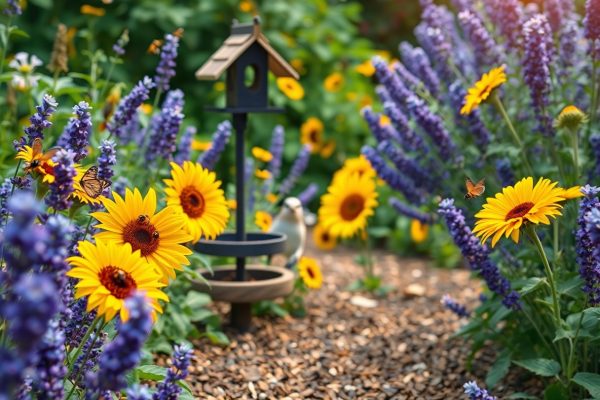
Native plants are ideal for sustainable gardening as they require less maintenance, water, and fertilizers. They are perfectly adapted to the local climate and soil conditions, which means they thrive without additional inputs. Moreover, native species support local wildlife, providing imperative habitats and food sources for pollinators, birds, and beneficial insects, integral to maintaining ecological balance.
Companion Planting Strategies
Companion planting involves pairing different plants together to enhance growth, deter pests, and improve crop yield. This technique utilises the natural benefits of plant relationships, such as providing shade, nitrogen fixation, or repelling harmful insects. For instance, planting basil alongside tomatoes can enhance their flavour while keeping aphids at bay.
Companion planting strategies can significantly improve your garden’s health and productivity. For example, the “Three Sisters” method, which combines maize, beans, and squash, utilises vertical space effectively while allowing each plant to support the others through shared nutrients and growth patterns. Additionally, marigolds can be interspersed with vegetables to repel nematodes, protecting your crops without relying on chemical pesticides. By thoughtfully designing your garden beds, you optimise space and resources while fostering a self-sustaining ecosystem.

Pest Management in Sustainable Gardening
Effective pest management is key to maintaining a thriving garden while minimising environmental impact. By employing sustainable practices, you can nurture your plants and promote biodiversity, ultimately leading to healthier ecosystems. Integrating various methods allows you to tackle pests while reducing reliance on chemical pesticides.
Integrated Pest Management (IPM)
IPM is a holistic approach that combines different strategies for controlling pests while ensuring minimal harm to the environment. By monitoring pest populations, you can identify threshold levels that trigger control measures, allowing you to utilise a combination of mechanical, biological, and cultural practices. This ensures that interventions are both effective and sustainable.
Natural Predators and Barriers
Encouraging natural predators in your garden, such as ladybirds and lacewings, can significantly reduce pest populations without chemical intervention. You can enhance this practice by implementing barriers like row covers or introducing companion planting to deter pests, creating a harmonious ecosystem that supports your plants’ health.
Utilising natural predators not only helps in managing pests effectively but also reinforces the biodiversity of your garden. For example, planting marigolds can attract beneficial insects that prey on aphids, while an increased presence of birds can naturally curtail insect populations. Additionally, employing physical barriers like nets and hoops can protect young plants from common threats such as caterpillars and beetles, providing a dual benefit of pest control and plant safety. By fostering these relationships within your garden, you can establish a self-regulating environment that thrives on natural interactions.
Sustainable Garden Designs
Sustainable garden designs prioritise harmony with nature, focusing on biodiversity and resource efficiency. By integrating native plants, you create a resilient ecosystem that requires less water and maintenance. Consider permaculture, which emphasises perennial crops and companion planting, optimising space and resources while promoting a thriving garden. Innovative techniques like vertical gardens and container gardening further enhance sustainability, making them ideal for urban settings and limited spaces.
Permaculture Principles
Permaculture principles revolve around designing landscapes that mimic natural ecosystems. By implementing techniques such as zone planning and polyculture, you can boost productivity while minimising waste. Cultivating layers of plants—such as trees, shrubs, and ground cover—allows for efficient use of sunlight and nutrients. This holistic approach not only benefits your garden but also contributes to local biodiversity.
Vertical Gardens and Container Gardening
Vertical gardens and container gardening are exceptional strategies for maximising small spaces, utilising walls or balconies for greenery. These methods can enhance air quality and reduce heat, while also providing a stunning visual effect. Choose self-watering containers or tiered planters to optimise your efforts, and select herbs or vegetables that thrive in limited soil. It’s a practical solution that supports sustainable living even in urban environments.
Implementing vertical gardens and container gardening can significantly enhance your garden’s sustainability. By using modular structures, you can maximise vertical space while ensuring effective drainage and access to sunlight. Incorporating often-overlooked plants such as strawberries, leafy greens, and herbs can give you home-grown produce with minimal footprint. Additionally, consider utilising recycled materials for your containers, which not only reduces waste but also adds character to your garden. This approach allows you to garden with intention, transforming small spaces into thriving ecosystems.
To wrap up
Taking this into account, adopting sustainable practices in your gardening can significantly benefit both your garden and the environment. By integrating techniques such as composting, water conservation, and native plant selection, you can create a thriving ecosystem in your own backyard. Your choices can inspire others and contribute to a healthier planet. For more insight, explore this guide on How to Start a Sustainable Garden in 2025.
FAQ
Q: What are some easy sustainable gardening practices for beginners?
A: Beginners can start by composting kitchen and garden waste, using rainwater for irrigation, planting native species, rotating crops to maintain soil health, and avoiding chemical pesticides in favour of natural alternatives.
Q: How can I improve soil health sustainably?
A: To enhance soil health, incorporate organic matter such as compost or well-rotted manure, practice cover cropping to prevent soil erosion, avoid tilling to preserve soil structure, and use mulch to retain moisture and suppress weeds.
Q: What role do native plants play in sustainable gardening?
A: Native plants are adapted to local conditions, requiring less water and maintenance. They support local wildlife, including pollinators, and help maintain biodiversity, making them an excellent choice for sustainable gardens.
Q: How can I manage pests sustainably in my garden?
A: Employ integrated pest management strategies such as attracting beneficial insects, using physical barriers like row covers, introducing companion planting to deter pests, and applying organic pest control methods like neem oil or soap sprays.
Q: Why is water conservation important in gardening?
A: Water conservation helps to reduce resource strain, especially during dry spells. Techniques such as drip irrigation, mulching to retain moisture, and selecting drought-tolerant plants can contribute significantly to sustainable gardening practices.
You may also like