Pollution-Proof Your Urban Garden – Tips for Cleaner, Healthier Plants
Urban environments can present numerous challenges for gardeners, from air pollution to contaminated soil. By employing effective strategies, you can create a thriving green space that is resilient against these pollutants. This guide offers you practical tips to enhance the health and vitality of your urban garden, ensuring your plants flourish despite the challenges of city living. By taking proactive steps, you can enjoy a cleaner, healthier garden that not only benefits you but also contributes positively to your local ecosystem.
Key Takeaways:
- Implement natural barriers to shield plants from pollutants, such as installing windbreaks and using physical covers.
- Choose resilient plant varieties that are known for their ability to withstand urban pollution.
- Incorporate soil amendments and organic practices to enhance soil health and support plant growth.
Understanding Urban Pollution
Urban pollution significantly impacts plant growth and health. Common pollutants include particulate matter, nitrogen oxides, and volatile organic compounds, which can hinder photosynthesis and damage foliage. For insights into how plants can help mitigate these issues, check out Nature’s Clean Air Army: How Plants Purify the Air Around Us.
Types of Urban Pollutants
- Particulate Matter (PM)
- Nitrogen Dioxide (NO2)
- Sulphur Dioxide (SO2)
- Carbon Monoxide (CO)
- Volatile Organic Compounds (VOCs)
The impacts of these pollutants can be detrimental to your urban plants, affecting growth and leaf quality.
| Pollutant | Effects on Plants |
| Particulate Matter | Block sunlight and impede respiration |
| Nitrogen Dioxide | Hinders photosynthesis, leading to stunted growth |
| Sulphur Dioxide | Can cause leaf damage and reduced productivity |
| Carbon Monoxide | Affects oxygen intake in plants |
| Volatile Organic Compounds | May lead to respiratory issues in plants |
Sources of Pollution in Urban Areas
Pollution in urban areas stems from various sources, including vehicular emissions, industrial discharges, and construction activities. The concentration of traffic in densely populated cities releases significant amounts of nitrogen oxides and particulate matter, which can directly affect your garden’s health. Urban heat islands further compound these issues, exacerbating air quality concerns.
Residential heating, even the use of standard household appliances, releases pollutants as well. Urbanisation leads to unnatural soil compaction and often reduces green spaces, which negatively impacts air quality. The combination of these factors makes it imperative for you to adopt strategies that can help mitigate pollution’s impact on your urban garden.
Choosing the Right Location for Your Garden
To ensure your urban garden thrives despite pollution, selecting the optimal location is vital. Aim for areas with ample sunlight, away from heavy traffic. Look for secluded spots, such as balconies, terraces, or rooftops, where air movement reduces stagnant pollutants. Consider visibility and accessibility for regular maintenance, allowing easy access to monitor your plants’ health.
Evaluating Air Quality
Air quality significantly impacts your garden’s health. Assess local pollution sources, including major roads and industrial areas. If you live near high-traffic zones, consider using air-purifying plants, like spider plants and peace lilies, which absorb harmful toxins, improving the surrounding environment for your garden.
Assessing Soil Contamination
Soil contamination poses a threat to your plants, making soil assessment imperative. Conducting a soil test can highlight contaminants such as heavy metals, pesticides, and other pollutants. Choose a reliable lab for accurate results, or consider DIY kits available at local garden centres, ensuring you create a safe growing environment.
To probe deeper into soil contamination, you should be aware of common city pollutants, including lead, arsenic, and cadmium, often stemming from past industrial activity or leaded petrol. Sampling your soil’s depth is vital, as contaminants may not be uniform throughout. Regularly testing your soil every couple of years can also help you track changes and address emerging issues before they affect plant health. If contamination is significant, consider strategies like raised beds with clean soil or planting phytoremediators, which can help cleanse the soil while producing edible plants.

Selecting Pollution-Resistant Plants
When choosing plants for your urban garden, it’s important to opt for varieties known for their resilience against pollution. Look for species that can thrive in adverse air quality and contaminated soils, such as certain ferns, willows, and poplars. These plants not only survive but can also help mitigate the effects of pollutants, making your garden a safer space for both you and the environment.
Native Plant Varieties
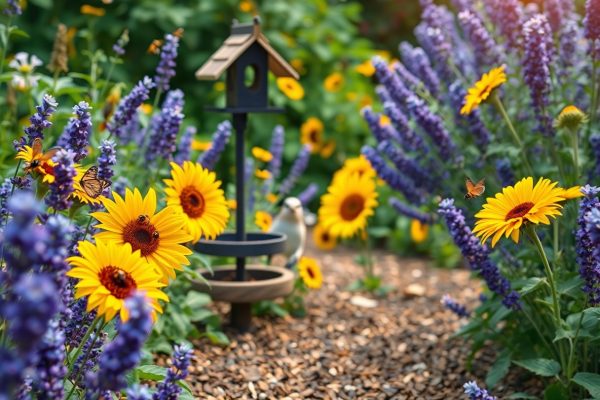
Native plants are particularly effective in combating urban pollution due to their natural adaptation to local climates and soil conditions. Species like the common ragwort and foxglove can absorb pollutants efficiently while providing habitat for local wildlife. Using native flora ensures better chances of survival and promotes a balanced ecosystem in your urban garden.
Benefits of Biodiversity
Increasing biodiversity within your garden enhances its resilience against pollution. A diverse range of plants can create a more robust ecosystem, improving air and soil quality. By incorporating various species, you encourage beneficial insects and organisms that help manage pests and disease naturally, ensuring a healthier environment for your plants.
Biodiversity is not merely about plant variety; it creates interdependent relationships that strengthen the garden’s overall health. For example, attracting pollinators through flowering plants increases pollination rates, while nitrogen-fixing plants enrich the soil. Moreover, a mix of plants can enhance nutrient cycling and improve moisture retention, leading to a more vibrant and sustainable garden that actively reduces urban pollution impacts.
Employing Effective Gardening Techniques
Integrating effective gardening techniques can significantly enhance your urban garden’s resilience against pollution. Methods such as raised beds, container gardening, and organic mulches not only optimise space but also improve soil quality and plant health. These strategies promote better drainage, reduce soil compaction, and mitigate the adverse effects of urban pollutants on your plants.
Raised Beds and Container Gardening
Raised beds and container gardening offer a practical solution for urban spaces with contaminated soil. By elevating your plants, you can improve drainage and aeration while reducing exposure to pollutants found in the ground. This technique also allows you to control soil quality more effectively, ensuring your plants receive the nutrients they need for robust growth.
Use of Organic Mulches
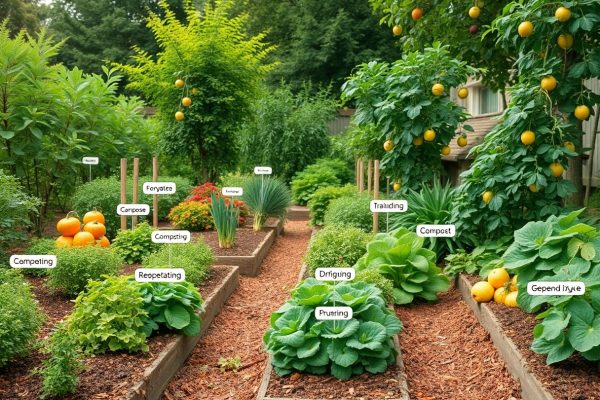
Using organic mulches in your garden can provide multiple benefits, including moisture retention, temperature regulation, and weed suppression. Through decomposition, these mulches enrich your soil, promoting healthier plant growth while simultaneously preventing soil erosion and limiting exposure to harmful urban debris.
Organic mulches, such as wood chips, straw, or grass clippings, not only improve fertility but also create a barrier that shields your plants from pollutants. For instance, a layer of straw can help filter rainwater, reducing the chance of contaminants reaching your soil. Additionally, applying a 5 to 10 cm layer effectively suppresses weeds, which compete for nutrients and water, ensuring your plants thrive even in challenging urban environments.

Managing Water Quality
Water quality is paramount in maintaining a thriving urban garden. Pollutants often invade water sources, potentially harming your plants. Regularly testing and managing the quality of the water you use is necessary to ensure your plants receive the nutrients they require without the stress of harmful substances. By implementing effective water management techniques, you can promote a healthier garden environment.
Rainwater Harvesting
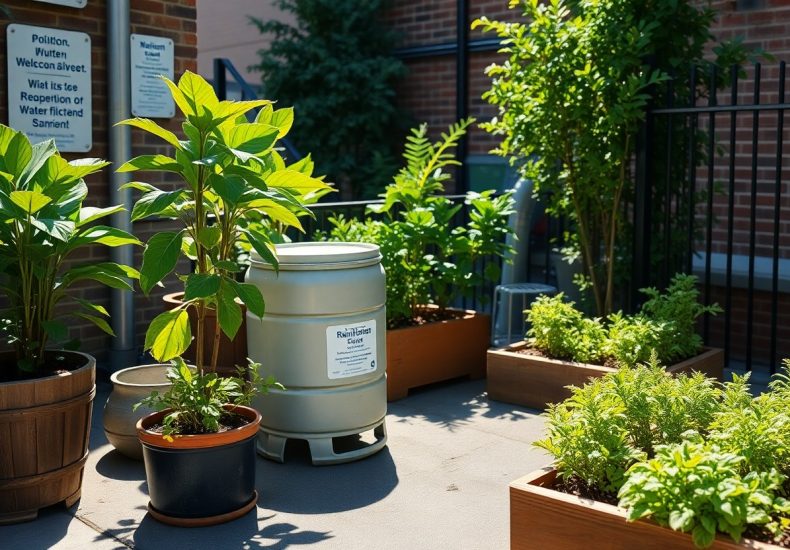
Rainwater harvesting is an excellent way to collect and utilise natural rainfall for your garden. By installing a rain barrel or cistern, you can gather rainwater from your roof, which is typically free from many contaminants found in tap water. This sustainable practice not only conserves resources but also provides your plants with soft water that promotes their growth and vitality.
Water Filtration Systems
Incorporating water filtration systems into your gardening routine helps ensure that the water you use is clean and free of pollutants. These systems can effectively remove sediment, chemicals, and biologics, resulting in higher quality water that fosters plant health.
Various filtration systems are available, ranging from activated carbon filters to reverse osmosis units. For instance, a multi-stage filtration system can significantly reduce heavy metals and chlorine found in urban water supplies, thus providing a safer alternative for your garden. Installing such systems allows you to fine-tune water quality according to your plants’ specific needs, ultimately leading to more robust growth and a flourishing garden environment.
Regular Maintenance and Monitoring
To ensure the longevity and health of your urban garden, regular maintenance and monitoring are necessary. This involves routine checks on your plants, soil, and water quality, allowing you to quickly identify and address any issues before they escalate. Establish a schedule for inspecting your garden, focusing on evidence of pest infestations, soil drainage, and overall plant vitality. Consistent attention will enhance your ability to cultivate a resilient and flourishing garden.
Soil Testing
Conducting periodic soil testing is vital to ascertain the nutrient levels and pH balance necessary for optimal plant growth. You should aim to test your soil at least once a year, using a simple home testing kit or by sending a sample to a lab. This will highlight deficiencies and enable you to amend your soil appropriately, ensuring that your plants receive the correct nutrients to thrive in an urban environment.
Plant Health Assessment
Regular plant health assessments allow you to evaluate the well-being of your garden’s flora. Look for signs of stress, such as wilting, yellowing leaves, or stunted growth, which can indicate underlying issues such as pests, disease, or poor soil quality. Implement a systematic approach to observe your plants weekly, focusing on any changes in appearance or behaviour. Taking timely action based on these assessments can prevent minor problems from escalating into serious threats.
During a plant health assessment, you should examine not only the visual aspects but also consider environmental factors that could impact their growth. Assessing surrounding conditions like light levels, humidity, and temperature can provide insights into potential stressors. For example, a plant that is shaded too often might display elongated stems, indicating it’s stretching for light. By understanding and documenting these trends, you can make informed decisions about pruning, relocating, or even replacing plants to promote a healthier garden ecosystem.
Summing up
The tips provided will enable you to create a cleaner, healthier urban garden, safeguarding your plants from pollution. By implementing effective strategies such as using organic soil amendments and carefully selecting native plants, you can improve air quality and enhance biodiversity in your garden. You can further educate yourself on best practices by exploring Pollution Prevention Gardening 101. Adopting these methods not only nourishes your plants but also contributes positively to your urban environment.
You may also like