Best Plants for Urban Gardens – Low-Maintenance and High-Yield Picks
You can transform your urban space into a flourishing oasis with the right selection of plants. In this post, you will discover a variety of low-maintenance and high-yield options that are ideal for city gardening. Whether you have a balcony, rooftop, or small yard, these plants will thrive in compact environments while providing you with fresh produce and vibrant greenery. Learn how to make the most of your urban garden with these practical choices designed for busy lifestyles.
Key Takeaways:
- Select native plants to enhance biodiversity and reduce maintenance needs.
- Opt for container gardening to maximise space and improve aesthetics.
- Focus on high-yield crops like tomatoes and herbs for efficient urban gardening.
Benefits of Urban Gardening
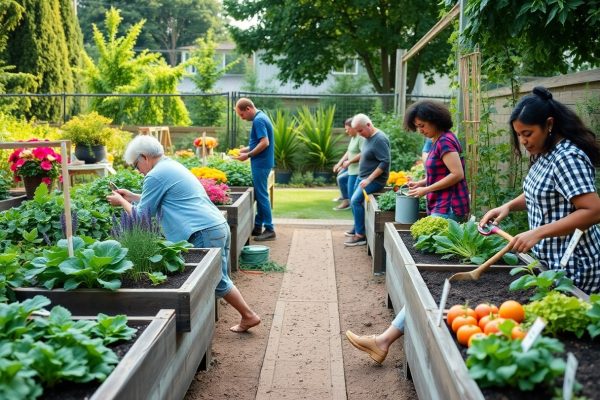
Urban gardening offers a myriad of benefits, from enhancing your mental wellbeing to beautifying your surroundings. Engaging with nature reduces stress, while the accessibility of fresh produce can improve your diet and promote sustainability. Moreover, you’ll find your gardening efforts can lead to vibrant community connections. For inspiration, check out 30 Low-Maintenance Plants for Easy Landscaping.
Space Efficiency
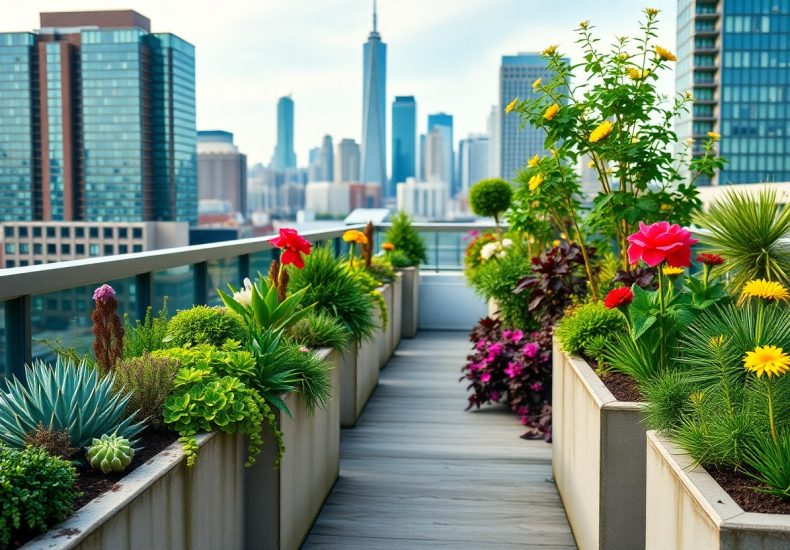
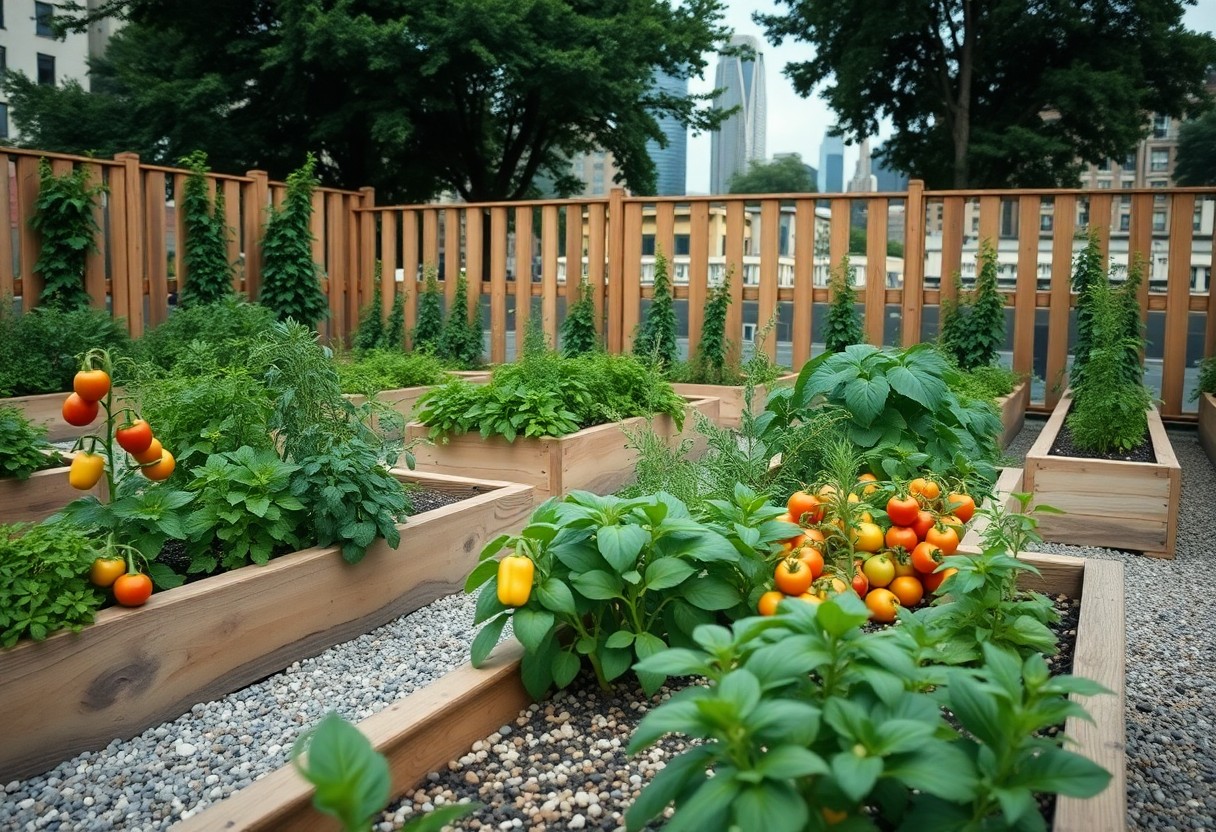
Utilising limited urban space effectively is fundamental to urban gardening. Vertical gardens, wall planters, and raised beds allow you to maximise your growing area without sacrificing valuable ground space. You can harvest a variety of crops in small plots, ensuring that every inch serves a purpose—from herbs in pots to tomatoes climbing a trellis.
Environmental Impact
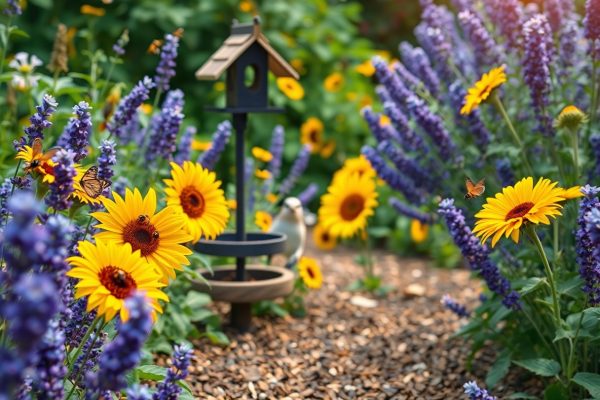
Your urban garden plays a vital role in improving local environmental conditions. By planting greenery, you contribute to better air quality and reduce urban heat islands, making cities more liveable. These gardens support biodiversity, as they offer habitat for pollinators and other wildlife.
Significantly, studies show that urban greenery can lower air pollution levels by up to 30%, providing cleaner air for you and your community. Furthermore, growing your own food reduces the carbon footprint associated with transporting produce from rural areas to urban markets. Through responsible practices, such as composting and using native plants, you directly enhance the ecosystem around you, fostering a healthier urban environment.
Choosing the Right Plants
Selecting the right plants for your urban garden is important for achieving a thriving, low-maintenance space. Prioritise varieties that not only suit your local climate but also thrive in the conditions you can provide. Consider both the aesthetic appeal and the functionality of your plants—choosing varieties that produce edible yields can significantly enhance your gardening experience.
Climate Considerations
Your local climate plays a pivotal role in the success of your urban garden. Understanding temperature ranges, rainfall patterns, and seasonal shifts will help you select plants that can flourish in your environment. For example, Mediterranean herbs like rosemary and thyme thrive in warmer, drier regions, while leafy greens may require cooler temperatures to prevent bolting.
Soil and Light Requirements
Assessing your garden’s soil type and light availability is vital for choosing the right plants. Most vegetables and herbs prefer well-drained soil rich in organic matter, while flowers may vary in their needs. Be mindful of light requirements; plants such as tomatoes need full sun, while shade-tolerant varieties like ferns can thrive in darker areas.
To ensure your plants thrive, it’s important to understand the specific light and soil needs of each variety. For instance, if your garden receives at least six hours of sun daily, you can easily grow sun-loving vegetables like peppers and courgettes. On the other hand, shady corners can be filled with attractive hostas or wild strawberries, both of which appreciate lower light levels. Additionally, you may need to amend your soil with compost or other organic materials to improve its structure and nutrient content, promoting healthier plants and higher yields.
Low-Maintenance Plants for Urban Gardens
When space and time are limited in urban settings, low-maintenance plants become necessary. These hard-working species not only require minimal care but also adapt readily to various growing conditions. Selecting plants that can thrive with little attention allows you to enjoy the beauty of your garden without the stress of constant upkeep. Focus on choosing varieties that are known for their resilience and ability to yield results without demanding much from you.
Perennials
Perennials are excellent choices for urban gardens, as they return year after year with minimal fuss. Consider planting hardy varieties such as lavender or sedum, which flourish in urban environments. These plants not only add beauty to your space but also require little more than a good start and occasional watering to survive. They can thrive in both containers and garden beds, making them versatile additions to your urban sanctuary.
Herbs
Herbs are ideal for urban gardens, combining functionality and low-maintenance requirements. Growing your own herbs such as basil, mint, and chives can enhance your cooking while needing very little care. You can easily grow herbs in pots on a windowsill or balcony, taking advantage of limited space while enjoying fresh flavours at your fingertips.
Herbs like rosemary and thyme are particularly suited for urban gardening due to their drought-resistance and compact growth. You’ll find that with proper drainage and occasional watering, these herbs can flourish even in small spaces. Fresh herbs not only elevate your culinary creations but also contribute to air purification, making your urban environment more pleasant. Planting a variety of herbs encourages biodiversity and attracts beneficial pollinators, enhancing the overall health of your garden.
High-Yield Crops for Urban Spaces
In urban environments, maximising space and productivity is key, particularly when it comes to high-yield crops. Selecting the right varieties can significantly increase your harvest while keeping maintenance to a minimum. Look for crops that are adaptable to smaller spaces and can thrive in containers or raised beds, ensuring you enjoy fresh produce without overwhelming your schedule.
Vegetables
For urban gardens, vegetables such as tomatoes, peppers, and radishes are ideal choices. Tomatoes, especially compact varieties like ‘Tiny Tim’, can yield a hearty harvest even in limited space, while peppers offer versatility and can be grown in pots. Radishes are fast-growing, usually ready to harvest in just three to four weeks, giving you a quick and rewarding return on your efforts.
Fruits
Fruits such as strawberries, dwarf apples, and raspberries thrive in urban gardens, providing high yields in small spaces. Strawberries are particularly rewarding, with some varieties producing fruit all summer long. Dwarf apple trees, suitable for pot cultivation, can yield ample fruit without occupying significant ground space, while raspberries provide delicious berries season after season with proper pruning.
Strawberries, in particular, are excellent for vertical gardening, allowing you to maximise space while enjoying a continuous harvest. With a little care, you can produce up to 1.5 kilograms of strawberries per plant in a single growing season. This makes them not only a great choice for urban gardens but also a delightful way to enjoy fresh fruit throughout the warmer months, enhancing your gardening experience and your palate.
Container Gardening Techniques
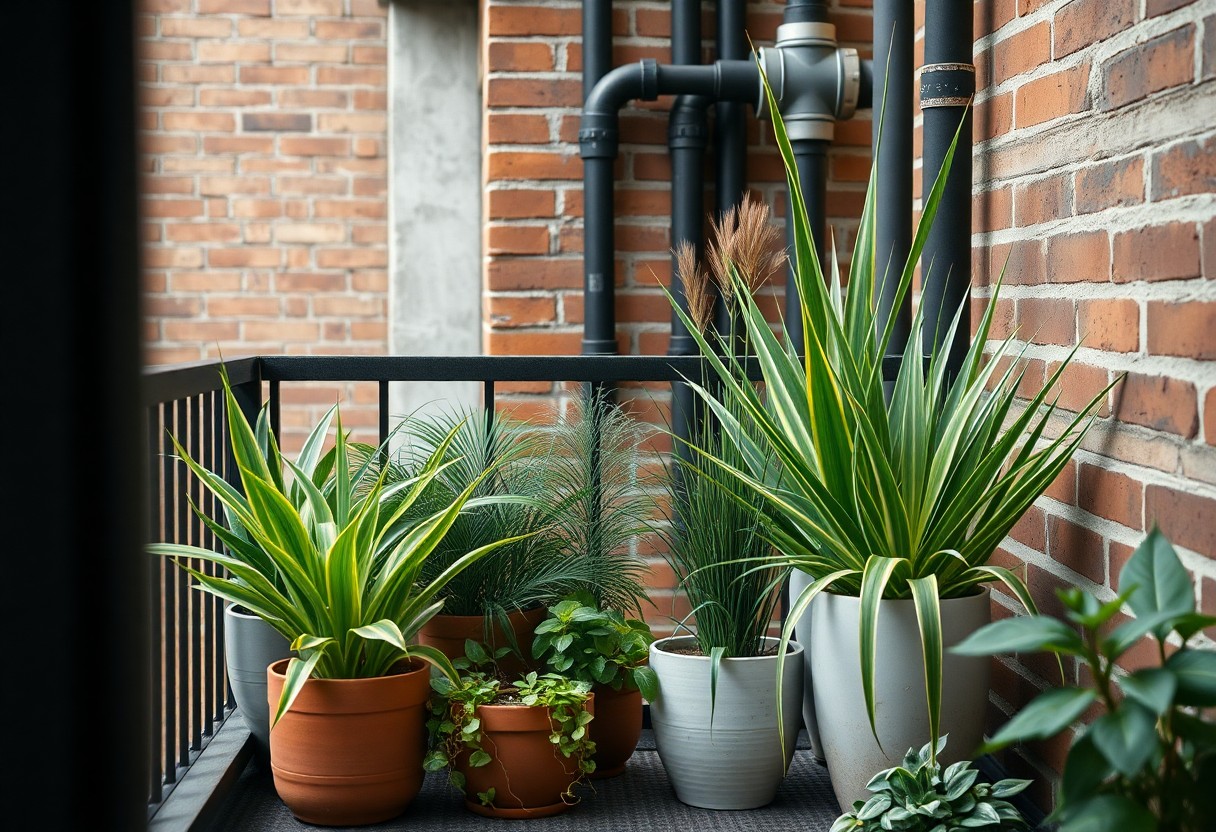
Container gardening provides an ideal solution for urban spaces, allowing you to grow a variety of plants even in limited areas. Focus on utilising different sizes and styles of containers, taking into account your chosen plants’ growth habits and requirements. Integrating herbs, vegetables, and flowers will not only enhance your outdoor aesthetics but also yield a fruitful harvest with minimal effort.
Selecting Containers
Choosing the right containers is necessary for the success of your garden. Look for options that complement your style while providing proper drainage. Materials like terracotta, metal, and recycled plastic can make excellent choices depending on your aesthetic and practical needs. Aim for pots that are at least 30 cm wide to accommodate root growth and ensure your plants thrive.
Watering and Drainage Tips
Effective watering and drainage are key to maintaining healthy plants in containers. Ensure your pots have drainage holes to prevent waterlogging, and consider adding a layer of gravel or stones at the bottom. Water your plants based on their specific needs, generally allowing the top inch of soil to dry out between watering to avoid over-saturation.
- Check your container’s drainage regularly.
- Use self-watering containers for convenience.
- Adjust watering frequency with seasonal changes.
- This will help keep your plants healthy and thriving.
Beyond proper watering, recognising the signs of over or under-watering is vital. Yellowing leaves often indicate excessive moisture, while wilting may suggest drought stress. Experiment with soil moisture meters to gauge when to water, and consider using potting mixes designed for container gardening, which promote better drainage and moisture retention.
- Incorporate mulch to retain soil moisture.
- Group containers to maintain humidity levels.
- Consider drip irrigation systems for larger setups.
- This can greatly simplify your gardening routine and boost plant health.
Pest Management in Urban Gardens
Effective pest management is imperative in urban gardens, where limited space can exacerbate pest problems. By being proactive, you can minimise infestations and protect your plants without excessive intervention. A combination of organic solutions and preventative measures will ensure your garden flourishes while safeguarding your produce from unwelcome visitors.
Organic Solutions
Utilising organic solutions for pest control not only helps protect your plants but also promotes a healthier garden ecosystem. You can introduce beneficial insects, such as ladybirds and lacewings, to combat aphids and other pests. Additionally, natural sprays made from neem oil or garlic can deter unwanted critters without harming the environment.
Preventative Measures
Implementing preventative measures in your urban garden reduces the likelihood of pest infestations. Regularly inspecting your plants for early signs of distress and maintaining proper hygiene around your garden can hinder pests from taking hold. Rotate your crops annually and ensure adequate air circulation to minimise fungal issues.
Incorporating preventative measures creates a healthier growing environment. Establishing companion planting can naturally ward off pests; for instance, marigolds deter nematodes and aphids while attracting pollinators. Additionally, mulching your garden beds helps retain moisture and suppress weeds, which can host pests. Consistent monitoring paired with a clean garden will ultimately lead to a flourishing, pest-resistant urban space.
Summing up
Considering all points, selecting the best plants for your urban garden that are low-maintenance and high-yield can significantly enhance your gardening experience. By choosing plants that require minimal care yet provide abundant yields, you can maximise your space and time. Explore Low Maintenance Plants That Are Especially Useful to ensure your garden flourishes with ease. Embrace these selections for a vibrant, productive garden suited to urban living.
You may also like