Urban Gardening 101 – Getting Started in Small Spaces
Just because you live in a small space doesn’t mean you can’t enjoy the benefits of gardening. Urban gardening allows you to cultivate plants in limited areas, whether it’s a balcony, rooftop, or window sill. In this guide, you’ll discover practical tips and techniques to transform your compact environment into a thriving green sanctuary. You’ll learn about container gardening, selecting the right plants, and maximising your space to create a flourishing urban garden tailored to your lifestyle.
Key Takeaways:
- Utilise containers and vertical space to maximise small areas for planting.
- Choose suitable plants that thrive in limited sunlight and space.
- Ensure proper drainage and soil quality for healthy plant growth.
Understanding Urban Gardening
Urban gardening involves cultivating plants in densely populated areas, where space is limited and often unconventional. You can transform balconies, rooftops, windowsills, and even small backyards into green spaces, fostering a connection with nature amidst the urban landscape. This practice not only enhances the aesthetic of your surroundings but also promotes sustainability by reducing food miles and increasing biodiversity in cities.
Benefits of Urban Gardening
Engaging in urban gardening offers numerous advantages. You’ll enjoy fresh, home-grown produce, which is both healthier and more flavourful than store-bought alternatives. Additionally, it provides a sense of accomplishment and can significantly improve your mental well-being by reducing stress, fostering mindfulness, and encouraging physical activity. The ability to personalise your green space also allows for creative expression, making it a rewarding endeavour.
Common Challenges
Despite its benefits, urban gardening comes with its challenges. Limited space can restrict your choices in terms of plants, while the potential lack of sunlight and poor soil quality may hinder growth. Furthermore, urban environments often present issues such as pollution and pests, necessitating strategic planning and adaptation to overcome these obstacles.
Addressing these common challenges requires a proactive approach. If sunlight is scarce, consider shade-tolerant plants or utilise artificial light sources. Improving soil quality through composting can enhance fertility, even in small pots. To combat pests, you might employ organic solutions or companion planting techniques. With careful consideration and creativity, you can successfully navigate these hurdles, ensuring your urban garden flourishes despite the constraints of city living.
Selecting the Right Space
Finding the ideal location for your urban garden is fundamental to its success. Every small space has unique characteristics that can impact your plants’ growth. Consider factors like light exposure, accessibility, and protection from harsh weather. Assessing these elements ensures you choose a space that maximises your gardening efforts while accommodating the needs of your plants.
Assessing Light Conditions
Evaluate how much sunlight your chosen area receives throughout the day. Most vegetables and herbs require at least six hours of direct sunlight for optimal growth. Pay attention to nearby buildings or trees that may cast shadows, altering the light conditions gradually as the seasons change.
Evaluating Available Space
Take stock of all available spaces in your home, including balconies, terraces, and even window ledges. Measure these areas to understand how much room you have, considering height as well as width. Adapting to vertical gardening solutions, such as wall planters and hanging pots, can help you fully utilise limited space without sacrificing plant variety.
Creating a garden in limited space often means finding innovative solutions. For instance, a compact balcony can support a range of plants with the right configuration. If you utilise vertical frames, stackable pots, or tiered shelving, you can effectively increase your planting area. Additionally, consider multi-functional furniture, such as benches with built-in planters. This way, you integrate your garden into your living space while retaining functionality. Balancing aesthetics with practicality will allow you to cultivate a thriving garden in the tightest confines.
Choosing Containers and Soil
Selecting the right containers and soil is pivotal for nurturing your urban garden. The containers you choose should not only suit your aesthetic but also provide adequate drainage and space for root growth. For more insights, you can refer to this How to Urban Gardening – Beginner Guide – Eco-friendly. Your soil should be rich and well-draining, ensuring that your plants receive the nutrients they require for healthy growth.
Types of Containers
Containers vary widely in materials and sizes, impacting both drainage and insulation. You might consider:
- Terra cotta pots – good for breathability.
- Plastic containers – often lighter and easier to handle.
- Wooden planters – provide insulation but may rot.
- Metal containers – stylish but may overheat.
- Fabric pots – excellent drainage and flexibility.
Assume that the choice of container influences your plant’s growth and vitality.
| Container Type | Pros |
|---|---|
| Terra Cotta | Breathable, natural appearance |
| Plastic | Lightweight, versatile |
| Wood | Insulative, visually appealing |
| Metal | Durable, modern look |
| Fabric | Good drainage, air pruning roots |
Soil and Nutrient Needs
Quality soil is the backbone of a thriving urban garden. Your soil must be nutrient-dense and adequately aerated to support plant growth. Use a mixture of potting soil with added compost or organic matter to enhance fertility. Incorporating slow-release fertiliser can support healthy growth throughout the plant’s lifecycle.
To ensure optimal nutrient levels, consider testing your soil regularly. Products are available to help you assess pH and nutrient content, allowing you to tailor your amendments accordingly. Many urban gardeners benefit from adding organic matter such as leaf mulch or worm castings to improve soil structure and nutrient content. Effective soil management can lead to bountiful harvests, even in limited spaces.
Plant Selection
Choosing the right plants is key to maximising your urban gardening experience. Consider your available sunlight, space, and the time you can dedicate to upkeep. Opt for plants that not only thrive in confined spaces but also complement each other for aesthetic appeal and maximised yield. Focus on varieties that suit your climate and your personal tastes to create a garden that is both productive and enjoyable.
Best Plants for Small Spaces
For small spaces, choose plants that grow vertically or require minimal ground area. Herbs like basil and parsley, salad greens such as lettuce, and compact vegetables like radishes and dwarf tomatoes fit well in pots. Additionally, flowering plants like nasturtiums can add colour while being perfectly suited for containers, allowing you to make the most of your limited space.
Seasonal Considerations
Understanding seasonal changes is vital for a thriving urban garden. Different plants flourish in different seasons, so you’ll need to plan your planting schedule accordingly. Spring and summer are typically optimal for most vegetables, while autumn can be a great time for hardy greens. Always consider the frost dates and rainfall patterns in your area to protect your plants and ensure successful growth.
Monitoring the seasons closely can enhance your gardening success. During spring, your focus might shift to fast-growing crops like peas or radishes. Summer might be ideal for heat-tolerant plants like tomatoes or peppers. In autumn, consider planting kale or winter varieties that can endure cooler temperatures. Reflecting on local climate patterns and choosing appropriate varieties will make a notable difference in your garden’s productivity and health.
Watering and Maintenance
Effective watering and maintenance practices are vital for a thriving urban garden. You need to establish a routine that accommodates the specific needs of your plants, factoring in their growth stage and environmental conditions. Overwatering can be as damaging as underwatering, so keep a close eye on soil moisture levels. Ensuring good drainage and using mulch can help retain moisture while reducing the frequency of watering.
Irrigation Techniques
Employing suitable irrigation techniques can simplify your gardening efforts. Drip irrigation systems are particularly effective for small spaces, delivering water directly to the roots while conserving moisture. Alternatively, self-watering containers are a great option, as they provide a steady supply of water without constant monitoring, making them ideal for busy urban gardeners.
Pest Control Strategies
Implementing pest control strategies in your urban garden can prevent infestations and protect your plants. Start by regularly inspecting your plants for signs of pests, such as damage or unusual spots. Introducing beneficial insects like ladybirds can also help keep pest populations in check, while maintaining proper plant spacing promotes airflow, reducing the risk of disease.
For effective pest control, consider integrating companion planting into your garden design. For example, planting marigolds alongside vegetables can deter harmful insects, whilst herbs like basil can enhance flavour and act as natural repellents. Additionally, using organic pest deterrents, such as neem oil or insecticidal soap, protects your plants without harming beneficial insects. Regularly monitor and adapt your strategies to maintain a healthy garden ecosystem.
Creative Gardening Solutions
Urban gardening often requires innovative approaches to maximise your limited space. By implementing creative gardening solutions, you can transform even the smallest areas into green havens. Techniques like vertical gardening and utilising multi-functional furniture can significantly expand your planting possibilities. Incorporating these methods not only optimises your available area but also adds aesthetic value and practicality to your living space.
Vertical Gardening
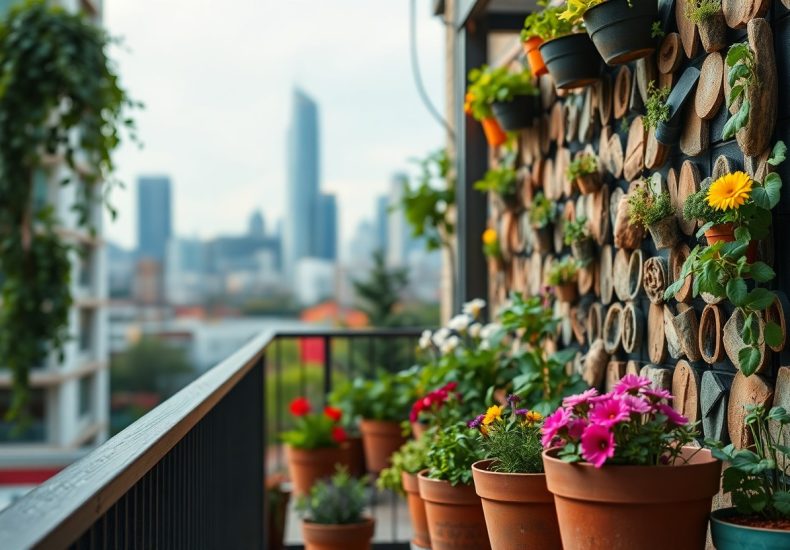
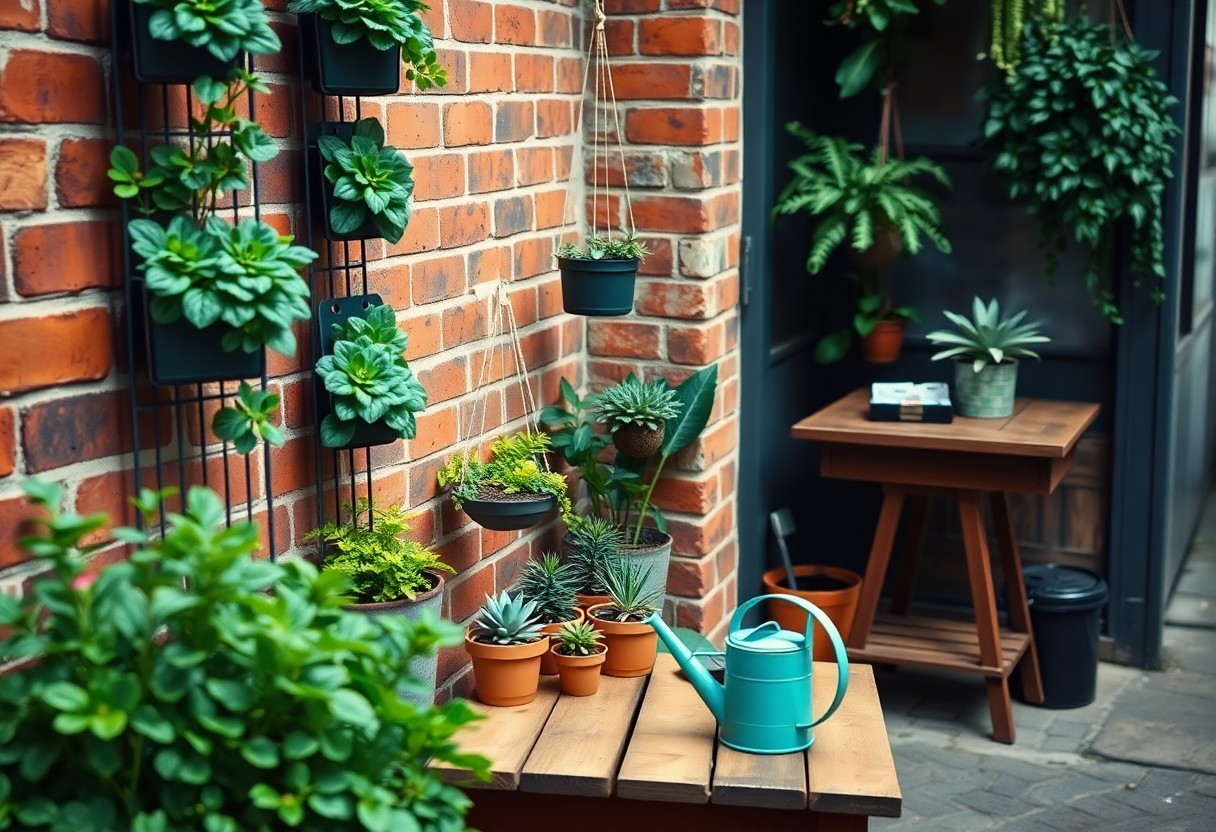
Vertical gardening is an excellent way to save space while adding greenery to your urban environment. By using wall-mounted planters, trellises, or hanging pots, you can elevate your plants and take advantage of upward space. This technique allows for increased sunlight exposure and air circulation, which is beneficial for the growth of various herbs, vegetables, and ornamental plants.
Indoor Gardening Ideas
Indoor gardening presents a unique opportunity to cultivate plants regardless of outdoor restrictions. By selecting plants that thrive in low light and utilising window sills, shelves, or even kitchen counters, you can bring nature indoors. Consider flowering plants or herbs like basil and mint that enhance your living space while being practical for cooking and decoration.
In addition to brightening your interior, indoor gardening can also improve air quality and contribute to your overall well-being. Using self-watering planters can simplify maintenance, ensuring your plants remain healthy without constant attention. Incorporating items like terrariums or hydroponic systems can further diversify your indoor garden, allowing you to experiment with various plant types and growing techniques. Such elements not only serve as unique décor but also offer a sense of tranquillity and connection to nature within your home.
To wrap up
Taking this into account, urban gardening in small spaces offers you a unique opportunity to cultivate your own greens and flowers, enhancing your living environment. By choosing the right plants, utilising vertical space, and incorporating container gardening techniques, you can maximise even the tiniest areas. Begin your journey with a clear plan and the right tools, and you’ll transform your limited space into a flourishing urban oasis. Embrace the joy of gardening and reap the rewards of homegrown produce and beautified surroundings.
FAQ
Q: What is urban gardening?
A: Urban gardening refers to the practice of cultivating, processing, and distributing food in and around urban areas. It can take place in small spaces like balconies, rooftops, and community gardens, allowing city dwellers to grow their own food while enhancing local biodiversity.
Q: What types of plants are suitable for small spaces?
A: Ideal plants for small spaces include herbs such as basil and parsley, leafy greens like spinach and lettuce, and compact vegetables such as radishes and cherry tomatoes. Additionally, varieties of dwarf fruit trees and flowering plants can thrive in limited areas.
Q: How can I maximise space in my urban garden?
A: To maximise space, utilise vertical gardening techniques such as wall planters, hanging pots, and trellises. Consider raised beds or container gardening to optimise ground area. Grouping plants with similar light and water requirements can also enhance efficiency.
Q: What tools do I need to start urban gardening?
A: Essential tools for urban gardening include a small trowel, gardening gloves, pruning shears, watering can, and pots or containers. Optional tools may include a garden fork, hand rake, and plant tags to keep track of your plants.
Q: How do I maintain my urban garden?
A: Maintenance involves regular watering, especially in container gardens which can dry out quickly. Feed plants with appropriate fertiliser, remove weeds, and monitor for pests. Pruning and harvesting at the right times will also contribute to a healthy and productive garden.
You may also like