Urban Gardening Hacks – Repurpose Everyday Items for Planting
Hacks for transforming everyday items into useful gardening tools can elevate your urban gardening experience. By repurposing household objects, you can create unique planters, optimise space, and reduce waste. This post will guide you through innovative ways to use what you already have at home, helping you nurture your green thumb and enhance your gardening efforts. Let’s explore how you can turn common items into valuable assets for your plants.
Key Takeaways:
- Utilise items like tin cans, plastic bottles, and egg cartons as containers for planting herbs and small plants.
- Enhance your gardening space by using old furniture, such as bookshelves or ladders, for vertical planting.
- Incorporate kitchen scraps, like coffee grounds and fruit peels, to enrich soil and promote healthy plant growth.
Benefits of Urban Gardening
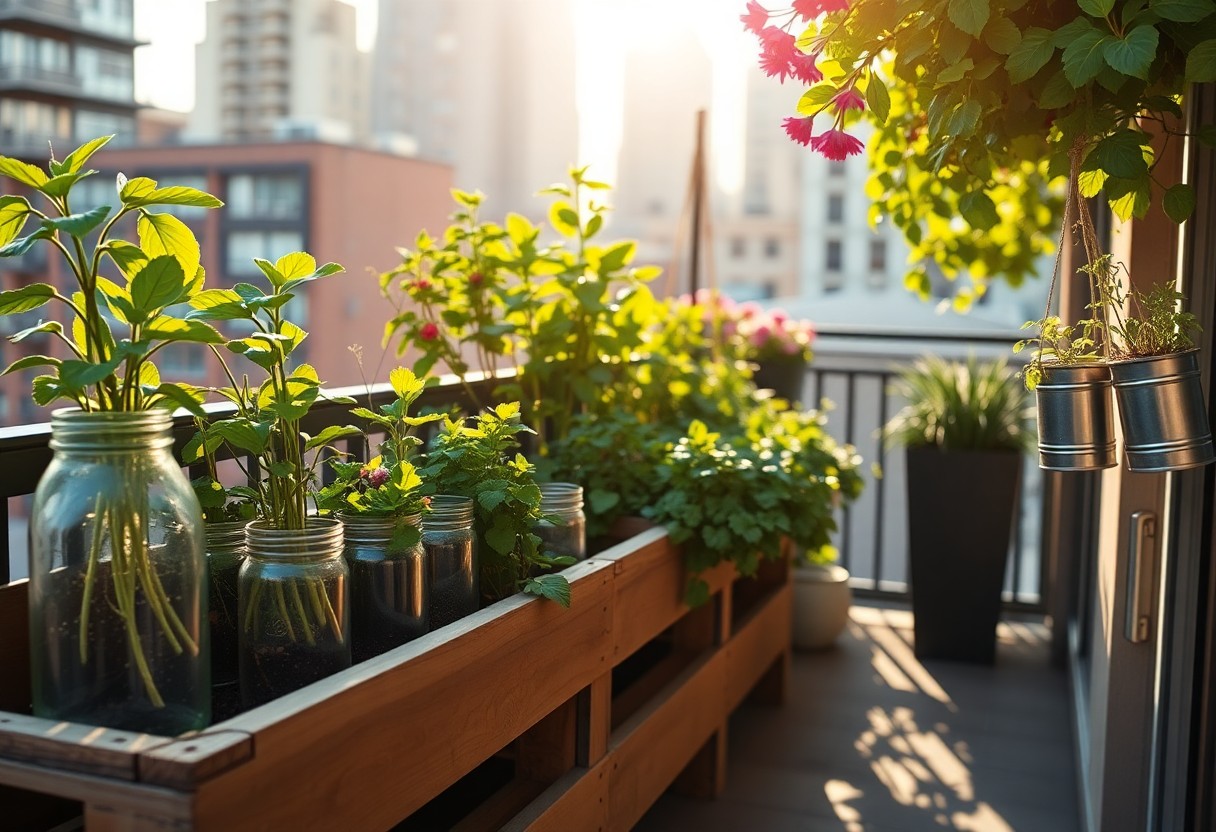
Engaging in urban gardening offers a myriad of benefits, from enhancing your living space to contributing positively to your community. You’ll enjoy the satisfaction of growing your own food, reducing your carbon footprint, and fostering a greener environment. Furthermore, it can lead to increased biodiversity in urban areas, making cities more resilient and vibrant. Simply transforming even a small balcony or windowsill can significantly improve your quality of life and mental well-being.
Environmental Impact
Your urban garden can significantly reduce the urban heat island effect by lowering temperatures in densely populated areas. By incorporating plants into your environment, you enhance local air quality through natural filtration, absorbing pollutants and carbon dioxide. Additionally, growing your own food diminishes reliance on transportation and packaging, thus decreasing your overall ecological footprint.
Health and Well-being
Engaging in urban gardening positively influences your physical health and emotional well-being. Fresh herbs and vegetables readily available at home encourage healthier eating habits, while the act of gardening itself provides moderate exercise. Studies have shown that spending time in green spaces can reduce stress, anxiety, and depression, promoting a sense of tranquility and connection to nature.
Furthermore, urban gardening fosters a sense of achievement and responsibility, boosting your mood and self-esteem. Research indicates that gardening can release endorphins, hormones linked to happiness. Social interaction from community gardening projects can also combat loneliness and create supportive networks, enhancing your overall quality of life in a bustling urban setting.
Choosing the Right Containers
Selecting appropriate containers is imperative for successful urban gardening. Your choice affects not just the aesthetic but also the health of your plants. Consider materials that suit your environment; terra cotta, for example, provides good breathability. Ensure they’re of sufficient size for the plants you intend to grow, keeping in mind their root systems, which can significantly impact growth and vitality.
Reusable Household Items
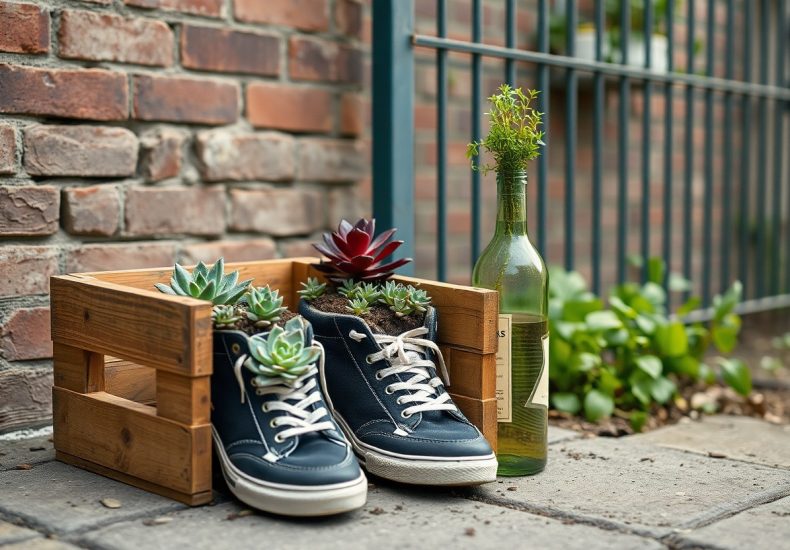
You can easily transform everyday items into plant containers, adding creativity to your gardening. Old mugs, plastic bottles, and tin cans can all serve as unique planters. Just ensure you poke drainage holes in the bottoms to prevent waterlogging, and consider decorating these items to enhance your space’s charm while being eco-friendly.
Sizing and Drainage Considerations
Proper sizing and drainage are vital for optimal plant health. Containers that are too small can restrict root growth, while overly large ones may retain excess moisture, leading to root rot. Choose containers that are appropriate for the plant’s mature size, and always ensure adequate drainage holes are present to maintain moisture levels without saturation.
When identifying container sizes, think of the plant’s growth rate and maturity. For instance, herbs like basil thrive in 15-20 cm pots, allowing ample root expansion, while larger plants, such as tomatoes, may need 30-45 cm containers. Always include drainage by puncturing bottoms for excess water to escape, reducing the risk of rot and fostering a healthy growing environment. Regularly check that these holes are unblocked, ensuring continuous drainage as your plants flourish.
Soil and Nutrients
The foundation of thriving plants lies in the quality of your soil and the nutrients it contains. Urban gardeners often face challenges with limited space and poor soil quality; thus, it’s important to create a rich growing medium that supports plant health. You can enhance your soil by incorporating organic matter, which aids in moisture retention and provides important nutrients. Always aim for a balanced soil mixture, which can significantly impact the growth and yield of your urban garden.
Creating a Nutritious Mixture
To establish a nutritious soil blend, combine equal parts of potting soil and compost, adding perlite or vermiculite for improved drainage. This mixture offers a well-aerated environment that helps prevent root rot while retaining moisture. You can also customise this blend by including worm castings or aged manure, which will enrich the soil even further, providing your plants with the best chance to flourish.
Natural Fertilizers
Utilising natural fertilisers is an excellent way to supply your plants with important nutrients without the harsh chemicals found in commercial products. Common options include compost tea, banana peels, and coffee grounds, which contribute potassium, phosphorus, and nitrogen respectively. These organic choices not only nourish your plants but also improve soil health, ensuring a sustainable gardening approach.
Compost tea, made by steeping compost in water, serves as a nutrient-rich liquid fertiliser. It can be diluted and applied directly to your plants every few weeks, promoting robust growth. Banana peels can be buried in your garden as they decompose, releasing potassium, vital for flowering and fruiting. Coffee grounds are particularly beneficial for acid-loving plants and can be sprinkled into your soil or added to your compost heap to boost nutrient levels while attracting beneficial earthworms. By integrating these natural fertilisers, you develop a healthier garden ecosystem and create a sustainable cycle of nourishment for your urban plants.
Plant Selection for Small Spaces
Selecting plants that thrive in small spaces is imperative for maximising your urban gardening potential. Opt for varieties that grow vertically or compactly, such as herbs, dwarf vegetables, and certain flowering plants. This not only optimises your limited area but also adds a vibrant touch to your environment. For inspiration on creative gardening methods, check out 15 Ways To Repurpose Household Items For Your Garden!
Ideal Plants for Urban Gardens
<pWhen considering your plant choice, look for those that are ideal for confined conditions. Small fruiting plants like strawberries or cherry tomatoes thrive in pots, while leafy greens like spinach and lettuce grow well in compact arrangements. Choose perennials, which can provide ongoing blooms with minimal effort, along with herbs such as basil and parsley that can be utilised in your cooking.
Companion Planting Tips
Companion planting can significantly enhance the productivity of your urban garden. Pairing plants with compatible companions helps deter pests and encourages beneficial insects. For example, planting marigolds alongside tomatoes can help ward off nematodes, while basil can improve the flavour of tomatoes when grown nearby.
- Pair beans with corn for mutual support
- Grow carrots with onions to repel pests
- Plant garlic near roses to enhance growth
- Utilise beneficial insects by combining flowers with vegetables
- Recognising the importance of these partnerships can lead to healthier plants and increased yields.
Understanding the principles of companion planting can help you create a thriving ecosystem in your small garden. By leveraging these relationships, you can maintain a more balanced environment, preventing certain diseases and pests naturally. Consider planting companion flowers like nasturtiums, which attract pollinators while protecting vegetables.
- Recognising these plant synergies allows for more effective gardening and better crop outcomes.

Watering and Maintenance Hacks
Effective watering and maintenance are vital for thriving urban gardens. Utilising repurposed items can simplify these tasks significantly. For example, old plastic bottles can be turned into drip irrigation systems, allowing a steady supply of moisture directly to your plants. You can also explore Creative Ways to Reuse Household Items in Gardening for more innovative solutions that merge functionality with ingenuity.
Efficient Watering Techniques
To enhance watering efficiency, consider employing DIY systems such as soaker hoses made from old garden hoses. By burying the hose under the soil, you ensure your plants receive water directly where it’s most needed, reducing evaporation and waste. This method not only conserves water but promotes deep root systems, crucial for plant health.
Pest Control with Repurposed Items
Using repurposed items can significantly aid in pest control. For instance, diatomaceous earth stored in an old sprinkle container can be dusted around plants to deter soft-bodied insects. Furthermore, coffee grounds mixed into the soil can repel snails and slugs, while citrus peels help keep pests at bay.
Employing household items for pest control doesn’t just save money; it can also be effective and environmentally friendly. For example, a simple trap made from a jar filled with beer can attract and drown slugs, providing a safe and natural way to safeguard your plants. Likewise, using neem oil, which you might already have at home, can act as a natural pesticide to protect your garden from unwanted guests without harsh chemicals. Every little innovation counts towards a more sustainable gardening practice.
Creating Vertical Gardens
Vertical gardens offer a fantastic solution to maximise limited space while adding greenery to your urban environment. By utilising wall space effectively, you can transform bare walls into lush, vibrant displays of plants, creating a striking focal point in your home or balcony. Vertical gardening not only enhances your space aesthetically but also contributes to better air quality, making it an ideal choice for urban dwellers. Embrace your creativity and explore innovative ideas to elevate your gardening experience.
Utilising Wall Space
Wall space is often underutilised in urban gardening. By using sturdy trellises or wall-mounted shelves, you can turn your vertical surfaces into thriving green spaces. Consider hanging pots or pocket planters that allow you to grow herbs, succulents, or cascading flowers without taking up valuable floor space. This not only optimises your gardening area but also adds visual intrigue to your environment.
DIY Vertical Planters
Creating your own vertical planters can be an enjoyable and resourceful way to utilise materials you already have at home. Using reclaimed wood pallets, old shoe organisers, or even plastic bottles, you can design unique and functional planters that enhance your space. These DIY projects allow you to personalise your vertical garden while being eco-friendly and cost-effective.
To make your DIY vertical planters, start by collecting materials such as wooden pallets or stacked crates. For a hanging option, cut the tops off plastic bottles, fill them with soil, and attach them to a fence or wall. Make sure to secure them tightly to withstand weather elements. Each planter can accommodate multiple small plants, such as herbs or flowering vines, enriching your garden display. You could also paint or stain these planters to match your décor, making them a stylish addition to your urban gardening project.
You may also like