Maximizing Small Spaces – Urban Gardening Tips for Apartment Dwellers
Gardening in limited spaces presents unique challenges, but with the right approach, you can transform your apartment into a vibrant green sanctuary. You can maximise your available area by selecting suitable plants and utilising vertical space, allowing you to enjoy the benefits of gardening, even in a bustling urban setting. This guide will provide you with practical tips on how to create your own urban garden, ensuring that you make the most of every inch within your home.
Key Takeaways:
- Utilise vertical gardening techniques to optimise limited floor space, such as wall planters and climbing plants.
- Select compact or dwarf plant varieties that thrive in smaller containers, ensuring a diverse and productive garden.
- Incorporate multifunctional furniture, like a balcony railing pot or a shelf for herbs, to maximise available space effectively.
Understanding Urban Gardening
Urban gardening allows you to cultivate plants even in the most compact of spaces, turning balconies, patios, or windowsills into lush green havens. You can engage with nature, improve air quality, and grow your own food—all while creating an aesthetic that complements your lifestyle. Embracing urban gardening fosters a sense of community and sustainability, making it a rewarding endeavour for any apartment dweller.
Benefits of Urban Gardening
Urban gardening offers numerous benefits such as increased access to fresh produce, the ability to reduce your carbon footprint, and the enhancement of your home’s aesthetic appeal. It promotes mental well-being by providing a connection to nature, while also serving as an educational platform for sustainable practices. Additionally, it can cultivate a sense of community among neighbours who share a similar passion for gardening.
Types of Urban Gardening
There are various types of urban gardening you can explore, including container gardening, vertical gardening, rooftop gardens, and community gardens. Container gardening utilises pots, which can be placed anywhere, while vertical gardening maximises wall space with hanging planters or trellises. Rooftop gardens transform otherwise underutilised spaces, offering a unique environment for diverse plants, and community gardens foster shared experiences and collaboration among urban residents.
| Type | Description |
| Container Gardening | Utilising pots and planters in limited areas. |
| Vertical Gardening | Growing upwards using walls and trellises. |
| Rooftop Gardens | Creating gardens on flat roof spaces. |
| Community Gardens | Shared spaces for growing plants among neighbours. |
| Indoor Gardening | Growing plants inside your apartment with suitable lighting. |
- Explore what each type offers
- Consider your available space and resources
- Research plants suited for each method
- Engage with local gardening communities
- Assume that all types can coexist in your urban setting.
Utilising various gardening methods allows you to tailor your experience based on your environment and interests. Engaging in container gardening is perfect for limited space but enables creativity with plant choices. Vertical gardening can transform bland wall surfaces into thriving green spaces, while rooftop gardens can offer an oasis away from the bustling city. Consider incorporating elements such as hydroponics for more advanced techniques, and don’t shy away from community engagement, which can enhance your gardening journey.
| Gardening Method | Key Feature |
| Container Gardening | Flexible and movable. |
| Vertical Gardening | Space-saving and innovative. |
| Rooftop Gardens | Views and sun exposure. |
| Community Gardens | Social interaction and support. |
| Indoor Gardening | Year-round growth potential. |
- Assess your environment before making choices
- Identify plants that thrive in your selected method
- Utilise online resources for tips and inspiration
- Allow for experimentation and adjustment
- Assume that urban gardening will evolve with your experience.
Assessing Your Space
To create a thriving urban garden, you first need to assess your available space. This involves understanding both the physical and environmental elements that will influence your gardening potential. Start by examining your balcony, windowsills, or any other areas that can accommodate your plants. For innovative ideas, check out 3 Clever Ways to GROW MORE in a Small Space.
Evaluating Light Conditions
Light conditions play a vital role in plant growth. Observe the sunlight patterns in your space during different times of the day. Ideally, most plants require at least six hours of direct sunlight daily, but you may have to tailor your choice of plants based on the available light. Consider a mix of shade-tolerant plants if your area has limited sunlight.
Measuring Available Space
Accurate measurements are crucial for maximising your gardening setup. Take the time to measure the height, width, and depth of your chosen areas to discern what fits best. This includes considering vertical space for climbing plants or shelves for container gardening, which can make a significant difference in how much you can grow.
When measuring, utilise a tape measure to gather precise dimensions of your balcony or windowsill. If you’re limited on floor space, think vertical—using wall-mounted planters or tiered plant stands can dramatically increase your planting area. Each square foot holds potential, so factor in how each element contributes to your overall design and plant choices. Your creativity in utilising every inch will lead to a more successful and productive garden.
Selecting the Right Plants
Choosing the appropriate plants for your urban garden can significantly impact its success. Consider factors such as available sunlight, your gardening skill level, and the overall climate of your area. Opt for varieties that will thrive in your specific conditions, ensuring a flourishing and vibrant space. Look for hardy plants that won’t require constant attention and adapt well to their surroundings, making your garden both practical and beautiful.
Best Plants for Small Spaces
When deciding on plants for limited areas, compact varieties such as dwarf fruit trees, herbs, and leafy greens are ideal. Varieties like cherry tomatoes, radishes, and compact peppers can produce bountiful yields without requiring excessive room. Herbs, in particular, thrive in pots and can be easily accessed for culinary purposes. Additionally, consider plants that can grow vertically, maximising your space effectively.
Choosing Low-Maintenance Options
Low-maintenance plants are a wise choice for those with busy lifestyles. Varieties such as succulents, snake plants, and pothos can thrive with minimal effort. They often require less frequent watering and can tolerate various lighting conditions, making them perfect for urban dwellers. These plants allow you to enjoy greenery without the stress of constant upkeep.
For instance, succulents like Echeveria or Haworthia prefer bright, indirect light and can go weeks without watering, making them ideal for those new to gardening. Snake plants (Sansevieria) are nearly indestructible, thriving in low light and requiring only occasional watering. By incorporating these low-maintenance options, you can create a vibrant garden that requires minimal attention, freeing up your time while still enjoying the benefits of urban gardening.
Innovative Container Gardening
Container gardening opens up a world of possibilities for maximising your small space. You can create a vibrant, productive garden using various container types, from traditional pots to unconventional items. This method allows for flexibility in layout and plant selection, ensuring your urban garden thrives in limited room. With the right choices, you’ll enjoy a stunning assortment of plants that enhance your living environment and provide fresh produce.
Types of Containers
When selecting containers, consider the following options to optimise your space:
- Clay pots
- Plastic containers
- Hanging baskets
- Wooden crates
- Upcycled materials
Knowing the advantages and disadvantages of each type will help you tailor your urban garden to your specific requirements.
| Container Type | Pros |
| Clay Pots | Breathable, aesthetically pleasing |
| Plastic Containers | Lightweight, various sizes |
| Hanging Baskets | Space-saving, decorative |
| Wooden Crates | Sturdy, great for more substantial plants |
| Upcycled Materials | Eco-friendly, unique designs |
Vertical Gardening Techniques
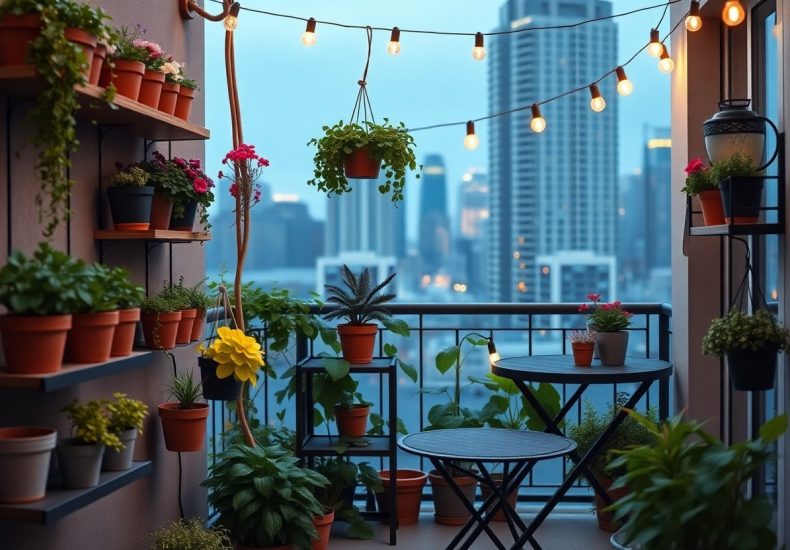
Vertical gardening maximises limited space by utilising vertical areas to grow plants. You can create living walls, use trellis systems, or employ stackable planters, making the most of your apartment’s height. This method not only increases your growing area but also adds an eye-catching element to your décor.
To implement vertical gardening effectively, you might consider tiered plant stands which allow for diverse plant heights, or even wall-mounted pots that bring greenery into upper wall sections. Climbing plants, such as peas or beans, thrive in these setups, while herbs and succulents can flourish in specially designed vertical planters. You might also explore DIY solutions, like building a rustic pallet garden or recycling shoe organisers for herb planting. Adopting these methods will help transform your small space into a lush, vertical paradise.
Maximizing Vertical Space
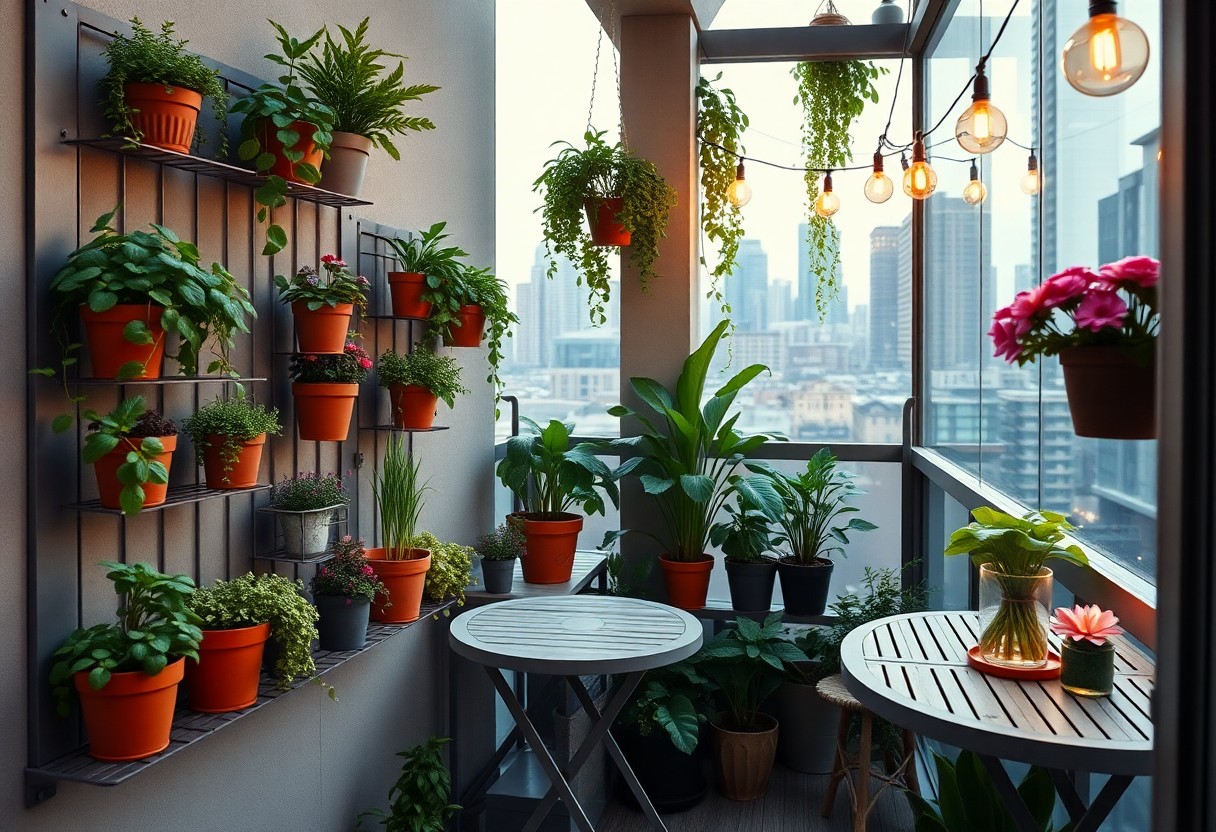
Utilising vertical space can significantly enhance your urban garden, allowing you to grow more plants without requiring additional floor area. By creating layers, you can cultivate a variety of herbs, vegetables, and flowers, transforming your walls and ceilings into green expanses. This approach not only optimises your limited area but also adds visual interest to your living space.
Using Walls Effectively
Walls can be transformed into stunning vertical gardens by installing trellises, wall planters, or pegboards. These solutions enable you to mount pots and containers securely, effectively turning plain vertical surfaces into productive growing areas. Choose drought-resistant plants such as succulents or herbs that thrive on limited soil and can benefit from wall placement.
Hanging Planters and Shelves
Hanging planters and shelves provide an excellent way to maximise your vertical space. You can suspend various containers filled with trailing plants, flowers, or even vegetables from your ceiling or high shelves, making the most of your available height. This not only saves space but also creates a dynamic visual display.
Explore the use of macramé hangers, which can add a bohemian touch while securely holding your plants. Consider creating a tiered shelving unit against a wall, positioning smaller pots on the lowest shelves and larger plants higher up, allowing easy access while utilising the full height of your room. This arrangement not only helps in optimal light exposure but also provides a stunning focal point, turning your ordinary apartment into an unconventional green sanctuary.
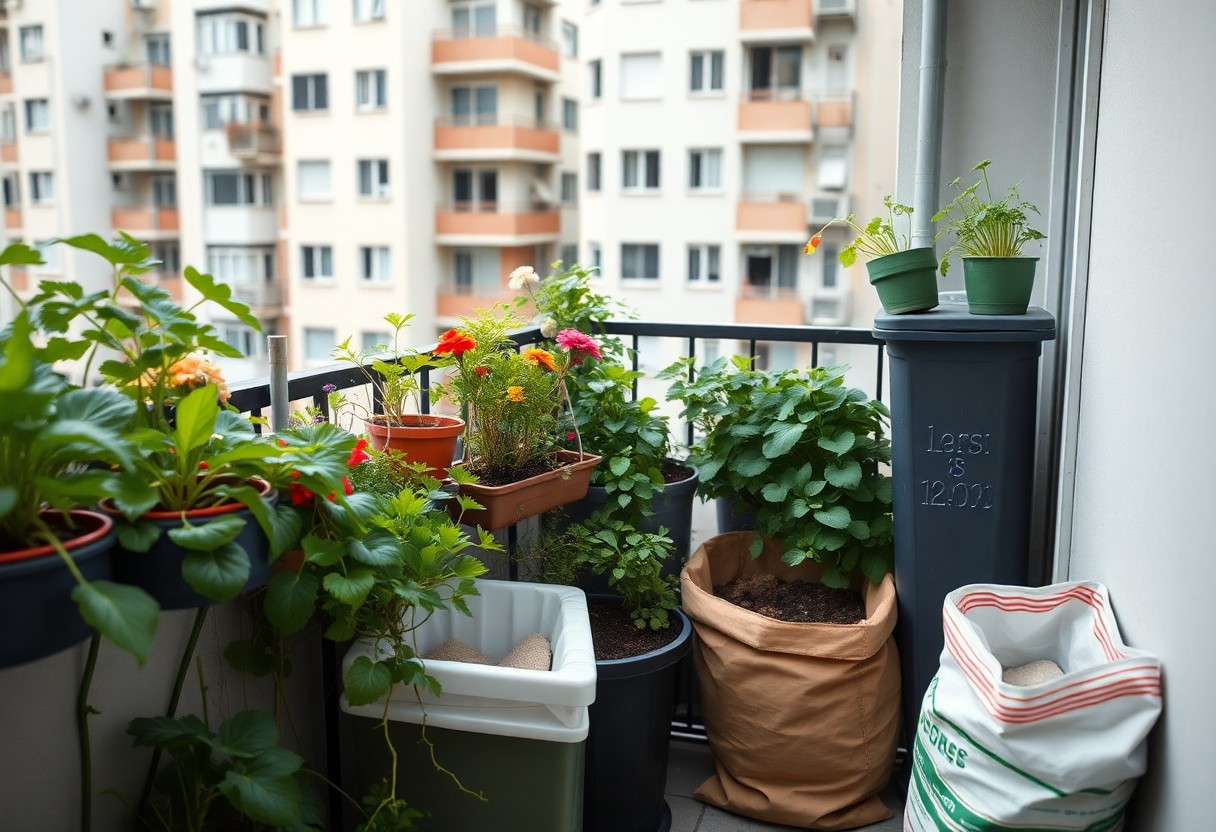
Soil and Fertilisation
Choosing the right soil mix is vital for the success of your urban garden. Opt for a high-quality potting mix that offers good drainage and aeration, ensuring your plants receive the necessary nutrients while preventing root rot. You can enhance your mix by adding perlite or vermiculite to improve drainage further. For more detailed guidance, check out Grow Your Own Apartment Garden: Tips for Urban Spaces.
Choosing the Right Soil Mix
Your soil mix should contain organic matter, which enriches the soil with nutrients. Ideally, a blend of peat, compost, and perlite will provide a well-balanced environment for your plants to thrive. This combination enhances water retention while allowing excess moisture to drain, setting a solid foundation for your urban garden.
Organic vs. Chemical Fertilisers
Organic fertilisers offer a more sustainable approach to feeding your plants, derived from natural sources like compost or bone meal. In contrast, chemical fertilisers contain synthetic components that can deliver rapid results but may lead to nutrient imbalances in the long run. Understanding these differences helps you choose the best option for your indoor garden.
Organic fertilisers improve soil health, facilitating beneficial microbial life while reducing the risk of chemical runoff. They release nutrients gradually, providing a sustained feeding option that is often gentler on plants. In contrast, while chemical fertilisers can boost plant growth quickly, their reliance on synthetic compounds may disrupt natural ecosystems, potentially harming soil quality over time. Opt for organic alternatives when possible to maintain a healthier growing environment in your apartment garden.
To wrap up
With this in mind, maximising small spaces for urban gardening can transform your apartment into a vibrant green haven. By utilising vertical gardening techniques, selecting appropriate plants, and optimising your light sources, you can create a thriving garden that enhances your living environment. Embrace container gardening and modular designs to make the most of your limited space. With a little creativity and effort, you can cultivate your green thumb and enjoy the benefits of gardening, even in the heart of the city.
You may also like