Overcoming Urban Challenges – Gardening with Limited Sunlight
Overcoming the challenges of gardening in urban spaces, particularly with limited sunlight, requires a strategic approach. You can maximise your gardening potential by selecting the right plants and utilising innovative techniques. Indoor and shaded garden areas can thrive with the right choices, ensuring you achieve a lush green space despite the lack of direct sunlight. For further insights, check out Gardening 101: Dealing with Sunlight Challenges in City ….
Key Takeaways:
- Choose shade-tolerant plants that thrive in low-light conditions.
- Utilise reflective surfaces to maximise available sunlight.
- Consider vertical gardening techniques to enhance space utilisation.
Understanding Limited Sunlight
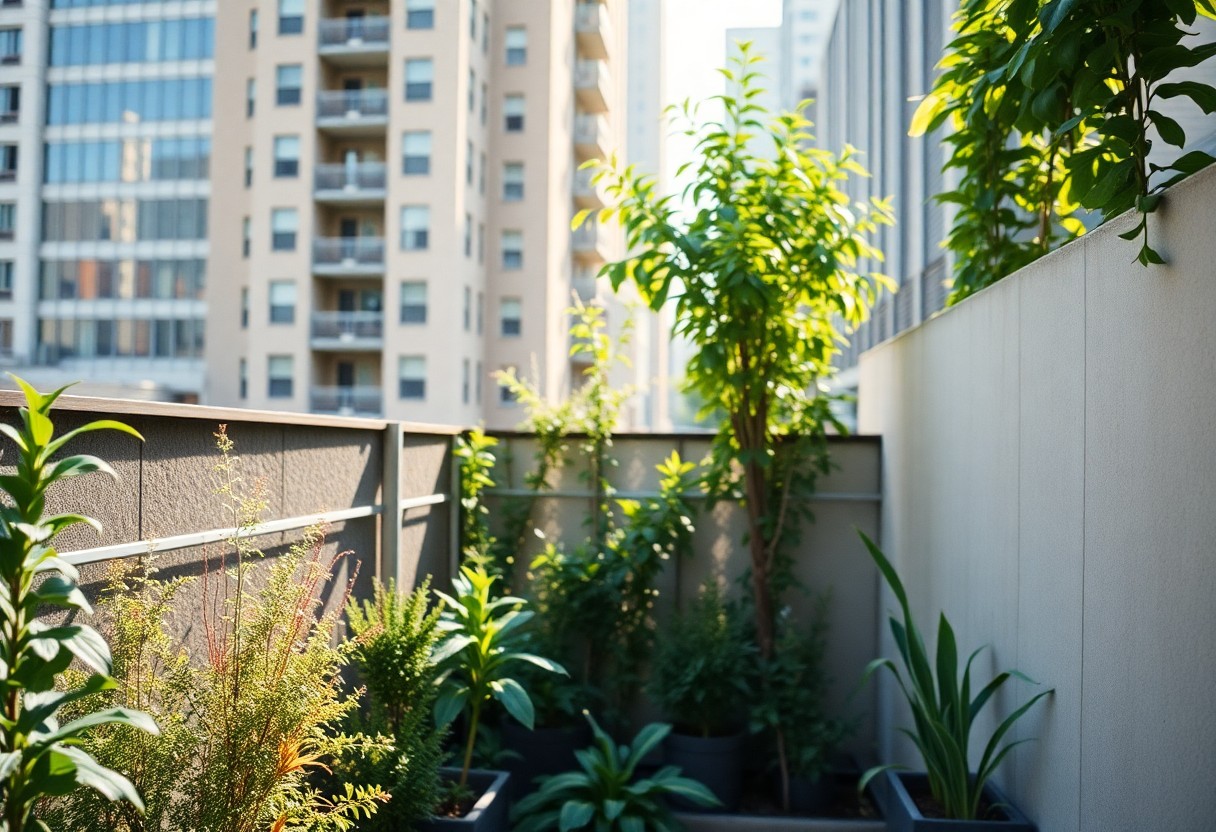
Limited sunlight presents a unique challenge for urban gardeners, affecting the types of plants that can thrive in your space. Shadowed by tall buildings or dense tree cover, many gardens receive less than the ideal amount of sunlight. Employing Tips On Urban Gardening In Low Light can help mitigate these conditions, ensuring your gardening ambitions remain alive even in the shadiest spots.
Impacts on Plant Growth
The lack of adequate sunlight can stifle plant growth, resulting in weak, leggy specimens. Many plants require at least six hours of direct sunlight daily to flourish. In low-light conditions, you might notice slower growth rates and reduced flowering, as plants struggle to photosynthesize effectively.
Measuring Sunlight Exposure
To accurately assess the sunlight exposure in your garden, consider using a simple method called the ‘shadow test’. Track sun movement over the course of a day, noting where shadows fall during peak sunlight hours. Areas that remain shaded for extended periods may require shade-tolerant plant varieties.
Using a light meter can provide a more precise measurement of sunlight exposure. These tools gauge the light intensity at various times of the day, allowing you to determine which spots receive the most natural light. It’s advisable to take readings over several days to account for variations due to weather conditions. Additionally, monitoring seasonal changes will aid in planning your planting effectively, ensuring that you select the right plants for your specific light conditions.
Choosing the Right Plants
Selecting appropriate plants for your shaded garden can significantly affect your garden’s success. Focus on species that flourish with limited sunlight and adapt well to your local climate. Consider factors such as soil type, moisture levels, and the specific shaded conditions of your garden to ensure you make informed decisions. By selecting plants suited to your environment, you create a thriving green space, even in urban areas with restricted sunlight.
Shade-Tolerant Species
Shade-tolerant species such as ferns, hostas, and astilbes are ideal for areas that receive minimal sunlight. These plants not only survive but often thrive in low light, offering lush foliage and vibrant colours. Additionally, incorporating groundcovers like ajuga can help suppress weeds while adding texture to your garden. By choosing these species, you create a vibrant landscape that can withstand the challenges of shaded areas.
Edible Plants for Low Light
Edible plants can also thrive in low light conditions, proving that your shaded garden can be both beautiful and productive. Options like leafy greens—specifically spinach, kale, and mustard greens—require much less light than other crops, enabling you to cultivate a worthwhile harvest even in dimmer areas.
Spinach, with its fast growth and ability to tolerate shade, can yield multiple harvests throughout the season. Similarly, kale is versatile and hardy, making it a reliable choice. Mustard greens not only thrive in low light but also impart a peppery flavour to your dishes. These plants can often be interplanted with shade-tolerant flowers, optimising your garden space efficiently while providing a continuous supply of fresh produce, regardless of your sunlight limitations.
Garden Design Strategies
Incorporating effective design strategies is crucial for maximising the potential of your low-light garden. Utilise layers and depth to create visual interest, allowing taller plants to shield smaller ones from the harshest elements. Implement pathways and focal points that guide the eye, ensuring that even shaded areas contribute to the overall harmony of your space. By considering the arrangement of both plants and features, you’ll foster an environment where every corner flourishes, regardless of the sunlight available.
Vertical Gardening Techniques
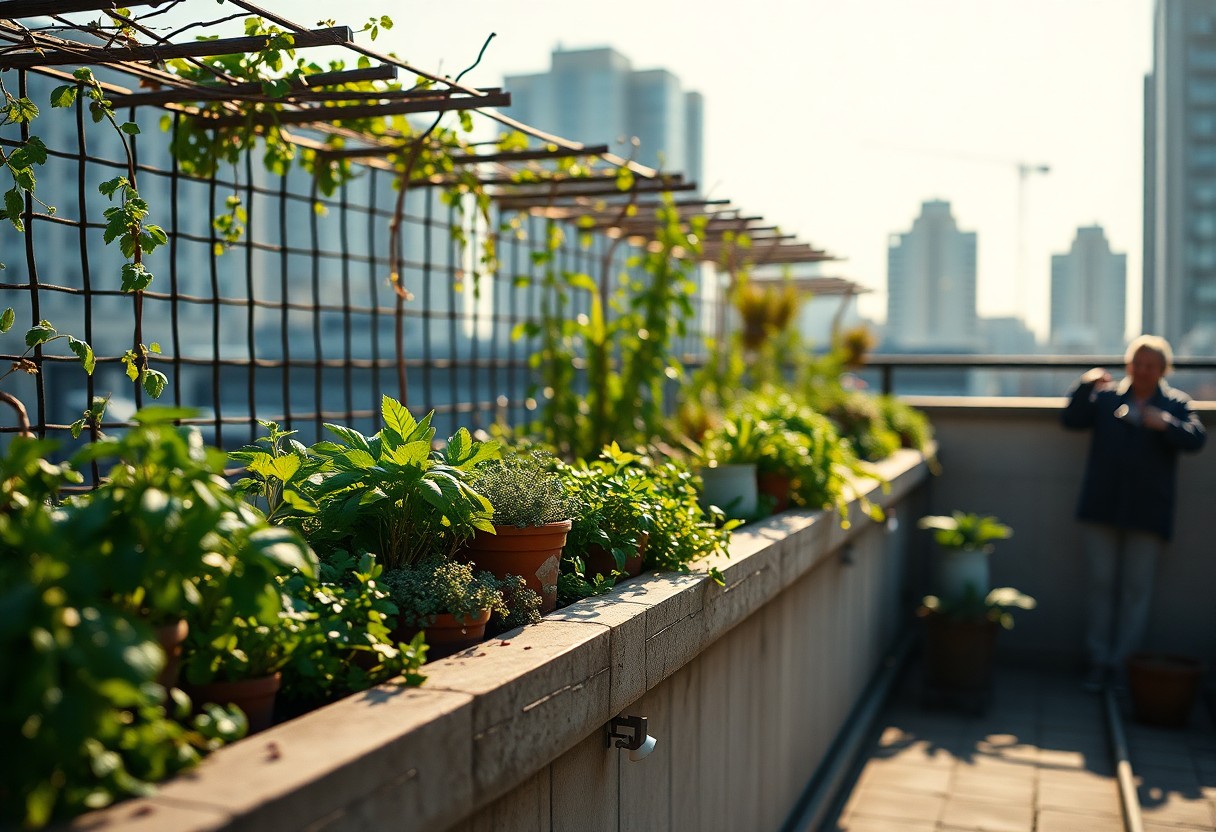
Vertical gardening transforms constrained spaces into lush, vibrant displays, especially in areas with limited sunlight. By utilising wall-mounted planters, trellises, and shelves, you can maximise vertical space while introducing a variety of shadows and textures. This approach allows for optimal light play, increasing the chances of thriving plants in your urban garden.
Container Gardening Options
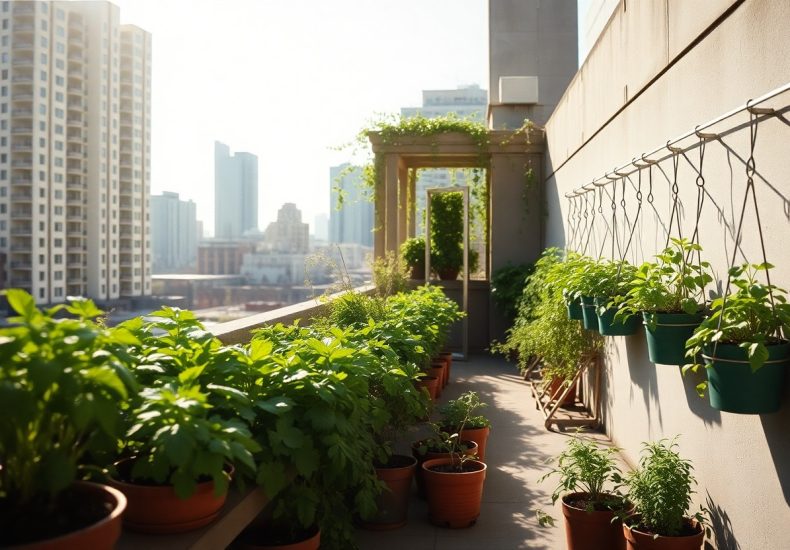
Container gardening presents a flexible solution for shaded urban gardens, enabling you to group plants according to their light needs. Use a variety of pots, from hanging baskets to large tubs, to create a dynamic display. Opt for lightweight materials, such as resin or metal, for easier mobility, allowing you to reposition containers to catch less direct sunlight.
Container gardening not only enables better control over soil and watering but also helps you experiment with microclimates, crucial in shaded areas. Choose pots with varying sizes and shapes to create an enchanting landscape that draws the eye. Assess drainage and select suitable potting mixes that retain moisture while ensuring roots can breathe. Incorporating a mix of herbs, ferns, and shade-tolerant flowers will further enhance your patio or balcony while providing a personal touch to your outdoor sanctuary.
Maximising Available Light
Optimising the light you do receive is crucial in urban gardening. Consider utilising your garden’s orientation, as south-facing areas generally receive the most sunlight. Positioning plants strategically in relation to their light needs can also enhance growth. Elevating platforms can create additional exposure, while selecting lighter-coloured pots can help reflect light onto your plants, giving them a boost during those dull days.
Reflective Surfaces
Incorporating reflective surfaces can amplify available light for your plants. Using materials like mirrors or white-painted walls can bounce sunlight back onto your garden, enhancing exposure. Placing reflective objects around plants not only brightens the space but also helps achieve better growth in areas with limited access to direct sunlight.
Pruning Techniques
Employing effective pruning techniques ensures that your plants maximise their sun exposure. Regularly trimming back overgrown foliage allows more light to penetrate the canopy, promoting healthier growth. Additionally, focusing on the removal of dead or diseased wood directs the plant’s energy towards new, productive growth rather than struggling to sustain unproductive branches.
When pruning, consider the specific needs of your plants. For instance, fruiting plants, such as tomatoes, benefit from removing lower leaves to redirect energy upwards, enhancing fruit yield. Conversely, flowering plants may require selective thinning to improve air circulation, reducing disease risk while allowing light to reach inner blooms. Aim for an open structure within the plant, ensuring that every leaf has the opportunity to photosynthesise efficiently, thus optimising your limited sunlight.
Soil and Nutrient Management
Effective soil and nutrient management in shaded environments can significantly enhance your plants’ health and growth. Focus on improving soil structure and fertility to promote the best outcomes. Incorporating organic matter, such as compost or well-rotted manure, will support beneficial microbes and enhance nutrient availability, ultimately leading to more robust growth even in low light conditions.
Soil Health in Shade
Maintaining soil health in shaded areas requires an understanding of moisture retention and nutrient availability. Shaded soils often retain moisture longer, which can lead to a higher risk of root rot. To mitigate this, ensure good drainage and prevent compaction by avoiding heavy foot traffic in these areas.
Fertilization Techniques
Utilising the right fertilisation techniques in shaded areas can drastically improve your plants’ nutrient intake. Slow-release organic fertilisers are particularly effective, as they supply nutrients gradually, reducing the risk of nutrient leaching. Additionally, regular soil testing can help you identify specific nutrient deficiencies, allowing for targeted amendments that cater to the unique needs of your shaded garden.
Fertilisers like fish emulsion, seaweed extracts, or organic granular blends can be strategically applied during the growing season. Consider side-dressing your plants with compost every few weeks to continuously enrich the soil. Liquid fertilisers can also provide a quick nutrient boost during critical growth phases. Aim to apply these in early morning or late afternoon to maximise effectiveness while minimising potential plant stress in shaded environments.
Pest and Disease Control
Urban gardening can expose your plants to various pests and diseases, especially in low-light conditions where plants might be more vulnerable. Implementing an integrated pest management approach tailored to your garden can minimise harm. This involves regular monitoring for infestations, encouraging beneficial insects, and promptly addressing any signs of disease. By being proactive, you can maintain the health of your plants and ensure a thriving garden.
Common Issues in Low Light Gardens
In low light environments, plants often face challenges such as mould, mildew, and increased susceptibility to aphids and slugs. These issues can arise from overly dense foliage and poor air circulation, ultimately affecting plant vigour. Consequently, you should keep an eye out for these problems and act swiftly to mitigate potential damage.
Natural Remedies and Prevention
Utilising natural remedies and preventative measures can significantly enhance the resilience of your plants. Incorporate companion planting to deter pests; for instance, marigolds are known to repel nematodes, while garlic can combat aphids. Additionally, ensure proper spacing between plants to promote airflow and reduce humidity, which can foster disease development.
Implementing natural pest control strategies not only minimises reliance on chemicals but also supports biodiversity in your urban garden. You can introduce predators like ladybirds to control aphid populations, while neem oil serves as an effective treatment for various pests and fungal issues. Regularly inspecting your plants and promptly removing any affected foliage can further prevent the spread of diseases. By fostering a balanced ecosystem, you ultimately boost your garden’s resilience and productivity.
You may also like