Vertical Gardening 101 – Grow More in Less Space
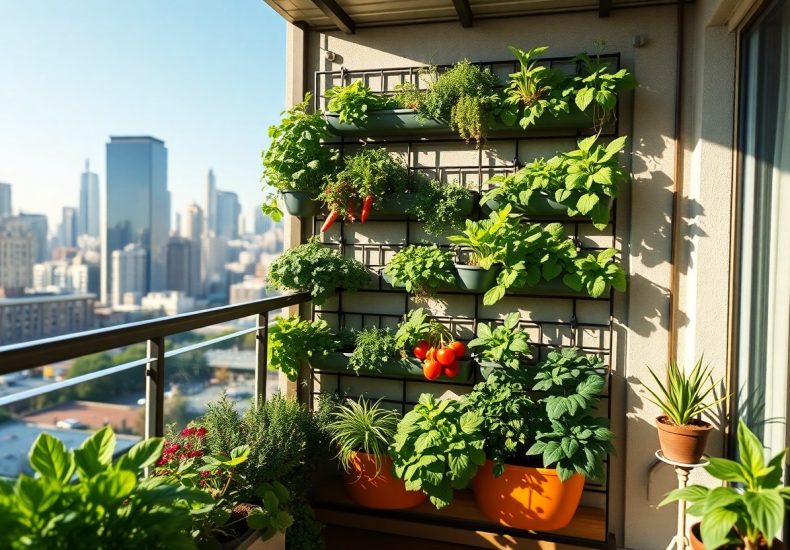
Space is often a limiting factor for gardeners, but with vertical gardening, you can maximise your growing potential without requiring a large footprint. This innovative approach allows you to create lush green walls and use climbing plants, thus transforming any area into a flourishing garden. Whether you have a small balcony, patio, or even a narrow hallway, vertical gardening opens up new possibilities for you to cultivate fresh produce and ornamental plants. Discover how you can effectively utilise vertical space to enhance your gardening experience and yield more from your efforts.
Key Takeaways:
- Vertical gardening techniques maximise space utilisation, allowing for more plants in smaller areas.
- Utilising structures such as trellises, wall planters, and hanging gardens enhances plant growth and accessibility.
- Choosing the right plants for vertical gardening is important for achieving optimal growth and aesthetic appeal.
Understanding Vertical Gardening
Vertical gardening is an innovative method that utilises walls, trellises, and other vertical structures to grow plants upwards, rather than spreading them out horizontally. This approach not only maximises your limited space but also creates a visually appealing garden that can be tailored to fit any environment, whether it’s a small balcony or a large backyard.
What is Vertical Gardening?
Vertical gardening involves growing plants in a vertical manner, using various structures and systems such as wall planters, towers, and trellises. It allows for the cultivation of a diverse range of plants, from herbs and vegetables to flowering plants, making efficient use of space and incorporating greenery into urban settings.
Benefits of Vertical Gardening
The benefits of vertical gardening extend beyond just space-saving; it also promotes better air circulation, enhances aesthetics, and can lead to increased yield per square foot. Additionally, it reduces the risk of pests and diseases, as plants are positioned away from the ground and can be more easily monitored.
By opting for vertical gardening, you can grow more in less space while enjoying numerous environmental benefits. For instance, the layering of plants helps in managing humidity and temperature, contributing to a healthier microclimate. Studies have shown that vertical gardens can improve air quality by filtering pollutants, making them an excellent choice for urban dwellers. Furthermore, the visual impact can transform dull walls into vibrant living murals, enhancing your outdoor living experience significantly.
Choosing the Right Plants
Selecting the right plants is necessary for successful vertical gardening. Consider your climate, the sunlight your vertical garden receives, and the type of structure you’re using. Opt for species that thrive in confined spaces and can tolerate varying levels of exposure. Incorporating a mix of flowering, foliage, and trailing plants not only enhances aesthetics but also promotes biodiversity.
Best Plants for Vertical Gardening
Some of the best plants for vertical gardening include climbing beans, cherry tomatoes, peas, and various herbs such as basil and mint. For ornamental appeal, consider trailing plants like ivy or petunias. These choices are not only space-efficient but also provide rich flavours and vibrant colours to your garden.
Plant Pairing Strategies
Effective plant pairing enhances growth and resource utilisation in vertical gardens. Companion planting, where compatible plants are grown together, can offer benefits like pest control and improved yields.
For instance, pairing climbers with broader-leaved plants can maximise light capture and air circulation. Consider growing peas alongside lettuce; while the peas climb upward, the lettuce remains at ground level, utilising the space efficiently. Combining herbs with vegetables often results in improved flavour and resilience against pests. By understanding the benefits of each plant, you can create a layered, thriving vertical garden that maximises your growing potential.
Vertical Gardening Systems
In vertical gardening, an array of systems allows you to optimise your space efficiently. From wall-mounted planters to standalone trellises, each system caters to different plants and environments. Explore various options to Grow More Vegetables in Less Space with Vertical ….
Types of Vertical Garden Structures
You can choose from several structures to meet your gardening needs. Here is a breakdown:
| Wall Planters | Ideal for herbs and small vegetables. |
| Trellises | Support climbing plants like peas and beans. |
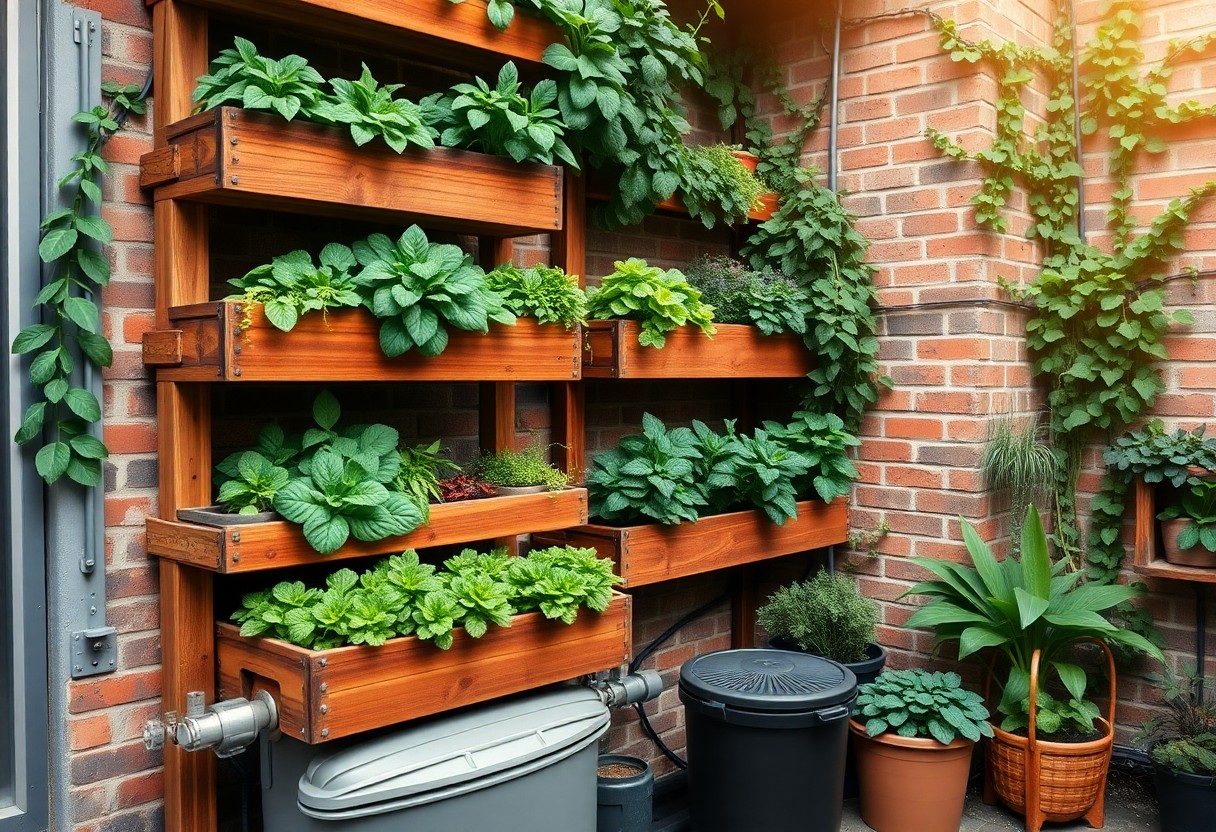
| Pallet Gardens | Recycled wood structures for creative planting. |
| Vertical Towers | Space-efficient for leafy greens. |
| Hanging Baskets | Perfect for strawberries and flowers. |
Knowing the right structure enhances your gardening success and maximises yield.
DIY vs. Pre-Made Systems
When deciding between DIY and pre-made systems, consider your budget and skill level. DIY systems can be tailored to your needs, often at a lower cost. Meanwhile, pre-made systems offer convenience and ease of setup, making them ideal for beginners or those with limited time.
DIY approaches may involve creative repurposing of materials, such as using old pallets or plastic bottles, while pre-made systems provide ready-to-use designs, often with warranties. Each option has its merits, so evaluate what aligns best with your goals and resources for a flourishing vertical garden.
Soil and Nutrition
For thriving vertical gardens, understanding soil and nutrition is imperative. Quality soil serves as the foundation of your garden’s health, providing necessary nutrients for your plants. You can enhance your knowledge on soil management through Vertical Gardening 101: Essential Tips, Trellising ….
Soil Requirements for Vertical Gardens
Your vertical garden thrives on lightweight, well-draining soil that retains moisture without becoming waterlogged. A mix of potting soil, compost, and perlite or vermiculite often works best. Aim for a pH level between 6.0 and 7.0 to ensure optimal nutrient availability for your plants.
Fertilization and Watering Techniques
In vertical gardening, efficient fertilisation and watering are key to maintaining vibrant plants. You should use a balanced, slow-release fertiliser to provide consistent nutrients, applying it according to the instructions on the packaging. Water needs to be managed carefully; consider drip irrigation or self-watering systems to maintain consistent moisture levels while preventing root rot.
To deepen your approach to fertilisation and watering, consider frequency and timing. Regularly check the moisture of your soil, as vertical systems can dry out quickly. Fertilise every four to six weeks during the growing season. When watering, do so early in the morning or late in the afternoon to minimise evaporation, ensuring your plants receive adequate hydration without unnecessary waste.
Maintenance and Care
Effective maintenance and care are vital for the success of your vertical garden. Regularly check for moisture levels and ensure adequate drainage to prevent root rot. Fertilise every few weeks with a balanced organic fertiliser, particularly during the growing season, to promote healthy plant growth. Additionally, maintain your structures by cleaning them occasionally to prevent algae and mildew build-up, which can harm your plants.
Pruning and Harvesting
Pruning and harvesting enhance both the aesthetic and productivity of your vertical garden. Regularly trim overgrown plants to encourage new growth and remove any dead or diseased foliage. When harvesting, pick fruits and vegetables promptly to stimulate further production. Timely harvesting not only provides you with fresh produce but also keeps your plants healthy and vigorous.
Pest Management in Vertical Gardens
Pest management is crucial in maintaining the health of your vertical garden. Inspect your plants regularly for signs of common pests such as aphids, spider mites, and slugs. Use organic methods like neem oil or insecticidal soap for treatment, as these are effective and safe for edible plants. Encourage beneficial insects like ladybirds to help control pest populations naturally.
Integrated pest management (IPM) combines various strategies for effective control in vertical gardens. Monitor your plants, understanding pest life cycles and recognising beneficial insects that can aid your garden’s ecosystem. Implementing barriers, such as row covers or netting, can physically protect your plants from pests. Additionally, rotate your crops to disrupt pest habitats and reduce their re-emergence. By fostering a balanced environment, you will minimise the impact of pests while promoting a thriving vertical garden.
Inspiration and Design Ideas
Your vertical garden can become a stunning focal point, offering both functionality and beauty. Incorporating a range of textures and colours into your design not only enhances visual appeal but can also optimise light exposure for your plants. Consider utilising materials like wood, metal, and composite to create a harmonic blend, showcasing your personality while ensuring practicality in maintenance and growth.
Creative Vertical Garden Designs
<pFrom wall-mounted planters to freestanding trellises, creative vertical garden designs allow for personalised spaces that fit snugly into your environment. You can experiment with tiered planting systems, utilise recycled materials, or even integrate automatic irrigation for convenience. Your imagination is the limit in crafting a vibrant oasis that reflects your style while maximising your available space.
Case Studies of Successful Vertical Gardens
<pExploring successful case studies can provide valuable lessons and insights into effective vertical gardening. For instance, the Bosco Verticale in Milan incorporates over 9,000 trees and 20,000 plants across two residential towers, showcasing biodiversity in urban planning. Similarly, a vertical farm in Singapore utilises hydroponics to produce over 1,000 kg of vegetables monthly, highlighting the efficiency of vertical gardening systems.
- Bosco Verticale, Milan: 9,000 trees, 20,000 plants, includes over 40 species.
- Singapore Vertical Farm: Produces 1,000 kg of vegetables monthly using hydroponics.
- Green Wall, Paris: Features 15,000 plants, improving air quality around the area by 30%.
- Walled Garden Project, New York: Vertical installations yield 25% more produce in reduced space.
- One Central Park, Sydney: Sky garden with over 250 species, aims for increased biodiversity.
Summing up
Upon reflecting, vertical gardening presents an innovative solution for maximising your growing potential in confined spaces. By utilising vertical structures and techniques, you can cultivate a diverse range of plants, enhancing your outdoor or indoor environment. This method not only optimises your available area but also promotes healthier plant growth through improved air circulation and sunlight exposure. Embracing vertical gardening allows you to reconnect with nature and enjoy fresh produce, all while showcasing your unique gardening prowess.
You may also like