Water-Wise Gardening – Conservation Techniques for Every Garden
It’s vital to adopt water-wise gardening practices to ensure your garden thrives while minimising water usage. By implementing effective conservation techniques, you can create a sustainable garden that not only flourishes but also conserves this vital resource. From selecting drought-resistant plants to utilising rainwater harvesting, there are numerous strategies you can employ in your garden. This guide will provide you with practical tips to enhance your garden’s resilience and efficiency, allowing you to enjoy a lush outdoor space while being mindful of water scarcity.
Key Takeaways:
- Implement rainwater harvesting systems to collect and utilise rainfall for irrigation.
- Choose native and drought-resistant plants to minimise water usage while maintaining garden aesthetics.
- Apply mulch to soil to reduce evaporation and improve moisture retention in garden beds.
Understanding Water-Wise Gardening
Water-wise gardening involves designing and maintaining your garden with the goal of reducing water consumption while promoting healthy plant growth. By implementing sustainable practices, you can create a vibrant outdoor space that thrives in a changing climate. For practical Water conservation tips | Master Gardener Program, consider strategies such as mulching, efficient irrigation, and choosing drought-tolerant plants.
Definition of Water-Wise Gardening
Water-wise gardening refers to the use of techniques and practices aimed at minimising water use in gardening while still ensuring successful plant growth. This includes selecting suitable plants, employing efficient irrigation systems, and layering organic materials.
Importance of Water Conservation
Water conservation is important for maintaining ecological balance, especially in regions prone to drought. By conserving water in your garden, you contribute to overall sustainability and help protect precious water resources for future generations.
With around 70% of the Earth’s surface covered by water, only a fraction is available for human use, making responsible management of these resources imperative. In many regions, gardens consume a significant portion of household water, often leading to waste. By adopting water-wise gardening techniques, you not only cut down on your water bill but also play a part in preserving local ecosystems and reducing the risk of water shortages. Additionally, efficient water usage can enhance the resilience of your garden, allowing it to withstand periods of low rainfall more effectively.
Soil Management Techniques
Your garden’s health begins with effective soil management. Implementing the right techniques can significantly enhance water retention, nutrient availability, and overall plant vitality. Focus on aeration, pH balance, and the incorporation of organic materials to create a thriving soil ecosystem. By prioritising soil management, you set the foundation for a resilient, water-efficient garden.
Soil Structure and Drainage
A well-structured soil improves drainage and enhances root development, leading to healthier plants. To achieve this, you can aerate compacted soils and ensure the right balance of sand, silt, and clay. Adding plants that naturally aerate the soil, like legumes, can also aid drainage. Your aim should be to create a soil environment that allows water to percolate effectively without becoming waterlogged.
Organic Matter and Mulching
Integrating organic matter into your soil improves its fertility and moisture retention. Mulching serves to insulate the soil, reducing evaporation and controlling weeds. By using organic mulch materials, such as straw, wood chips, or compost, you enrich the soil as they break down. This promotes a robust ecosystem that conserves water while providing vital nutrients to your plants.
Organic matter, such as well-rotted manure or compost, not only enhances soil structure but also increases its ability to retain moisture. Keeping a layer of organic mulch around your plants can reduce water loss by up to 70%, beneficial during hot, dry periods. Additionally, as mulch decomposes, it feeds beneficial microbes and earthworms, further improving soil health. Regularly adding organic materials fosters a dynamic, moisture-retaining environment that sustains healthy plant growth all season long.
Plant Selection and Placement
Your choice of plants and their placement significantly affect water conservation in your garden. By selecting species that thrive in your climate and using strategic positioning, you can minimise irrigation needs. Group plants according to their water requirements and consider sun and shade patterns to ensure each plant flourishes. This thoughtful arrangement not only conserves water but also enhances the overall health of your garden.
Native and Drought-Resistant Plants
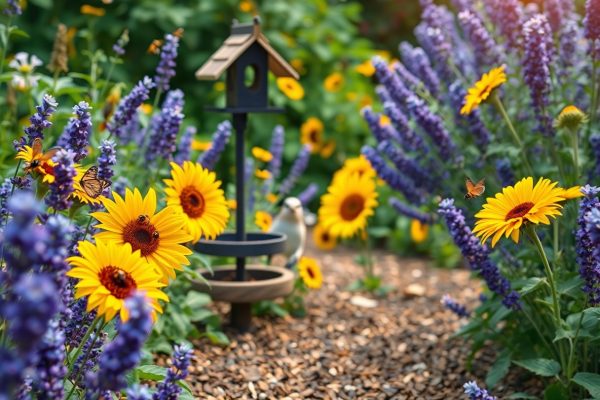
Utilising native and drought-resistant plants is an excellent strategy for water-wise gardening. These plants are adapted to local conditions, requiring less water once established. By incorporating species such as lavender, rosemary, or local wildflowers, you create a vibrant garden that sustains itself with minimal additional watering, reducing your ecological footprint.
Companion Planting for Water Efficiency
Companion planting can significantly enhance water efficiency in your garden. By growing compatible plants together, you can create a symbiotic environment that promotes moisture retention and reduces overall water needs. For instance, pairing deep-rooted plants with shallow-rooted ones allows for more efficient utilisation of soil moisture, while certain combinations can provide shade and support for one another.
Incorporating companion planting not only benefits water conservation but also supports pest management and enhances soil health. For example, planting tomatoes with basil not only improves flavour but also helps retain soil moisture. Likewise, herbs like chives or garlic can deter pests that might threaten your water-sufficient crops, creating a balanced ecosystem that thrives on minimal irrigation. By fostering these relationships, your garden becomes more resilient and requires less water, aligning with sustainable gardening practices.
Irrigation Methods
Choosing the right irrigation method is vital for maximising water efficiency in your garden. Each technique varies in effectiveness, cost, and suitability depending on your garden’s size, layout, and plant types. Implementing the appropriate systems can lead to significant water savings, ensuring your plants thrive while conserving this precious resource.
Drip Irrigation Systems
Drip irrigation systems deliver water directly to the root zones of your plants, reducing evaporation and runoff. This targeted approach not only conserves water but also promotes healthier plant growth by ensuring consistent moisture. Installing a drip system can reduce water usage by up to 50%, making it an excellent choice for both small and large gardens.
Rainwater Harvesting
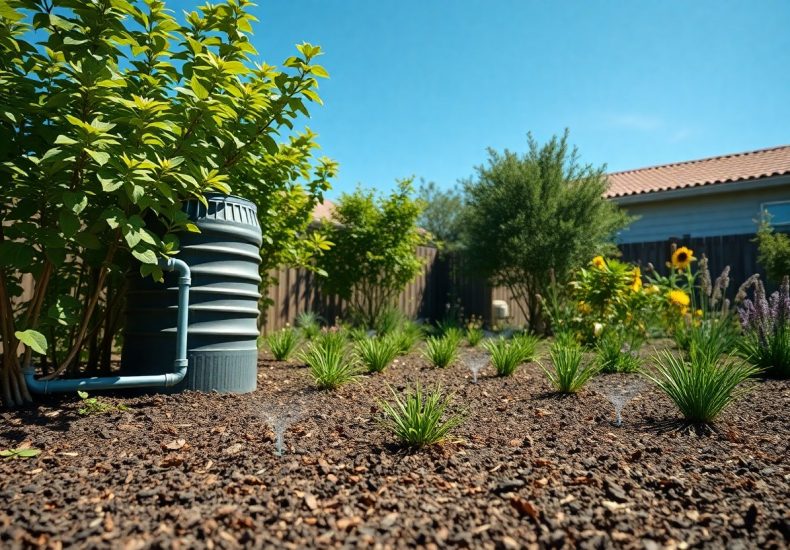
Rainwater harvesting involves collecting and storing rainwater for later use in your garden. By utilising barrels or tanks, you can effectively capture runoff from roofs and paved areas, providing a sustainable irrigation source. This method not only lessens your demand on mains water supply but can also significantly reduce your water bills.
Implementing rainwater harvesting systems is a straightforward process. You can set up simple rain barrels beneath downspouts, or invest in a more elaborate filtration system for larger collections. On average, a typical roof can yield over 10,000 litres of rainwater annually, depending on your local rainfall patterns. Using captured rainwater not only benefits your plants but also helps mitigate stormwater runoff, protecting local waterways from pollutants.
Seasonal Maintenance
Seasonal maintenance practices not only enhance the beauty of your garden but also improve its water efficiency. Adjusting your garden routine with the changing seasons ensures that plants remain healthy and hydrated without waste. Regular assessments, mulching, and seasonal planting can all contribute to a water-wise approach, enabling your garden to thrive while conserving precious resources.
Seasonal Care Tips
To optimise your garden’s health and water usage, consider these seasonal care tips:
- Conduct regular soil checks for moisture levels.
- Apply mulch in spring to retain soil humidity.
- Prune overgrown plants in late winter to improve air circulation.
- Rotate crops each season to prevent soil depletion.
Thou shalt not underestimate the impact of seasonal care on water conservation.
Adjusting Watering Schedules
Adapting your watering schedule according to the season optimises water use and promotes healthy plant growth. In hotter months, you may need to increase watering frequency, while cooler seasons will require less. Analyse weather patterns and consider rain forecasts to avoid over-watering, especially during peak rainfall times.
Understanding humidity levels and rainfall can refine your approach. For example, during a dry spell, consider watering early in the morning to reduce evaporation losses. Conversely, in rainy seasons, monitor precipitation closely and reduce irrigation accordingly. This tailored strategy not only saves water but also encourages deeper root growth, making your plants more resilient. Be mindful that each plant species has its own watering requirements; adjust for them specifically, ensuring efficient water management throughout the year.

Common Challenges and Solutions
In any garden, you may encounter a variety of challenges that impact water conservation efforts. Common issues such as pests, diseases, and extreme weather can threaten your plants and overall garden health. Fortunately, adopting specific strategies can help mitigate these problems, ensuring that your water-wise gardening remains effective. With the right approach, you can maintain a thriving garden while using water more responsibly.
Pest and Disease Management
To protect your garden from pests and diseases without excessive water usage, consider integrating natural pest deterrents and disease-resistant plant varieties. You can attract beneficial insects, like ladybirds, by planting companion species, while organic pesticides made from neem oil can effectively manage infestations. Regular monitoring allows for early detection, enabling you to address potential outbreaks before they spread, thereby preserving both your plants and valuable water resources.
Dealing with Extreme Weather
Extreme weather conditions can severely impact your garden’s water efficiency, making it necessary to implement protective measures. Droughts call for mulching to retain soil moisture, while heavy rains necessitate well-draining soil to prevent waterlogging. You can also install rainwater harvesting systems to capture excess rainfall, which provides a sustainable water source during dry spells.
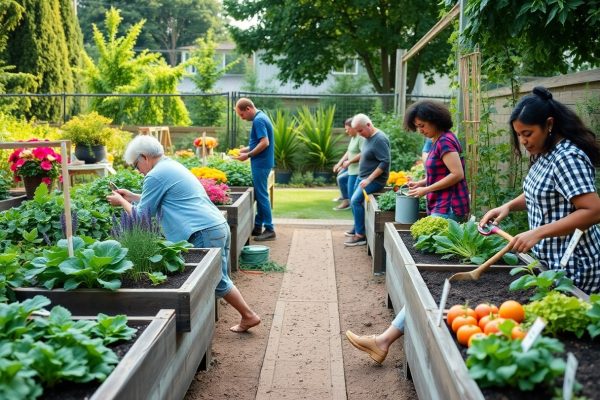
When facing extreme weather, consider creating a more resilient garden by incorporating deep-rooted plants that withstand drought conditions and selecting varieties capable of thriving in both wet and dry scenarios. Using raised beds can improve drainage during heavy rainfall while allowing better access to moisture during dry spells. Implementing windbreaks, such as hedges, can protect your garden from harsh winds, ensuring your plants remain viable in varying conditions. By strategically adapting your garden to these challenges, you can foster a robust environment that maximises water efficiency regardless of the weather fluctuations you encounter.
Final Words
Taking this into account, adopting water-wise gardening techniques will significantly enhance your ability to conserve water while nurturing your garden. By implementing strategies such as mulch application, rainwater harvesting, and selecting drought-resistant plants, you empower yourself to create a sustainable environment. These practices not only minimise water use but also promote healthier plants and reduce maintenance efforts. You can enjoy a thriving garden that respects your local ecosystem and encourages biodiversity, all while making a positive impact on water conservation.
FAQ
Q: What is water-wise gardening?
A: Water-wise gardening is a gardening approach that focuses on minimising water use while creating a sustainable and thriving garden. This involves selecting drought-resistant plants, implementing efficient irrigation methods, and employing techniques to retain soil moisture.
Q: How can I choose drought-resistant plants for my garden?
A: Look for native plants and those adapted to your local climate, as they typically require less water. Check local gardening centres or consult with horticulturalists for recommendations suited to your region.
Q: What are some effective irrigation techniques for conserving water?
A: Techniques include drip irrigation, which delivers water directly to plant roots, and the use of soaker hoses. Additionally, watering in the early morning or late afternoon reduces evaporation and ensures more water reaches the plants.
Q: How can mulch help in water conservation?
A: Mulch acts as a barrier that retains moisture, reduces evaporation, and prevents soil erosion. Organic mulches, such as wood chips or straw, also improve soil quality as they decompose over time.
Q: Are there any specific maintenance tips for a water-wise garden?
A: Regularly check your irrigation systems for leaks, adjust watering schedules according to rainfall, and avoid over-fertilising, which can lead to increased water needs. Additionally, ensure proper plant spacing to reduce competition for water.
You may also like