Attracting Bees to Your Garden – Best Plants and Practices
Many gardeners are eager to cultivate their outdoor spaces into vibrant habitats that support local bee populations. By selecting the right plants and employing effective gardening practices, you can create a welcoming environment that encourages these crucial pollinators. This guide will help you discover the best flowering plants and practical tips to enhance your garden, ensuring it thrives with the buzzing activity of bees.
Key Takeaways:
- Choose a diverse range of flowering plants that bloom at different times to provide a continuous food source.
- Opt for native plant species, as they are more appealing and beneficial to local bee populations.
- Avoid pesticides and consider organic gardening practices to create a safe environment for bees.
Importance of Bees in the Garden
Bees play a vital role in maintaining the health and productivity of your garden. Their ability to pollinate not only enhances the yield of fruits and vegetables but also contributes significantly to the biodiversity of local flora. By attracting bees, you support a balanced ecosystem that benefits both your garden and the surrounding environment.
Role in Pollination
Pollination by bees is important for over 70% of the world’s flowering plants, including many of your favourite fruits and vegetables. This natural service increases the quantity and quality of produce in your garden, resulting in a vibrant and fruitful growing season. Without bees, numerous plants would struggle to reproduce, leading to reduced biodiversity.
Impact on Ecosystem Health
Bees are indicators of a healthy ecosystem; their presence signifies a balanced environment. They facilitate the growth of many plants that provide habitat and food for other wildlife, promoting biodiversity. Furthermore, as bees pollinate a diverse array of plants, they contribute to soil health and stabilisation, preventing erosion.
The impact of bees on ecosystem health extends beyond mere pollination. Their activities support the growth of plants that are crucial for the survival of many species. Plants such as clovers and wildflowers, often reliant on bee pollination, attract various beneficial insects and animals, forming a complex web of life. In addition, diverse plant life contributes to nutrient cycling and carbon sequestration, underscoring the importance of bees in maintaining ecological balance. By fostering a bee-friendly garden, you are actively participating in preserving this delicate interplay.
Best Plants for Attracting Bees
Flowering Plants
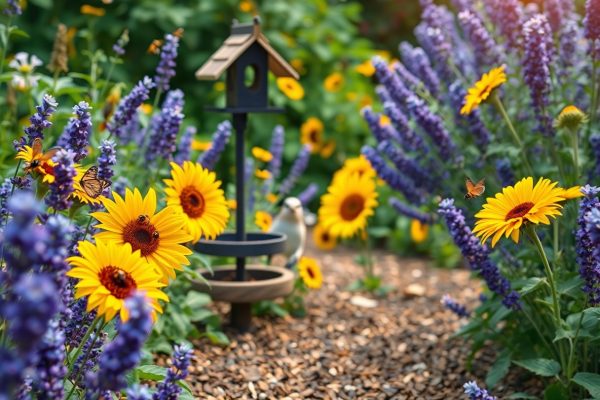
To entice bees, focus on flowering plants that provide ample nectar and pollen. Species like lavender, foxgloves, and sunflowers are particularly appealing, as they bloom at different times throughout the season, ensuring a consistent food source. Additionally, consider planting in clusters to create vibrant patches that attract bees effectively, as they are more likely to visit dense areas compared to solitary blooms.
Native Plants vs. Exotic Plants
Choosing between native and exotic plants can significantly influence bee attraction. Native plants have co-evolved with local bee species, providing the nutrients and habitat they require, while exotic plants may not offer the same benefits to these vital pollinators.
Native plants often exhibit a higher success rate in attracting local bee populations due to their specific adaptations and compatibility with native flora and fauna. For instance, planting wildflowers like bee balm and clover can create a thriving habitat that supports diverse bee species, whereas exotic plants may lack the vital traits that entice local bees. Incorporating a mix of both can enhance your garden while conforming to ecological principles, but prioritising native species will yield the best results for fostering a bee-friendly environment.
Creating a Bee-Friendly Habitat
To truly support bees in your garden, creating a bee-friendly habitat is vital. This involves providing the right combination of plants, nesting sites, and water sources. By implementing these elements, you can create an inviting environment that encourages bees to thrive and benefit your garden with their valuable pollination services.
Nesting Sites and Shelter
Providing adequate nesting sites and shelter for bees is vital. You can incorporate bee hotels, or leave areas of bare soil for ground-nesting species. Additionally, retaining dead wood and placing twigs or branches around your garden can provide vital habitats for various bee species, promoting their population and diversity.
Water Sources for Bees
Bees require water for hydration and to dilute their honey, making water sources an important feature in your garden. Birdbaths, shallow dishes with pebbles, or small ponds can be beneficial. Ensure that these sources are accessible while maintaining a safe environment free from drowning hazards.
To enhance water accessibility for bees, fill shallow dishes with pebbles or marbles, allowing bees to land safely while sipping. Ensure the water is fresh and clean; change it regularly to prevent stagnant conditions. You might even consider adding small plants around the water source to create a more natural habitat, further attracting bees to your garden.
Seasonal Planting Strategies
To create a bee-friendly garden, timed planting is vital. Incorporating plants that bloom at different times throughout the year ensures a continuous food supply for bees. These strategies not only enhance biodiversity but also help you maximise your garden’s potential to attract these vital pollinators at every stage of the growing season.
Early Bloomers
Starting the season with early bloomers, such as crocuses, snowdrops, and winter aconites, provides bees with their first source of food after winter. These hardy plants emerge as temperatures rise, allowing you to support your local bee populations when they most need it.
Late Season Plants
In the later months, incorporating plants like asters, sedums, and goldenrods ensures bees have access to nectar as summer transitions to autumn. These varieties not only thrive in cooler temperatures but also continue to provide vital resources just when your local bee population is preparing for winter.
Late season plants play a pivotal role in extending the blooming period within your garden. Asters, for example, can flower from late summer into autumn, offering nectar that supports bees as they gather resources for hibernation. Planting a diverse array of these late bloomers will attract various bee species, enriching your garden’s ecosystem and enhancing pollination for next year’s blooms. You may also consider diverse cultivars to extend the blooming period even further, such as planting both tall and compact varieties for optimal use of space while maintaining an appealing aesthetic.
Sustainable Gardening Practices
Adopting sustainable gardening practices not only benefits bees but also enhances the overall health of your garden. Implementing methods that conserve resources and promote biodiversity can create a thriving ecosystem. This includes using organic materials, conserving water, and encouraging natural wildlife interactions. By integrating these practices, you significantly contribute to the sustainability of your garden, ensuring it remains a vibrant, bee-friendly environment.
Chemical-Free Gardening
Opting for chemical-free gardening techniques is crucial for protecting bees and other pollinators. Instead of synthetic pesticides and herbicides, you can utilise natural alternatives like neem oil or insecticidal soap. Additionally, focusing on organic fertilisers enhances soil health, promoting stronger plants that naturally resist pests. This not only benefits bee populations but also creates a safe space for all wildlife in your garden.
Companion Planting Techniques
Companion planting techniques help to maximise your garden’s potential while providing a haven for bees. By strategically pairing plants, you can deter pests, improve growth, and attract beneficial insects. For instance, planting marigolds with vegetables not only enhances flavour but also draws bees and helpful predatory insects, creating a balanced ecosystem. Incorporating herbs like basil and parsley also encourages bee activity due to their aromatic blooms.
Incorporating companion planting techniques can lead to remarkable outcomes. Research shows that certain combinations, like tomatoes and basil, can boost tomato yield while attracting pollinators. You might also consider planting borage alongside strawberries, as borage attracts bees and enhances fruit flavour. The synergy created by these plant pairings not only strengthens your garden’s health but also fosters an inviting atmosphere for pollinator populations, contributing to a vibrant ecological balance.

Monitoring Bee Activity
Observing and recording bee activity in your garden provides insight into the health of your ecosystem. By spending time outside during the day, particularly in warmer months, you can note the frequency and species of bees visiting your plants. Maintaining a diary documenting sightings will help you identify patterns, such as peak times for activity and favoured plants. This information is invaluable for adjusting your gardening practices to further support local pollinators.
Identifying Different Bee Species
Learning to identify various bee species can enhance your understanding of the pollinators in your garden. Observe their size, colour, and behaviours; for instance, honeybees are often larger with a distinct striped pattern, while bumblebees exhibit more rounded bodies and are usually fuzzy. You may also spot solitary bees, which often nest in soil or wood. Using guides or smartphone apps can aid in identification and appreciation of the diversity present in your garden.
Measuring Pollinator Success
Evaluating how well your efforts attract and support bees is vital for ongoing improvement. You can measure pollinator success by tracking the number of bees visiting specific plants or by assessing the fruit set on plants that relied on bee pollination. Observing increased visits or fruit production over time indicates a thriving pollinator-friendly environment.
One effective method for measuring pollinator success is to conduct regular counts of bee visitors on selected plants. For instance, take a 10-minute survey at different times of the day to monitor fluctuations in bee activity. Over weeks or months, you’ll establish a strong correlation between floral diversity and bee visitation rates. Additionally, assessing the quality and quantity of fruits can give feedback on pollination success, helping you refine your plant selection for maximum appeal to bees.
To wrap up
Hence, by selecting the right plants and implementing effective practices, you can successfully attract bees to your garden, enhancing its beauty and biodiversity. Opt for a variety of native flowers that bloom at different times to provide a continuous food source. Maintaining a chemical-free environment will further encourage these vital pollinators. For more comprehensive guidance, you can explore Attracting Pollinators to the Garden – Ohioline.
FAQ
Q: What are the best plants to attract bees to my garden?
A: Some of the best plants to attract bees include lavender, bumblebee-friendly herbs like thyme and sage, sunflowers, bee balm, and wildflowers such as clover and poppies. These plants provide nectar and pollen that bees need.
Q: How can I design my garden to be more bee-friendly?
A: Design your garden with a variety of flowering plants that bloom at different times throughout the year to ensure a consistent food source. Include plants in clusters, provide open ground for nesting, and avoid using pesticides that are harmful to bees.
Q: Is it necessary to plant native species to attract bees?
A: While not strictly necessary, planting native species is beneficial as they are better adapted to local conditions and often provide the best food source for local bee populations. Native plants are typically more resilient and support native pollinator species.
Q: How can I maintain a bee-friendly garden?
A: Maintain a bee-friendly garden by ensuring that plants are healthy and diverse. Avoid using chemical pesticides, provide water sources like shallow dishes with pebbles, and allow some areas of your garden to grow wild to provide natural habitats for bees.
Q: What practices should I avoid when attracting bees to my garden?
A: Avoid using synthetic pesticides and herbicides, as these can harm bees. Additionally, do not over-prune or remove all wild areas in your garden, as they can provide vital nesting sites and foraging opportunities for bees.
You may also like