
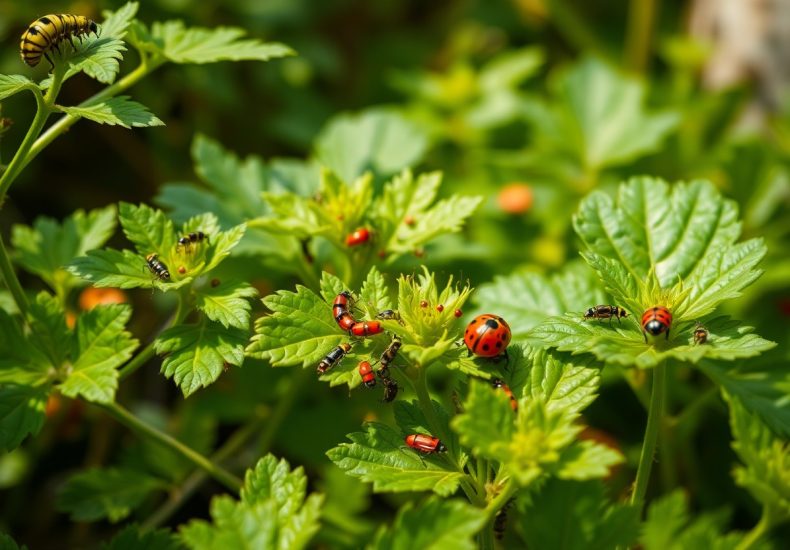
Common Garden Pests and Natural Solutions
Pests can significantly affect the health of your garden, causing damage to plants and reducing yields. Identifying these common invaders is imperative to protect your outdoor space effectively. This guide will provide you with practical insights into recognising various garden pests, alongside natural solutions that you can implement to safeguard your plants. By adopting these eco-friendly methods, you can maintain a thriving garden without resorting to harmful chemicals.
Key Takeaways:
- Identifying common garden pests, such as aphids and slugs, is important for effective management.
- Natural solutions, including beneficial insects like ladybirds and neem oil, can help control pest populations without chemicals.
- Implementing companion planting can deter pests and promote healthier gardens through biodiversity.

Understanding Common Garden Pests
Your garden’s success hinges on knowing the various pests that could threaten its health. Common invaders such as aphids, snails, and spider mites can wreak havoc on your plants. By familiarising yourself with these pests, you can implement effective management strategies and protect your garden’s vibrancy. This understanding ensures that you can act swiftly when you notice signs of infestation, preserving the beauty and productivity of your outdoor space.
Identification of Pests
Identifying pests in your garden involves observing the damage they cause and the insects themselves. For instance, aphids cluster on new shoots, leaving a sticky residue, while slugs create irregular holes in leaves. By learning the physical characteristics and behaviours of these pests, you can take prompt action, ensuring your plants remain unhindered by their presence.
Impact on Garden Health
Pests not only damage plants but can also disrupt the entire ecosystem in your garden. Infestations of aphids can lead to stunted growth and reduced yields, while slugs may decimate tender seedlings overnight. These issues can create a domino effect, making plants more susceptible to diseases and weakening overall garden vitality.
<pThe impact of pests on your garden health can be significant. For example, a single aphid can reproduce rapidly, leading to thousands within weeks, severely affecting plant growth and health. Moreover, as you deal with pests, plants may become more stressed and prone to disease, creating a cycle of decline. Implementing natural solutions promptly can mitigate these impacts, ensuring your garden flourishes despite pest challenges. By maintaining vigilance and understanding, you'll protect your plants and encourage a thriving, balanced garden ecosystem.
Natural Solutions for Pest Management
Your garden can thrive without relying on harmful chemicals. Embracing natural solutions like beneficial insects and organic sprays can effectively manage pests while promoting a healthy ecosystem. By implementing these strategies, you not only reduce pest populations but also encourage biodiversity, improving the overall resilience of your garden.
Beneficial Insects
You’re likely to encounter various beneficial insects, such as ladybirds and lacewings, which play a vital role in pest control. These natural predators feast on aphids and other harmful insects, helping to keep their populations in check. By attracting these allies to your garden through companion planting or providing habitats, you enhance your pest management efforts sustainably.
Organic Sprays and Repellents
Utilising organic sprays and repellents offers a natural way to deter pests without harming beneficial species. Homemade solutions, like garlic or neem oil sprays, can be applied to your plants as shields against unwanted intruders, effectively reducing their numbers and safeguarding your crops.
For instance, a simple garlic spray can be made by blending garlic cloves with water and straining it before application. This pungent solution deters a variety of pests, including aphids and spider mites. Alternatively, neem oil, derived from the seeds of the neem tree, disrupts the life cycle of pests, effectively curbing their spread. These organic solutions not only provide immediate relief but also integrate seamlessly into your gardening routine, promoting a healthier environment for your plants. Consider applying these sprays during early morning or late evening to maximise their effectiveness while minimising potential harm to beneficial insects active during the day.
Prevention Strategies
To keep pests at bay, implementing effective prevention strategies is imperative. This includes maintaining healthy soil, encouraging beneficial wildlife, and regularly monitoring your garden for signs of trouble. Mulching can help to suppress weeds and retain moisture, while techniques such as crop rotation can break pest cycles. For more detailed advice on managing pests, check out this Guide: Common Garden Pests & How to Manage Them.
Cultural Practices
Cultural practices play a significant role in preventing pest infestations. Rotating crops each year disrupts pest life cycles, while proper watering techniques promote plant health, making them less susceptible to infestations. You should also ensure adequate spacing between plants, allowing for improved air circulation, which reduces the likelihood of diseases and pest proliferation.
Plant Selection and Diversity
Selecting a diverse range of plants increases the resilience of your garden against pests. Mixing species creates a balanced ecosystem, attracting beneficial insects that prey on harmful pests. Choose companion plants wisely; for example, marigolds can deter nematodes, while nasturtiums draw aphids away from more valuable crops, safeguarding your primary plants.
Incorporating a variety of plant species not only enhances your garden’s health but also enriches its aesthetic appeal. Studies have demonstrated that polycultural plants reduce pest populations effectively compared to monocultures. By diversifying your crop selection, you lower the overall risk of widespread infestations, creating a more sustainable gardening environment where beneficial flora and fauna can thrive together.

Monitoring and Assessment
Effective management of garden pests relies heavily on monitoring and assessment. By routinely evaluating your plants and surroundings, you can catch infestations early, allowing for timely interventions. Regular inspections, identification of pest activity, and analysis of environmental factors will ensure a thriving garden while minimising damage and resource waste.
Regular Inspection Techniques
You should conduct regular inspections of your garden, focusing on both the undersides of leaves and soil conditions. Look for signs of pest presence, such as discolouration, damage, or actual pests. Early morning or late afternoon are ideal times for inspections, as pests are often more active during these times. Keeping a close watch allows you to identify threats before they escalate.
Record Keeping and Analysis
Maintaining detailed records of pest sightings and their locations helps you recognise patterns over time. Document the types of pests, the extent of infestations, and any natural solutions you’ve applied. This data is vital in assessing the effectiveness of your methods and making informed decisions moving forward.
By diligently recording your observations, you can track the frequency and severity of pest issues in your garden. For instance, you might notice that aphids appear consistently in certain sections, prompting targeted interventions. This analysis can reveal seasonal patterns or highlight environmental conditions that contribute to pest proliferation. Utilising simple spreadsheets or journals enhances your ability to predict and prepare for future outbreaks, ultimately leading to a healthier garden ecosystem.
Case Studies of Successful Natural Pest Control
Examining real-world applications of natural pest control demonstrates the efficacy of these methods across various settings. Here are several compelling case studies that highlight successful outcomes and significant data.
- A 2019 case in an organic vegetable farm in Sussex increased cabbage yield by 40% after introducing ladybirds to control aphid populations.
- A community garden in London reduced its pest-related losses by 60% within one season through companion planting strategies, such as marigolds with tomatoes.
- Research from a Devonshire orchard showed a 30% decrease in fruit fly infestations by using neem oil as a natural pesticide over a three-year period.
- A backyard experiment in Yorkshire successfully utilised diatomaceous earth, resulting in an 80% reduction in slug damage on cucumbers.
Home Garden Examples
Your home garden can thrive sustainably by employing natural pest control methods. One successful example includes introducing beneficial insects, such as lacewings, which can reduce aphid populations by over 50% in just a few weeks, significantly enhancing your plants’ health.
Community Gardening Initiatives
Community gardens have increasingly adopted natural pest control methods, demonstrating their effectiveness on a larger scale. By sharing resources and knowledge, these gardens promote biodiversity and sustainable practices, leading to healthier crops.
In community gardening initiatives, the collaboration between gardeners often leads to shared successes and innovative pest management strategies. For example, a collective of community gardens in Bristol has embraced natural pest control techniques, resulting in a 40% drop in the use of synthetic pesticides. Workshops on the use of companion planting and beneficial insects have fostered a sense of community, with participants reporting a marked improvement in crop yields and overall garden health, reinforcing the benefits of organic practices in urban settings.
Resources for Further Learning
To deepen your understanding of natural pest control, consider exploring Natural Pest and Disease Management – Gardening Solutions. This resource offers valuable insights into effective strategies and practical information tailored to your gardening needs.
Books and Online Guides
Dive into a variety of books and online guides dedicated to pest management. Titles like “The Organic Gardener’s Handbook of Natural Pest and Disease Control” offer comprehensive advice, while online platforms such as the RHS website provide updated articles and tips. These resources can enhance your understanding and give you practical solutions suited to your gardening environment.
Local Gardening Clubs and Workshops
Your local gardening club can be an excellent resource for learning about natural pest management. These clubs often host workshops, share invaluable experiences, and provide networking opportunities with fellow gardening enthusiasts. Engaging in discussions can bring new insights, tips, and solutions tailored to your specific region and climate, enhancing your gardening skills.
Conclusion
Now that you are aware of common garden pests and their natural solutions, you can effectively protect your plants without resorting to harmful chemicals. Employing methods such as companion planting, introducing beneficial insects, and utilising homemade sprays can help maintain a healthy garden ecosystem. By taking these steps, you not only safeguard your plants but also promote a balanced environment that encourages biodiversity. Your attention to natural solutions will lead to a more sustainable and thriving garden.
FAQ
Q: What are the most common pests that affect gardens?
A: Common garden pests include aphids, slugs, snails, caterpillars, and whiteflies. Each of these can cause varying degrees of damage to plants and require specific management strategies.
Q: How can I identify aphids in my garden?
A: Aphids are small, green or black insects that cluster on the undersides of leaves. They may also produce a sticky substance known as honeydew, which can lead to sooty mould on plants.
Q: What natural remedies can I use to deter slugs?
A: Natural solutions for deterring slugs include using crushed eggshells, diatomaceous earth, or copper tape around plants. Additionally, planting sacrificial plants like lettuce can help lure slugs away from your prized specimens.
Q: How can I control caterpillar infestations?
A: To control caterpillars, introduce natural predators like birds or beneficial insects. You can also use neem oil or a mixture of water and soap to spray directly on the caterpillars, making the environment less hospitable for them.
Q: Is there a natural way to manage whiteflies?
A: Yes, natural solutions for managing whiteflies include introducing ladybirds and lacewings, which feed on them. Additionally, using yellow sticky traps can help monitor and reduce their populations.
You may also like


