How to Build a Raised Bed Garden on a Budget
Just because you’re on a budget doesn’t mean you can’t create your own raised bed garden. With a few necessary tools and materials, you can easily construct an attractive and productive gardening space. This guide will outline simple steps to help you build your raised bed while keeping costs low. For more ideas on affordable solutions, check out The Best Raised Garden Beds on a Budget.
Key Takeaways:
- Utilise recycled materials such as old pallets, bricks, or timber to construct the frame of the raised bed.
- Choose cost-effective soil options by mixing in compost and local soil to save on expenses.
- Plan the garden layout carefully to maximise space and minimise unnecessary purchases.
Understanding Raised Bed Gardens
A raised bed garden is a designated growing space that elevates the soil above ground level, often framed by materials like wood or stone. This gardening method allows for improved drainage, better soil control, and easier accessibility for planting and maintenance. You can customise dimensions and soil mixes to suit your plants’ needs, making it a versatile choice for any gardener, especially those on a budget.
Benefits of Raised Bed Gardening
Raised bed gardening offers numerous advantages, including reduced weed growth, extended growing seasons, and enhanced soil quality. By purchasing or creating your soil mix, you ensure optimal nutrients and pH balance tailored to your plants. Additionally, the structured design can help manage water retention, allowing for efficient irrigation practices which can save you time and money.
Factors to Consider Before Building
Before constructing your raised bed garden, consider space, sunlight, and budget constraints. Evaluate your garden’s location to ensure it receives adequate sunlight for your chosen plants. Also, estimate the dimensions of your bed based on available materials and your gardening goals. Think about accessibility for maintenance and harvesting as well. Finally, consider ongoing costs such as watering and soil replenishment.
- Assess your available space carefully for optimal placement.
- Identify sunlight exposure to meet your crops’ needs.
- Consider drainage and soil quality for healthy growth.
- Budget for initial materials and ongoing maintenance.
- Thou should ensure easy access for watering and harvesting.
Finding the right location for your raised bed is vital. Full sun is preferable for most vegetables, so try to position your bed where it can soak up sunlight throughout the day. It’s also important to think about the proximity of water sources and how much time you’re willing to spend maintaining your garden. Proper planning allows you to design a raised bed that aligns with both your gardening aspirations and your financial constraints.
- Explore utilising upcycled materials for cost savings.
- Plan your garden layout to avoid unnecessary expenses.
- Factor in plant spacing for optimal growth.
- Consult local gardening resources for regional advice.
- Thou will find it beneficial to draw a simple design to visualise your raised bed layout.
Budget-Friendly Materials
When constructing your raised bed garden, selecting budget-friendly materials is imperative. Opt for options that provide durability without breaking the bank. Consider sourcing locally to reduce costs further. Prices may vary, so shopping around can yield substantial savings. Using a blend of recycled and new materials can also help you find the right balance between affordability and functionality.
Affordable Wood Options
For a cost-effective raised bed, untreated softwoods like pine or spruce are excellent choices. These woods are inexpensive and widely available at garden centres. Although they may not last as long as hardwoods, treating them with a natural wood preservative can increase their lifespan significantly. Make sure to avoid treated wood, as chemicals can leach into the soil and affect your plants.
Alternative Materials for Raised Beds
If wood doesn’t fit your budget, explore alternative materials such as bricks, concrete blocks, or even gabions filled with stones. Each of these options can be readily sourced and offers sturdy construction. Using reclaimed materials not only saves money but also adds unique character to your garden.
There are a multitude of alternative materials available for raised beds that provide both affordability and sustainability. For instance, using old bricks or reclaimed stone not only offers excellent durability but also enhances the aesthetic appeal of your garden. Concrete blocks can be stacked to form planting beds while providing additional planting opportunities in their hollow sections. Consider also repurposed corrugated metal or wooden pallets; both are accessible and add a distinct rustic charm to your outdoor space. Such choices not only conserve finances but also embrace an eco-friendly approach to gardening.
Design and Size Considerations
When planning your raised bed garden, it’s crucial to assess both design and size to maximise your growing potential while keeping costs low. Consider the layout and purpose of your garden; will it be for vegetables, flowers, or a combination? Taking into account the space you have available and the types of plants you wish to grow will influence your decisions significantly. Ensuring easy access for maintenance and harvesting is vital, so design your beds with pathways to facilitate this.
Choosing the Right Size for Your Space
The size of your raised bed should accommodate your gardening goals and available space. A standard width of 1.2 metres allows easy access from both sides, while lengths can vary based on your garden area. If you’re limited in space, consider a smaller bed, such as 1.2 metres by 0.6 metres, which can be productive yet manageable. Ensure your design suits the plants you wish to cultivate, as some may require more room to spread.
Basic Designs for Your Raised Bed
Basic designs for raised beds include rectangular, square, and even circular shapes. Rectangular beds are popular, providing ample growing space while being easy to construct. Square designs are perfect for tight areas, allowing you to grow various plants without overcrowding. Circular beds can add aesthetic appeal and serve as a focal point in your garden. Additionally, consider staggered heights for visual interest and better sun exposure.
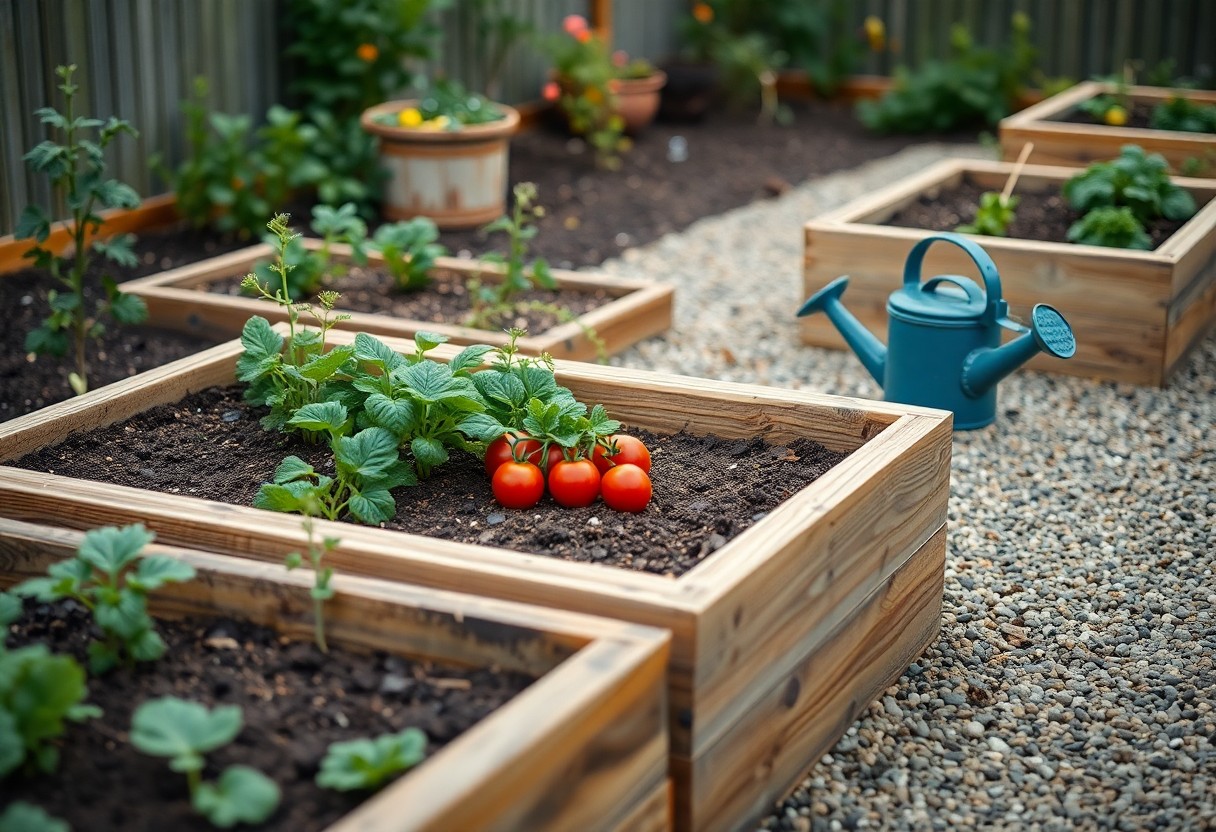
For example, a simple rectangular raised bed measuring 1.2 metres by 2.4 metres gives you a large enough area for a wide variety of plants while remaining low-cost and straightforward. You can easily build this with wooden planks or recycled materials. If you’re feeling creative, a tiered design, where beds are stacked at varying heights, not only adds visual interest but also expands your planting options and allows you to grow different types of plants that thrive under varying conditions. Keep in mind the overall maintenance ease and accessibility; paths should be planned to ensure all areas of your garden are reachable.
Tools and Supplies Needed
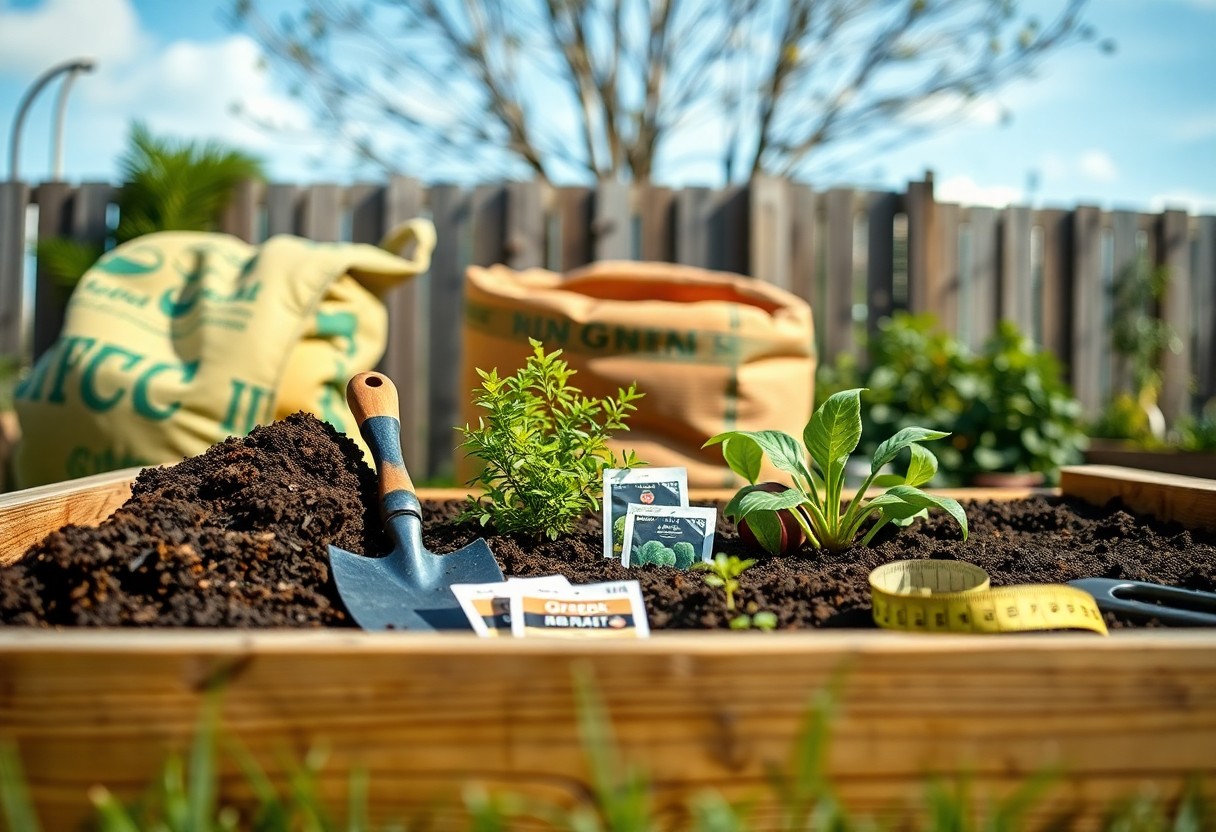
To successfully build a raised bed garden on a budget, you will need a few vital tools and supplies. Basic tools such as a saw, hammer, tape measure, and drill are vital for construction. Additionally, purchasing or sourcing materials requires careful consideration to keep costs low, so being resourceful with your local suppliers or repurposing items can greatly benefit your project.
Essential Tools for Building
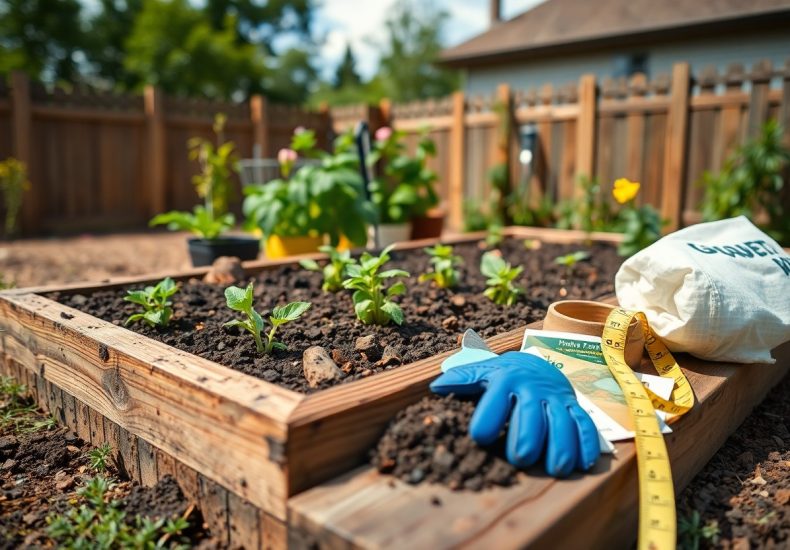
For constructing your raised bed garden, a few key tools will simplify the process. A circular saw or handsaw will help you cut wood to size, while a tape measure ensures accurate measurements. A drill is necessary for securing screws, and a level helps maintain even heights. You may also find a square helpful for checking right angles during assembly.
Optional Supplies for Enhancements
While not strictly necessary, optional supplies can enhance your raised bed garden’s functionality and aesthetic appeal. Consider using landscape fabric for weed prevention, or decorative edging materials to create a polished look. You might also want to add additional soil amendments like compost or fertiliser for optimal plant growth.
Enhancing your raised bed garden can be as simple as laying down a layer of landscaping fabric before adding soil, which helps control weeds while allowing water to seep through. Adding decorative bricks or stones around the edges not only elevates your garden’s appearance but also helps retain moisture in the soil. Moreover, incorporating organic compost not only enriches the soil but also ensures your plants thrive better, making them more resilient against pests and diseases. The small investment in these optional supplies can yield significant benefits for the overall success of your gardening project.
Step-by-Step Building Process
| Task | Description |
| Preparing the Site | Clear the area of debris and level the ground to ensure proper drainage. |
| Assembling the Raised Bed | Combine your chosen materials to form the structure of the raised bed. |
Preparing the Site
Begin by selecting a flat area for your raised bed garden and remove any weeds, rocks, or debris. It’s crucial to level the ground, ensuring proper drainage and soil stability. This preparation will help promote healthy plant growth and prevent waterlogging during rainy spells.
Assembling the Raised Bed
Once your site is prepared, start assembling your raised bed by laying out the materials in the desired shape. Secure the corners using screws or brackets to maintain structural integrity. If using wood, treat it with a non-toxic preservative to extend its life. The dimensions should be manageable for planting and maintenance; a height of 30 to 45 cm is ideal for most gardens.
As you assemble, consider using a simple design, such as a rectangular or square shape, which can be built from planks or recycled materials. For stability, overlap the joints at the corners, ensuring that the structure is sturdy enough to withstand the weight of soil and plants. Using a depth of at least 30 cm allows sufficient space for root growth, while maintaining a manageable width ensures you can easily reach the centre for maintenance. You may also choose to line the bottom with landscaping fabric to prevent weeds while allowing water drainage. Once built, your raised bed will serve as a vibrant space for growing vegetables, herbs, or flowers on a budget.
Planting and Maintenance Tips
Once your raised bed is constructed, focus on planting a variety of crops suited to your space and climate. Choose high-yield, low-maintenance plants such as tomatoes, salad greens, and herbs. Implement companion planting to maximise space and repel pests. Regular watering, mulching, and using natural pest deterrents like garlic spray can keep your garden flourishing. For more ideas, check out 6 Inexpensive Raised Garden Bed Ideas. Perceiving your plants’ growth stages will help you adjust care accordingly.
Best Practices for Plant Selection
Select plants that thrive in your specific climate and soil conditions. Opt for native species or varieties known for their resilience and adaptability. Prioritise seeds or seedlings from reputable local suppliers to ensure quality and better success rates. When in doubt, consider heat-resistant or drought-tolerant varieties, which require less water and care, making them ideal for budget gardeners.
Maintenance on a Budget
Maintaining your raised bed garden can be done economically by utilising natural resources and homemade solutions. Consider composting kitchen scraps for nutrient-rich fertiliser. Look out for local community swaps or gardening groups to exchange tools, seeds, or plants. Using recycled materials for garden barriers or mulch can minimise costs significantly while enhancing aesthetics and functionality.
Moreover, regular crop rotation can help prevent soil degradation and pest infestations, ultimately saving you money on pesticides. Practising companion planting not only improves plant health but also reduces the need for chemical interventions. DIY pest control methods, such as soap sprays or neem oil, can effectively manage problems without breaking the bank. Investing some time in research and planning can yield favourable returns in your maintenance efforts.
Summing up
Now you can successfully build a raised bed garden on a budget by carefully selecting cost-effective materials, utilising reclaimed wood or inexpensive alternatives, and maximising your garden space. Plan your layout to ensure efficiency and incorporate companion planting to enhance growth. Use homemade compost to enrich your soil without the expense of store-bought options. By being resourceful and strategic, you can create an effective and sustainable garden that flourishes without straining your finances.
You may also like