Creating a Butterfly or Bee Garden
Over time, pollinators like butterflies and bees have become vital to our ecosystems, and creating a garden that attracts them is both rewarding and beneficial. You can transform your outdoor space into a vibrant haven by selecting the right plants and providing the appropriate environment. Understanding their preferences and needs will enable you to cultivate a thriving garden that supports these vital creatures, enhancing biodiversity and bringing your garden to life.
Key Takeaways:
- Choose a variety of native plants that provide nectar and pollen throughout the growing season.
- Incorporate habitats such as water sources, shelter, and places for nesting to support butterflies and bees.
- Avoid using pesticides and herbicides to create a safe environment for pollinators to thrive.

Understanding Butterflies and Bees
To foster a successful butterfly or bee garden, it’s crucial to recognise the roles these pollinators play in our ecosystems. Butterflies and bees are not merely beautiful; they contribute significantly to the pollination of plants, which is vital for food production. For guidance on establishing a pollinator garden, refer to How to Start a Pollinator Garden in 5 Easy Steps.
Importance of Pollinators
Pollinators, like butterflies and bees, are crucial for maintaining biodiversity and ecosystem health. They enhance crop yields, support wildlife, and promote plant diversity by facilitating reproduction through pollination. Without them, many plants would fail to produce seeds and fruits, severely impacting both wildlife and human food supplies.
Types of Butterflies and Bees
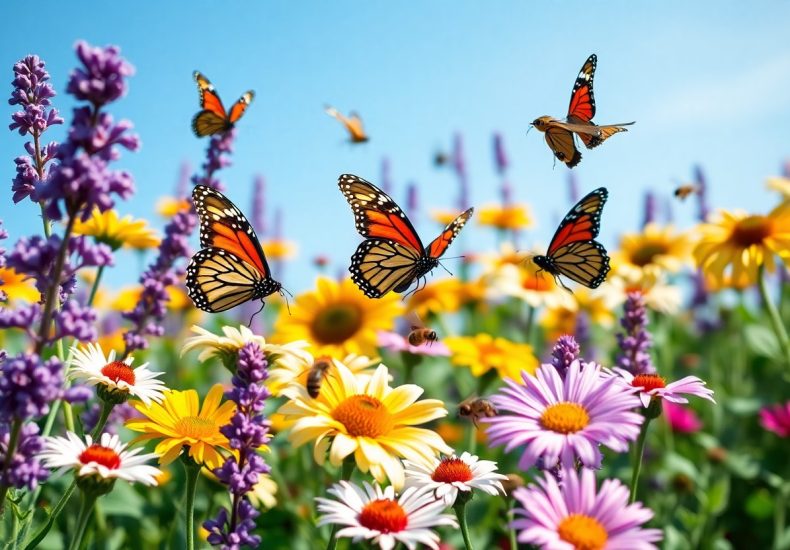
Understanding the specific types of butterflies and bees can help you create a more effective habitat. Common butterflies include the Monarch and Painted Lady, while notable bees are Honeybees and Bumblebees. Each species has unique preferences for nectar and nesting sites, which you can cater to in your garden.
| Butterflies | Bees |
| Monarch | Honeybee |
| Painted Lady | Bumblebee |
| Swhlumber | Solitary Bee |
| Red Admiral | Leafcutter Bee |
- After establishing your garden, monitor which species are visiting to adjust your planting strategy as needed.
Among butterflies, the Monarch is renowned for its migration, travelling thousands of miles. Meanwhile, the Honeybee plays a pivotal role in agriculture, accounting for about one-third of the food we consume. Familiarising yourself with these species will enhance your garden’s appeal and effectiveness in supporting them.
| Butterflies | Bees |
| Swallowtail | Carpenter Bee |
| Skipper | Mining Bee |
| Fritillary | Mason Bee |
| Common Blue | Alkali Bee |
- After identifying the types visiting your garden, consider adding specific host plants to attract them.
Planning Your Garden
Effective garden planning sets the foundation for a thriving habitat for butterflies and bees. Evaluate your available space, the amount of sunlight it receives, and the types of soils present. Consider how much time you can dedicate to maintenance and choose elements that complement your lifestyle while attracting pollinators. Sketching a design can help you visualise plant placements and ensure ample diversity for wildlife.
Choosing the Right Location
Select a sunny spot, as butterflies and bees are drawn to warmth and light. Aim for a location that receives at least six hours of sunlight daily. Additionally, ensure your garden is sheltered from harsh winds and near water sources, which are crucial for pollinators. Proximity to existing gardens or wild areas can also enhance your garden’s potential by welcoming these beneficial insects.
Selecting Plants for Attraction
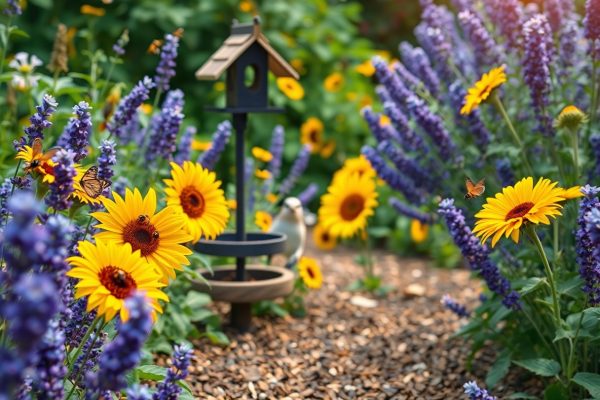
Choosing the right plants is pivotal for creating an inviting environment for butterflies and bees. Opt for native plants that bloom at different times throughout the season, ensuring a continuous food source. Incorporating a mixture of colours, shapes, and sizes will attract various pollinator species, enhancing biodiversity. For example, blue and purple flowers tend to attract bees, while bright orange and yellow blooms are favoured by butterflies.
Focusing on native wildflowers not only supports local ecosystems but also ensures successful pollinator attraction. Species such as coneflowers, lavender, and bee balm provide abundant nectar. Plant in clusters to create a bold visual impact and make it easier for pollinators to find food. Aim for at least three different plants that flower at various times of the year, providing a consistent food supply and encouraging a diverse array of pollinators to visit your garden throughout the seasons.
Planting for Success
Success in your butterfly or bee garden hinges on the right planting choices and strategies. Selecting a variety of nectar-rich flowers and host plants that bloom at different times throughout the seasons ensures a continuous food source for your pollinators. Additionally, incorporating native plants is vital, as these species are well-adapted to your local environment and more appealing to the pollinators you wish to attract.
Native Plants for Pollinators
Choosing native plants is vital for attracting local butterflies and bees. These plants often require less maintenance and water, having evolved to thrive in your area’s soil and climate conditions. Species such as lavender, coneflower, and goldenrod are often favoured by pollinators and promote biodiversity. Their familiarity to local insects enhances foraging efficiency, making your garden a delectable destination for them.
Planting Techniques and Layout
Effective planting techniques focus on creating a layered garden arrangement, which provides shelter and encourages pollinator visits. Grouping plants in clusters rather than scattering them allows bees and butterflies to forage more efficiently. Integrating plants of various heights creates a visually appealing landscape while facilitating shade and cover for wandering pollinators. Consider positioning taller plants, like sunflowers, at the back and shorter wildflowers in the foreground to enhance accessibility and aesthetic value.
Adopting effective planting techniques can significantly influence the success of your garden. Incorporating a diverse range of plant heights not only maximises space but also creates distinct microhabitats, helping various pollinator species find suitable foraging and resting spots. Use organic mulch to retain moisture and suppress weeds, as well as staggered planting to ensure blooms throughout the growing season. A thoughtful layout that combines dense clusters of plants with open spaces for flight paths will improve the overall health and activity within your garden, drawing in butterflies and bees year after year.
Creating a Habitat
To create a thriving habitat for butterflies and bees, you need to consider crucial elements like food sources, water, and shelter. Your garden should be a sanctuary that supports these pollinators throughout their life cycles. For in-depth guidance, visit Create a Butterfly Garden – Wisconsin Horticulture.
Water Sources
Providing water sources is vital for attracting butterflies and bees. Shallow puddles or water features like birdbaths with pebbles to perch on are ideal. Ensure the water is clean and refreshing, as these insects require hydration, especially during hot days. Regularly check and refresh your water sources to maintain their appeal.
Shelter and Nesting Sites
Incorporating shelter and nesting sites is crucial for a successful pollinator garden. You can use dense shrubs, tall grasses, and flowering plants to offer resting spots and protection from predators. Additionally, avoid pesticides that could harm these beneficial insects and consider leaving some bare soil or dead wood for solitary bee nesting.
Providing diverse shelter options can enhance your garden’s attractiveness. Create a mix of structural features such as bee hotels, log piles, and leaf litter. Some butterflies prefer to roost in low shrubs, while ground-nesting bees thrive in sandy patches. By including both vertical and horizontal habitats, you boost the chances of various species finding a safe haven in your garden.
Garden Maintenance
Proper maintenance ensures that your butterfly and bee garden flourishes year after year. Regular tasks such as watering, mulching, and pruning support plant health and encourage a vibrant ecosystem. You should also engage in regular inspections to assess plant vitality, addressing any decline promptly. With dedicated care, your garden can provide sustenance for pollinators consistently.
Weed and Pest Management
Weeds and pests can threaten the health of your garden. Regularly check for invasive plant species and remove them to prevent competition for resources. Use organic methods, such as introducing beneficial insects or using insecticidal soap, to manage pests while keeping your garden safe for pollinators. By maintaining vigilance, you’ll create a flourishing environment.
Seasonal Care
Seasonal care involves adjusting your practices to align with the unique requirements of each growing phase. In spring, focus on planting and mulching; in summer, ensure adequate watering and deadheading; autumn is the time for pruning and preparing for winter.
In spring, you should prepare your garden by planting a mix of early bloomers alongside your established plants. As summer approaches, check moisture levels regularly, especially during dry spells, and remove spent flowers to encourage further blooming. During the autumn months, cut back perennials and consider adding compost to enrich the soil. This ongoing attention to your garden’s seasonal needs fosters an environment that buzzes with activity and attracts vibrant, healthy pollinator populations.

Engaging with Your Garden
Engagement with your garden transforms it into a living, educational space. As you tend to your plants, you’ll witness unique behaviours and life cycles of butterflies and bees, enhancing your connection to nature. This hands-on experience deepens your appreciation for these insects and promotes a sense of responsibility towards their conservation.
Observation and Learning
Observation provides valuable insights into the behaviours of butterflies and bees in your garden. You can track the species visiting your flowers, noting their feeding patterns and interaction with the environment. Keeping a journal of these observations can enrich your gardening experience and foster a deeper understanding of these pollinators’ roles in the ecosystem.
Community Involvement
Engaging with your community can amplify the impact of your butterfly or bee garden. Collaborating with local groups or schools encourages sharing knowledge, resources, and inspiration, transforming your individual efforts into a collective mission to promote biodiversity and ecological awareness.
Community involvement fosters a network of like-minded individuals dedicated to supporting pollinators. You can organise workshops, maintain a local pollinator garden, or lead educational sessions that highlight the importance of these insects. Such initiatives not only beautify communal spaces but also raise awareness about the challenges pollinators face. Collaborating with local organisations can provide resources and expertise, enhancing your garden project while creating a positive ripple effect within the community.
To wrap up
Now that you understand how to create a butterfly or bee garden, you can transform your outdoor space into a vibrant ecosystem. Select native plants that provide nectar and pollen, ensuring a continuous bloom throughout the seasons. Incorporate sheltered areas and fresh water sources to attract these beneficial creatures. By providing a safe habitat, you not only support local wildlife but also enhance the beauty of your garden, contributing to the ecological health of your surroundings. Start planning today to enjoy the rewards of a thriving garden for you and your pollinator partners.
FAQ
Q: What plants are best for attracting butterflies and bees?
A: Native flowering plants such as lavender, marigolds, and coneflowers are ideal for attracting butterflies and bees. Including a variety of species that bloom at different times ensures a continuous food source.
Q: How can I create a suitable habitat for butterflies and bees?
A: To create a suitable habitat, provide a mix of sun and shade, ensure access to water sources, and include shelter like shrubs or grasses. Avoid using pesticides that can harm these pollinators.
Q: What is the best way to maintain a butterfly or bee garden?
A: Regular maintenance includes deadheading spent blooms, watering plants during dry spells, and avoiding chemical interventions. Allow some plants to go to seed and leave certain areas of your garden untidy to provide natural habitat.
Q: How long will it take for a butterfly or bee garden to flourish?
A: It may take a season or two for your garden to mature and attract a diverse range of butterflies and bees. Patience is key, as plants need time to establish and bloom fully.
Q: Can I create a butterfly or bee garden in a small space?
A: Yes, you can create a butterfly or bee garden in a small space by using containers or raised beds. Select compact plants and focus on high-nutrient flowers to maximise the area available for pollinators.
You may also like