
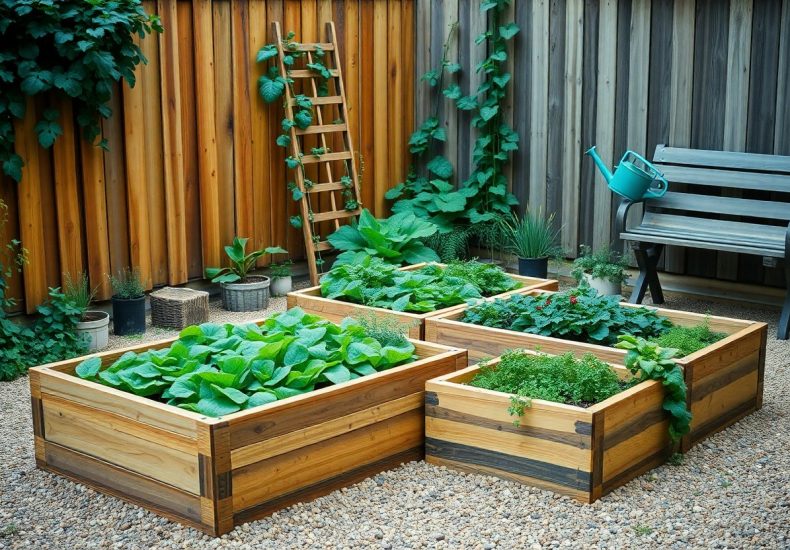
Designing the Perfect Raised Bed Garden
There’s an art to creating a raised bed garden that not only enhances the aesthetic of your outdoor space but also maximises your growing potential. By carefully selecting the right materials, dimensions, and positioning, you can cultivate a productive garden tailored to your needs. This guide will provide you with imperative tips and insights to help you design a raised bed garden that flourishes while being easy to maintain. Transform your gardening experience and enjoy the fruits of your labour with a well-planned approach.
Key Takeaways:
- Choose the right location with adequate sunlight and easy access for maintenance.
- Use high-quality soil and organic materials for optimal plant growth.
- Select appropriate plants based on space, climate, and companion planting principles.
Benefits of Raised Bed Gardening
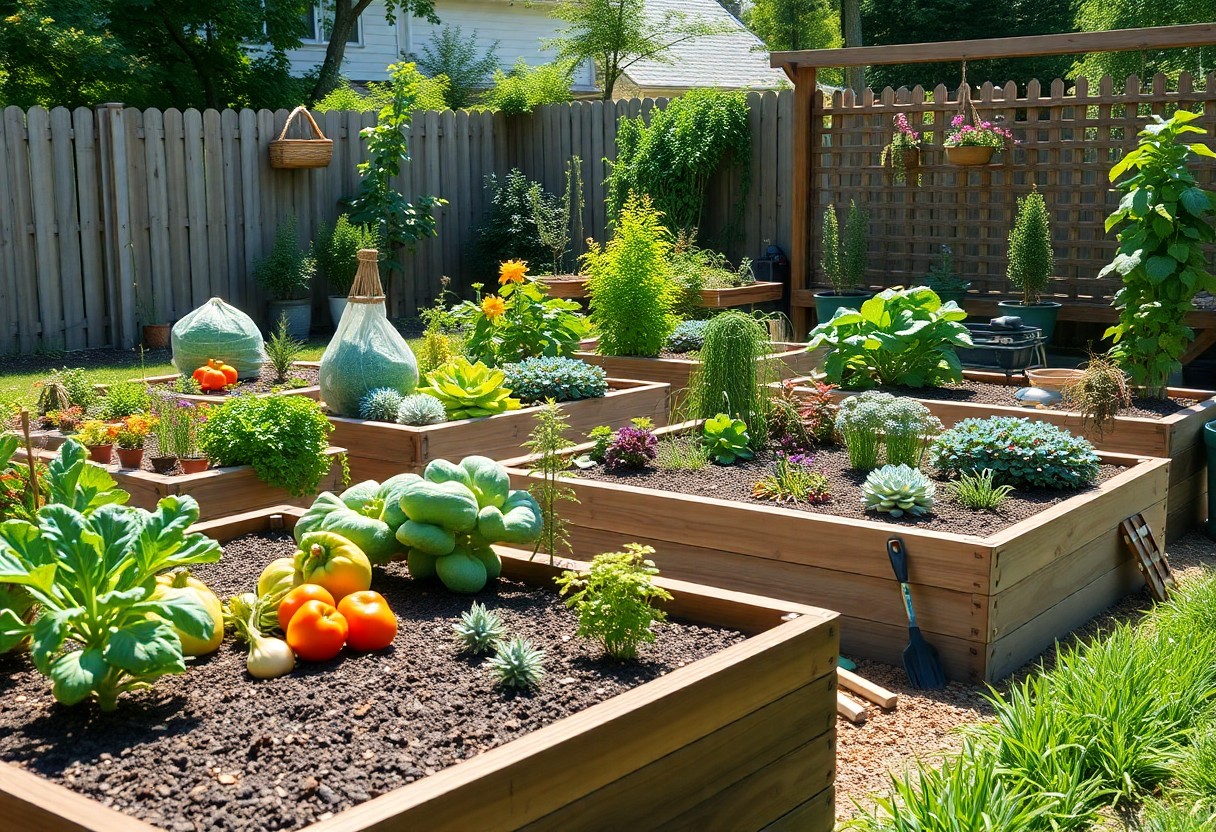
Raised bed gardening offers numerous advantages, from improved soil quality to enhanced drainage, making it an appealing choice for gardeners. You not only gain better control over the growing conditions but also enjoy the ease of maintenance. Check out these 14 Nifty Raised Garden Bed Ideas We’re Stealing for Our … for inspiration on how to maximise your garden space.
Improved Soil Quality
Your raised bed garden allows you to customise the soil mixture to suit the specific needs of your plants. By adding compost, organic matter, and other soil amendments, you create a nutrient-rich environment for growth, which leads to healthier plants and a more bountiful harvest.
Enhanced Drainage
One of the standout features of raised bed gardens is their superior drainage capacity. The elevated height allows excess water to flow away easily, reducing the risk of waterlogging, which can harm plant roots. This is especially beneficial in regions prone to heavy rainfall, as it ensures that your plants remain healthy and robust.
This enhanced drainage system means your plants are less likely to suffer from root rot, a common issue in traditional garden beds. By regularly checking drainage holes and maintaining the right soil balance, you can ensure that your plants receive adequate moisture without becoming waterlogged. Investing in good-quality, well-draining materials for your raised beds can significantly improve your garden’s overall health and productivity.
Choosing the Right Location
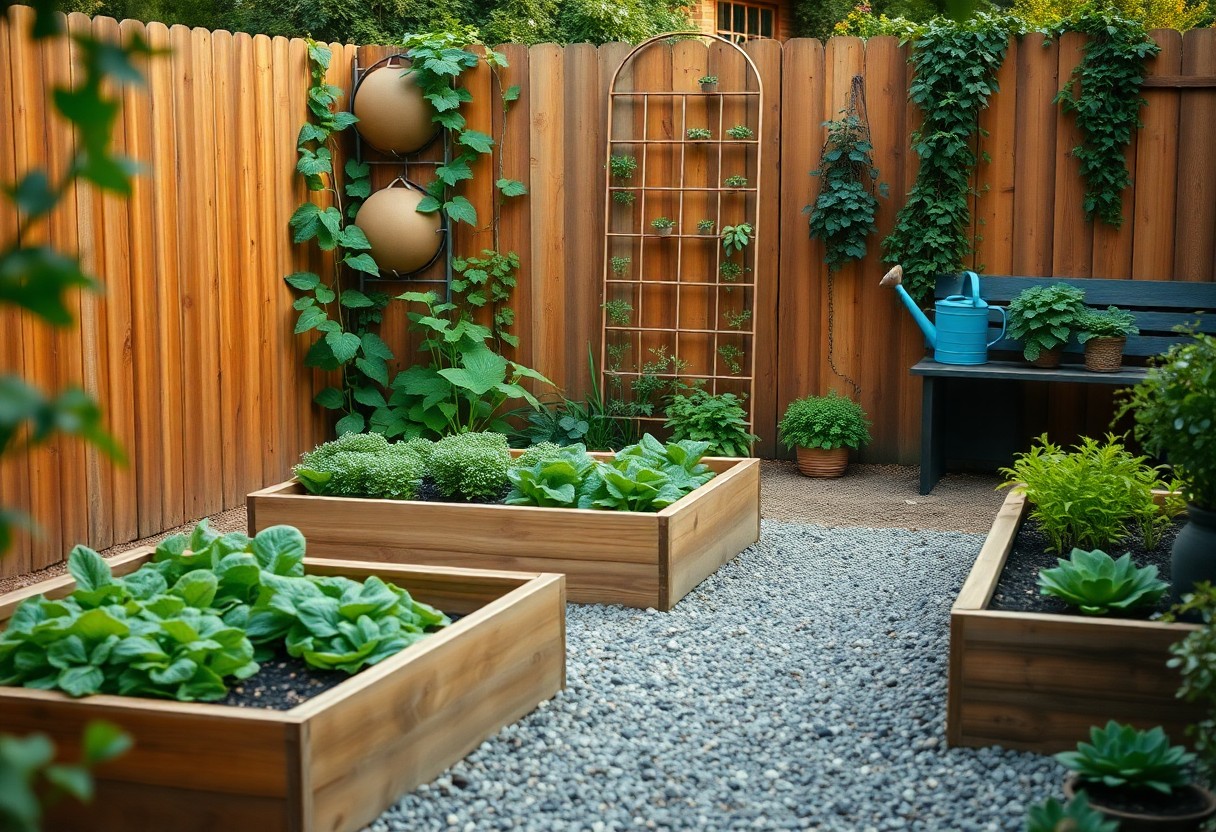
Your raised bed garden’s success hinges significantly on its location. Optimal positioning ensures that your plants receive sufficient sunlight and are easily accessible for maintenance. Take the time to observe your outdoor space throughout the day to identify areas that offer the right balance of exposure and convenience, setting the groundwork for a thriving garden.
Sunlight Considerations
Most vegetables require at least six hours of direct sunlight daily to flourish. Assess the sun patterns within your garden to determine the best spot for your raised beds. Pay attention to any nearby trees or structures that might cast shadows during peak sunlight hours, as this can significantly hinder your plants’ growth potential.
Accessibility and Space
Accessibility is vital when planning your garden layout. Ensure your raised beds are positioned in a way that allows easy access for maintenance, watering, and harvesting. Leave pathways that are at least 60 cm wide to accommodate movement and gardening tools comfortably, ensuring you can tend to your plants without hindrance.
When considering accessibility, think about the frequency with which you’ll need to reach your beds. If you have mobility constraints, placing your raised beds closer to your home or using a layout that minimises bending and stretching can be beneficial. Additionally, you may want to design your raised beds at a height that suits you best, allowing for comfortable work without straining your back. Prioritising these aspects will enhance the overall gardening experience, making it an enjoyable and efficient endeavour.
Selecting Materials for the Raised Bed
Your choice of materials for a raised bed is vital, as they affect the durability, aesthetics, and overall health of your garden. Opt for something that blends well with your landscape, while also being functional. Common options include wood, metal, and even stone. Each has its pros and cons, so consider factors like cost, longevity, and ease of assembly when making your decision.
Wood Options
Wood is a popular choice for raised beds due to its natural appearance and versatility. Untreated cedar or redwood can last for decades, while pressure-treated wood is more affordable but may contain chemicals. Ensure any wood you use is safe for gardening, especially if you’re cultivating edible plants.
Alternative Materials
Beyond wood, numerous alternative materials can offer unique benefits. Metals like corrugated steel provide durability and a contemporary aesthetic, while stone or bricks can create a striking, robust design. Recycled plastic lumber is another eco-friendly choice, offering longevity without the risk of rot.
Incorporating alternative materials can significantly enhance both the functionality and visual appeal of your raised beds. For instance, corrugated steel is not only durable but also reflects heat, potentially extending your growing season. Recycled plastic lumber requires minimal maintenance and is resistant to pests, making it an excellent long-term investment. Each material’s characteristics can help create a garden that aligns perfectly with your personal style and gardening goals, ensuring a fruitful and enjoyable experience.
Designing the Perfect Layout
The layout of your raised bed garden significantly influences its functionality and aesthetic appeal. A well-planned design allows for easy access, enhanced sunlight exposure, and efficient irrigation. Consider how you will arrange your beds, keeping pathways clear for maintenance and harvesting. Furthermore, think about vertical space—incorporating trellises and climbing plants can maximise your growing area and add visual interest to your garden.
Size and Dimensions
Your raised bed’s size and dimensions play a key role in overall efficiency and usability. Ideally, beds should be no wider than 1.2 metres to allow easy access from either side and should range between 1.2 to 2.4 metres in length for optimal planting options. Aim for a height of 30 to 45 centimetres for easy planting and maintenance while ensuring good drainage. These dimensions create a balanced environment for plant growth as well as accessibility for you.
Companion Planting Strategies
Incorporating companion planting strategies can significantly enhance your garden’s productivity and health. Pairing plants that naturally benefit each other fosters a more harmonious ecosystem, deterring pests and promoting growth. For instance, planting marigolds alongside tomatoes can repel nematodes, while basil enhances the flavour of tomatoes and boosts their growth. You will find that a carefully selected combination not only maximises space but also minimises the need for chemical interventions, creating a more sustainable garden.
Companion planting relies on the natural characteristics of plants to support each other’s growth. For example, the “Three Sisters” method combines corn, beans, and squash. Corn provides support for beans to climb, beans fix nitrogen into the soil, and squash spreads out to shade the ground. Moreover, beneficial flowers such as nasturtiums can attract pollinators while repelling harmful pests. This collaborative approach can lead to increased yields and healthier plants, allowing you to create a thriving and vibrant garden sanctuary.
Filling Your Raised Bed
Filling your raised bed correctly is vital for a thriving garden. Start by layering materials: place coarse items like branches and straw at the bottom for drainage, then add a mix of topsoil, compost, and other organic matter. This combination enhances fertility and aeration, important for plant growth. For detailed layouts, explore 4×8 Raised Bed Vegetable Garden Layout Ideas.
Soil Composition
Your soil composition directly impacts your plants’ health. An ideal mix consists of 40% topsoil, 40% compost, and 20% aeration materials like perlite or vermiculite. This blend retains moisture while allowing for adequate drainage. Adjust the proportions based on the needs of your chosen plants and your local climate for optimal results.
Plant Selection
Selecting the right plants for your raised bed ensures a flourishing garden. Consider factors like sunlight, climate, and your gastronomic preferences. Opt for companion planting, which allows beneficial plants to support each other’s growth; for instance, pairing tomatoes with basil can enhance yield. Additionally, prioritise seasonal vegetables for a consistent harvest throughout the year.
Choosing the right plants involves understanding both your garden’s microclimate and your personal tastes. For example, if your raised bed receives full sun, a mix of tomatoes, peppers, and herbs will thrive. Conversely, partial shade allows for salad greens and radishes. Incorporate a variety of heights and growth habits to create visual interest while maximising space. Intercropping can expedite growth and increase yield, ensuring that your garden remains productive and vibrant season after season.
Maintenance and Care
Regular maintenance ensures your raised bed garden remains productive and healthy. This includes weeding, monitoring plant growth, and enriching the soil. A consistent care routine allows you to address any issues promptly, promoting a vibrant ecosystem in your garden. Be sure to inspect your plants regularly for signs of stress or disease, which can help maintain their health and yield.
Watering Techniques
Effective watering techniques are key to the success of your raised bed garden. Aim for deep, infrequent watering to encourage strong root development. Consider using drip irrigation or soaker hoses to deliver moisture directly to the soil while minimising evaporation. Water in the early morning or late evening to prevent fungal diseases and reduce water loss in the heat of the day.
Pest Management
Managing pests effectively is vital to protect your raised bed garden. Integrated Pest Management (IPM) techniques, such as companion planting and the use of beneficial insects, can minimise pest populations naturally. Regularly inspect your plants for signs of infestations and take action as soon as they appear.
For pest management, employing beneficial insects like ladybirds and lacewings can significantly reduce aphid populations in your garden. A study found that introducing ladybirds resulted in a 90% reduction of aphid infestations within weeks. Additionally, companion planting—such as marigolds alongside vegetables—can deter pests owing to their strong scent. You might also consider organic pesticides, but always opt for natural solutions first to maintain eco-friendliness in your gardening practices.
To wrap up
The perfect raised bed garden requires careful planning and consideration of factors such as location, soil quality, and plant selection. You should choose a suitable size and material for your beds, ensuring proper drainage and sunlight exposure. By following these guidelines, you can create a thriving garden that maximises your growing space and enhances your gardening experience. Your efforts will yield an abundance of fresh produce while providing a rewarding and enjoyable pastime.
FAQ
Q: What materials are best for constructing a raised bed garden?
A: Commonly used materials include untreated wood, concrete blocks, bricks, and metal. Untreated wood is preferred for its natural look and ease of use, while concrete and bricks offer durability. Metal beds can also be effective but may retain heat.
Q: How deep should a raised bed garden be?
A: Ideally, a raised bed should be at least 30 cm deep to accommodate root growth for most vegetables and flowers. However, for deeper-rooted plants like carrots or potatoes, a depth of 45 cm is recommended.
Q: What soil should I use in a raised bed garden?
A: A blend of high-quality topsoil, compost, and organic matter is ideal. A common ratio is 60% topsoil, 30% compost, and 10% aeration material, such as perlite or vermiculite, to ensure proper drainage and nutrient supply.
Q: How do I ensure proper drainage in a raised bed garden?
A: Ensure that the base of the bed has drainage holes if using solid materials. Additionally, incorporate coarse materials like gravel at the bottom layer to facilitate water flow. Regularly monitor moisture levels to prevent waterlogging.
Q: When is the best time to plant in a raised bed garden?
A: The best time to plant varies by crop, but generally, early spring is suitable for cool-season crops. For warm-season vegetables, wait until the last frost has passed. A staggered planting schedule can optimise production throughout the growing season.
You may also like


