How to Prepare Your Garden for Winter
Over the colder months, your garden needs special attention to ensure it thrives when spring arrives. You can protect your plants, maintain soil health, and make your outdoor space more appealing during winter. This guide provides straightforward steps that will help you prepare your garden for the harsh weather, ensuring your efforts lead to a vibrant garden come the warmer seasons.
Key Takeaways:
- Cut back perennials and remove dead or diseased plants to prevent pests and diseases.
- Apply mulch to protect plant roots from freezing temperatures.
- Clean and store garden tools properly to prolong their lifespan.
Assessing Your Garden
Before the onset of winter, it’s vital to carry out a thorough assessment of your garden. Take the time to inspect every section, noting the health of your plants and any areas that require more attention. This process will help you identify which plants can withstand the cold and which need extra protection, ensuring you’re well-prepared for the changing seasons.
Evaluating Plant Health
Begin by examining the foliage and stems of your plants for signs of disease or damage. Look for discolouration, wilting, or unusual growth patterns. Healthy plants should have vibrant leaves and robust stems; any indicators of illness might require immediate action, such as pruning or using treatment solutions to safeguard your garden through the winter months.
Identifying Annuals vs. Perennials
Understanding the difference between annuals and perennials is imperative for winter preparation. Annuals typically complete their life cycle in one season and will die off after frost, while perennials return year after year. Knowing which plants belong to each category will help you decide which to remove or protect as winter approaches.
Annuals, like marigolds and petunias, often need to be cleared from your garden beds and discarded at the onset of winter. In contrast, perennials, such as lavender and echinacea, should be retained, as they will send up new growth in spring. Consider applying mulch around perennials for added insulation against the cold, while planning to replace or reposition annuals in your garden come springtime. This knowledge allows you to optimise your garden’s resilience for the year ahead.
Cleaning Your Garden
Cleaning your garden is necessary to create a tidy space and prevent pests from overwintering. Take the time to remove any unwanted materials that might encourage rot or disease, ensuring a fresh start for your plants come spring. This process includes clear-outs of old pots, containers, and anything that could harbour insects or diseases.
Removing Debris and Weeds
Start by clearing away fallen leaves, branches, and any other debris that may have accumulated. This prevents disease and creates a neat appearance, while regular weeding ensures your garden beds remain uncovered, allowing the soil to breathe and prepare for winter. You can also compost suitable organic material to enrich your garden soil later.
Pruning Dead or Damaged Plants
Trim back any dead or damaged foliage to promote healthy growth in the new season. Pruning reduces the risk of disease, encourages air circulation, and allows remaining plants to draw resources more effectively. Focus on removing any branches or stems that appear unhealthy or diseased.
When pruning, use clean, sharp tools to make clean cuts, minimising stress on your plants. Cut back perennials to about a third of their height, which prepares them for winter dormancy and encourages vigorous growth in spring. For shrubs, remove any crossing branches and dead stems. If necessary, consider more extensive pruning for overgrown plants, but avoid cutting too much at once—this can shock the plant. Regular upkeep of your plants not only enhances their appearance but can increase flowering and fruiting in the coming seasons.
Soil Preparation
Preparing your soil for winter enhances its vitality for the upcoming growing season. Start by clearing away debris and weeds, which can harbour pests and diseases. To gain insights into your soil’s needs, you might consider Preparing Your Garden for Winter through various soil tests. Testing helps determine nutrient levels and pH, allowing you to amend effectively.
Testing Soil pH and Nutrients
Testing your soil’s pH and nutrient content is vital for optimising plant health. You can use kits available at garden centres or send samples to a local lab. Aim for a pH of around 6 to 7 for most plants, adjusting accordingly with lime or sulphur as needed. Understanding nutrient levels helps you decide what fertilisers or amendments to add for balance.
Amending Soil for Winter
Amending your soil in preparation for winter involves adding organic matter and crucial nutrients. By incorporating compost, well-rotted manure, or leaf mould, you enhance soil structure and provide beneficial microorganisms. This process also promotes moisture retention and sustains nutrients throughout the colder months.
To effectively amend your soil, spread a layer of organic material approximately 5-10 cm thick. Use a garden fork or tiller to mix it into the top layer of soil, allowing time for the amendments to integrate. This practice not only feeds the soil but also improves aeration and drainage, which are beneficial as winter sets in. If your soil is particularly sandy or clay-heavy, consider blending in specific amendments like peat moss or gypsum to further enhance its ability to nurture future plants.
Protecting Plants
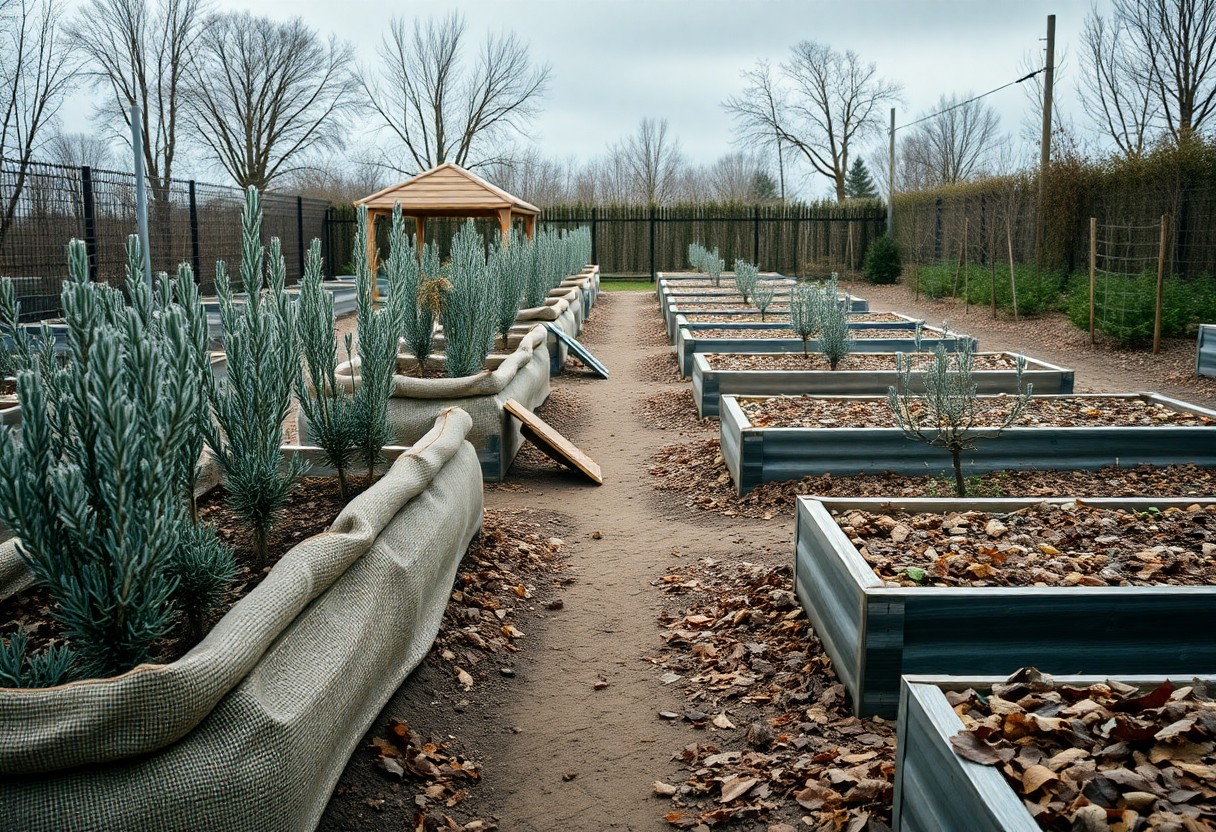
As temperatures drop, proactively safeguarding your plants is imperative. You can start by assessing which plants are most susceptible to frost and cold weather. Consider using barriers, such as fleece or cloches, to shield tender perennials and newly planted specimens. Additionally, understand the specific needs of each plant variety; some may require more attention than others, ensuring their survival through winter.
Mulching Techniques
Applying a layer of organic mulch around your plants can provide vital insulation during the cold months. Use materials like straw, bark, or leaves, ideally creating a thickness of 5 to 10 cm. This not only helps to regulate soil temperature but also retains moisture and suppresses weeds, making it a beneficial practice for your winter gardening strategy.
Covering Vulnerable Plants
To keep your most fragile plants safe from harsh winter conditions, consider investing in protective coverings. Ideally, you should use materials that allow light and air to circulate while also providing a barrier against frost. Items like horticultural fleece or breathable garden fabric can be especially effective, ensuring your plants emerge healthy in spring.
When covering vulnerable plants, ensure you secure the material properly to prevent it from blowing away in strong winds. Place the covers over the plants during particularly chilly nights, removing them on milder days to allow for sunlight. For plants that are especially sensitive, consider building temporary frames to support the coverings—this allows for greater airflow while still offering imperative protection from the cold, ultimately supporting a healthier garden for the next growing season.
Winterizing Garden Structures
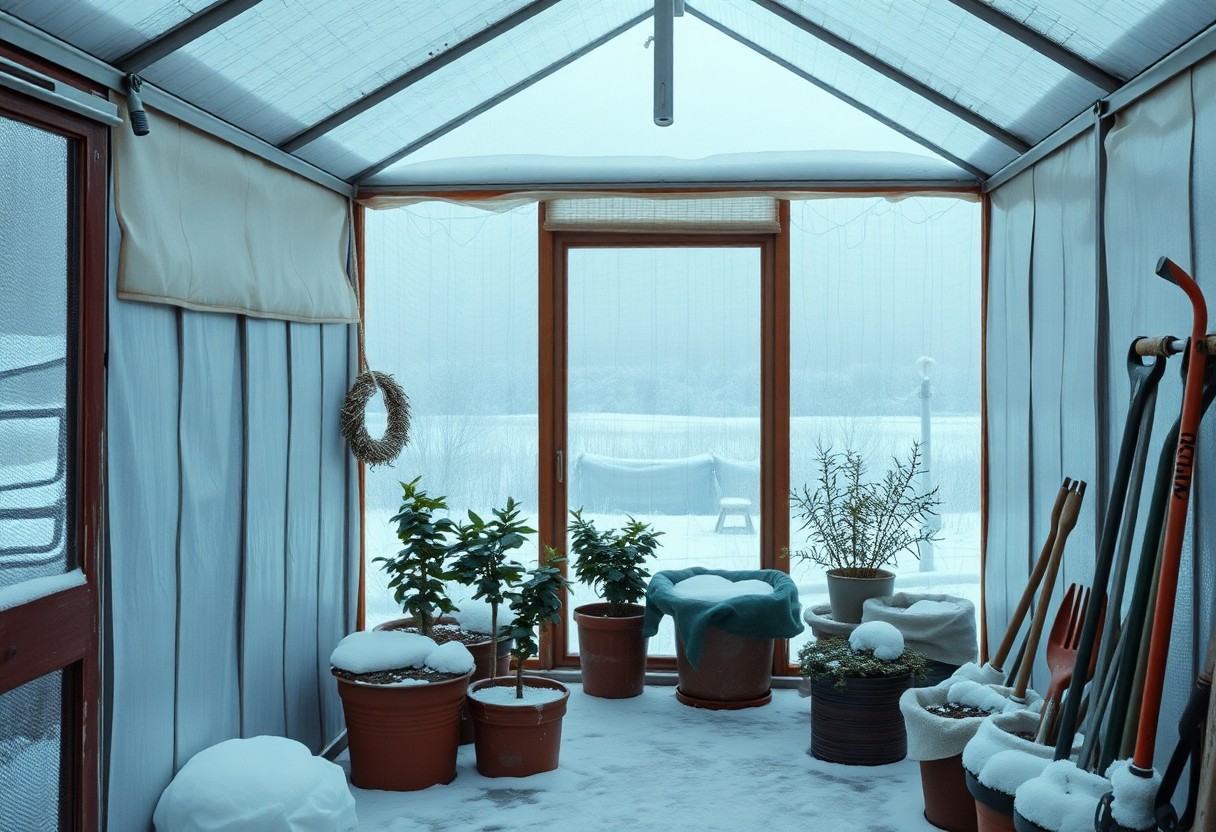
Ensuring your garden structures are ready for winter can prolong their life and maintain their functionality. Start by cleaning and repairing any damage to your greenhouse, shed, or fencing. You may want to cover garden furniture with protective tarps to withstand harsh weather. For additional insights, check out these 10 Tips for Preparing Your Garden for Winter.
Securing Fences and Trellises
Examine your fences and trellises for any loose panels or damaged sections and secure them firmly to avoid being blown over by strong winter winds. Reinforcing these structures not only protects the plants they support but also prevents potential damage to your property and neighbouring gardens.
Protecting Garden Tools
Properly storing your garden tools is crucial to ensure their longevity through the winter months. Clean and dry each tool, removing any soil or plant residue, and apply a thin layer of oil to metal surfaces to prevent rusting. Store them in a dry, sheltered location, such as a shed or garage, to shield them from moisture and temperature fluctuations.
Taking the time to protect your garden tools can save you from future expenses and replacements. For shovels and spades, remove any dirt and use a wire brush to scrub off rust. Hand tools can be stored in a toolbox with dividers to prevent damage, while larger tools may benefit from being hung up to maintain their forms and edges. This proactive care will ensure they are in peak condition come springtime when you’ll need them most.
Planning for Spring
As winter settles in, it’s the perfect time to strategise for your spring garden. Assess what worked well this year and what didn’t, allowing you to refine your planting choices and improve overall garden layout. This proactive approach not only sets you up for success but also makes the transition from the dormant season to vibrant growth more seamless.
Reflecting on This Year’s Garden
Take a moment to review your garden’s performance over the past year. Consider which plants thrived and which struggled, noting any pests or diseases that may have affected your yields. This reflection helps in making informed decisions about future plant selection and garden management techniques, ensuring a more bountiful spring.
Developing a Winter Garden Plan
Craft a detailed plan for your garden during winter months, focusing on future improvements. Identify specific areas that require enhancement, like soil amendments or new plant varieties that could be incorporated in the spring. Outline tasks that can be accomplished now, such as ordering seeds or adjusting irrigation systems.
To develop your winter garden plan effectively, start by mapping out your existing spaces. Use a notebook or garden planning software to sketch your layout and included plant types. Research annuals and perennials that flourish in your climate and make a list of what you want to grow in the coming year. Ensure you factor in companion planting to maximise space and improve pest control. By clarifying your strategy now, you will streamline your workload when spring arrives, making the gardening process more enjoyable and productive.
Conclusion
Following this guide, you can ensure your garden withstands the winter months. Start by clearing away any debris and dead plants to prevent pests and diseases. Protect delicate plants with mulch or fleece while ensuring hardy species are well-pruned. Consider planting winter-flowering varieties to add interest during the colder months. Additionally, service your tools and store them properly to extend their lifespan. By taking these steps, you will create a healthier environment for your garden to thrive come spring.
FAQ
Q: When is the best time to start preparing my garden for winter?
A: The ideal time to begin preparing your garden for winter is in late autumn, typically around mid to late October, before the first frost. This allows ample time to complete necessary tasks before the cold sets in.
Q: What specific tasks should I complete to prepare my garden for winter?
A: Key tasks include cleaning up fallen leaves and debris, pruning perennials, protecting fragile plants with mulch or fleece, and ensuring that any annuals are removed. Additionally, consider storing garden tools in a dry place and checking irrigation systems for winter readiness.
Q: How can I protect my plants from frost damage?
A: To protect plants from frost, apply a layer of mulch around the base of tender plants, cover them with horticultural fleece during cold snaps, and consider moving potted plants to a sheltered location, such as a garage or greenhouse.
Q: Should I fertilise my garden before winter?
A: Yes, applying a slow-release fertiliser in late autumn can be beneficial. This provides crucial nutrients that will support plants during the winter months and promote robust growth in the spring.
Q: Is it necessary to cover my garden furniture for winter?
A: Yes, covering or storing garden furniture during winter is advisable to protect it from harsh weather conditions, which can cause deterioration. If possible, place furniture in a dry, sheltered area to prolong its lifespan.
You may also like