Keeping Your Garden Safe from Frost
You need to safeguard your garden from frost to ensure the vitality of your beloved plants. Frost can cause significant damage, particularly to tender species, but with the right techniques, you can protect your garden effectively. Simple methods such as covering plants or using mulch can make a substantial difference. If you’re looking for more detailed guidance, check out What is the best way to protect plants from Frost, short of … for useful strategies.
Key Takeaways:
- Cover vulnerable plants with fleece or cloches on forecasted frost nights.
- Mulch around plants to insulate roots and retain soil warmth.
- Position pots and containers in sheltered areas to minimise frost exposure.
Understanding Frost
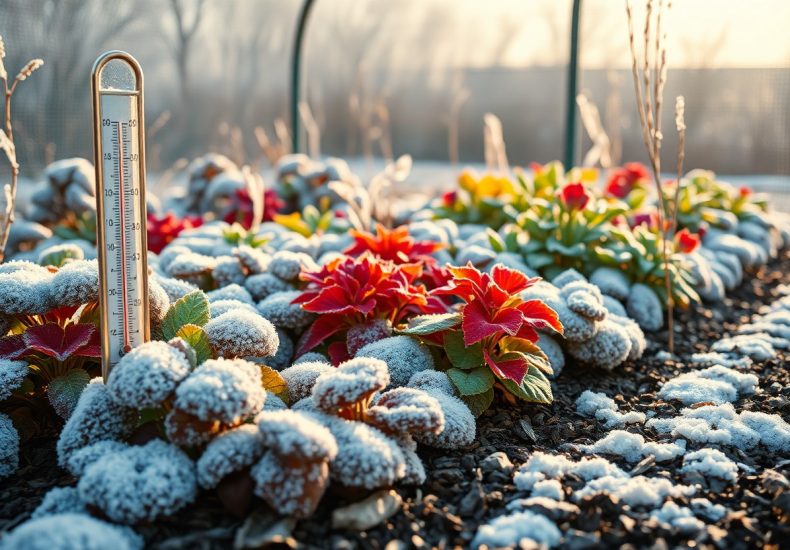
Frost occurs when temperatures drop below freezing, leading to the formation of ice crystals on surfaces. It can be detrimental to plants, particularly tender species, which can suffer cellular damage. Understanding the nuances of frost can aid you in taking proactive steps to protect your garden during colder months.
Types of Frost
There are several types of frost that can affect your garden, each with varying effects on plants:
- Radiation Frost
- Advection Frost
- Hoarfrost
- Touch Frost
- Black Frost
Perceiving the differences between these types can help you implement targeted protective measures.
| Type of Frost | Description |
| Radiation Frost | Forms on clear nights when the ground loses heat rapidly. |
| Advection Frost | Occurs due to cold air moving over warm surfaces. |
| Hoarfrost | Appears as a white, fluffy coating on surfaces in high humidity. |
| Touch Frost | Forms on sheltered surfaces, often unnoticed until damage occurs. |
| Black Frost | Damages plants without visible ice due to very low temperatures. |
Frost Formation and Timing
Frost typically forms overnight, most commonly on clear nights when heat escapes into the atmosphere. The timing of frost occurrences can vary by region, but it often peaks in late autumn and early spring. Understanding when frost is likely to strike can be instrumental in successfully protecting your garden.
Frost formation is influenced by factors such as temperature, humidity, and wind. As temperatures dip, air cools and condenses water vapour into ice crystals. If you’re aware of seasonal frost patterns in your locality, you can better prepare your garden. Monitoring forecasts also plays a vital role; frost advisories can keep you ahead of potential damage, ensuring your plants remain safe and thriving.
Preparing Your Garden
To effectively shield your garden from frost damage, meticulous preparation is important. This involves a combination of strategic planting, soil enhancement, and creating favourable microclimates. By proactively addressing these elements, you can significantly increase the chances of your plants thriving through the colder months.
Choosing the Right Plants
Selecting frost-resistant plants can make a considerable difference in maintaining a vibrant garden. Opt for varieties such as pansies, winter heathers, and ornamental cabbages, which not only withstand lower temperatures but also add colour during dreary months. Conduct thorough research on plant hardiness zones to ensure your selections are suitable for your garden’s climate.
Soil Preparation and Microclimates
Enhancing soil quality and understanding local microclimates are vital for optimal plant health. Well-draining soil rich in organic matter supports root systems and encourages stronger growth, while creating sheltered areas can help mitigate frost exposure.
For instance, adding compost or well-rotted manure can vastly improve soil structure and drainage, crucial for preventing waterlogged roots in winter. Additionally, consider the layout of your garden; you might create microclimates by grouping plants with similar needs or placing taller plants to shield more delicate ones. Such strategic positioning not only provides physical protection but also helps in retaining warmth, thus reducing the likelihood of frost damage.
Protective Measures
To safeguard your garden from frost damage, implementing protective measures is important. These strategies not only shield vulnerable plants but also enhance their chances of survival during the colder months. By adopting the right techniques, you can significantly reduce the impact of frost and sustain the health of your garden.
Covering Techniques
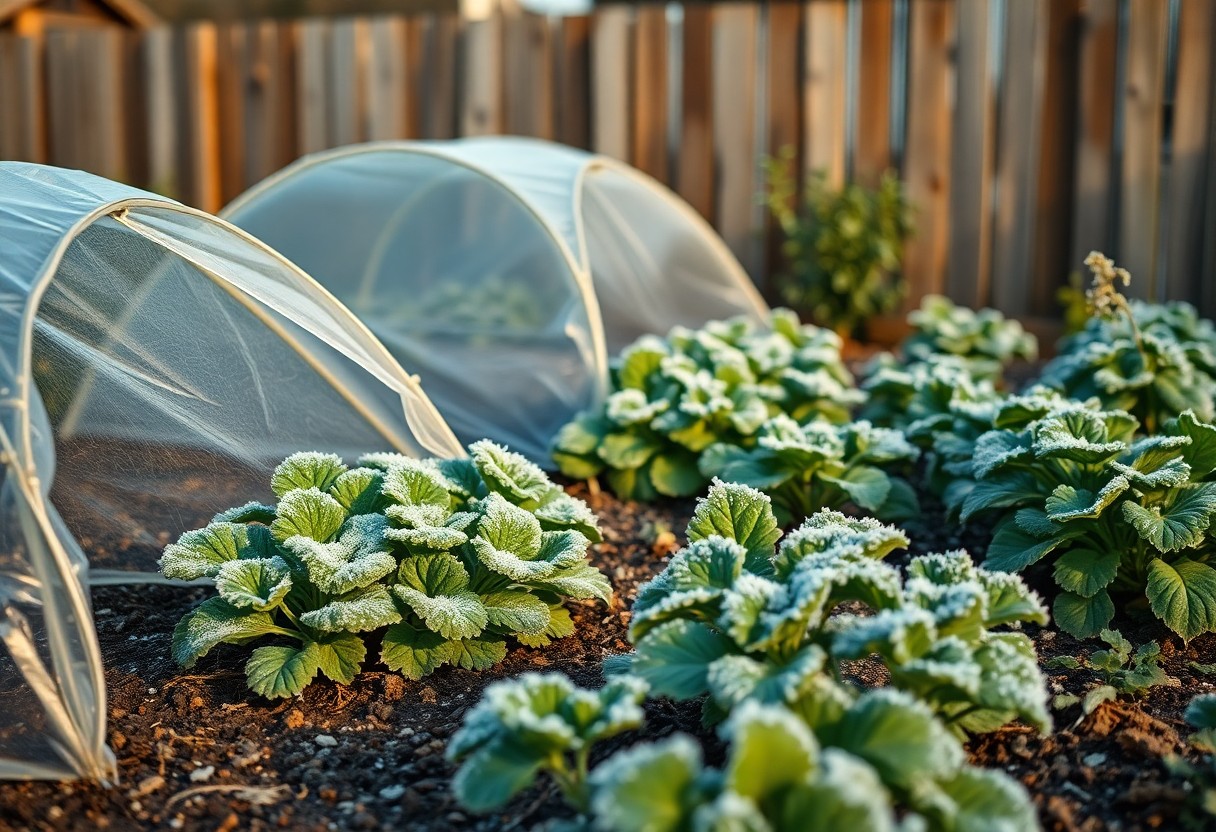
Covering your plants with protective materials is one of the most effective methods to combat frost. Use horticultural fleece, blankets, or old sheets to create a barrier that traps heat, preventing frost from settling on delicate leaves. Make sure to remove covers during the day to allow sunlight in, while ensuring they are securely fastened to protect from wind.
Utilizing Mulch and Cloches
Applying mulch around your plants not only insulates their roots but also retains moisture in the soil. Cloches, or protective plant covers, can further shield weaker plants from sudden temperature drops. By combining these techniques, you create a fortified environment that nurtures plant health through challenging weather conditions.
When utilising mulch, focus on organic materials like straw, bark chips, or compost, which can provide added nutrients as they break down. A layer of at least 5-10 cm is ideal for insulation. Cloches come in various materials such as glass or plastic, and they can be particularly beneficial for seedlings or young plants that are more susceptible to frost. Ensure proper ventilation to avoid overheating during sunny days, creating a balanced microclimate that promotes growth while offering protection from frost.

Timing Your Planting
As far as successful gardening, timing your planting can significantly impact your plants’ resilience against frost. You’ll want to be aware of local frost dates and choose the right moment to sow or transplant your seedlings for optimal growth and protection.
Frost Dates and Gardens
Knowing the average last frost date in spring and the first frost date in autumn is important for planning your planting schedule. These dates vary widely depending on your geographical location, with many areas in the UK experiencing frost as late as May or as early as September. Using a local gardening calendar can help you pinpoint these dates and make informed decisions for your garden.
Seasonal Planting Strategies
Adopting effective seasonal planting strategies can maximise your garden’s health and longevity. You should stagger your sowing times, use cloches or cold frames to protect tender plants, and consider selecting frost-resistant varieties that thrive in cooler conditions.
For instance, starting hardy vegetables like peas and broad beans as early as February can yield robust crops before frost risk diminishes. Conversely, you might begin sowing tender annuals, such as tomatoes and peppers, indoors four to six weeks before the last frost date and then transplant them outdoors once danger of frost has passed. By leveraging these strategies, you can effectively safeguard your plants while optimising your gardening efforts throughout the seasonal cycle.
Monitoring Weather Conditions
Staying informed about weather changes is important for protecting your plants from frost. Regularly checking forecasts can help you anticipate cold snaps and take necessary precautions to shield your garden from potential damage. Make it a habit to monitor temperatures closely, especially during late autumn and early spring when frosts are more common.
Utilising Weather Apps and Services
Utilising weather apps and services allows you to track temperature patterns and receive alerts about impending frost. Many apps provide hyperlocal forecasts, giving you accurate predictions based on your specific location. This real-time data empowers you to act swiftly, whether that means covering tender plants or bringing pots indoors.
Traditional Signs of Frost
Observing traditional signs of frost can provide you with valuable insights beyond modern technology. Indicators such as a drop in temperature during the night or a clear sky are often precursors to frost. Keeping an eye on local flora can also help, as certain plants may show signs of stress or wilting before frost becomes apparent.
For example, if you notice leaves on sensitive plants beginning to curl or if dew forms on grass but quickly freezes, these may signal that frost is imminent. Similarly, the appearance of a heavy fog in the evening can often foreshadow a significant drop in temperature overnight, increasing the likelihood of frost. By being aware of these traditional signs, you can better prepare your garden for chilly conditions.
Recovery from Frost Damage
Once you’ve experienced frost damage in your garden, taking action swiftly can improve your plants’ chances of recovery. Assessing the extent of the damage allows you to determine the best course of action for each affected plant. Some may simply need a little extra care, while others may require more drastic measures.
Assessing Damage
Start by examining your plants for visible signs of frost damage, such as brown or wilted leaves, soft stems, or broken branches. Focus on the foliage and flowers, as these are often the first areas to suffer. By closely inspecting each plant, you can identify which ones may be salvageable and which might need to be removed to prevent further issues.
Steps for Plant Recovery
To aid in the recovery of frost-damaged plants, begin by pruning away any dead or severely damaged parts. Next, ensure your plants receive adequate water, as they may be stressed and in need of hydration. Adding a layer of mulch can help insulate the soil and retain moisture, providing further support for their recovery. If necessary, repotting or relocating damaged plants to a more favourable environment can also be beneficial.
After assessing damage, promptly prune affected areas while ensuring you use sterilised tools to prevent disease. Water your plants carefully, as overwatering can exacerbate stress; instead, maintain a balanced moisture level. Consider applying fertiliser to provide nutrients that will promote regrowth. Warmth is vital, so mulching around your plants will help regulate soil temperature. Monitor your plants closely in the following weeks to ensure they are bouncing back and adjust your care as needed.
Summing up
As a reminder, protecting your garden from frost involves several key practices. You should consider using horticultural fleece, cloches, or mulch to shield sensitive plants during cold nights. Monitoring local weather forecasts can help you anticipate frost events and take action in time. Additionally, providing adequate drainage and selecting frost-resistant plant varieties will enhance your garden’s resilience. By implementing these strategies, you can safeguard your garden and ensure its health throughout the colder months.
FAQ
Q: What are the signs that frost might affect my garden?
A: Signs of impending frost include clear skies at night, a drop in temperature, and the occurrence of dew. Pay attention to local weather forecasts for frost warnings.
Q: How can I protect my plants from frost damage?
A: You can protect your plants by covering them with cloth, fleece, or old blankets, bringing potted plants indoors, and using mulch around the base of plants to insulate the soil.
Q: Should I water my garden before a frost?
A: Yes, watering plants a day before a frost can be beneficial as moist soil retains heat better than dry soil, helping to protect plant roots from cold temperatures.
Q: Are there specific plants that are more susceptible to frost?
A: Tender annuals, such as geraniums and petunias, as well as young seedlings, are more susceptible to frost. Be particularly cautious with these plants when frost is forecasted.
Q: When is the best time to plant in relation to the frost dates?
A: The best time to plant is after the last expected frost date in spring. Check local gardening calendars for frost dates in your area to optimise planting timing.
You may also like