Using Garden Structures to Your Advantage
Most gardens can benefit significantly from the strategic incorporation of structures such as trellises, arbours, and pergolas. These elements not only enhance the visual appeal of your outdoor space but also serve practical purposes, such as providing support for climbing plants and creating inviting shaded areas. By understanding how to effectively utilise these features, you can transform your garden into a more functional and aesthetically pleasing environment, allowing you to enjoy your outdoor space to its fullest potential.

Key Takeaways:
- Garden structures can enhance the aesthetic appeal of your outdoor space, providing visual interest and focal points.
- Utilising structures like trellises and arches can maximise vertical space, making it suitable for climbing plants and improving overall plant health.
- Well-planned garden structures offer practical benefits, such as shade, shelter, and support for various gardening needs.
Understanding Garden Structures
Garden structures encompass a variety of elements designed to enhance functionality and aesthetics in outdoor spaces. They provide support for plants, create sheltered areas, and can define spaces within your garden. For insights into how these features can improve your landscaping projects, read The Benefits of Adding Outdoor Structures to Your ….
Types of Garden Structures
- Trellises
- Gazebos
- Arbours
- Garden Sheds
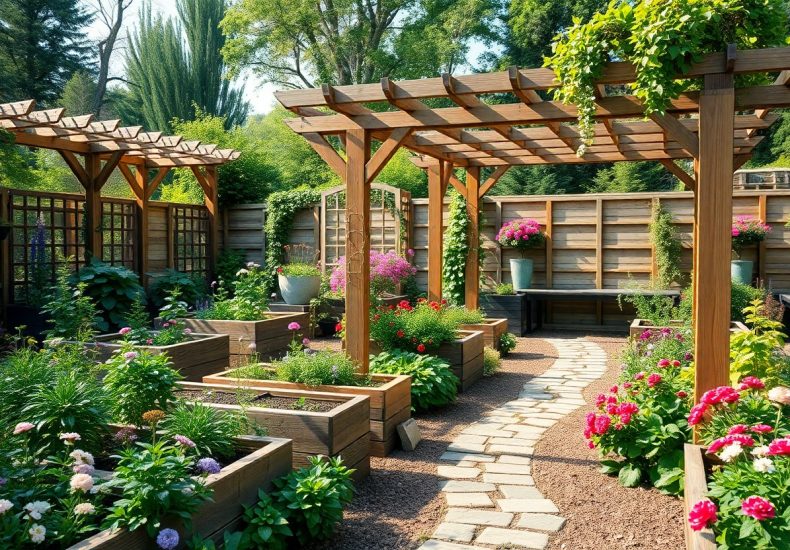
- Pergolas
After selecting the right type of structure, you can effectively enhance your garden’s layout.
| Type of Structure | Purpose |
| Trellis | Supports climbing plants |
| Gazebo | Creates a shaded seating area |
| Arbour | Enhances entryways and paths |
| Pergola | Adds architectural interest |
Benefits of Garden Structures
Incorporating garden structures offers numerous advantages for any outdoor space. They not only create attractive focal points but also enhance garden functionality and improve the usability of your space throughout the year. Structures can help create a microclimate, regulate sunlight, and even provide shelter for wildlife.
Additionally, garden structures can significantly increase the overall value of your property. Studies show that homes with well-defined outdoor spaces, including structures like pergolas or gazebos, tend to sell for up to 15% more than comparable properties without such enhancements. By adding these elements, you provide both aesthetic appeal and practical advantages, enabling you to enjoy your outdoor space to its fullest potential.

Designing Your Garden with Structures
Incorporating structures into your garden design allows you to create a harmonious balance between functionality and beauty. By strategically placing arbours, pergolas, and trellises, you can define spaces, encourage growth, and elevate the overall appearance of your garden. Tailoring these elements to complement your landscape will not only guide movement but also offer captivating visual experiences throughout the seasons.
Planning Your Space
When planning your garden space, consider the layout and how structures will interact with existing plants and features. Start by assessing sunlight patterns, wind directions, and the location of pathways. Effective zoning can highlight key areas, such as dining spots or relaxation corners, while ensuring that your structures enhance rather than clutter your garden’s flow.
Aesthetic Considerations
Choosing materials and styles that resonate with your garden’s theme is paramount. Wooden structures can evoke a rustic charm, while metal finishes bring a contemporary edge. Consider colour schemes that harmonise with your plants; for instance, neutral shades can enhance vibrant flower colours. Integrating natural elements like climbing plants can further soften the look, creating a cohesive and inviting atmosphere.
Moreover, the scale of your structures should resonate with the overall space available. A large, imposing pergola in a small garden may overwhelm the area, while delicate trellises can add subtlety. Think about incorporating different heights and shapes to create depth and dimension. Accent lighting can also play a significant role in transforming the aesthetic, illuminating pathways and highlighting architectural features during the evening. By thoughtfully selecting and positioning your garden structures, you can enhance not only the visual appeal but also the ambience of your outdoor space.
Enhancing Plant Growth
Utilising garden structures effectively can significantly boost plant growth by providing the necessary support, shelter, and conditions for optimal development. With appropriate structures in place, you can create a thriving environment where your plants can flourish. This enhances not only their health but also their yield.
Support for Climbing Plants
Installing trellises or arched pergolas enables climbing plants like beans, peas, and clematis to reach their full potential. These structures provide the height and support needed for climbing, ensuring that the plants receive adequate sunlight and airflow, which are crucial for vigorous growth and flowering.
Microclimate Creation
Garden structures can also play a significant role in creating microclimates, which are areas that possess environmental conditions different from the surrounding area. These conditions can be optimised for specific plant types, enhancing their growth and overall health.
For instance, a wall or fence can absorb heat during the day, releasing it slowly at night, which is beneficial for tender plants that require a warmer environment. Additionally, structures like cold frames can protect young seedlings from harsh weather while retaining warmth. By incorporating such features into your garden, you can significantly extend the growing season and encourage the flourishing of sensitive species that may otherwise struggle in your local climate. Creating varied height and structure, along with strategically placing these elements, can further enhance the beneficial impact on your plants.
Seasonal Functionality
By introducing garden structures into your landscape, you harness their seasonal functionality to extend the use of your outdoor space throughout the year. For comprehensive tips on achieving this, refer to the Ultimate Guide to Tiered Vertical Garden Structures.
Extending the Growing Season
Implementing structures like cold frames or greenhouses allows you to initiate your planting sooner in spring and prolong your harvest into autumn. These solutions provide the warmth necessary for tender plants, helping you maximise your growing potential.
Protection from Weather Elements
Your plants can thrive when shielded from adverse weather conditions. Structures, such as pergolas or trellises, not only support plant growth but also provide shelter from harsh winds, excessive rain, and even intense sunlight.
Without adequate protection, weather extremes can devastate your garden. Windbreaks formed by trellised plants can reduce wind speed, helping to prevent damage. Likewise, shading structures can mitigate the risk of sunburn on delicate foliage. Additionally, raised beds under protective structures can improve drainage and reduce the risk of waterlogging during heavy rain, allowing your plants to flourish even in trialling conditions.
Maintenance and Durability
To maximise the longevity of your garden structures, diligent maintenance is imperative. Regular inspections, timely repairs, and protective treatments can prevent deterioration, ensuring that your investments remain functional and visually appealing for years. A well-maintained structure not only serves its purpose but also enhances the overall beauty of your garden.
Choosing Materials
Selecting the right materials plays a significant role in the durability of your garden structures. Opt for weather-resistant options such as treated wood, metal, or durable composite materials that can withstand the elements. For instance, galvanised steel is excellent for trellises, while cedar or redwood offers natural resistance to rot, making them ideal for arbour constructions.
Regular Upkeep
Regular upkeep is vital for preserving your garden structures. Routine cleaning removes debris and prevents the build-up of mould or rot. Additionally, applying protective coatings or treatments annually can shield materials from weathering. Ensuring that hinges, brackets, and fastenings are securely fastened will maintain structural integrity, prolonging their functionality.
Implementing a maintenance schedule can be immensely beneficial. For example, inspect wooden structures every six months for signs of wear, and re-stain or repaint as needed to prevent moisture damage. Metal structures might require rust-proof treatments every few years, especially if exposed to harsh weather. By establishing these practices, you can ensure that your garden structures continue to enhance your garden, saving you time and expense in the long run.
Incorporating Garden Structures in Small Spaces
Even the most compact gardens can benefit from clever garden structures that maximise your space. Think about using trellises or arches to draw the eye upwards, freeing up precious ground area for planting. Incorporating built-in seating or raised beds can also optimise functionality without overwhelming your small plot. By strategically placing these structures, you can create a charming, organised space that enhances the visual appeal and usability of your garden.
Vertical Gardening Solutions
Vertical gardening solutions enable you to maximise space while adding greenery to your surroundings. By utilising wall-mounted planters, vertical pallets, or climbing plants on trellises, you can create stunning living walls that offer both beauty and functionality. This approach not only conserves ground area but also can improve air quality and provide insulation, making it an ideal choice for urban gardening.
Multi-functional Structures
Multi-functional structures serve dual purposes, making them a smart addition to any small garden. For instance, a pergola can provide shade while supporting climbing plants, or a bench may incorporate storage beneath it, keeping the space tidy. This dual utility is especially valuable in constrained areas, enabling you to maximise both aesthetic and practical benefits without cluttering your garden.
By considering structures that offer multiple uses, such as a raised vegetable bed that doubles as a seating area or a trellis that includes built-in shelves for potted plants, you can transform your small garden into a versatile oasis. Such approaches not only conserve valuable space but also enhance the overall functionality of your outdoor area, allowing you to enjoy both gardening and relaxation in the same beautifully designed space.
Summing up
Drawing together the various benefits of garden structures, you can enhance your outdoor space while achieving functionality and aesthetic appeal. Whether you opt for trellises, pergolas, or greenhouses, these structures can optimise light, provide shelter, and create inviting areas for relaxation or growing plants. By strategically integrating these elements into your garden design, you can enrich biodiversity, improve usability, and ultimately create a more engaging environment for both you and your visitors.
FAQ
Q: What are the benefits of using garden structures?
A: Garden structures provide support for climbing plants, create defined spaces, and can enhance the aesthetic appeal of your garden. They also offer vertical growing opportunities, allowing for maximised planting in smaller areas.
Q: Which types of plants are best suited for garden structures?
A: Climbing plants such as roses, wisteria, sweet peas, and beans are ideal for garden structures. These plants benefit from support as they grow upwards, enabling better air circulation and access to sunlight.
Q: How can I incorporate garden structures in a small garden?
A: In small gardens, use vertical structures like trellises or obelisks to maximise space. Consider installing arches or pergolas to create pathways while providing areas for climbing plants, effectively adding dimension without consuming too much ground space.
Q: What maintenance is required for garden structures?
A: Regular maintenance includes checking for stability, treating any wood to prevent rot, and ensuring that plants are properly secured to their supports. Cleaning any debris or dead plant material will also promote longevity and functionality.
Q: Can garden structures be used year-round?
A: Yes, many garden structures can be enjoyed year-round. In winter, some structures provide an interesting focal point, while certain plants can create a striking appearance even in colder months. Consider evergreen climbing plants for consistent greenery.
You may also like