Composting 101 – Turn Kitchen Scraps into Garden Gold
With composting, you have the opportunity to transform your kitchen scraps into nutrient-rich soil for your garden. This simple yet effective process not only reduces waste but also enriches your garden, providing necessary nutrients for your plants. By following a few straightforward steps, you can create your own compost, nurturing a more sustainable lifestyle while enhancing the health of your garden. Let’s explore how you can effectively turn your waste into valuable garden gold.

Key Takeaways:
- Utilise a mix of green (nitrogen-rich) and brown (carbon-rich) materials for effective composting.
- Maintain moisture levels and a balance of air to promote decomposition and avoid unpleasant odours.
- Regularly turn the compost to speed up the breakdown process and ensure even mixing of materials.
What is Composting?
Composting is the natural process of recycling organic matter, such as kitchen scraps and garden waste, into a rich soil amendment known as compost. This process involves the breakdown of organic material by microorganisms, creating a nutrient-dense product that can enhance soil health and promote plant growth. By composting, you effectively close the loop between waste and soil health, fostering a sustainable approach to gardening and waste management.
Definition and Purpose
The purpose of composting is to convert organic waste into a valuable resource for your garden. It involves managing the decomposition of materials like fruit peels, vegetable scraps, and yard waste, enabling you to create a nutrient-rich additive that improves soil structure, water retention, and microbial activity. This process not only reduces waste sent to landfills but also enriches your garden’s ecosystem.
Benefits of Composting
Composting provides numerous environmental and practical benefits. It reduces landfill waste, lowers greenhouse gas emissions, and returns vital nutrients to your soil. Additionally, compost improves soil structure, encourages beneficial microorganisms, and aids in moisture retention, leading to healthier plants that require less chemical intervention.
By enriching your soil with compost, you can significantly enhance your garden’s productivity. Studies show that compost can reduce the need for chemical fertilisers by 30%, as it naturally supplies necessary nutrients to plants. Moreover, composting actively encourages biodiversity in your garden, attracting earthworms and beneficial insects that further improve soil health. Using your compost not only creates a sustainable cycle but also contributes to a greener planet by minimising your ecological footprint.
Understanding Kitchen Scraps
Kitchen scraps are the leftover organic materials you generate while cooking or preparing meals. These items can include fruit and vegetable peels, coffee grounds, eggshells, and certain grains. By recognising the potential of these seemingly waste products, you can greatly contribute to a sustainable practice of composting. For further insights on the subject, check out Composting 101: How to turn fall yard debris into garden gold.
What to Compost
You’re encouraged to compost a variety of kitchen scraps, including vegetable and fruit peels, leftover salads, and outdated bread. Coffee grounds, tea bags, and eggshells are excellent choices as they add crucial nutrients to the compost pile. Incorporating these materials not only minimises waste but also enriches the soil, supporting healthy plant growth in your garden.
What Not to Compost
Avoid composting items like meat, dairy, and oily foods, as they can attract pests and create odours. Additionally, certain items such as citrus peels and synthetic materials can inhibit the composting process or introduce harmful substances into your compost. It’s vital to keep your compost pile balanced to ensure optimal decomposition.
Items like meat and dairy can lead to issues with pests that may disrupt your composting efforts, while oils can create a slick environment that slows down decomposition. Moreover, materials like diseased plants or seeds can introduce pathogens or unwanted growth into your compost. Be cautious about what goes into your compost to maintain its health and effectiveness.
Creating Your Compost Bin
Setting up your compost bin is an vital step in your composting journey. The right bin not only facilitates the composting process but also fits seamlessly into your space and lifestyle. Whether you opt for a store-bought model or a DIY solution, ensuring good air circulation and drainage will enhance decomposition, transforming your kitchen scraps into nutrient-rich compost efficiently.
Choosing the Right Bin
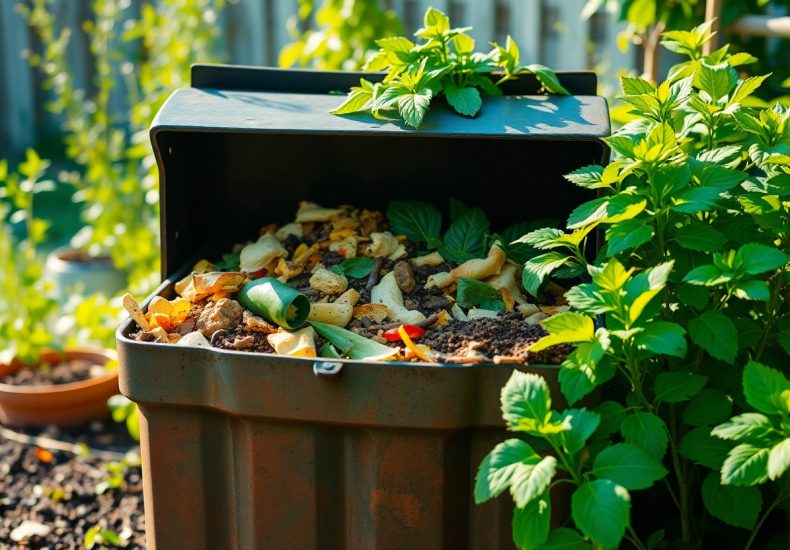
When deciding on a compost bin, consider size, material, and placement. A bin that accommodates your kitchen waste and fits your garden space is vital. Plastic bins are lightweight and manageable, while wooden ones offer durability and aesthetic appeal. Make sure it has a lid to deter pests and adequate ventilation to promote decomposition.
DIY Compost Bin Options
Creating a DIY compost bin can be both cost-effective and satisfying. You can easily repurpose materials like pallets, old bins, or even wire mesh to construct a functional and efficient compost system. A simple pallet bin allows for good airflow while enabling you to access your compost easily, making it an excellent option for beginners.
For your DIY compost bin, consider constructing a three-pallet system. Arrange three wooden pallets in a U-shape, securing them with hinges or stakes. This design provides ample aeration, which is crucial for efficient composting. You can also create a bin from a large plastic storage container by drilling holes in the sides for ventilation. These DIY bins can accommodate varying volumes of waste, allowing you to scale your composting efforts as needed.
The Composting Process
The composting process transforms organic waste into nutrient-rich compost through a natural decomposition method involving various microorganisms. By maintaining a proper balance of materials and ensuring adequate aeration and moisture, you can accelerate this transformation. Ideally, composting takes several weeks to months, depending on factors such as temperature, material size, and your composting method, which can range from simple piles to enclosed bins. Monitoring the conditions will help you achieve the best results for your garden.
Green vs. Brown Materials
Your compost pile needs a mix of green and brown materials to thrive. Green materials, such as vegetable scraps and grass clippings, provide nitrogen, while brown materials, like dried leaves and cardboard, contribute carbon. The ideal ratio is about 2:1 (green to brown), which helps maintain a healthy microbial balance. Too many greens can lead to a smelly, slimy mess, whereas an excess of browns may slow down decomposition. Aim for variety to encourage faster composting.
Turning Kitchen Scraps into Compost
Using your kitchen scraps for composting is both beneficial for the environment and your garden. Start by collecting vegetable peelings, coffee grounds, eggshells, and other applicable waste in a designated container. It’s best to chop larger scraps into smaller pieces to enhance decomposition speed. Layer these with brown materials in your compost bin, ensuring you maintain the right balance. Regularly turning the pile introduces oxygen, which is crucial for the microorganisms that do the work of breaking down your scraps into rich compost.
To effectively turn kitchen scraps into compost, consider using a dedicated compost bin or heap in your garden. Begin by layering your scraps with browns, such as shredded newspaper or dry leaves. Regular aeration, achieved by turning the pile every few weeks, helps speed up the composting process and prevents unpleasant odours. Moisture is key; your compost should feel like a damp sponge. By monitoring these factors, you not only reduce waste but also enrich your soil with valuable nutrients, fostering a more productive garden environment.

Maintaining Your Compost
To ensure your compost is thriving, regular maintenance is crucial. This involves monitoring the balance of ingredients, keeping moisture levels optimal, and turning the compost to expedite decomposition. Aim for a carbon to nitrogen ratio of about 30:1 for best results and check for an earthy smell, indicating a healthy process. Adequate care will result in high-quality compost ready for your garden.
Aeration and Moisture Management
Aeration is fundamental for maintaining healthy compost. Turn your pile every few weeks to introduce oxygen, which accelerates decomposition and prevents odours. Additionally, monitor moisture; the compost should feel like a damp sponge. If it’s too dry, add water slowly, but if too wet, incorporate dry materials like shredded paper to restore balance.
Troubleshooting Common Issues
Occasional problems may arise during composting, impacting efficiency. If your compost smells unpleasant, it may be too wet or lacking aeration. Add dry materials and turn the pile more frequently. Additionally, if decomposition halts, it may signify an imbalance of greens and browns. Adjust the mixture and maintain proper moisture levels to regain activity.
For example, if you notice a foul odour, this often indicates anaerobic conditions due to compacted material or excess moisture. In these cases, turn your compost more regularly and add a high-carbon material, like dried leaves or shredded cardboard, which helps absorb excess moisture and reintroduces necessary air. Conversely, if your compost pile is not heating up, ensure you have the right mix of nitrogen-rich ‘greens’ like kitchen scraps and carbon-rich ‘browns’ like dry leaves for improved microbial activity, leading to effective breakdown and transformation of organic matter into rich compost.
Using Finished Compost
Once your compost has matured, you can enrich your garden with this valuable resource. Applying finished compost not only boosts soil fertility but also enhances water retention and microbial activity. Spread a layer of compost across your garden beds, mix it into the soil before planting, or use it as a top dressing around your plants. For more tips, check out Family Composting 101: Turning Food Scraps into Garden ….
How to Apply Compost in the Garden
To effectively apply compost, work it into the top few inches of soil in your garden beds to ensure nutrients are readily available to your plants. If you’re using it as a top dressing, simply spread a thin layer around the base of existing plants, avoiding direct contact with stems to prevent rot.
Composting and Soil Health
Integrating compost into your garden significantly improves soil structure and health. It increases the organic matter content, which in turn enhances nutrient availability and promotes beneficial microbial activity. Healthy soil is rich in life, improving drainage and aeration, while also suppressing pests and diseases. Studies indicate that composted soils can yield up to 20% more crops compared to non-composted practices, showcasing the powerful impact of nourishing your soil naturally. Frequent application of compost leads not only to healthier plants but also to a more sustainable gardening ecosystem.
Final Words
With this in mind, embracing composting can transform your kitchen scraps into invaluable nutrients for your garden. By understanding the basic principles of composting, you empower yourself to reduce waste while enhancing soil quality and supporting plant health. Starting small with your own organic waste not only contributes to a sustainable environment but also fosters a deeper connection to the food you grow. By incorporating composting into your routine, you are taking significant steps towards a greener lifestyle and fostering the well-being of your garden.
You may also like