DIY Bird Baths and Feeders
DIY bird baths and feeders are an excellent way to attract a diverse range of birds to your garden while providing them with vital resources. By crafting your own, you can tailor their design to complement your outdoor space, ensuring that they are both functional and aesthetically pleasing. You can easily create these bird-friendly features using readily available materials, allowing you to enjoy the soothing presence of birds while contributing to their well-being. This guide will provide you with practical tips and creative ideas to get started on your DIY projects.
Key Takeaways:
- Homemade bird baths and feeders can attract a variety of local bird species, enhancing your garden’s biodiversity.
- Using natural materials and simple designs can create aesthetically pleasing and functional bird amenities.
- Regular maintenance, such as cleaning and refilling, is crucial to ensure the health and safety of visiting birds.
Benefits of Bird Baths and Feeders
Incorporating bird baths and feeders into your garden not only enhances its aesthetic appeal but also provides numerous ecological benefits. By offering water and food sources, you create an inviting environment that encourages a wide variety of bird species to visit. This not only enhances your outdoor space but also contributes to local wildlife conservation and the overall health of avian populations.
Attracting Local Wildlife
By setting up bird baths and feeders, you can significantly boost the diversity of wildlife in your garden. Different bird species are attracted to various feeder types and water features, making your garden a vibrant habitat. You may find sparrows, finches, jays, and even more exotic species in your area, all benefiting from the resources you provide.
Supporting Bird Health
Your efforts in providing sustenance through feeders and hydration via bird baths can greatly enhance bird health in your local area. Regular access to clean water and nutritious food helps birds thrive, particularly during the breeding season and harsh weather. With your contributions, you can assist in stabilising local bird populations and promoting their general well-being.
Healthy birds require consistent access to fresh water and a balanced diet for optimal growth and reproduction. By ensuring your bird baths are cleaned regularly and your feeders filled with high-quality seed blends, you actively participate in their health. Not only do you aid in their hydration, especially in dry spells, but you also help them maintain energy for foraging, nesting, and migration. Providing a reliable food and water source can increase the survival rates of fledglings, promoting a thriving avian community in your vicinity.
Choosing the Right Location
When dicking out a spot for your bird baths and feeders, consider visibility and safety from predators. A location within view of your window allows for enjoyable watching, while being near trees or shrubs provides important cover. For an excellent DIY project, check out DIY a Modern Birdbath to Attract Birds.
Sunlight and Shelter Considerations
Most birds prefer a sunny spot that allows for warming in the morning, but they also need access to shade during the hottest parts of the day. This balance keeps your feathered visitors comfortable and encourages regular visits. Positioning your feeder near tall plants or bushes can provide shelter while ensuring it’s not too exposed.
Accessibility for Birds
The area around your bird baths and feeders should be easy for birds to access without obstructions. Avoid placing them in heavily trafficked areas that could intimidate smaller species. Ensure a clear approach by trimming back aggressive foliage and maintaining a bit of open ground.
Accessibility is key in attracting a variety of birds. Incorporate height differences by placing feeders at varying levels, allowing different species to find their preferred feeding spots. Additionally, a mix of ground feeders, hanging options, and bird baths enhances usability for both flocks and solitary visitors. Keeping these areas clear of debris and providing a clean drinking source further elevates your yard’s appeal to aviary guests.

Materials Needed for DIY Projects
To create effective DIY bird baths and feeders, gather a variety of materials that suit your design needs. Essential items include a sturdy base such as wood or clay, containers for the water or seeds, and different finishes to weatherproof your project. You might also consider decorative stones, non-toxic paints, and mesh for keeping food secure. Selecting the right materials enhances both functionality and aesthetic appeal in your garden.
Safe and Durable Supplies
Your bird bath and feeder should be made from safe, non-toxic materials to protect visiting birds. Opt for untreated wood, which can withstand outdoor conditions without harmful chemicals leaching into the food or water. When choosing metal parts, ensure they are rust-resistant to guarantee longevity. Additionally, glass jars or bowls can be excellent options for easy cleaning and aesthetic value, while also being safe for feathered friends.
Tools Required for Assembly
Gathering the right tools is key to a smooth assembly process. You will need a drill for making holes and attaching components, screws for secure fittings, and a saw for cutting materials to the desired size. A measuring tape ensures accuracy, while sandpaper helps to smooth rough edges. Adopting a methodical approach with the correct tools saves time and contributes to a more professional finish.
Having the right tools not only simplifies the assembly of your bird baths and feeders but also elevates the quality of your final product. A power drill is particularly useful for quickly making holes in tougher materials like wood or plastic. A hand saw or power saw can accurately cut pieces to the right dimensions, which is crucial for stability. Don’t overlook simple tools like screwdrivers and pliers, which are fundamental for tightening screws and making adjustments. With these tools at hand, you’ll be well on your way to creating functional and visually appealing bird amenities.
Designing DIY Bird Baths
Effective design is key to creating bird baths that attract a variety of species while enhancing the aesthetics of your garden. Focus on materials that blend with your surroundings, and ensure the structure can withstand the elements. The depth of the water should be shallow enough for smaller birds to access easily. Incorporating features like stones or sloped edges can help birds feel secure while bathing, encouraging them to visit regularly.
Simple Bowl Styles
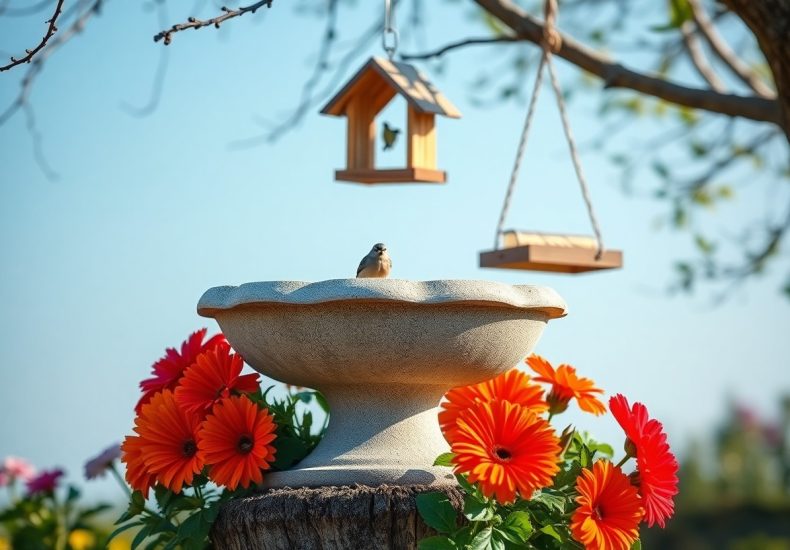
Simple bowl styles are highly effective and can be made from various materials, including terracotta, ceramic, or even recycled items like old frying pans. The bowl should be adequately wide, typically around 30-40 cm, with a depth of up to 5 cm, to attract a range of birds. Elevating the bowl slightly on a pedestal or placing it on a flat surface ensures easy access while keeping it visible to you and potential visitors.
Creative Garden Ideas
Integrating innovative elements into your bird bath design can elevate your garden’s charm. For example, consider a multi-tiered bird bath, where distinct levels cater to different bird species. Alternatively, you can craft a whimsical fairy garden-inspired bird bath complete with miniature figures. Additionally, incorporating natural stones or branches provides birds with landing spots, enhancing usability and encouraging bathing behaviour.

Crafting DIY Bird Feeders
Creating your own bird feeders not only provides a food source for local wildlife but also allows for a personal touch in your garden. You can easily transform everyday materials into effective feeders that attract a variety of bird species. These projects can be a fun way to engage with nature while contributing to your local ecosystem. Simple designs can be made from recycled items, ensuring that your efforts are environmentally friendly and cost-effective.
Easy-to-Make Feeders
Start with straightforward designs that utilise common household items. For instance, a milk carton bird feeder can be crafted by cutting openings in the sides and filling it with seeds. Hang it using twine, and you’ve got an inexpensive feeder that can attract finches and sparrows. Using peanut butter and birdseed on a pine cone creates a tasty treat for various birds, making these easy projects perfect for all ages.
Innovative Feeder Designs
For a unique twist, consider innovative feeder designs that stand out in your garden. Elevating the idea of traditional feeders, a bottle feeder can be made from a simple plastic bottle with a few drilled holes to dispense seeds. Hanging feeders made from recycled glass or robust wooden structures add character while offering functionality. You can also experiment with designs such as balcony planters that incorporate feeding stations, providing a dual purpose while attracting birds to your space.
Innovative feeder designs embrace creativity while ensuring practicality. For instance, a squirrel-proof feeder may utilise a weight-sensitive perching mechanism, allowing small birds access while deterring larger animals. Additionally, building a window feeder offers an excellent opportunity for close-up birdwatching and can easily be made by attaching a clear plastic box to your window with suction cups. These unique approaches not only enhance the feeding experience but also encourage biodiversity in your area, making your garden a vibrant habitat.
Maintenance and Care
Regular maintenance of your bird baths and feeders is important to ensure they remain inviting for feathered visitors. Keeping them clean and well-stocked not only supports the birds’ health but also enhances your outdoor space. For tips on creating effective bird baths, check out 8 DIY Bird Baths.
Keeping Bird Baths Clean
To prevent the growth of algae and bacteria, clean your bird baths at least once a week. Use a mild solution of vinegar and water and a scrub brush to remove any debris or build-up. Rinse thoroughly to ensure no cleaning residues remain, as these can be harmful to birds.
Refilling and Protecting Feeders
Ensure your feeders are refilled every few days, especially during peak feeding times in the spring and summer. Consider placing feeders in sheltered locations to protect them from the elements and potential predators. Keep seeds in airtight containers to maintain freshness and prevent mould.
To further enhance the protection of your feeders, choose feeder types with weather-resistant materials and designs that deter squirrels. Installing baffles can help prevent unwanted visitors, ensuring that your feeders remain accessible to birds. Regularly check for clogs or blockages, as seeds can clump together, particularly in damp conditions. A well-maintained feeder invites more visitors and contributes to a thriving garden ecosystem.
Final Words
Following this, creating DIY bird baths and feeders offers you an enjoyable way to enhance your garden while supporting local wildlife. By using readily available materials, you can design functional and aesthetic features that attract a variety of birds. This not only provides them with important resources but also enriches your outdoor space as you observe their behaviour. Embrace this rewarding hobby, and you’ll cultivate a thriving environment that benefits both you and the avian visitors you welcome.
FAQ
Q: What materials are best for building a DIY bird bath?
A: The best materials for a DIY bird bath include concrete, ceramic, stone, or recycled plastic. Each material offers durability and can withstand various weather conditions. It’s important to ensure the bird bath is safe and non-toxic for birds.
Q: How deep should a DIY bird bath be?
A: A DIY bird bath should ideally be about 5–10 cm deep to accommodate bird species of different sizes while preventing drowning. Adding shallow areas will encourage smaller birds to bathe safely.
Q: What type of feeder attracts the most birds?
A: Tube feeders and platform feeders are among the most effective in attracting a variety of birds. Tube feeders are great for seeds like sunflower hearts, while platform feeders can accommodate multiple seed types and spillover food.
Q: How should I maintain my DIY bird bath?
A: Regular maintenance of a DIY bird bath includes cleaning it every few days to prevent algae growth and ensure fresh water is available. Additionally, changing the water regularly will encourage birds to visit frequently.
Q: Can I paint my DIY bird feeder or bird bath?
A: Yes, you can paint your DIY bird feeder or bird bath, but use non-toxic, water-based paints. Avoid using glossy finishes that may cause reflections harmful to birds; opt for matte, earthy colours that blend with the environment.
You may also like