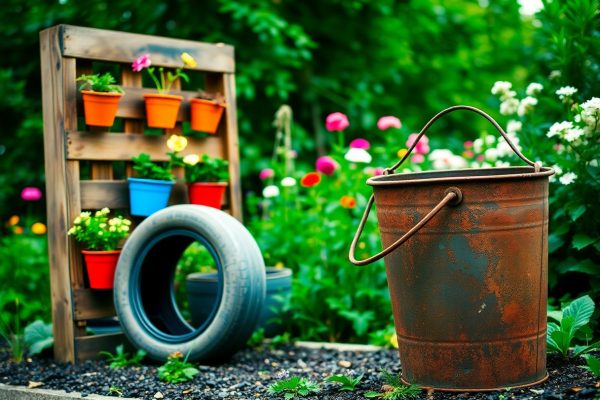
Simple Garden Art Projects for the Outdoors
Outdoors, your garden can become a vibrant showcase of creativity with simple art projects that enhance its beauty. By adding personal touches through DIY garden art, you can transform ordinary spaces into extraordinary retreats. This guide offers various ideas that are accessible and enjoyable, allowing you to express your artistic flair while enriching your outdoor environment. Each project encourages you to utilise materials you may already have, making it easy to cultivate a unique garden that reflects your style.
Key Takeaways:
- Incorporating recycled materials can create unique and eco-friendly garden art.
- Simple techniques like painting or arranging stones can add personal flair to outdoor spaces.
- Garden art can enhance the aesthetic appeal and invite creativity into your gardening experience.
Benefits of Garden Art
Incorporating garden art into your outdoor space offers numerous benefits, from enhancing your environment to fostering a sense of well-being. Engaging with garden nature art not only brightens your landscape but also encourages personal expression and creativity.
Enhancing Aesthetic Appeal
Your garden can transform into a stunning visual display through the addition of art installations. Elements like colourful sculptures or decorative planters draw the eye and invite curiosity, creating focal points that enhance the overall beauty of your outdoor space.
Promoting Creativity and Expression
Garden art serves as an outlet for your creativity and allows you to express your personality. By experimenting with various styles and materials, you can create pieces that reflect your tastes and inspire others. You might even find that engaging in these projects improves your mood and reduces stress, adding a therapeutic element to gardening.
Moreover, the process of creating garden art encourages you to think outside the box. You could use everyday items or natural materials, leading to unique pieces that tell a story. Workshops and community projects often bring together like-minded individuals, further enhancing your skills and fostering collaboration, which can lead to new artistic ideas and sustainable practices. Through these experiences, your garden becomes not just a space for plants, but a canvas for your imagination.
Materials for Garden Art
Your choice of materials can greatly influence the overall aesthetic and message of your garden art. From colourful and vibrant options to natural and understated elements, the right materials will reflect your personality and creativity. Consider durability, weather resistance, and environmental impact as you select items for your projects. Whether you lean towards recycled treasures or natural finds, the variety available allows for endless possibilities in design.
Recycled and Upcycled Items
Using recycled and upcycled items not only adds character to your garden art but also promotes sustainability. Everyday objects, such as tin cans, glass bottles, and wooden pallets, can be transformed into stunning pieces with a bit of creativity. A simple paint job or clever assembly can turn these cast-offs into striking focal points that convey your commitment to environmental responsibility.
Natural Materials
Natural materials are an excellent choice for creating harmonious garden art that blends seamlessly with your outdoor space. Stones, twigs, and leaves can be used in their organic forms or enhanced with minimal treatment. They provide not just visual interest, but also complement the existing flora, creating a cohesive environment that celebrates nature.
Incorporating natural materials offers numerous benefits, enhancing the theme of your garden while maintaining ecological balance. For instance, local stones can bring a sense of place, while driftwood adds a unique texture and story. You might forage for interesting shaped branches or use fallen leaves as stencils for prints. This approach not only fosters a connection to the environment but also reflects a personal touch in your artistic expression. Such elements often change with the seasons, providing evolving beauty that keeps your garden engaging year-round.
Easy DIY Garden Art Projects
Transforming your garden into an artistic haven is simple with a few easy DIY projects that require minimal materials and time. These creative endeavours not only enhance the beauty of your space but also allow you to express your personality. From painting natural elements to crafting personalised signs, these projects are ideal for gardeners of all skill levels, inviting you to probe the world of outdoor art with confidence.
Painted Rocks and Stones
Using painted rocks and stones is a delightful way to add personality to your garden. You can gather smooth stones and use outdoor paint to create vibrant designs, characters, or even inspirational quotes. This simple project allows you to inject colour into your garden, while each stone becomes a unique reflection of your creativity. Position them along pathways or nestle them among your plants for a charming touch.
Garden Signs and Markers
Garden signs and markers are excellent for personalising your space and enhancing organisation. Using reclaimed wood, metal, or even ceramic tiles, you can create clear indicators for your plant varieties or whimsical signs that express your gardening philosophy. Custom signs not only inform visitors but also add an artistic flair to your landscape.
In crafting garden signs, consider using a mix of materials for a rustic look. For example, repurposed wooden pallets can serve as a backdrop for painted or engraved messages, while decorative plant markers can be fashioned from spoons or wine corks. Including plant names, growing tips, or even catchy phrases like “Welcome to my garden” helps cultivate a welcoming atmosphere. Customisation options are endless, allowing you to refresh your garden’s identity each season while keeping plants well identified.
Seasonal Garden Art Ideas
Adapting your garden art to the changing seasons adds dynamic interest and invites a vibrant atmosphere throughout the year. Explore artistic inspirations that reflect the essence of spring, summer, autumn, and winter, each offering unique projects that enhance the natural beauty of your outdoor space.
Spring Flower Sculptures
Spring brings an explosion of colour to your garden, making it the perfect time to create flower sculptures. Use reclaimed materials like old buckets, tin cans, or wood to construct eye-catching blooms that resonate with the season’s renewal. Paint these sculptures in lively shades and arrange them throughout your garden for a whimsical touch.
Winter Themed Decorations
During winter, your garden can transform into a frosty wonderland with themed decorations that add beauty despite the cold. Consider crafting outdoor lanterns from recycled glass jars or hanging ornaments made from natural elements, ensuring your garden remains captivating and inviting during the chilly months.
For winter themed decorations, utilise seasonal materials like pine cones, twigs, or even branches, which can be fashioned into stunning centrepieces or hanging installations. Incorporating fairy lights within these creations can illuminate your garden, providing warmth and charm on cold evenings. Additionally, consider using weather-resistant paints to maintain these adornments, ensuring they withstand the elements while beautifying your outdoor space all season long.

Incorporating Art into Garden Design
Art in your garden design elevates the space, weaving creativity with nature. By incorporating artistic elements, you create unique experiences that offer visual delight and playfulness. This can be achieved through sculptures, mosaics, or painted pots that interact harmoniously with the natural surroundings. The key is to blend these artistic touches seamlessly with your garden’s overall aesthetic, fostering a cohesive atmosphere that draws the eye and engages the senses.
Focal Points and Visual Flow
Establishing focal points, such as a striking sculpture or a decorative water feature, directs your visitors’ attention and creates a sense of harmony in your garden. These elements guide the eye throughout the space, encouraging exploration and appreciation of your art and plantings. Position your focal points strategically, using them to enhance pathways or seating areas, ensuring that each sightline complements the overall design.
Integrating with Planting
Your garden art should complement your planting schemes, creating a dialogue between the two. Consider using sculptures or art pieces that echo the colours and shapes of your plants, establishing unity within the garden. For example, a vibrant ceramic birdhouse can resonate with blooming flowers, while a metal trellis might reflect the structure of climbing plants. Pay attention to the textures in both the art and foliage, ensuring they work together to enhance the garden’s aesthetic appeal.
When integrating art with planting, think about seasonal changes in your garden. Select artworks that can serve as visual anchors during different times of the year, ensuring year-round interest. Layering textures and colours enhances the dynamic between your plants and garden art; for instance, a smooth stone pathway can contrast beautifully with fluffy ornamental grasses. Consider the scale of your art pieces as well—oversized sculptures may become overpowering amidst delicate blooms, while smaller accents can be tucked away, inviting curiosity and discovery. This thoughtful integration allows your garden to evolve, maintaining its allure throughout the seasons.

Maintenance of Garden Art
Proper maintenance of garden art ensures its longevity and continued aesthetic appeal. This includes regular cleaning, inspecting for damage, and taking preventative steps to shield your creations from the elements. By staying proactive, you can preserve the beauty and function of your unique outdoor decor, making it a lasting feature in your garden for years to come.
Weatherproofing Techniques
To protect your garden art from the elements, consider applying a weatherproof sealant or protective coating tailored to the materials used. For painted items, select outdoor-specific paints that offer UV protection. Positioning art away from direct exposure to harsh weather conditions, such as heavy rain or extreme sunlight, can also prolong their lifespan.
Care and Restoration Tips
Regular care involves cleaning your garden art with mild soap and water to avoid build-up of dirt and grime. For restoration, consider repainting or re-sealing items that show signs of wear. In cases of damage, repairing rather than replacing can preserve the sentimental value of your creations. Assume that proactive care can significantly extend the life of your garden art.
- Use soft brushes for delicate pieces.
- Check for signs of rust or decay.
- Replace cracked items when necessary.
- Store seasonal items indoors to prevent damage.
- Assume that even small repairs can enhance longevity.
Additionally, you may wish to include a protective barrier, such as an acrylic spray, before placing art outside. Regularly revisit your creations for minor touch-ups, maintaining their vibrancy and structural integrity. Regularly assessing their condition, keeping a maintenance schedule, can be highly beneficial. Assume that consistent attention will go a long way in preserving your artistic investments.
- Inspect items weekly for wear and tear.
- Clean artworks at least twice a year.
- Restore faded colours post-season.
- Consider the weather when planning outdoor displays.
- Assume that a little care can prevent major repairs.
Summing up
So, engaging in simple garden art projects not only enhances the beauty of your outdoor space but also provides a rewarding creative outlet. By integrating personal touches such as painted stones, DIY garden stakes, or upcycled materials, you can transform your garden into a unique reflection of your style. These projects are often cost-effective and easily achievable, allowing you to enjoy your gardening experience while adding character and charm to your surroundings.
FAQ
Q: What materials are recommended for simple outdoor garden art projects?
A: Common materials include repurposed items such as tin cans, wooden pallets, stones, and paint. Additionally, you can use clay, wire, and mesh for various artistic creations.
Q: How can I create wind chimes for my garden?
A: To create wind chimes, gather materials like metal or wooden rods, beads, and a sturdy string. Cut the rods to different lengths for varied pitches, drill holes for the string, and hang them securely to allow them to chime in the wind.
Q: What are some easy ideas for garden sculptures?
A: You can make sculptures using old household items, such as stacking tyres, painting rocks, or using chicken wire to shape forms. A simple method is to create a bird or animal from a plastic bottle and paint it to add character.
Q: How can I incorporate planters into my garden art?
A: Use creative containers as planters, such as shoes, old teapots, or wooden crates. Paint or decorate them before planting to create unique displays that blend functionality with art.
Q: Are there any eco-friendly options for garden art projects?
A: Yes, eco-friendly projects include creating art from recycled materials, using natural found objects like driftwood and stones, or planting flowers in biodegradable containers. These options can enhance the garden while being sustainable.
You may also like