Companion Planting in Edible Landscaping – Boost Yield and Aesthetics
There’s an effective way to enhance both the productivity and beauty of your garden: companion planting. By strategically pairing compatible plants, you can create a harmonious ecosystem that promotes growth, deters pests, and improves soil health. This method not only maximises your yield but also adds visual interest to your edible landscape. In this post, you’ll discover the fundamentals of companion planting and how to implement it in your garden for optimum results.
Key Takeaways:
- Companion planting enhances crop yield by improving pollination, repelling pests, and optimising nutrient uptake.
- Certain plant combinations can improve the aesthetic appeal of gardens while providing functional benefits.
- Strategic planting decisions foster biodiversity, promoting a healthier and more resilient ecosystem in edible landscapes.
Understanding Companion Planting
Incorporating companion planting enriches your edible landscape by strategically pairing plants that support each other’s growth. This method not only maximises yield but also contributes to more vibrant aesthetics, creating a lush, harmonious environment in your garden. By selecting the right companions, you can deter pests, improve soil health, and enhance the overall resilience of your crops.
Definition and Benefits
Companion planting involves the practice of growing different plants close together for mutual benefits, such as pest control, pollination, and improved nutrient uptake. This technique can significantly increase crop yields while promoting biodiversity, ultimately leading to a more sustainable and attractive garden space.
Historical Context
Companion planting has ancient roots, with evidence of its practice found in traditional agricultural methods across various cultures. Indigenous peoples of North America, for example, utilised the “Three Sisters” method, planting corn, beans, and squash together, which provided a sustainable food source and efficient land use.
Historically, many civilisations recognised the advantages of companion planting. The ancient Egyptians and Chinese cultivated plants together to enhance growth and deter pests, while European gardeners in the Middle Ages often paired herbs with vegetables for both culinary and protective purposes. This agricultural knowledge, passed through generations, emphasises the inherent synergy found in nature and the importance of cultivating relationships between plants rather than viewing them in isolation. Today, scientific research continues to validate these traditional practices, confirming the effectiveness of companion planting in modern sustainable farming and gardening techniques.
Choosing Compatible Plants
Selecting plants that harmonise well together is vital for maximizing both yield and visual appeal. Your choices should be based on several factors, including growth habits, nutrient requirements, and pest deterrence capabilities. By pairing plants with complementary characteristics, you can create a flourishing environment that reduces competition while enhancing biodiversity. For instance, consider how tall plants might provide shade for those that thrive in lower light, or how deep-rooted varieties can access different soil nutrients without overlapping with shallower roots.
Vegetables and Herbs
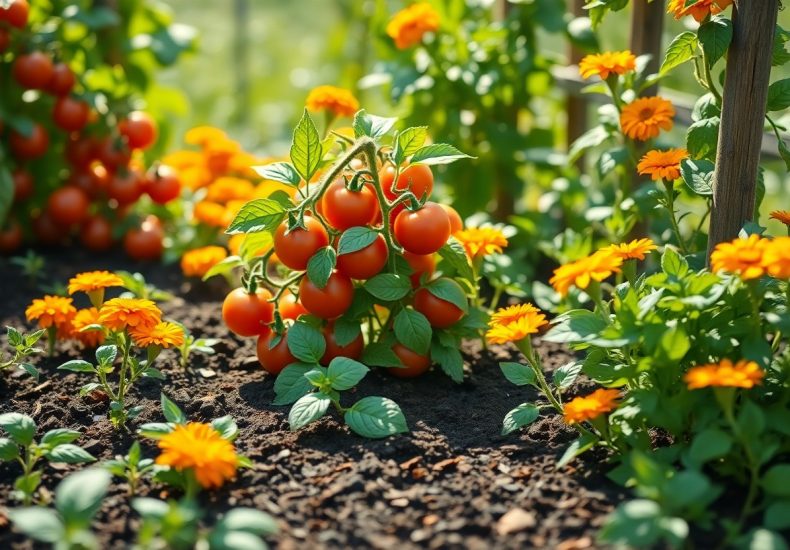
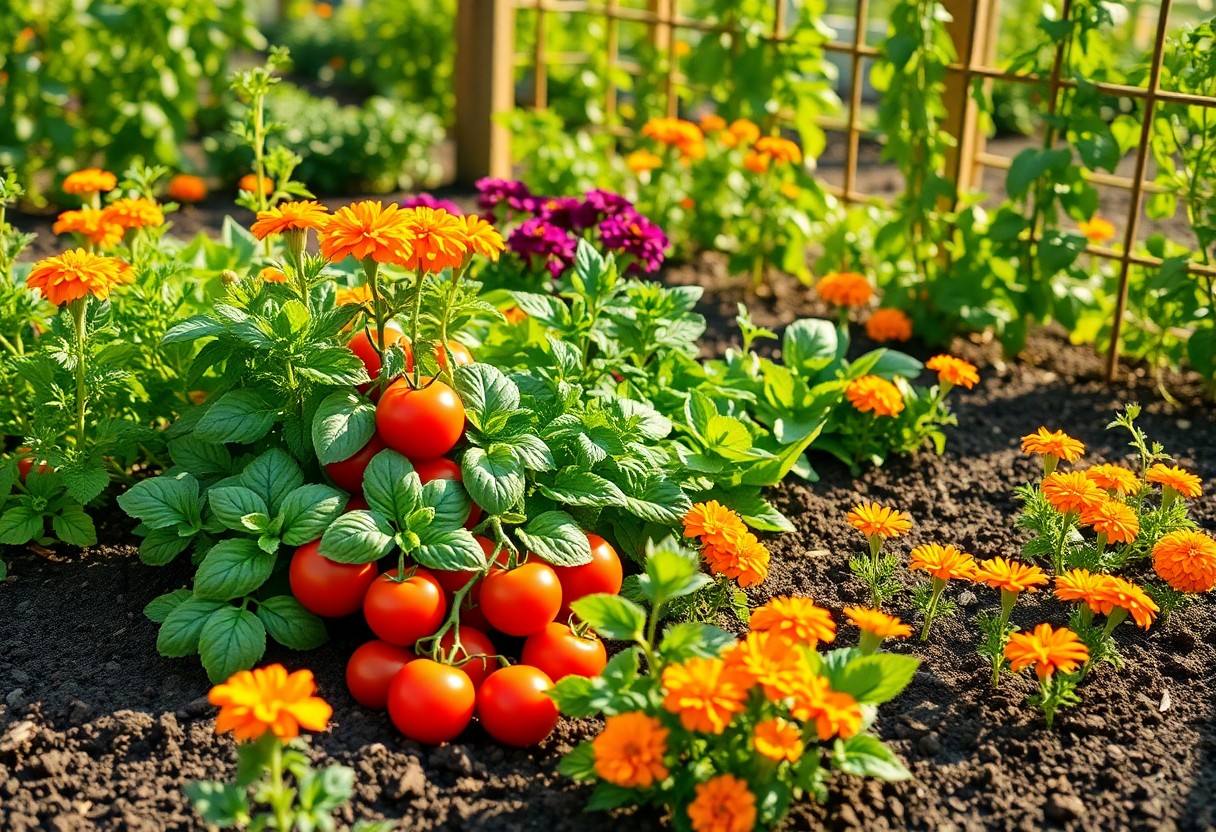
When integrating vegetables and herbs, opt for combinations that enhance flavour and deter pests. For instance, planting basil alongside tomatoes not only improves the tomatoes’ taste but also repels aphids and hornworms. Similarly, interspersing carrots with chives can promote healthier growth, as the chives help ward off carrot flies while benefitting from the companionship in terms of nutrient absorption.
Flowers and Foliage
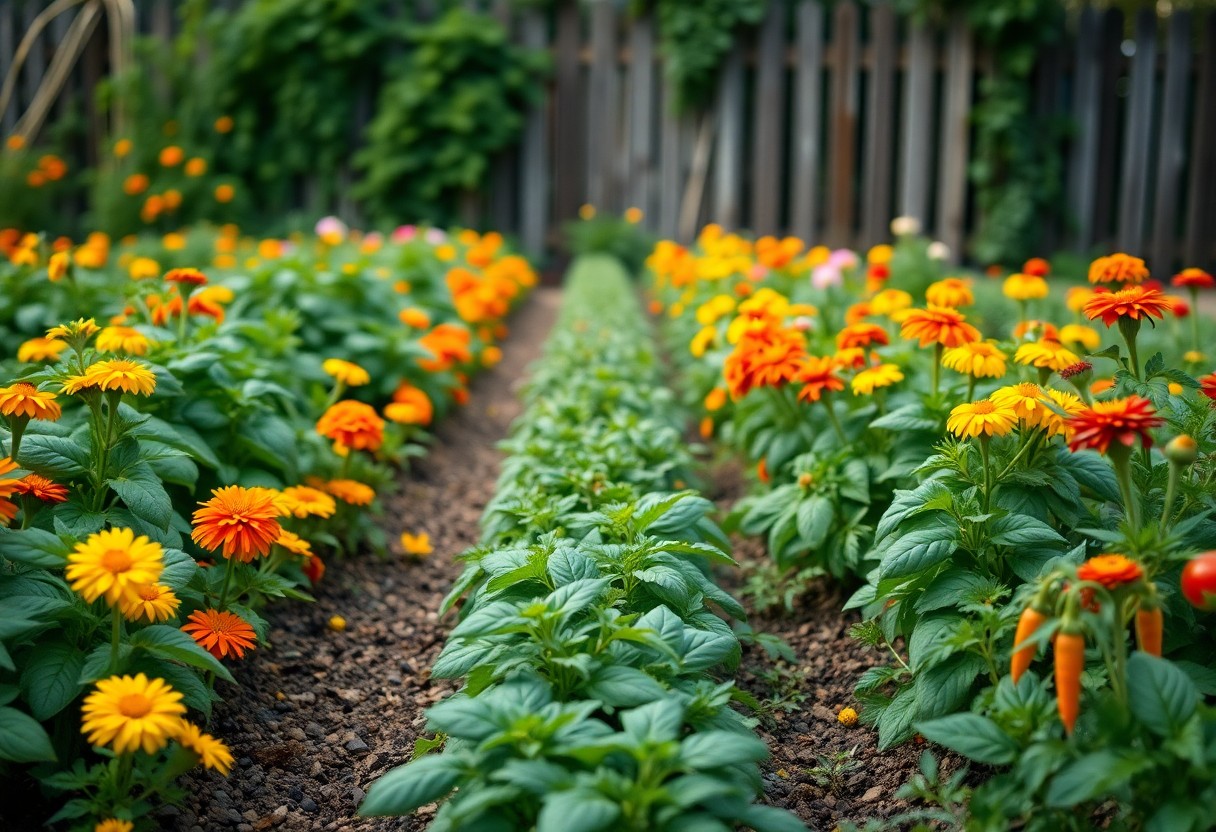
Incorporating flowers and attractive foliage is an excellent strategy for enhancing your edible landscape’s aesthetics and functionality. Flowers like marigolds and nasturtiums not only add vibrant colours but also attract beneficial pollinators and deter harmful pests. Planting these alongside your vegetables not only beautifies your garden but also encourages a thriving ecosystem that supports growth and biodiversity.
Flowers such as nasturtiums and marigolds can serve dual purposes in your garden. Not only do they contribute vivid splashes of colour, but their ability to attract pollinators like bees promotes increased fruit and seed production in nearby vegetables. Furthermore, nasturtiums can act as a living mulch, suppressing weeds while their leaves and blooms are entirely edible, adding zest to salads. The synergistic effects of combining ornamental and edible plants create a bountiful and visually appealing landscape, enhancing your gardening experience.
Boosting Yield Through Companion Planting
Utilising companion planting can significantly enhance your garden’s productivity. By strategically pairing plants, you create a symbiotic environment that maximises growth and yield. For instance, planting tomatoes alongside basil not only boosts flavour but also promotes healthier tomato plants. Explore more on Edible Landscape Design: Integrating Food Production into … for practical insights.
Pest Control
Companion planting is an effective strategy for pest management. Certain plants act as natural repellents, deterring harmful insects and diseases. For example, marigolds repel nematodes and aphids, protecting neighbouring crops and reducing the reliance on chemical pesticides.
Nutrient Sharing
Nutrient sharing occurs when different plants contribute to a balanced soil ecosystem, improving overall fertility. For instance, legumes like peas and beans fix nitrogen in the soil, which benefits nutrient-hungry crops such as corn and peppers. This mutual benefit enhances growth and can lead to larger harvests.
Nutrient sharing is a powerful concept that can transform your garden. When you plant legumes alongside other vegetables, they replenish crucial nutrients like nitrogen, which is vital for leafy green growth. As they decompose, they enrich the soil, ensuring your subsequent crops have the nutrients they need for optimum health and yield. This practice not only supports better plant development but also minimises the need for synthetic fertilisers, fostering a more sustainable gardening practice.
Enhancing Aesthetics in Edible Landscapes
When you incorporate edible plants into your landscape, aesthetics can flourish alongside functionality. By carefully selecting plant combinations and arranging them thoughtfully, your garden not only becomes a source of food but also a visual delight. With a variety of textures, sizes, and colours, your edible landscape can create a vibrant tapestry that enhances any outdoor space.
Color Combinations
Strategic colour pairings can elevate your garden’s appeal, transforming it into a living palette. Consider planting purple basil beside bright yellow marigolds or juxtaposing red peppers with green courgettes. These contrasting hues draw the eye and add visual interest throughout the growing season.
Seasonal Layers
Implementing seasonal layers in your edible landscape provides a dynamic aesthetic that changes over time. By selecting plants that peak at different times, you create a continuously evolving display, ensuring there is always something captivating to admire, whether in bloom or harvest.
For instance, layering spring bulbs like garlic and onions with summer vegetables such as tomatoes and cucumbers introduces a diverse range of heights and colours to your garden. As winter approaches, consider integrating hardy greens like kale and Swiss chard, which not only provide visual interest but will also thrive in cooler temperatures, ensuring your landscape remains alluring throughout the year.
Practical Implementation Strategies
Implementing companion planting in your edible landscape requires thoughtful planning and organisation. Begin by identifying plant pairings that benefit each other, maximising yield and minimising pests. Make use of vertical gardening to optimise space, allowing for a diverse range of plants. Consider seasonal rotations to keep soil healthy and pest numbers low, ensuring an ongoing cycle of productivity.
Garden Layouts
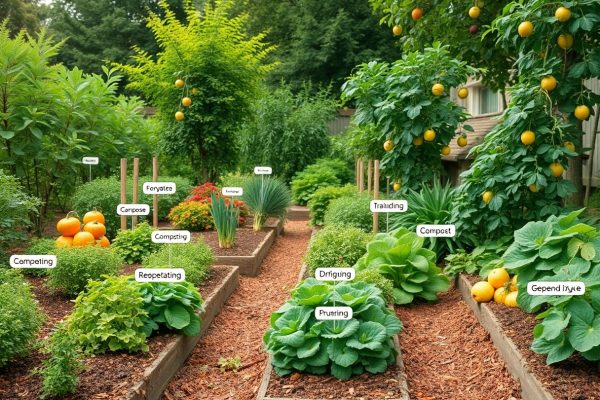
Your garden layout should facilitate accessibility and maximise sunlight for all plant varieties. Opt for raised beds or intercropping methods, allowing companions to thrive in close proximity. Aim for a diverse arrangement that blends short and tall plants, creating both a visually appealing and functional growing environment.
Maintenance Tips
Regular maintenance is necessary for sustaining a thriving companion plant system. Ensure plants receive adequate water, especially during dry spells, and apply mulch to conserve moisture. Monitor for pests and diseases, acting swiftly to address any issues that arise to prevent loss of yield.
- Establish a consistent watering schedule to keep plants healthy and productive.
- Use organic pest deterrents for environmentally friendly control.
- Rotate plant placements annually to maintain soil fertility.
- Perceiving the importance of regular pruning can encourage healthy growth.
Integrating regular check-ups into your gardening routine can enhance the overall health of your plants. Create a calendar for specific tasks, such as checking soil pH and nutrient levels. Observing the interactions between companion plants allows you to make timely adjustments, optimising both growth and aesthetic appeal.
- Keep a gardening journal to track plant performance and changes in health.
- Consider companion planting to create natural barriers against pests.
- Incorporate organic fertilisers to promote nutrient-rich soil.
- Perceiving the value of patience is key as companion plants establish over time.
Case Studies and Examples
Exploring real-world applications of companion planting highlights its benefits in maximising both yield and visual appeal. Numerous case studies showcase effective pairings that produce tangible results. For instance, a study in an urban garden reported a 30% increase in tomato yield when planted alongside basil. Similarly, an experimental farm noted a 20% reduction in pests for carrots planted with onions. For further insights, refer to Foodscaping | How to Create an Edible Landscape.
- Urban Community Garden: 30% yield increase in tomatoes with basil companion.
- Experimental Farm: 20% pest reduction in carrots planted with onions.
- Vegetable Lot: 25% growth boost in beans when paired with corn.
- Backyard Orchard: 40% more apples when interplanted with marigolds.
Successful Companion Planting Scenarios
In successful companion planting scenarios, strategic pairings enhance growth and deter pests. For example, marigolds are often planted with tomatoes to ward off nematodes, ensuring healthy plants. Similarly, planting peas with carrots improves nitrogen levels in the soil, benefitting both crops. By carefully selecting combinations, you can create a thriving ecosystem that yields abundant harvests.
Common Mistakes to Avoid
Avoiding common mistakes in companion planting can significantly affect your garden’s success. One frequent error is planting incompatible species too close together, leading to competition for nutrients and light. Additionally, overlooking seasonal timing can hinder growth; some plants thrive together in certain seasons but not others. Careful planning is necessary to ensure optimal outcomes.
One common mistake is underestimating the space required between different plants. Incorrect spacing not only diminishes growth potential but can also lead to increased susceptibility to pests and diseases due to overcrowding. Another oversight is failing to research the specific needs of each companion plant, which can result in poor partnerships. Understanding each plant’s growth habits and environmental preferences is key to successful companion planting.
Conclusion
Presently, integrating companion planting into your edible landscaping offers a practical approach to enhancing both yield and aesthetics. By strategically pairing plants, you can improve nutrient availability, deter pests, and create visual appeal in your garden. Embracing these relationships not only helps you maximise productivity but also fosters a healthier ecosystem, allowing you to enjoy a flourishing garden that delights the senses and enriches your culinary experiences.
You may also like