Edible Ground Covers – Replace Lawns with Tasty Alternatives
Over the years, traditional lawns have become less appealing due to their high maintenance needs and environmental impact. You can transform your outdoor space by replacing grass with edible ground covers that not only provide visual interest but also yield delicious produce. By choosing plants like clover, creeping thyme, or strawberry, you will cultivate a sustainable garden that enhances your landscape while offering culinary benefits. This shift promotes biodiversity and reduces your reliance on chemical treatments, making your gardening efforts both eco-friendly and rewarding.
It’s time to rethink your garden space by considering edible ground covers as a sustainable alternative to traditional lawns. These diverse plants not only provide visual appeal but also offer a variety of flavours and nutrients for your table. By replacing grass with low-maintenance, productive ground covers, you can enhance your landscape while contributing to a more eco-friendly environment. Explore the benefits and options that await in edible ground covers, transforming your garden into a delicious haven.
Key Takeaways:
- Edible ground covers can provide a sustainable alternative to traditional lawns, offering food production alongside aesthetic appeal.
- Diverse options such as clover, creeping thyme, and strawberries can enhance biodiversity while requiring less maintenance and water than standard grass lawns.
- Incorporating edible ground covers can contribute to local food security and encourage sustainable gardening practices.
Key Takeaways:
- Edible ground covers provide a sustainable alternative to traditional lawns, reducing water and maintenance requirements.
- Popular choices include creeping thyme, strawberries, and mint, which can enhance both the garden’s aesthetics and culinary use.
- Transitioning to edible ground covers encourages biodiversity and supports local pollinators, promoting a healthier ecosystem.
Benefits of Edible Ground Covers
Edible ground covers not only enhance the beauty of your garden but also offer numerous benefits. They reduce the need for chemical fertilisers and pesticides while providing food sources, enhancing biodiversity, and supporting pollinators in your area. By replacing traditional lawns with edible alternatives, you gain a practical and environmentally friendly landscape that fosters both wellness and sustainability.
Environmental Advantages
Using edible ground covers can significantly improve soil health and reduce erosion. Native species require less water and are more resilient to local pests, which encourages a more balanced ecosystem. Your garden can contribute positively to local biodiversity, and by attracting beneficial insects, it can help reduce the reliance on chemical inputs, promoting a healthier environment.
Nutritional Value
Edible ground covers provide a variety of nutrients crucial for your diet. Plants like clover, creeping thyme, and strawberries not only produce delicious fruits but also enrich your meals with vitamins, minerals, and antioxidants. They deliver fresh produce straight from your garden, ensuring that you consume healthier options while also enjoying a diverse array of flavours.
For instance, strawberries contain significant amounts of vitamin C, manganese, and folate, while creeping thyme is rich in antioxidants and has antimicrobial properties. Incorporating these plants into your landscape allows you to harvest fresh eats with minimal effort, transforming your outdoor space into a personal food source. As you munch on the tasty offerings, you also benefit from the immediate rewards of gardening, such as improved well-being and a connection to nature.
Benefits of Edible Ground Covers
Opting for edible ground covers offers you a multitude of benefits, from reducing lawn maintenance to enhancing biodiversity. Your garden becomes a source of sustenance, all while requiring less water and chemicals than traditional turf. These plants not only beautify your space but can also provide a steady supply of fresh herbs and vegetables. For more insights, check out What is a type of ground cover can plant in your yard in place of grass and is also edible.
Environmental Advantages
Edible ground covers contribute positively to the environment. They can improve soil health by preventing erosion, enhancing water retention, and promoting beneficial microorganisms. By reducing the need for chemical fertilisers and pesticides, you foster a healthier ecosystem. Additionally, these plants can attract pollinators, supporting local wildlife and creating balanced biodiversity in your garden.
Nutritional Value
Choosing edible ground covers can greatly enrich your diet. Many options offer high levels of vitamins and minerals, making them a nutritious addition to your meals. For instance, herbs like creeping thyme and mint not only provide flavour but also boast properties beneficial for digestion and overall health.
Consider plants like strawberry ground cover, which not only yields delicious fruit but also offers antioxidants and vitamins C and A. Similarly, clover can fix nitrogen in the soil while providing important nutrients to your diet. Incorporating these varieties into your garden allows you to enjoy tasty, homegrown produce while reaping the nutritional benefits they provide. Each bite becomes a testament to your garden’s versatility and your commitment to healthy living.
Popular Edible Ground Cover Choices
Several edible ground covers can transform your garden, offering both flavour and visual appeal. Each of these plants not only provides a beautiful carpet for your landscape but also delightfully contributes to your culinary repertoire, making them ideal alternatives to traditional grass lawns.
Creeping Thyme
Creeping thyme thrives in sunny areas, forming a dense mat that can withstand foot traffic. This hardy herb releases a fragrant aroma when walked upon and produces tiny purple flowers that attract pollinators. Besides its aesthetic charm, you can easily snip some leaves for seasoning meats and vegetables, adding a lovely flavour to your dishes.
Strawberry Plants
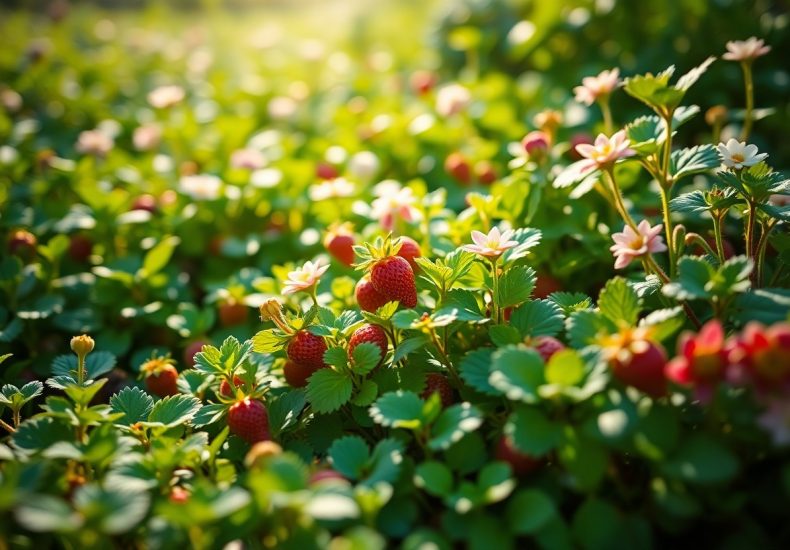
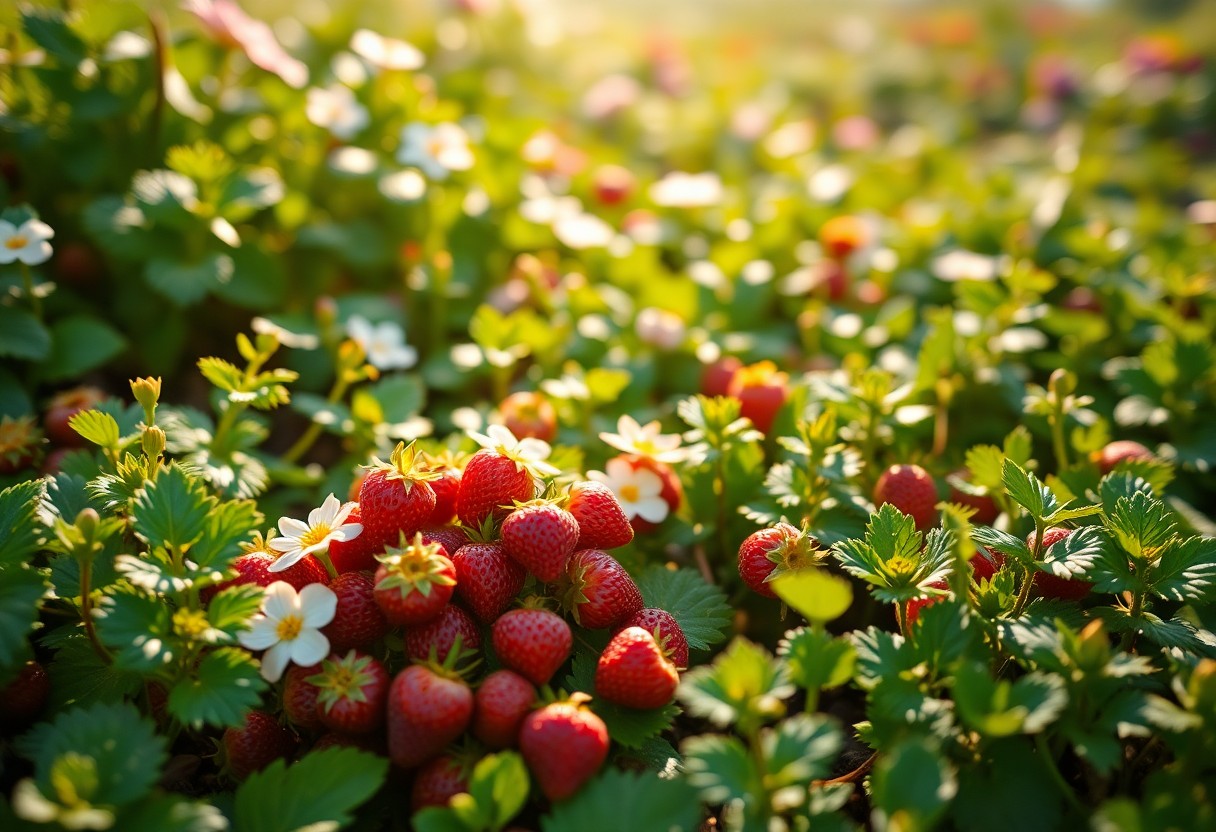
Strawberry plants not only bear succulent fruit but also act as an excellent ground cover, spreading broadly while producing a lush green carpet. With some varieties hardened enough to endure cold winters, they provide a bountiful harvest in your garden during warmer months, making them a delightful addition to borders and paths.
These plants thrive in well-drained soil and full sun exposure, yielding sweet strawberries that are ideal for fresh eating, preserves, or desserts. You can choose from everbearing or June-bearing types, allowing for continuous harvesting or an abundant single crop. By planting them in raised beds or garden borders, you benefit from both their decorative qualities and delicious fruits, creating a productive landscape that serves both aesthetic and culinary purposes.
Popular Edible Ground Cover Options
Edible ground covers not only provide aesthetic value but also offer delicious produce right from your garden. Options like creeping thyme and strawberry varieties make for excellent choices, enriching your landscape while serving practical purposes. For further insights on integrating edible plants into your lawn, check out Can I replace my grass with food? : r/gardening.
Creeping Thyme
Creeping thyme is a versatile ground cover that thrives in poor, dry soil and full sun. Its fragrant leaves can be harvested for culinary uses, adding a delightful flavour to your dishes. This hardy plant forms a dense mat, suppressing weeds while providing a beautiful purple flower display in summer, making it both functional and attractive.
Strawberry Varieties
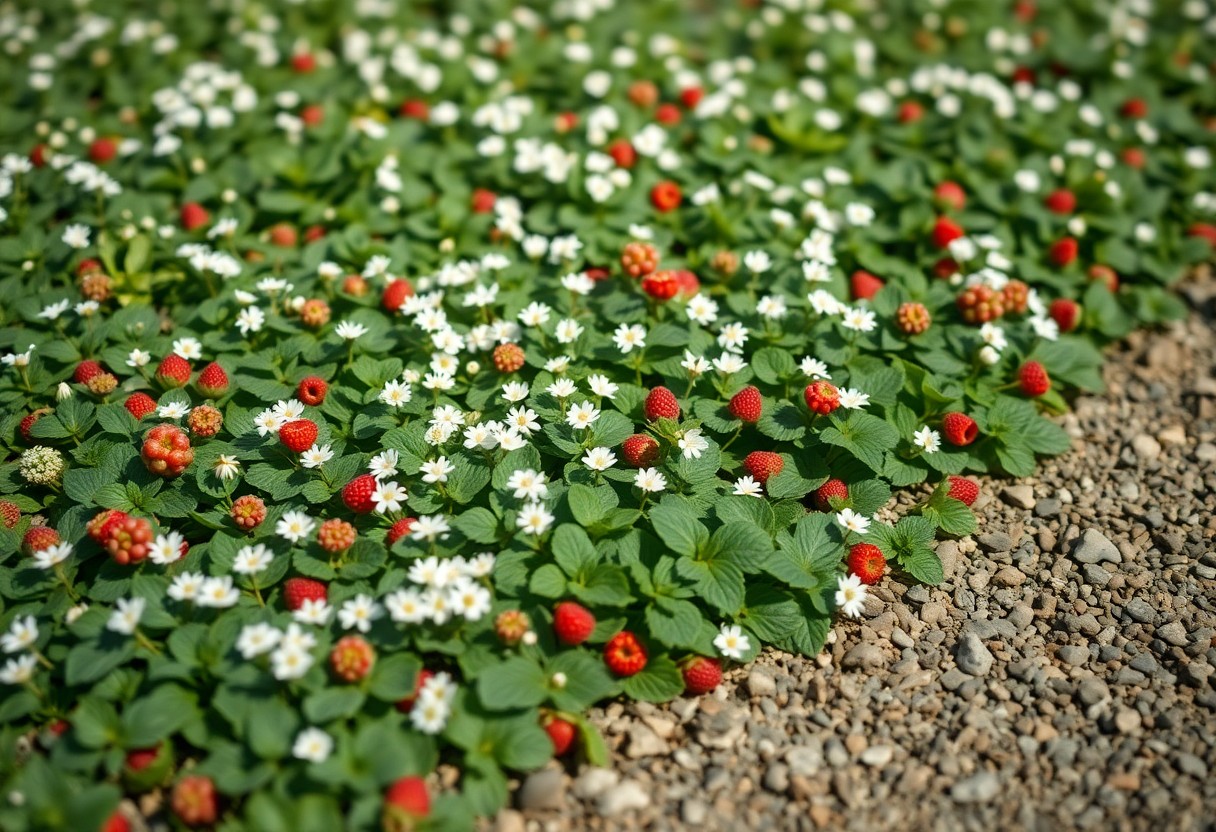
Strawberry varieties are superb ground cover options, particularly the everbearing and alpine types, which produce fruit all season long. These plants spread quickly, filling spaces with lush greenery and vibrant berries, ensuring you enjoy a fresh snack right from your garden.
Everbearing strawberries yield fruit continuously throughout the summer, whereas alpine strawberries, smaller yet intensely flavoured, provide a delightful surprise in spring and early summer. Both types are low-maintenance and suitable for containers or borders, allowing you to enjoy their beauty alongside their delectable produce. With the right care, you can create a bountiful edible landscape that enhances your outdoor space.
Cultivation Tips
Successfully cultivating edible ground covers requires some planning and care. Start by selecting the right varieties for your climate and soil conditions. You may need to amend your soil with organic matter, such as compost, for the best results. Additionally, consider the space requirements for each type. Here are key points to consider:
- Select ground covers suited to your climate.
- Prepare your soil by incorporating organic matter.
- Space plants appropriately for growth.
- After planting, monitor regularly for pests and weeds.
Soil Preparation
Your soil’s health determines the success of your edible ground covers. Begin by testing the pH and nutrient levels; most will thrive in a slightly acidic to neutral pH. Loosen compacted soil to a depth of at least 15cm, mixing in well-decomposed compost or aged manure to enhance fertility. Ensuring good drainage is also vital, as overly wet conditions can hinder growth.
Watering and Maintenance
Watering and maintenance of your edible ground covers should be tailored to their needs. Most varieties prefer regular, deep watering rather than frequent shallow irrigation. Aim for around 2.5cm of water weekly, adjusting during dry spells. Regularly check for weeds, as they compete for nutrients, and mulch around plants to help retain moisture and suppress weeds.
Implementing effective watering practices maintains soil moisture without waterlogging, which is particularly important during dry periods. You might find drip irrigation systems beneficial, as they deliver water directly to the plant’s roots. Additionally, a layer of organic mulch, such as straw or wood chips, not only conserves moisture but also gradually improves soil quality as it breaks down, thus supporting a thriving edible ground cover system.
How to Establish Edible Ground Covers
Establishing edible ground covers requires careful planning and execution for optimal results. Start by selecting appropriate varieties to suit your garden’s climate and soil type. For more inspiration, explore Boost Your Garden’s Potential: 17 Edible Lawn Alternatives. Prepare your site by removing existing grass and weeds, then follow through with soil enhancement for healthy growth.
Soil Preparation
Preparing your soil is vital for the successful establishment of edible ground covers. Begin by testing the pH and nutrient levels to determine your soil’s condition. Amend the soil with organic matter, such as compost or well-rotted manure, to improve its fertility and drainage. Aim for a loose and crumbly texture, as this will facilitate root penetration and overall plant health.
Planting Techniques
When planting your edible ground covers, consider the specific requirements of each plant variety. Space your plants according to their growth habits; for instance, creeping thyme requires less room than strawberry plants. You may opt for a staggered planting pattern to create a lush, full appearance quickly. Water the area thoroughly after planting to help establish roots, but avoid overwatering to prevent root rot. As these plants grow, maintain a regular weeding schedule to reduce competition for nutrients and space.
Pest Management for Edible Ground Covers
Managing pests in your edible ground covers can ensure a thriving, productive garden. Integrating a variety of methods is key to maintaining plant health, minimising damage, and enhancing yields. Regular monitoring for signs of infestation, coupled with proactive measures, will help create a balanced ecosystem that supports your edible plants while deterring unwanted visitors.
Organic Control Methods
Organic control methods focus on natural solutions to keep pests at bay. You can utilise neem oil, insecticidal soap, and diatomaceous earth to effectively manage common pests. These substances target insects without the use of harsh chemicals, promoting a healthier garden environment. Regularly applying organic treatments can help you maintain a robust growing system.
Companion Planting
Companion planting is an effective strategy for pest management, involving the strategic placement of different plant species in proximity to enhance growth and deter pests. By pairing compatible plants, you can create a natural and synergistic environment that not only supports your edible ground covers but also repels harmful insects.
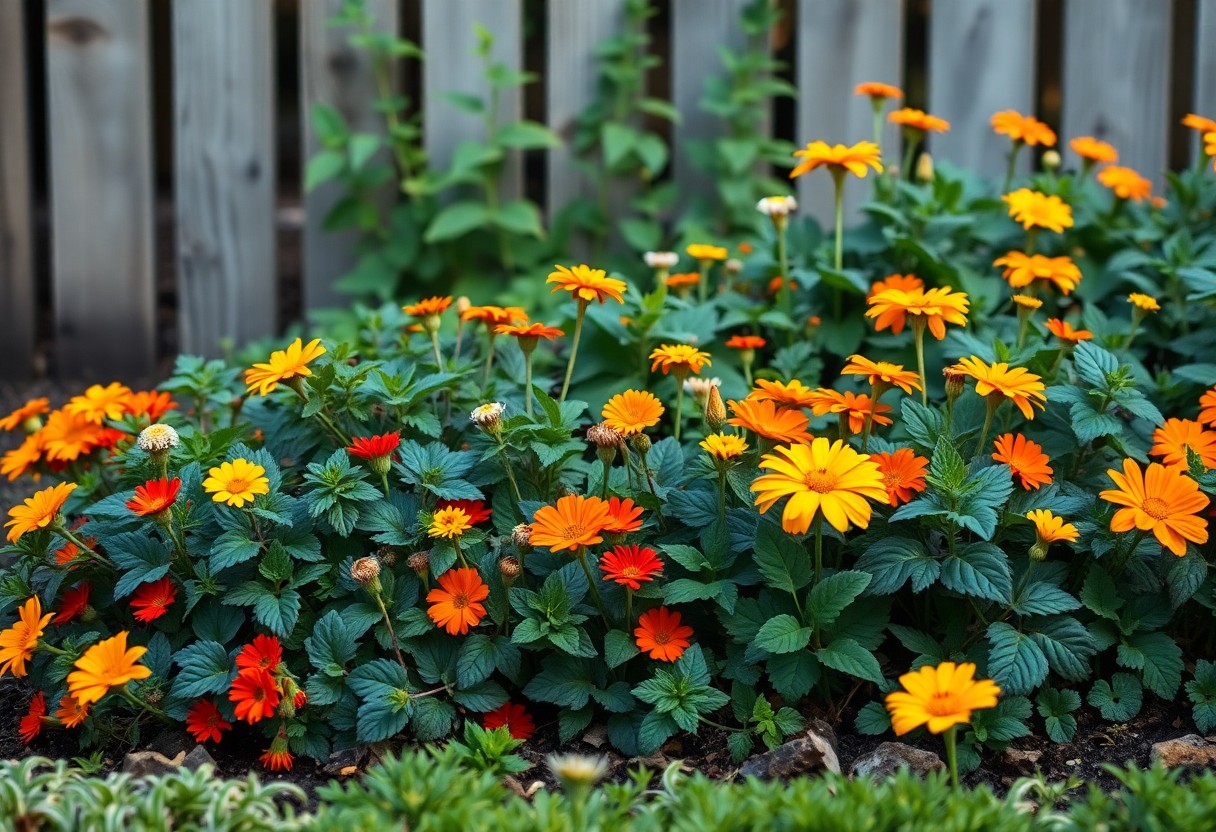
For example, planting basil near your strawberries can help repel pests like aphids, while marigolds are known to deter nematodes and other harmful insects. You can establish a harmonious planting scheme that utilises the benefits of companion relationships. Additionally, mixing flowers with your edible ground covers encourages beneficial insects such as pollinators and predatory species that keep pest populations in check. This approach not only promotes healthier plants but also contributes to biodiversity within your garden ecosystem.
Maintaining Your Edible Ground Cover
Proper maintenance is vital for thriving edible ground covers, ensuring they serve both aesthetic and culinary purposes. Regular attention to watering, fertilising, and pest management will keep your edible landscape vibrant and productive. Explore more on the topic in this comprehensive guide about Edible Ground Cover: 11 Plants That Will Foodscape Your ….
Watering and Fertilising
Water your edible ground covers consistently, especially during dry spells, to encourage robust growth. Aim to provide around 1 inch of water per week, either through rainfall or supplemental irrigation. Fertilise every few months with an organic compost or a balanced fertiliser to replenish nutrients and boost crop yield.
Pest and Weed Management
Effective pest and weed management is vital for maintaining your edible ground cover. Regularly inspect your plants for signs of pests like aphids or snails and utilise organic deterrents, such as neem oil or diatomaceous earth, to control infestations. Employ mulching to suppress weeds and retain soil moisture, ensuring your edible plants thrive without competition.
Integrating companion planting can also enhance pest management; for instance, planting marigolds alongside your edible ground covers will naturally repel certain pests. Hand-pulling weeds or using a hoe can help maintain a tidy appearance while preventing larger weed problems. Continuous monitoring and immediate action will be key to sustaining your edible ground cover’s health and productivity.
Transforming Your Landscape
Embracing edible ground covers can significantly enhance your landscape, creating a vibrant, multifunctional space. These plants not only replace traditional lawns but also contribute to biodiversity, attract pollinators, and provide fresh produce. By integrating various textures, colours, and flavours, you can curate a visually stunning environment that is both practical and sustainable, transforming the mundane into the extraordinary.
Design Ideas
Consider layering different edible ground covers for visual interest and functionality. For instance, combining creeping thyme with strawberry plants creates a fragrant carpet that produces fruit. You can incorporate pathways of chamomile between clusters of kale, allowing for easy access and an aromatic experience. Such arrangements not only enhance aesthetics but also optimise space utilisation and productivity in your garden.
Planting Techniques
Adopting effective planting techniques is vital for establishing a thriving edible ground cover. Begin by preparing the soil adequately, ensuring it is well-draining and enriched with organic matter. Arranging plants in clusters based on their growth habits allows for better sunlight and moisture access, promoting healthier growth and reducing competition.
When planting, space your edible ground covers according to their mature size to avoid overcrowding. For instance, strawberries typically require a spacing of about 30 cm apart, whereas creeping mint may spread more freely. This approach not only minimises disease risk but also maximises the potential for each plant to flourish. Watering deeply after planting encourages strong root development; mulching around the plants can help retain moisture and suppress weeds. Consider seasonal planting schedules to ensure continuous harvests throughout the year, allowing your garden to provide fresh produce across various seasons.
Culinary Uses of Edible Ground Covers
Edible ground covers not only serve as vibrant alternatives to traditional lawns but also offer culinary delights. These plants can enhance your meals with fresh flavours, providing a diverse range of herbs, fruits, and even greens right from your garden. Utilising these edible varieties not only adds character to your dishes but also promotes sustainable gardening practices by reducing your reliance on store-bought produce.
Flavor Enhancements
Using edible ground covers in your cooking can elevate basic dishes. For example, creeping thyme or oregano can add aromatic depth to roasted vegetables, while strawberry plants can provide a burst of sweetness in salads. Integrating these flavours into your meal prep transforms the mundane into the extraordinary, creating a unique culinary experience.
Creative Recipes
Incorporating edible ground covers into your recipes allows you to experiment with new flavours and presentations. You might craft a refreshing herb salad using a variety of ground cover herbs or make a vibrant topping for bruschetta using fresh strawberries and mint. The possibilities are endless, limited only by your culinary imagination.
For a truly innovative approach, consider merging ground cover plants with traditional recipes. You could create a herb pesto using the leaves of creeping thyme, blending them with nuts and cheese for added richness. Furthermore, experimenting with edible flowers like nasturtiums, often used as ground covers, can add not only unique tastes but also striking visual appeal to dishes. Integrating these ingredients fosters creativity in the kitchen and encourages a direct connection with your garden’s bounty.
DIY Projects with Edible Ground Covers
Creating your own edible ground cover garden can be a rewarding project. From selecting the right plants to planning unique layouts, DIY projects allow you to customise your space for both beauty and practicality. Consider incorporating perennial herbs or low-growing fruits that require minimal maintenance while providing delicious produce right at your feet. Crafting pathways or borders from these plants not only enhances aesthetics but also supports biodiversity in your garden.
Edible Landscapes
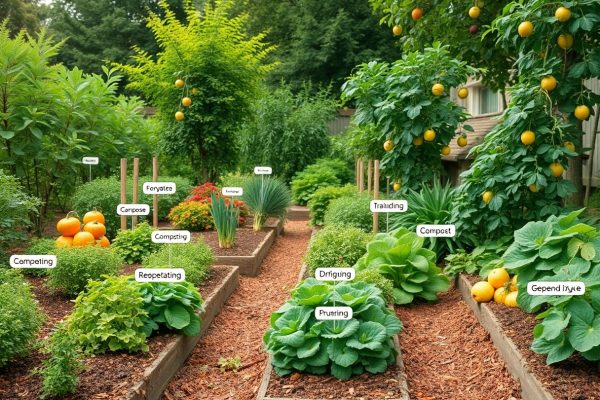
Designing an edible landscape transforms your garden into a productive space. By integrating edible ground covers into your existing design, you create a thriving ecosystem that benefits both humans and wildlife. Choose plants like creeping thyme or strawberries, which not only serve as attractive ground cover but also offer delicious rewards. Consider varying heights and textures to create visual interest alongside the culinary benefits.
Container Gardening
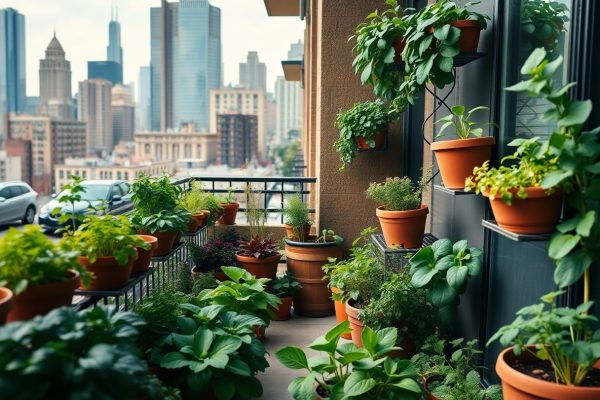
Container gardening with edible ground covers allows you to maximise small spaces and add greenery to patios or balconies. By choosing dwarf or trailing varieties, you can create lush, edible borders around your containers. This method is ideal for urban environments where traditional gardening might not be feasible.
In container gardening, opt for plants such as chamomile, creeping mint, or dwarf berry varieties. These hardy plants thrive in pots, adding colour and flavour to your outdoor spaces. Arrange different containers to form a mini edible garden, ensuring adequate drainage and soil quality for optimal growth. You can also move containers to catch the sun or provide shade, further tailoring your edible landscape to your preferences and space limitations.
Transitioning from Lawn to Edible Ground Covers
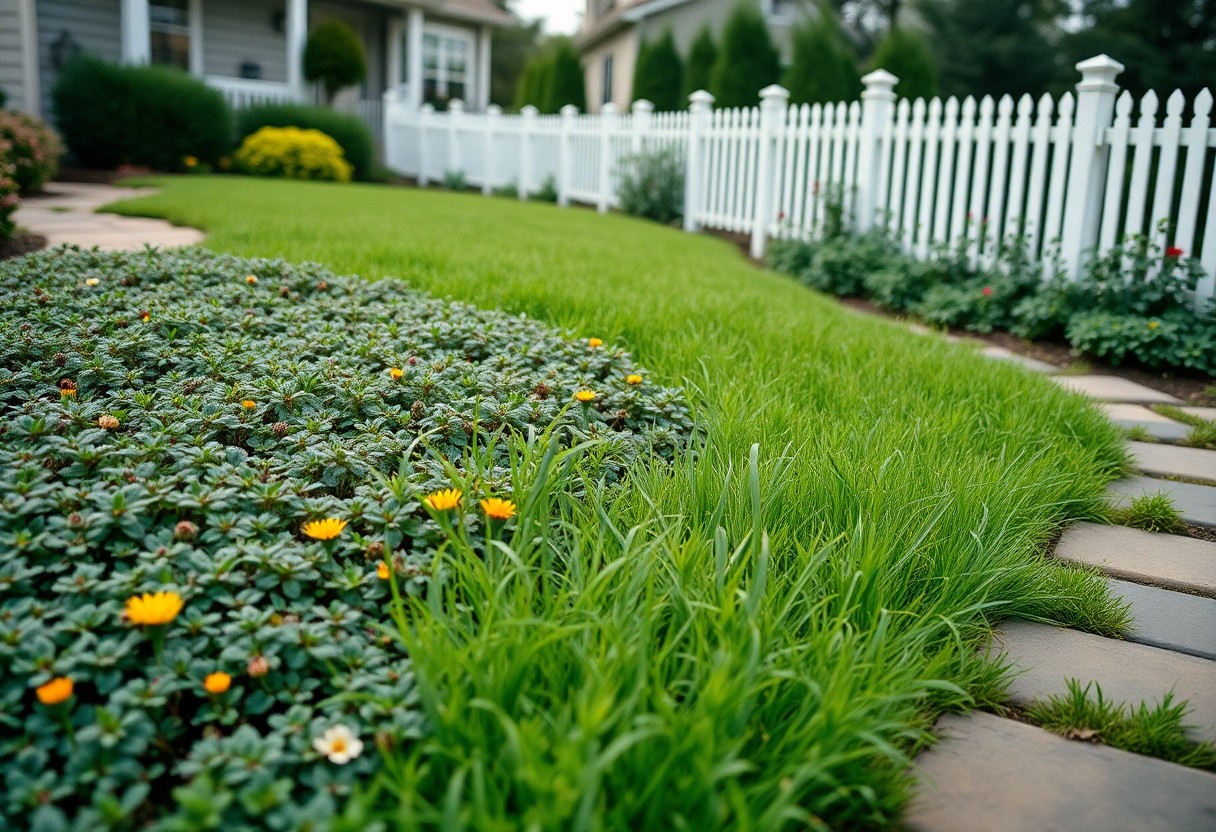
Transitioning from traditional grass lawns to edible ground covers requires a thoughtful approach to ensure a successful transformation. Begin by selecting suitable edible plants that thrive in your local climate and soil type. Assess your garden’s light conditions and moisture levels to determine which varieties will perform best. Gradually replace sections of your lawn, allowing the new ground covers to establish themselves and create a lush, edible landscape that benefits both your palate and the environment.
Planning and Design
Effective planning and design are vital for a seamless transition. Map out your space, considering the size and spread of the chosen ground covers. Consider sun and shade patterns to position your plants optimally, and think about incorporating pathways or borders to enhance accessibility and aesthetics. Utilising a mix of perennial herbs and low-growing vegetables can add diversity, while also ensuring year-round harvests.
Overcoming Challenges
Challenges such as soil quality, pest management, and plant compatibility can arise during your transition. Addressing poor soil may involve amending it with compost or well-rotted manure to create a fertile foundation for your edible ground covers. Regular monitoring for pests is vital; employing companion planting strategies can help mitigate infestations naturally. Additionally, patience is key, as some plants may take longer to establish than others, requiring you to adapt your care routine accordingly.
Moreover, understanding local pest populations and their life cycles can help you proactively manage potential issues. For example, if you’re planting strawberries, be aware of snail infestations that often occur in damp conditions. Employing organic deterrents or traps can significantly reduce their impact. Furthermore, as you immerse yourself in this new garden ecosystem, you may need to adjust watering habits; edible ground covers typically have different moisture requirements than conventional lawns, leading to more efficient water usage. Embracing adaptability will not only ensure the success of your edible ground covers but also enrich your gardening experience.
To wrap up
From above, replacing traditional lawns with edible ground covers presents a sustainable and nutritious alternative for your garden. You can enhance your landscape while cultivating plants that offer both beauty and culinary benefits. These alternatives not only lower maintenance costs but also attract beneficial wildlife, improving biodiversity. By choosing tasty, low-growing species, you can create a productive outdoor space that supports both your diet and the environment. Embrace this innovative approach, and enjoy the advantages of a garden that is both lovely and functional.
Final Words
Conclusively, by replacing traditional lawns with edible ground covers, you can transform your garden into a productive and sustainable space. These alternatives not only provide flavoursome ingredients for your kitchen but also reduce maintenance and water usage. By considering options like thyme, clover, or strawberries, you can create a vibrant landscape that serves a dual purpose. Embracing these edible plants not only benefits your palate but also promotes biodiversity and environmental health in your garden.
You may also like