Edible Landscaping – Beauty and Purpose Combined
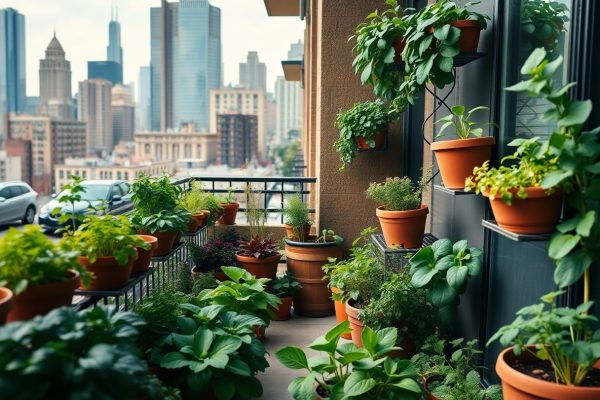
Many homeowners are discovering the benefits of edible landscaping, where beauty meets functionality. By incorporating fruit-bearing plants, herbs, and vegetables into your garden design, you can create a vibrant outdoor space that delights the senses and provides fresh produce. This approach not only enhances the visual appeal of your property but also supports sustainable living practices. Embracing edible landscaping allows you to transform your garden into a resource that nourishes both your body and your aesthetic sensibilities.

Key Takeaways:
- Edible landscaping integrates food-producing plants into aesthetically pleasing designs.
- This approach promotes biodiversity and can enhance environmental sustainability.
- It encourages healthier eating habits by making fresh produce more accessible and attractive.
Understanding Edible Landscaping
Edible landscaping is an innovative approach that merges aesthetic garden design with functional food production. This method allows you to cultivate fruit, vegetables, and herbs within your landscape, creating a space that is both beautiful and productive. By integrating edible plants into your garden, you can enjoy the visual appeal while reaping the rewards of homegrown food.
Definition and Concepts
Edible landscaping refers to the practice of incorporating edible plants into your landscape design to create visually appealing yet functional spaces. This concept encompasses a variety of plants, including fruits, vegetables, herbs, and even edible flowers, presented in a way that enhances your garden’s beauty while providing nutritious produce.
Historical Context and Trends
Historically, edible landscaping can be traced back to ancient civilisations, where practical gardens flourished alongside ornamental ones. In modern times, the trend has gained momentum due to a rising awareness of sustainable practices, local food movements, and environmental benefits, with urban areas seeing a significant increase in community gardens and personal kitchen gardens.
The resurgence of edible landscaping aligns with contemporary trends towards sustainability and food security. Notably, in cities like Seattle and Melbourne, local governments have endorsed edible gardening programmes, fostering community engagement and promoting biodiversity. More recently, movements such as permaculture have influenced homeowners, highlighting the importance of ecological design that maintains an aesthetically pleasing environment while producing food. Statistics show that urban gardening projects have increased by over 40% in the past decade, indicating a shift in how you view and utilise outdoor space for both beauty and sustenance.
Benefits of Edible Landscaping
Integrating edible plants into your landscape confers a multitude of benefits, enhancing not only the beauty of your environment but also its functionality. This approach allows for the dual purpose of enjoying the visual splendour of gardens while simultaneously providing a fresh and sustainable source of food. You can harvest a variety of fruits, vegetables, and herbs right from your own backyard, reaping the rewards of your efforts. Furthermore, edible landscaping encourages biodiversity and supports local ecosystems, making it a beneficial choice for both you and the planet.
Aesthetic Appeal
Edible landscaping offers a unique visual charm, blending the lush aesthetics of traditional gardens with the vibrant colours of fruits, vegetables, and herbs. You can create captivating displays with various textures and shapes, from the deep greens of kale to the bright reds of tomatoes. This fusion not only enriches your garden’s beauty but also cultivates a connection to the food you consume, transforming your space into a true feast for the eyes and the palate.
Environmental Advantages
Your choice to incorporate edible plants can significantly benefit the environment. Such landscaping supports pollinators, enhances soil health, and reduces the carbon footprint associated with transporting produce. With various plants cohabiting in your garden, you promote biodiversity, which strengthens ecosystem resilience against pests and diseases. This self-sustaining approach diminishes the need for chemical pesticides and fertilisers, creating a healthier habitat for you and local wildlife.
Through practices like companion planting, you can further harness the benefits of edible landscaping. For instance, planting herbs like basil alongside tomatoes not only enhances flavour profiles but also repels pests that might otherwise threaten your crops. Adopting an edible landscape encourages beneficial insects and helps cultivate a thriving ecosystem right in your garden. The result is a harmonious balance of beauty, function, and ecological stewardship, aligning your gardening efforts with the needs of the environment.
Planning Your Edible Landscape
Effective planning is the backbone of a successful edible landscape. It involves not just placing plants where they might look pretty, but considering various factors such as sunlight, shade, water availability, and existing structures. By developing a thoughtful layout, you can optimise space and functionality, ensuring your edible garden thrives while remaining visually appealing.
Site Selection and Design
Selecting the right site for your edible landscape is fundamental. Assess your outdoor space for sunlight, accessibility, and soil quality. Ideally, choose a location that receives at least six hours of direct sunlight daily, while also considering how your design will fit with existing structures and pathways, allowing for easy maintenance and harvest.
Selecting the Right Plants
Carefully selecting plants is key to creating a productive and attractive edible landscape. Choose varieties that suit your climate, soil type, and personal taste. Incorporating a mix of fruits, vegetables, herbs, and flowers will not only provide visual appeal but will also enhance biodiversity and attract beneficial insects.
Consider native plants for their adaptive qualities and lower maintenance needs. For example, if you live in a temperate region, growing herbs like rosemary and thyme alongside berry bushes can provide a harmonious blend of colour and utility. Additionally, companion planting—such as pairing tomatoes with basil—can improve yields and protect against pests, adding an extra layer of effectiveness to your garden design.
Maintenance of Edible Landscaping
To ensure your edible landscape flourishes, consistent maintenance is necessary. This includes regular pruning, harvesting, and monitoring plant health. Incorporating companion planting can enhance growth and yield while minimising weeds. Seasonal adjustments to your maintenance routine, such as mulching or crop rotation, will promote soil vitality and overall productivity.
Soil and Water Management
Proper soil and water management is fundamental for thriving edible landscapes. Test your soil pH to gauge nutrient levels and amend it accordingly with organic materials. Implementing drip irrigation or rainwater harvesting optimises water usage, conserving resources while maintaining plant health through consistent moisture levels.
Pest Control and Sustainability Practices
Integrating pest control with sustainability practices fosters a healthy edible landscape. You can apply integrated pest management (IPM) techniques, such as introducing beneficial insects like ladybirds and lacewings, to naturally combat pests. Additionally, using organic barriers and plant diversity can significantly reduce pest prevalence.
By combining pest control with sustainable methods, you create a balanced ecosystem within your garden. For instance, planting marigolds alongside vegetables can deter aphids, while attracting pollinators. Regularly monitoring your plants will help you identify issues early, enabling timely interventions that maintain both health and yield without harsh chemicals. Emphasising biodiversity not only protects your crops but also promotes resilience against pests and diseases, ensuring your edible landscape thrives sustainably over time.

Edible Landscaping Ideas
When considering edible landscaping, think beyond traditional gardens. You can incorporate vibrant vegetables, herbs, and fruits seamlessly into your outdoor décor. Explore ways to blend culinary plants with ornamental features for maximum effect. For inspiration, Create a Garden of Abundance: Design for Beauty and … to achieve a harmonious balance between aesthetics and practicality.
Vegetable Gardens in Decorative Spaces
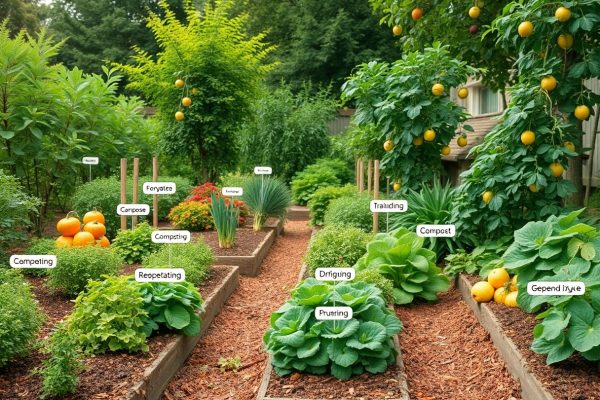
Transform utilitarian vegetable patches into decorative spaces by utilising raised beds, trellises, and borders. Choose aesthetically pleasing varieties like rainbow chard, heirloom tomatoes, or edible flowers that not only serve a purpose but also contribute to the beauty of your garden. You can design pathways with stone or gravel to enhance visual appeal whilst ensuring practicality.
Incorporating Fruit Trees and Perennials
Integrating fruit trees and perennials into your landscape provides long-term beauty and harvests. Choose varieties that thrive in your climate, such as apple, pear, or fig trees, which can serve as stunning focal points. Planting perennials like strawberries or rhubarb not only adds to the visual interest but also ensures a consistent yield year after year, enhancing the sustainability of your garden. Consistency in layout and placing them thoughtfully within your garden can result in a breathtaking and productive landscape.
Challenges and Considerations
Incorporating edible elements into your landscape entails specific challenges, from plant selection to maintenance. You’ll need to consider factors like climate compatibility, soil health, and pest management as you blend beauty with functionality. Understanding Edible Landscaping Ideas: How to Create a Beautiful & … can help you navigate these complexities more effectively.
Common Pitfalls to Avoid
One common pitfall is overlooking the growth patterns of your chosen plants; some may outgrow their designated spaces or require more sunlight than available. Selecting overly invasive species can also disrupt the aesthetic harmony you aim for. Always ensure that your plant choices align well with your overall landscaping vision.
Navigating zoning laws and obtaining necessary permits can be daunting. Many municipalities have specific regulations governing what you can plant and how you maintain your garden. Understanding these regulations is key to a successful edible landscape. Checking with local planning departments will provide guidance on permissible activities, ensuring your project stays compliant while maximising its potential.
To wrap up
Taking this into account, integrating edible landscaping into your outdoor spaces not only enhances the visual appeal of your garden but also serves practical purposes. By carefully selecting plants that are both aesthetically pleasing and edible, you create a harmonious environment where beauty and functionality coexist. This approach invites you to enjoy fresh produce right from your garden while appreciating the natural beauty it brings to your home, ultimately transforming your landscape into a source of nourishment and joy.
FAQ
Q: What is edible landscaping?
A: Edible landscaping refers to the design and cultivation of gardens that combine beauty with edible plants. It integrates fruits, vegetables, herbs, and ornamental plants, creating visually pleasing gardens that also provide food.
Q: How can I start an edible landscaping project?
A: To start an edible landscaping project, evaluate your outdoor space, select appropriate edible plants that suit your climate and soil, and design a layout that includes aesthetically pleasing arrangements. Consider incorporating raised beds, trellises, and companion planting for both utility and beauty.
Q: What are the benefits of edible landscaping?
A: The benefits of edible landscaping include increased access to fresh produce, reduced grocery costs, enhanced biodiversity in local ecosystems, and the promotion of healthy eating habits. Additionally, it provides a visually appealing environment that can attract pollinators.
Q: Can I use ornamental plants in edible landscaping?
A: Yes, many ornamental plants are edible or can be used alongside edible varieties. Examples include flowering herbs like borage and nasturtiums, which not only enhance aesthetics but also attract beneficial insects and add flavour to dishes.
Q: What maintenance is required for edible landscapes?
A: Maintenance for edible landscapes includes regular watering, pruning, and harvesting. It also involves pest management, soil health monitoring, and seasonal planting to ensure a continuous supply of edible produce while maintaining the visual aspects of the garden.
You may also like